

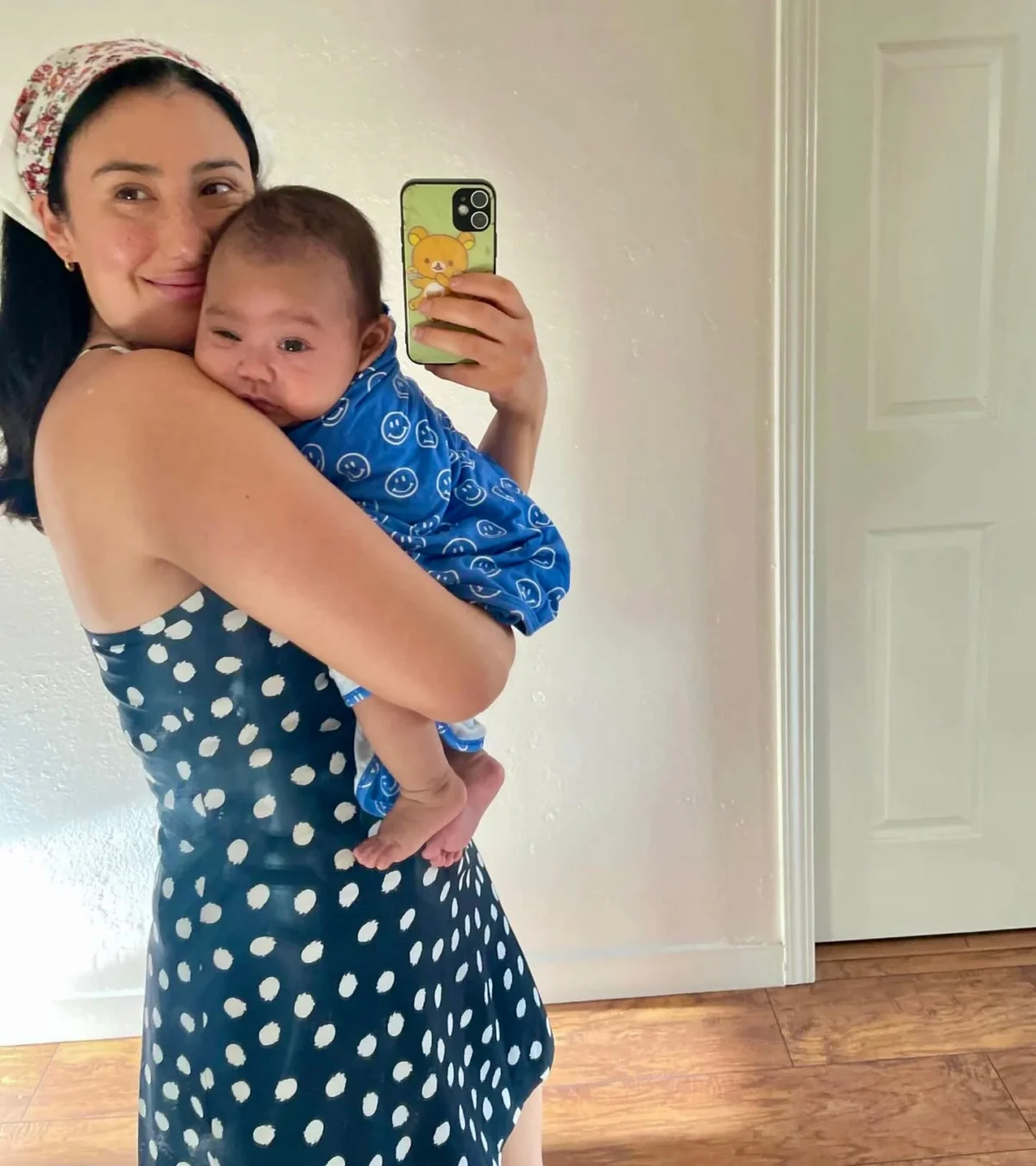
The transition into motherhood, particularly during the first twelve months following childbirth, represents one of the most significant physiological and psychological shifts in human development. Often referred to by clinicians as the "fourth trimester," this period is characterized by intense hormonal fluctuations, physical recovery, and the logistical challenges of infant care. Recent data from maternal health organizations suggests that the quality of community support received during this window significantly influences long-term maternal well-being and the prevention of postpartum mood disorders. As the cultural focus shifts from purely infant-centric celebrations to "mother-centric" care, a new framework for postpartum gifting has emerged, prioritizing functional utility, emotional resonance, and nutritional stability.
The Chronology of Postpartum Recovery and the One-Year Milestone
The journey of maternal recovery is rarely linear. For many women, the one-year anniversary of a child’s birth serves as a symbolic and physical turning point. Clinical studies indicate that while the immediate postpartum period (0-6 weeks) is the most acute phase of physical healing, the restoration of a mother’s sense of self and hormonal equilibrium can take twelve months or longer.
In the initial weeks, mothers often experience a phenomenon known as "sundown anxiety," a period of heightened stress as daylight fades, often linked to the anticipation of nocturnal nursing cycles and sleep deprivation. This is compounded by the physical demands of lactation; for instance, the immediate concern of infant weight loss—a common occurrence where newborns may lose up to 10% of their birth weight before stabilizing—can induce significant psychological distress in new parents. By the time a child reaches their first birthday, many mothers report a "re-emergence" of their pre-pregnancy identity, though the memories of the raw, early months remain a defining feature of their experience.
Strategic Gift Categories: A Functional Analysis
To address the multifaceted needs of new mothers, experts in maternal wellness suggest a categorization of support that moves beyond traditional infant clothing and toys. The following five categories represent a holistic approach to maternal care, focusing on environmental aesthetics, physiological maintenance, mobility, nutrition, and emotional legacy.
1. Environmental Aesthetics and Cortisol Regulation
The introduction of a high-quality aesthetic object, such as a versatile floral vase, serves a dual purpose. Beyond its immediate utility for holding bouquets brought by visitors, it functions as a permanent fixture in the home that triggers positive "associative memory." According to environmental psychology, the presence of fresh flowers and organized, beautiful spaces can contribute to lower cortisol levels in high-stress domestic environments. A dedicated vessel for flowers ensures that the mother’s environment remains a place of beauty rather than just a site of labor, reinforcing the community’s ongoing presence in her life.
2. Physiological Maintenance and Dermatological Care
Postpartum hormonal shifts, specifically the rapid drop in estrogen and progesterone, can lead to significant changes in skin barrier function. Many mothers report "bone-dry" skin or sudden sensitivity during the third trimester and the subsequent postpartum months. In this context, skincare products like Korean "glow pads" or hydrating masks are not merely luxuries; they are tools for "micro-self-care." These products provide cooling sensations and rehydration that require minimal time—a precious commodity for those caring for newborns. Dermatological health is frequently linked to a mother’s sense of "feeling like herself," making targeted skincare a high-impact gift.
3. Functional Mobility and Post-Surgical Comfort
The logistics of leaving the house with a newborn, particularly in cases of unexpected medical complications, require specialized gear. Mothers who experience premature births or extended Neonatal Intensive Care Unit (NICU) stays face unique challenges. When a baby is born early—sometimes as many as seven weeks ahead of schedule—the mother’s body is often unprepared for the rigors of hospital commutes and frequent movement.
Footwear becomes a critical factor in this transition. Slip-on shoes, such as high-quality clogs or Birkenstocks, offer significant advantages:
- Ease of Use: They eliminate the need to bend over, which is crucial for mothers recovering from C-sections or pelvic floor trauma.
- Accommodation of Edema: Postpartum swelling (edema) can persist for weeks, making traditional shoes uncomfortable or impossible to wear.
- Time Efficiency: For parents managing the 6:30 a.m. alarms of a NICU schedule, the ability to dress quickly is a logistical necessity.
4. Nutritional Stability and the "Meal Train" Evolution
Nutrition is perhaps the most critical pillar of postpartum recovery, yet it is often the most neglected by the mother herself. While dinner deliveries are the standard for "meal trains," there is a growing movement toward providing non-traditional meals.

Nutritional experts emphasize the importance of grab-and-go options that can be consumed one-handed. High-protein energy balls, breakfast casseroles (stratas) packed with vegetables, and nutrient-dense muffins are essential for maintaining the caloric intake required for breastfeeding, which can burn an additional 300 to 500 calories per day. Providing meals for breakfast and lunch addresses the "mid-day slump" when visitors are fewer and the mother is often alone with the infant.
5. Emotional Legacy and Community Integration
The psychological transition to motherhood is often bolstered by "social proof"—the visible and audible confirmation that one is supported by a village. A handwritten letter addressed to the baby, detailing the community’s hopes and dreams, serves as a powerful emotional anchor. During difficult parenting moments, these letters remind the mother that her child is part of a larger social fabric. This sense of belonging is a known protective factor against postpartum isolation.
The Impact of Unexpected Medical Challenges
The narrative of "slow mornings and snuggling" is frequently disrupted by the realities of modern obstetrics. According to the March of Dimes, approximately 1 in 10 babies in the United States is born preterm. These births often result in a "split" postpartum experience: the mother’s body is in recovery at home, while the infant is receiving specialized care in a hospital setting.
In these scenarios, the traditional "baby shower" gifts of nursery decor become secondary to the mother’s need for practical tools—comfortable clothing, portable snacks, and emotional check-ins. The "gutted and guilty" feeling associated with infant health struggles, such as weight loss or NICU stays, requires a support system that is both flexible and persistent.
Expert Perspectives on Maternal Support
Sociologists studying family structures note that the "privatization" of childcare in Western cultures has led to increased rates of maternal burnout. Editorial experts in the culinary and lifestyle spaces, such as Caroline Chambers and Molly Baz, have begun advocating for more structured community interventions. Their "meal train" menus emphasize the "good-all-week" salad or the "nursing-friendly" snack as superior alternatives to the heavy, one-time lasagna.
Furthermore, psychological experts suggest that the most valued gestures are those that require zero "mental load" from the mother. A gift that does not require a thank-you note, a meal that does not require a return of the Tupperware, and a visit that does not require the mother to play "host" are the gold standards of modern postpartum care.
Broader Implications for Public Health
The enrichment of postpartum support is not merely a matter of social etiquette; it is a public health imperative. Research indicates that women who feel supported by their friends, family, and partners during the first year of motherhood have a lower incidence of long-term depression and a higher rate of successful breastfeeding, should they choose to do so.
As society continues to recognize the "fourth trimester" as a period of significant vulnerability, the shift toward practical, mother-focused gifting represents a maturing of the cultural approach to family life. Whether through a "ray of sunshine" vase or a batch of zucchini muffins, these gestures form a safety net that allows a mother to transition from the "hazy early days" into a sustained, healthy version of herself.
The ultimate goal of postpartum community care is to ensure that no mother feels she is "going it alone." By focusing on the physical, emotional, and nutritional needs of the woman behind the baby, the community invests in the health of the entire family unit for years to come.
