

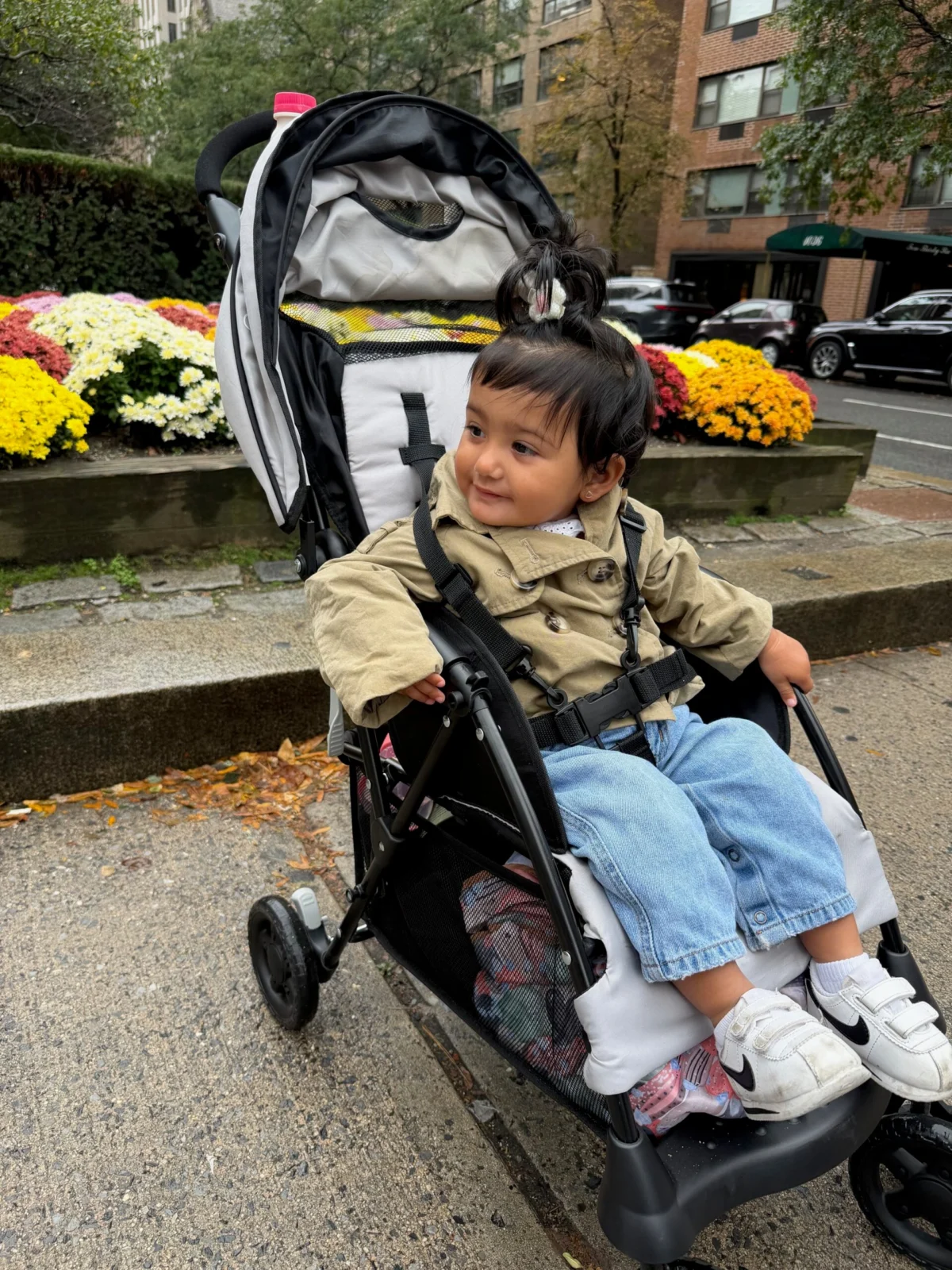
The phenomenon of "maternal mutual aid"—the informal, spontaneous support network between mothers—remains a critical, though often unquantified, component of the modern parenting experience, particularly within the high-pressure environment of major metropolitan centers like New York City. A recent incident involving a professional traveler and her one-year-old daughter, Evelynn, serves as a poignant case study in how these micro-interactions mitigate the logistical and psychological stressors inherent in solo parenting during business travel. While the incident centered on the simple recovery of a forgotten pacifier, it highlights broader sociological themes regarding the "invisible load" of motherhood, the reliability of stranger-to-stranger altruism in urban settings, and the ongoing reliance on communal support systems in an era of increasing parental isolation.
Chronology of the Incident: A Logistical Breakdown in Manhattan
The events unfolded during a multi-day professional engagement in New York City. The subject, a working mother, had traveled to the city with her infant, supported by a secondary childcare arrangement consisting of two acquaintances, identified as Angela and Ally. The itinerary for the second day of the trip was high-density, involving professional networking at the restaurant Sailor, journalistic field research at New York City Hall, and a scheduled wellness appointment at Blissful Spa. This schedule represented a common "balancing act" for working parents who integrate childcare into professional travel.
The crisis began during a morning transition to a local park. Upon realizing that all soothing implements—specifically pacifiers—had been left at the hotel, the parent experienced an acute stress response. In pediatric development, a pacifier often serves as a "transitional object," providing necessary sensory regulation for infants in unfamiliar environments. The absence of this tool during a full day of separation between mother and child posed a significant risk to the infant’s emotional stability and the caregivers’ ability to maintain the day’s schedule.
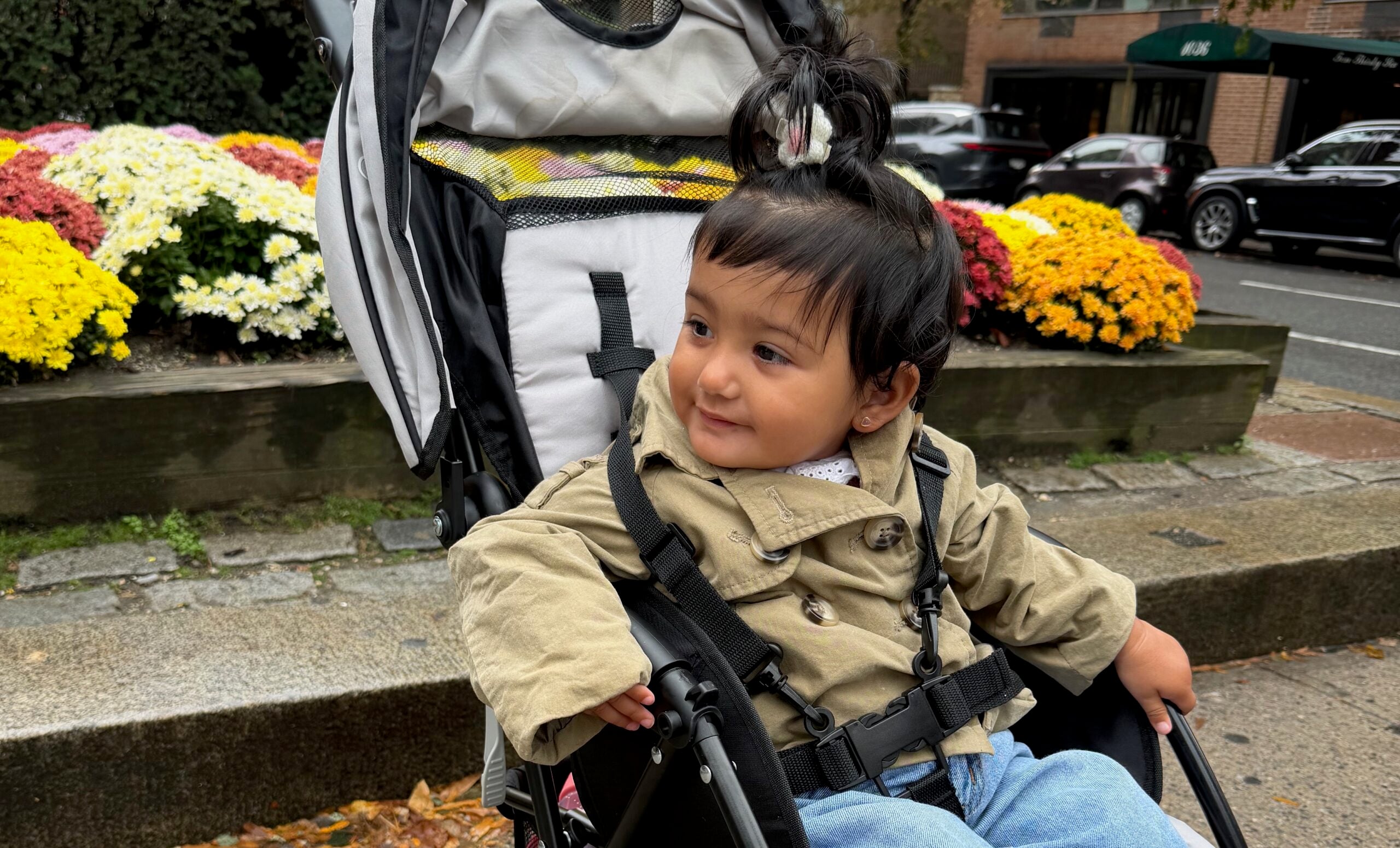
A subsequent attempt to procure a replacement at a local neighborhood drugstore proved unsuccessful, as the retail outlet did not have the item in stock. This retail failure underscores the vulnerability of parents who rely on "just-in-time" supply chains in urban environments. The resolution occurred not through commercial means, but through a social intervention: a fellow parent in the store, observing the distress, provided a clean, spare pacifier from her own supplies, effectively resolving the crisis through an act of unsolicited altruism.
The Sociological Context: The "Invisible Load" and Parental Stress
The "sweaty palms" and "knots in the stomach" described by the mother in this report are symptomatic of the "mental load"—the cognitive labor required to manage a household and childcare. According to data from the American Psychological Association (APA), parents, and specifically mothers, report significantly higher stress levels than non-parents, often exacerbated by the "perfection trap" of modern parenting. When a logistical failure occurs, such as forgetting a basic necessity, the psychological impact is often disproportionate to the physical loss of the item because it is perceived as a failure of the management system itself.
In a 2023 study on parental labor, it was found that approximately 86% of mothers in metropolitan areas feel primarily responsible for the "safety net" of family logistics—ensuring that snacks, clothing, and soothing tools are always available. When this net fails, the reliance on the "village"—a colloquial term for the community support network—becomes a necessity rather than an option. The New York City incident demonstrates that in the absence of a formal "village" (family or long-term friends), a "proxy village" of strangers often emerges.
Data on Maternal Altruism and Social Capital
The willingness of the stranger to provide a pacifier is not an isolated event but part of a documented pattern of "prosocial behavior" among parents. Sociologists categorize this as "social capital"—the networks of relationships among people who live and work in a particular society, enabling that society to function effectively.
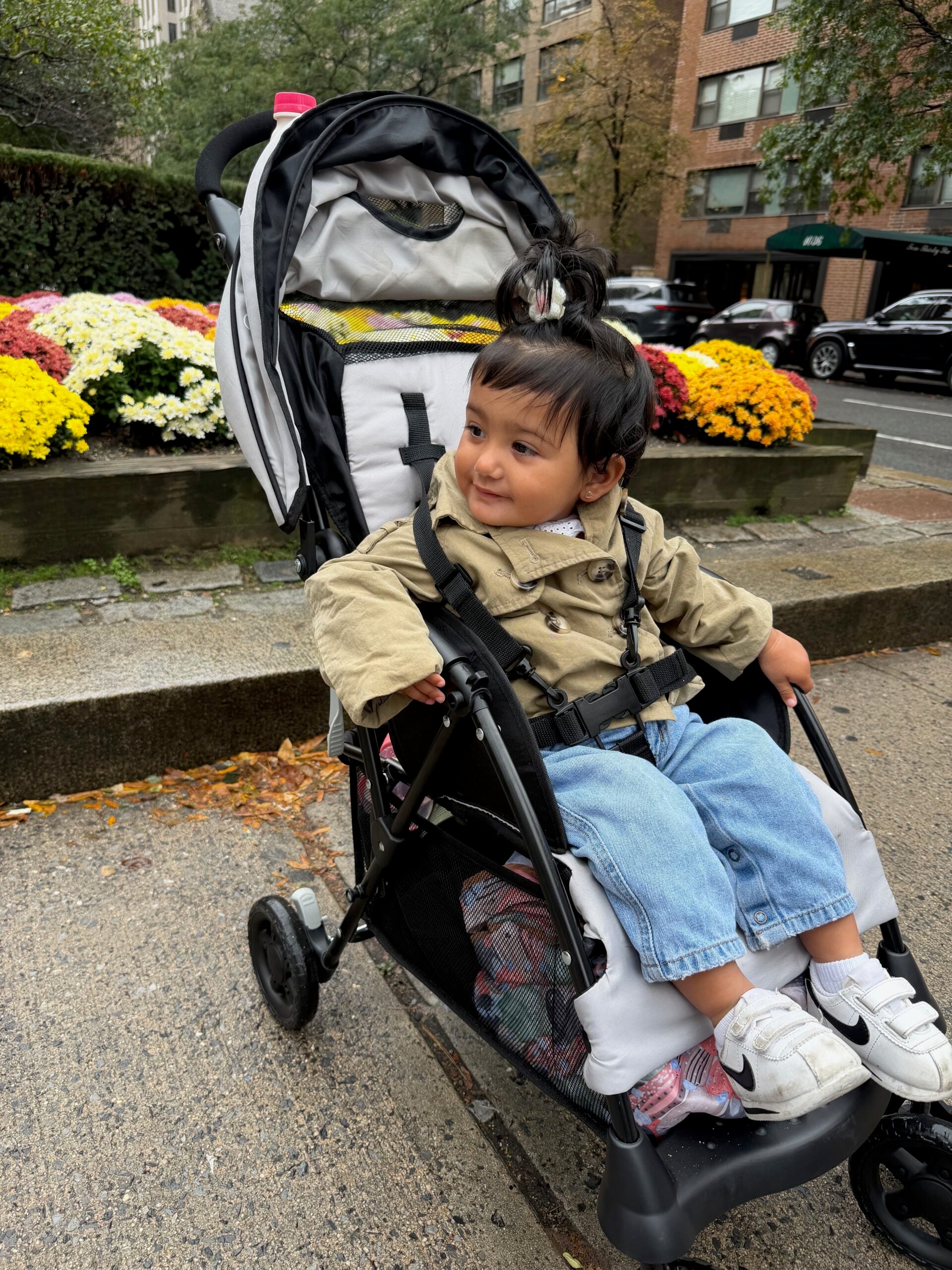
- Reciprocity Norms: Research suggests that mothers are more likely to help other mothers because of a shared "experiential empathy." They recognize the specific high-stakes nature of an infant’s distress.
- Urban Resilience: Contrary to the "bystander effect" often associated with large cities, "micro-communities" of parents often form in parks, drugstores, and public transit. These groups operate on a silent understanding of mutual aid.
- The "Extra" Phenomenon: A survey of urban parents indicated that 74% of mothers habitually carry "extras" (wipes, snacks, or pacifiers) specifically with the awareness that they—or someone else—might encounter an emergency.
Comparative Analysis: The Evolution of the "Parenting Tip"
The incident mirrors long-standing advice within the parenting community, notably articulated by figures such as Abbey Nova. The prevailing philosophy suggests that the "edge of endurance" for a parent can be mitigated by the simple act of asking for help. Nova’s previous accounts of being overwhelmed with luggage and a toddler in a transit hub, only to be rescued by a stranger’s offer to carry a bag, reinforce the idea that maternal mutual aid is a cross-generational and cross-cultural constant.
This "shared experience of motherhood" serves as a powerful social glue. It functions as a counter-narrative to the "mom wars" or the competitive parenting often depicted in digital media. Instead, these real-world interactions suggest a high degree of solidarity. The "hero" in these scenarios is rarely a professional service provider, but rather another parent who has "remembered to pack the snack, the sunscreen, and the wipes," effectively acting as a redundant system for the community.
Implications for Urban Infrastructure and Professional Travel
The success of the "work-travel with infant" model depends heavily on these informal support structures, but the incident also raises questions about urban readiness for families. If a major drugstore in a residential neighborhood of New York City does not stock basic infant necessities, it indicates a gap in the "family-friendly" infrastructure of the city.
Policy analysts suggest that for cities to remain economically competitive, they must support the "care economy." This includes:

- Retail Accessibility: Ensuring that essential childcare goods are available in high-density zones.
- Public Spaces: Designing parks and transit hubs that facilitate parental interaction, thereby increasing the likelihood of mutual aid.
- Professional Support: Companies that require travel for parents must recognize the high cognitive load and provide more robust support systems, such as flexible scheduling or stipends for "on-the-ground" childcare assistance.
Official Responses and Community Feedback
While there is no "Official Department of Motherhood" to issue statements, the reaction from the community of "Cup of Jo"—the platform where this narrative originated—serves as a barometer for public sentiment. Initial reactions to the story have been overwhelmingly confirmatory. Seven distinct commenters within the first hour of publication shared similar anecdotes of "stranger-parent intervention," suggesting that this is a foundational element of the modern parenting survival strategy.
One commenter noted, "The pacifier was a symbol. What was actually given was the message ‘I see you, and you are doing okay.’" This emotional validation is often as critical as the physical item provided. It addresses the "mom guilt" associated with logistical oversights, reinforcing the idea that no parent can be "perfect" without the support of a wider network.
Conclusion: The Enduring Power of the Collective
The case of Evelynn and the forgotten pacifier in New York City is a microcosm of a much larger social reality. It proves that despite the anonymity of the big city, the biological and social ties of parenthood create a resilient, albeit informal, safety net. The professional journalistic takeaway is clear: maternal mutual aid is a vital social utility. It reduces the "mental load," provides emotional regulation for both parent and child, and allows for the continued participation of parents in the professional workforce.
As society continues to grapple with the isolation of the digital age, these physical, face-to-face moments of kindness between strangers provide a necessary blueprint for community building. The "perfect mom" is not the one who never forgets a pacifier, but the one who exists within a community where such a mistake is easily rectified by the generosity of a peer. The "hero" of the story—the stranger with the extra pacifier—remains an anonymous but essential pillar of urban stability.
