

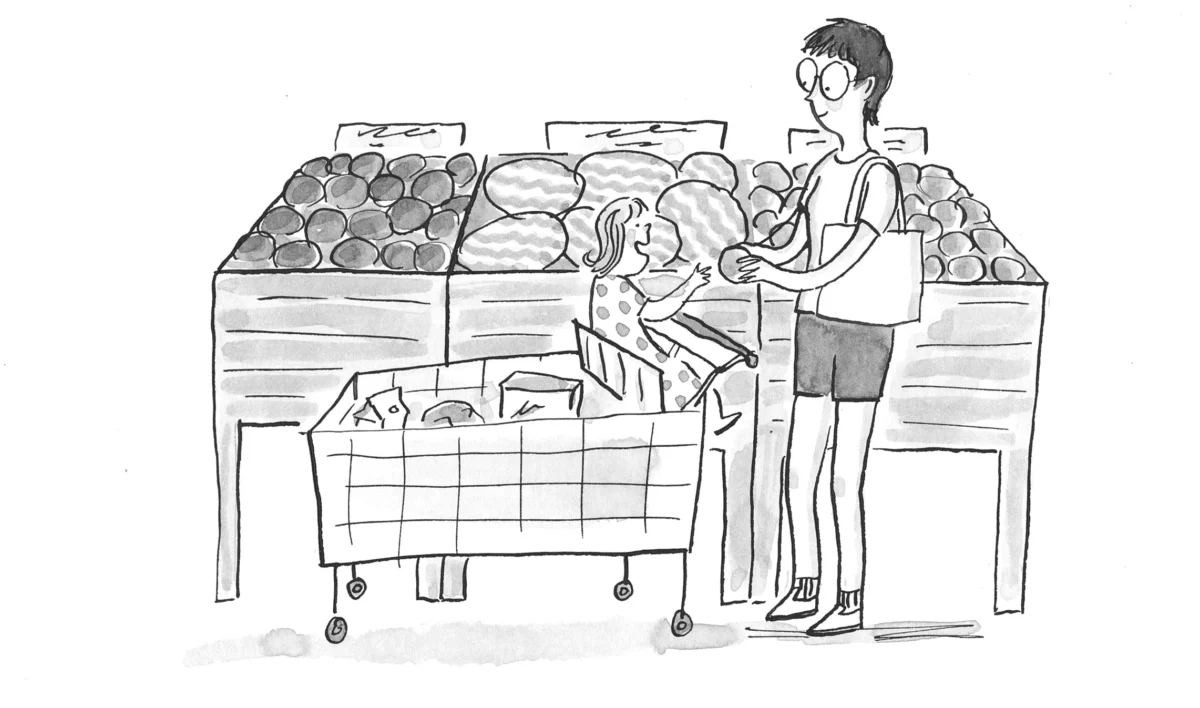
The landscape of modern parenting has undergone a significant transformation over the last decade, particularly concerning the logistics of household management and the integration of children into daily errands. For parents of multiples—twins, triplets, or children close in age—the grocery store has become a focal point for measuring developmental milestones, logistical prowess, and psychological resilience. Recent discourse among caregivers highlights a shift from the "survival mode" of the early infancy years, often characterized by a reliance on delivery services and curbside pickup, to a deliberate return to in-person shopping as a form of social and sensory education for children. This transition, however, is fraught with unique challenges that vary based on the number of children, the availability of specialized equipment, and the mental health of the primary caregiver.
The Logistical Complexity of Multiples in Retail Spaces
For families with multiples, the simple act of purchasing groceries requires a level of tactical planning comparable to a major operation. Data from the National Center for Health Statistics indicates that while the twin birth rate in the United States has seen a slight decline from its peak in 2014, it remains at approximately 31 per 1,000 live births. For these families, standard retail infrastructure often proves inadequate.
The "two-cart" phenomenon is a common logistical hurdle cited by parents of triplets or large families. In this scenario, one parent must navigate a cart dedicated entirely to the children, while the other—or a second cart pushed by the same parent—holds the actual provisions. This requires not only physical coordination but also significant aisle space, which is often at a premium in urban grocery settings. Parents report that the "hero’s journey" of managing multiple toddlers in a store often leads to a state of hyper-vigilance, as caregivers must monitor "six little hands" reaching for items while simultaneously navigating the cart.
Retailers like Costco have addressed this demographic by providing specialized shopping carts equipped with two child seats. This minor infrastructure adjustment has been noted by caregivers as a significant factor in store loyalty. The "double cart" allows for a more streamlined experience, particularly during the checkout phase, which is frequently cited as the most stressful portion of the errand. At a standard register, the narrow aisles and proximity to "impulse buy" items like candy bars create a high-friction environment for parents of multiples.
The Post-Pandemic Return to In-Store Shopping
The COVID-19 pandemic radically altered parenting logistics, with many families adopting grocery delivery and curbside pickup as a permanent solution to health concerns and time constraints. However, a growing trend among parents suggests a move back toward in-person errands. This return is often driven by the desire to provide children with a "sensory-rich" environment free from digital distractions.
Child development experts suggest that errands are a vital way for toddlers to observe social cues and understand the mechanics of their community. In the absence of tablets and smartphones, children in grocery stores are exposed to a variety of colors, textures, and social interactions. Anecdotal evidence from parents suggests that narrating the shopping trip—discussing the types of produce or the cost of items—serves as an early form of literacy and numeracy education. Furthermore, it allows children to witness social etiquette firsthand, such as interacting with cashiers or navigating shared spaces with other shoppers.
For children born during or just before the pandemic, the return to the grocery store can be a surreal experience. Some parents have reported that their children, accustomed only to the home environment, initially viewed the checkout process with suspicion, occasionally perceiving the cashier as someone "taking" the family’s food rather than processing a transaction.
The Psychological Phenomenon of the Solo Errand
One of the most striking aspects of the modern parenting experience is the psychological shift that occurs when a parent of multiples performs an errand alone. In many parenting communities, a solo trip to the grocery store or a pharmacy is frequently described as a "vacation" or a "spa day." This hyperbolic language underscores the intense mental load of caring for multiple young children simultaneously.
When a parent who is used to the "survival mode" of managing twins or triplets is suddenly tasked with only one child—or no children at all—they often experience a significant drop in cortisol levels and an increase in situational enjoyment. This "easy and breezy" feeling allows for a level of presence and focus that is impossible during a full-family outing.
However, this transition is not always seamless. A subset of parents reports a phenomenon akin to "phantom limb" syndrome, where the absence of their children leads to intense anxiety or a feeling of being "alien." This is particularly prevalent in the postpartum period. Clinical data suggests that Postpartum Anxiety (PPA) affects approximately 10% to 15% of new mothers, though many experts believe this number is underreported. For these parents, being separated from their children—even for a routine errand—can trigger a panic response or an inability to make simple decisions, such as choosing a brand of cereal.
Intergenerational Support and the "Oh Honey" Factor
The grocery store also serves as a rare "third place" where different generations interact. Parents of young children often report receiving unsolicited but welcomed support from older shoppers. This phenomenon, dubbed the "Oh Honey" factor by some, involves older women acknowledging the difficulty of the current parenting phase.
Unlike the common "enjoy every second" refrain, which can feel dismissive of a parent’s current struggle, the "Oh Honey" response provides validation. It acknowledges that the "screaming phase" or the "tantrum in the produce aisle" is a temporary and universal experience. These interactions serve as a form of informal community coaching, reminding younger parents that they are part of a long lineage of caregivers who have navigated similar challenges.
Educational and Social Implications for the Child
The shift toward 1:1 "dates" between a parent and a single child from a set of multiples is another emerging strategy in modern parenting. By splitting the children, parents can provide focused attention that is otherwise diluted in a group setting. These solo outings are reported to improve child behavior, as the child no longer feels the need to compete with siblings for the parent’s attention.
From a developmental standpoint, these errands teach children:
- Social Interaction: Learning how to greet neighbors and store staff.
- Impulse Control: Navigating the "tragedy" of not getting a specific cart or a piece of candy.
- Observation: Noticing the world around them without the aid of a screen.
- Responsibility: Acting as a "helper" by pointing out items or placing them in the cart.
Broader Economic and Corporate Impact
The way parents shop also has direct implications for the retail economy. The preference for "family-friendly" stores like Trader Joe’s or Costco suggests that atmosphere and equipment are major drivers of consumer choice for the 30-45 age demographic. Stores that offer a "chatty and happy" register experience or carts that accommodate multiple children are more likely to capture the significant spending power of larger families.
Additionally, the rise of "freelance parenting" and the "gig economy" has allowed some families to move away from large-scale corporate entities like Amazon in favor of local, in-person shopping. This shift is often documented by influencers and illustrators like Hallie Bateman, whose work on parenting multiples and navigating the modern economy has resonated with a large audience of caregivers seeking more "human" experiences in their daily routines.
Conclusion: The Errand as a Microcosm of Parenthood
In summary, the grocery store is far more than a place of commerce for the modern parent; it is a classroom, a theater of social interaction, and a barometer for mental health. Whether it is the "hero’s journey" of navigating a triplet-filled cart through a busy aisle or the "spa-like" serenity of a solo trip to the dentist, these errands define the daily lived experience of the American family. As retail infrastructure continues to evolve, the stores that succeed will be those that recognize the logistical and emotional needs of parents, providing a space where the "circus" of family life is met with support rather than judgment. The ongoing dialogue among caregivers suggests that while the "survival mode" of early parenthood is intense, the gradual return to the world—one grocery trip at a time—is a vital part of the journey toward a new normalcy.
