

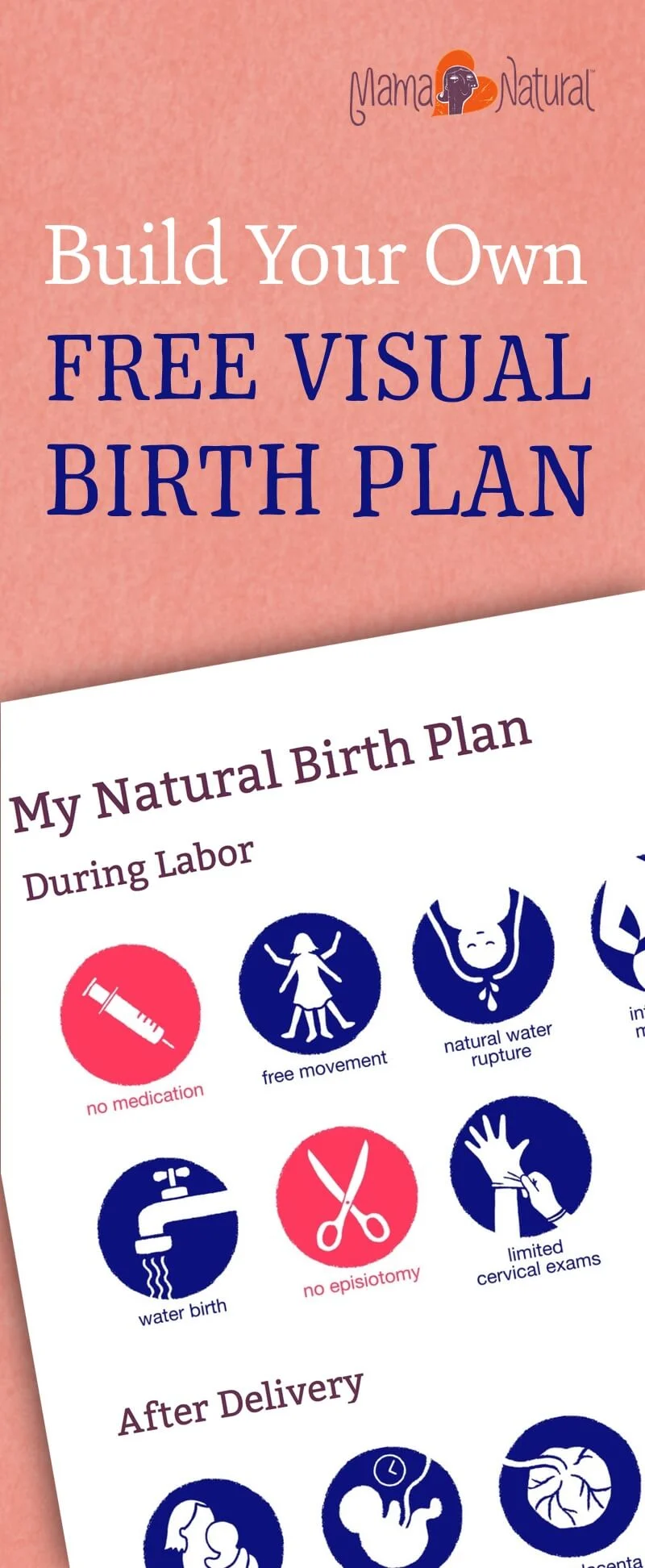
The landscape of modern obstetrics is witnessing a significant shift toward patient-centered care as expectant parents increasingly utilize visual tools to communicate their delivery preferences to healthcare providers. At the center of this movement is the release of the 2025 visual birth plan template, a streamlined, one-page document designed to bridge the communication gap between laboring patients and medical staff. This development comes at a time when the medical community is grappling with high rates of intervention and a growing demand for autonomy in the birthing room. By replacing dense, multi-page manifestos with intuitive iconography, advocates suggest that the likelihood of provider compliance with patient wishes increases substantially. The visual birth plan serves as a blueprint for the arrival of a child, outlining specific choices regarding labor, delivery, and immediate postpartum care.
The Shift from Narrative to Visual Communication in Obstetrics
Historically, birth plans emerged in the 1980s as a tool for women to reclaim agency within a highly medicalized hospital system. However, for decades, these documents were often met with resistance from clinical staff. Narrative-heavy birth plans, sometimes spanning several pages, were frequently viewed by nursing staff as "inflexible" or "unrealistic." In some clinical settings, the presentation of a lengthy birth plan led to the labeling of patients as "high maintenance," a stigma that could inadvertently affect the quality of care or the rapport between the patient and the birthing team.
The transition to a visual format represents a strategic response to the fast-paced nature of labor and delivery units. In a high-stakes environment where shift changes occur and multiple providers may enter a room, a visual tool allows a nurse or physician to grasp a patient’s primary preferences in seconds. The 2025 template utilizes a color-coded system to facilitate this rapid comprehension: blue icons represent affirmative preferences—actions the patient desires the team to take—while red icons signify interventions or procedures the patient wishes to avoid. This binary visual logic reduces the cognitive load on healthcare providers, allowing them to support the patient’s "natural birth" goals without disrupting the flow of clinical monitoring.
Technical Specifications and the 2025 Update
The latest iteration of the visual birth plan template introduces several key updates designed to reflect current trends in maternal health and evidence-based practice. Most notably, the 2025 version includes a dedicated section for "Gentle Cesarean" preferences. As cesarean delivery rates remain high globally, the "Gentle" or "Family-Centered" Cesarean has gained traction. This approach prioritizes elements of a vaginal birth within the surgical suite, such as the use of clear drapes, immediate skin-to-skin contact, and a quiet environment.
The customizable nature of the template is facilitated through a digital interface, allowing users to download editable files compatible with standard word processing software. The 2025 library of icons has been expanded based on feedback from thousands of users and clinical consultants. The icons cover a comprehensive range of labor stages, including:
- During Labor: Preferences for free movement, intermittent versus continuous fetal monitoring, use of hydrotherapy, and the avoidance of routine episiotomies or artificial rupture of membranes.
- After Delivery: Instructions for delayed cord clamping, immediate skin-to-skin contact (the "Golden Hour"), breastfeeding support, and the postponement of newborn procedures such as the first bath.
- Pain Management: Clear indicators for patients who wish to avoid epidurals or those who are open to specific pharmacological supports only under certain conditions.
Clinical Perspectives and Stakeholder Reactions
The reception of visual birth plans among medical professionals has been notably more positive than that of traditional text-based documents. Stephanie, a recent user of the template, reported that her midwife characterized the visual format as "the best and clearest way to keep everyone on the same page." This sentiment is echoed by many in the midwifery community who argue that clarity in communication is a fundamental component of patient safety.
However, the medical community remains divided on the "philosophy" of the birth plan. Some hospital-based nurses express concern that birth plans can set unrealistic expectations for a biological process that is inherently unpredictable. The criticism often centers on the idea that a "plan" implies a level of control that may not be possible in emergency scenarios. To mitigate this, the 2025 visual template is framed as a list of "preferences" rather than "demands," encouraging a collaborative relationship between the patient and the provider.
The integration of these tools into hospital charts is becoming more common. Many modern facilities now encourage patients to upload their birth plans to electronic health record (EHR) systems during prenatal visits, ensuring that the labor and delivery team has access to the document long before the patient arrives in active labor.

Supporting Data on Maternal Outcomes and Satisfaction
Research indicates a strong correlation between a patient’s sense of autonomy and their overall satisfaction with the birthing experience. According to a study published in the Journal of Perinatal Education, women who felt they were active participants in the decision-making process reported lower rates of postpartum depression and a more positive transition to motherhood, regardless of whether the birth proceeded exactly as planned.
Furthermore, the use of birth plans is increasingly recognized as a tool for health equity. The "Black Birthing Bill of Rights," a document designed to empower women of color who face statistically higher rates of maternal mortality and morbidity, emphasizes the right to informed consent and respectful care. For marginalized groups, a clear, written birth plan acts as a formal record of their choices, providing a layer of protection against implicit bias and ensuring that their voices are heard in the clinical setting.
Data from maternal health advocacy groups suggest that when patients clearly communicate a desire for "delayed cord clamping"—an icon featured prominently in the new template—the rate of this evidence-based practice increases. The World Health Organization (WHO) recommends delayed umbilical cord clamping (not earlier than one minute after birth) for improved maternal and infant health and nutrition outcomes. The visual icon serves as a persistent reminder to the surgical or delivery team to adhere to this protocol.
Analysis of Implications for Hospital Policy
The rise of the visual birth plan is forcing a re-evaluation of standard hospital protocols. In many institutions, "routine" interventions, such as the immediate bathing of the newborn or the use of continuous fetal monitoring for low-risk pregnancies, are being challenged by the widespread adoption of these templates.
For hospitals, the implication is twofold. First, there is a need for increased staff training on how to interpret and respect these visual tools. Second, hospitals that successfully integrate patient-centered birth plans often see an improvement in their "patient experience" scores, a metric that is increasingly tied to hospital reimbursements and rankings.
However, the "red icon" interventions—those the patient wishes to avoid—present the most significant challenge to hospital policy. Procedures such as Hep-B vaccinations, Vitamin K shots, and Erythromycin eye ointment are standard of care in many jurisdictions. When a patient uses a visual icon to decline these, it triggers a requirement for a detailed informed refusal process. The visual birth plan, therefore, acts as a catalyst for deeper clinical conversations between the provider and the patient during the prenatal period.
Chronology of the Birth Plan Movement
To understand the current state of visual birth planning, one must look at the timeline of its evolution:
- 1970s-1980s: The emergence of the "Natural Childbirth" movement. Birth plans are introduced as a way to resist the "twilight sleep" and heavy sedation common in mid-century obstetrics.
- 1990s-2000s: Birth plans become mainstream but are often criticized for being too long. The "Birth Plan Battle" between patients and nurses becomes a common trope in parenting literature.
- 2010s: The rise of digital tools and Pinterest-style aesthetics leads to the first "visual" birth plans. Advocates realize that icons are more effective than bullet points in a clinical setting.
- 2020-2024: The COVID-19 pandemic limits the number of support people (like doulas) allowed in delivery rooms, making the written birth plan an even more vital "silent advocate" for the laboring person.
- 2025: The release of advanced, highly customizable visual templates that include specialized icons for Gentle Cesareans and specific advocacy for women of color, marking the most sophisticated era of patient-led birth design.
Final Thoughts on Professional Implementation
As the 2025 visual birth plan template becomes a standard tool for expectant parents, the medical community must adapt to this more transparent form of communication. The goal of these documents is not to circumvent medical expertise, but to ensure that medical expertise is applied in a way that respects the bodily autonomy and personal values of the patient.
The mantra of "keeping it simple" is the driving force behind the visual movement. By condensing complex desires into a single, aesthetically clear page, the visual birth plan ensures that even in the height of labor, the patient’s voice remains a central part of the medical team’s strategy. As healthcare continues to move toward a more personalized model, the visual birth plan stands as a testament to the power of design in improving clinical outcomes and patient satisfaction.
