

The human gastrointestinal system, often referred to by medical researchers as the "second brain," serves as a complex command center that influences nearly every facet of systemic health. Recent advancements in microbiology have illuminated the profound role of the gut microbiome—a vast ecosystem of trillions of bacteria, fungi, and viruses—in regulating metabolic function, immune response, and neurological stability. When this delicate equilibrium is disrupted, a state known as dysbiosis occurs, manifesting in a variety of physiological and psychological symptoms. Understanding these indicators is essential for early intervention and the prevention of chronic health complications.
Identifying the Seven Primary Indicators of Gut Dysbiosis
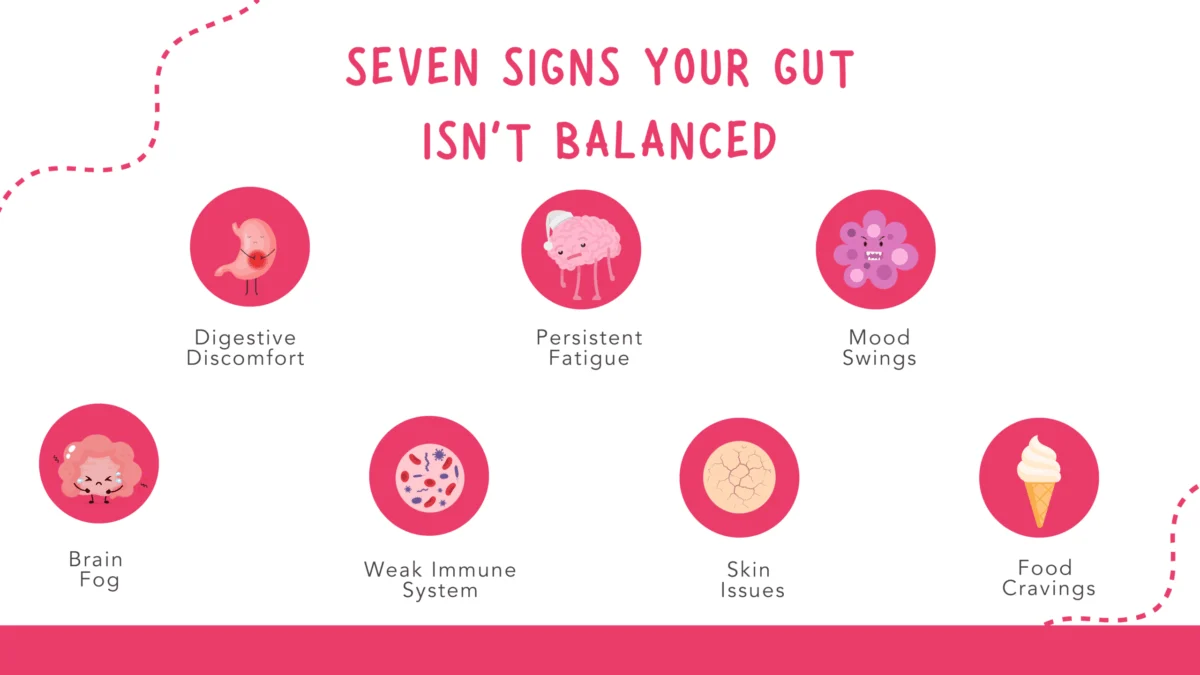
Clinical observations and nutritional studies have identified seven recurring symptoms that suggest a significant imbalance in the intestinal flora. These signs often appear gradually, but their cumulative effect can significantly diminish a patient’s quality of life.
1. Chronic Digestive Irregularity
The most immediate signs of gut imbalance are localized within the digestive tract itself. Frequent occurrences of bloating, flatulence, constipation, or diarrhea are indicative of a microbiome struggling to process nutrients and manage waste. Dysbiosis often leads to the overgrowth of pathogenic bacteria which ferment food prematurely, producing excess gas and altering bowel motility. Tools such as the Bristol Stool Scale are frequently utilized by clinicians to help patients categorize these irregularities and determine the severity of their digestive dysfunction.
2. Persistent Fatigue and Sleep Disturbances
The correlation between gut health and energy levels is supported by significant clinical data. Research published in journals such as Microbiome suggests that a large percentage of individuals suffering from chronic fatigue syndrome also exhibit markers of Irritable Bowel Syndrome (IBS). In fact, studies indicate that approximately 60% of people with chronic fatigue report concurrent digestive issues. This link is often attributed to the gut’s role in producing melatonin and regulating the body’s circadian rhythms; an imbalanced gut can lead to poor sleep quality and subsequent daytime exhaustion.
3. Neurological and Mood Fluctuations
The gut-brain axis represents a bidirectional communication network between the central nervous system and the enteric nervous system. A staggering 95% of the body’s serotonin—a neurotransmitter responsible for mood regulation—is synthesized in the gut. Consequently, an imbalance in gut bacteria can lead to a reduction in serotonin production, potentially resulting in increased anxiety, irritability, and depressive symptoms. Scientific consensus increasingly views the microbiome as a critical factor in mental health management.
4. Excessive Cravings for Refined Sugars
Microbes in the gut have evolved mechanisms to influence host behavior to ensure their own survival. Certain yeast species and pathogenic bacteria thrive on simple sugars. When these populations become dominant, they can trigger intense cravings for processed carbohydrates and sweets, creating a feedback loop that further nourishes harmful bacteria while suppressing beneficial strains.
5. Dermatological Manifestations
The "gut-skin axis" is a well-documented phenomenon in dermatology. Inflammation originating in the gut due to poor diet or "leaky gut" (increased intestinal permeability) can manifest externally as eczema, acne, or rosacea. When the intestinal barrier is compromised, pro-inflammatory cytokines enter the bloodstream and can affect the skin’s natural defense mechanisms and regenerative properties.
6. Compromised Immune Resilience
Approximately 70% to 80% of the human immune system is localized within the gut-associated lymphoid tissue (GALT). A healthy microbiome trains immune cells to distinguish between foreign pathogens and the body’s own tissues. When the microbiome is out of balance, the immune system may become sluggish or overactive, leading to frequent infections, such as the common cold, or the development of autoimmune responses.
7. Cognitive Impairment or "Brain Fog"
Cognitive "brain fog"—characterized by confusion, forgetfulness, and a lack of mental clarity—is frequently a byproduct of gut inflammation. Metabolites produced by an unhealthy microbiome can cross the blood-brain barrier, affecting neurotransmission and cognitive processing speed. Addressing gut health is often a primary recommendation for individuals seeking to improve focus and mental performance.
A Chronology of Microbiome Research and Public Awareness
The transition of gut health from a niche wellness topic to a pillar of modern medicine has followed a distinct historical trajectory.
- Early 20th Century: Nobel laureate Elie Metchnikoff first proposed that "putrefactive" bacteria in the gut could be suppressed by consuming fermented milk, laying the groundwork for probiotic research.
- 2007: The National Institutes of Health (NIH) launched the Human Microbiome Project (HMP). This five-year, $115 million initiative aimed to characterize the microbial communities found at several different sites on the human body.
- 2012-2017: The second phase of the HMP provided deeper insights into how the microbiome changes during pregnancy, inflammatory bowel disease, and type 2 diabetes.
- 2020-Present: Post-pandemic health trends have accelerated consumer interest in "immunity-first" nutrition, placing gut health at the center of the global $1.5 trillion wellness market.
Supporting Data and Economic Implications
The impact of gut health extends beyond individual well-being into the realm of public health and economics. According to data from the American Gastroenterological Association, digestive disorders affect an estimated 60 to 70 million Americans. The economic burden of these conditions, including direct medical costs and lost productivity, is estimated to exceed $136 billion annually in the United States alone.
Furthermore, the "fiber gap" remains a significant public health challenge. The Academy of Nutrition and Dietetics recommends a daily fiber intake of 25 grams for women and 38 grams for men. However, data suggests that 95% of Americans fail to meet these requirements. This deficiency is a primary driver of the rising rates of dysbiosis and metabolic syndrome in Western populations.
Clinical Responses and Therapeutic Strategies
Medical professionals and registered dietitians are increasingly adopting an "integrative" approach to restoring gut balance. This methodology moves beyond symptom management to address the root causes of microbial disruption.
Dietary Intervention and Prebiotic Loading
The primary strategy for microbiome restoration involves the strategic use of fiber. Soluble fiber (found in oats and citrus) and insoluble fiber (found in whole grains and vegetables) serve as prebiotics—non-digestible compounds that nourish beneficial bacteria. Specialized superfruits, such as the African Baobab, have gained attention in clinical nutrition for their high concentration of prebiotic fiber, vitamin C, and antioxidants, which support both the mucosal lining and the growth of Bifidobacterium.
The Role of Fermented Foods
Traditional fermentation processes introduce live beneficial cultures into the digestive system. Clinical studies have shown that regular consumption of yogurt, kefir, sauerkraut, and kombucha can increase microbial diversity. These "nature-derived probiotics" are often recommended as a baseline dietary habit for maintaining intestinal equilibrium.
Targeted Probiotic Supplementation
While whole foods are foundational, certain life stages or medical events—such as antibiotic treatments, pregnancy, or chronic stress—may necessitate high-potency supplementation. Modern probiotic formulations are now designed with "survivability" in mind, ensuring that live strains like Lactobacillus rhamnosus and Bifidobacterium lactis can bypass stomach acid to reach the lower intestine. The market has seen a shift toward "4-in-1" support systems that address digestive, immune, vaginal, and cognitive health simultaneously.
Broader Impact and Future Outlook
The implications of gut health research are poised to reshape the future of personalized medicine. We are moving toward an era of "precision nutrition," where stool analysis and microbial mapping could allow doctors to prescribe specific bacterial strains or dietary plans tailored to an individual’s unique microbiome profile.
Analysis of current trends suggests that the global probiotic market will continue its upward trajectory, projected to reach a valuation of over $100 billion by 2030. This growth reflects a fundamental shift in the healthcare paradigm: moving away from reactive treatments and toward proactive, microbiome-centered maintenance.
In conclusion, the signs of an imbalanced gut are the body’s early warning system. By interpreting these signals—ranging from persistent fatigue to skin conditions—and responding with evidence-based nutritional strategies, individuals can significantly mitigate the risk of chronic disease and enhance their systemic vitality. The integration of high-fiber diets, fermented foods, and scientifically formulated probiotics remains the gold standard for achieving and maintaining internal biological harmony.
