

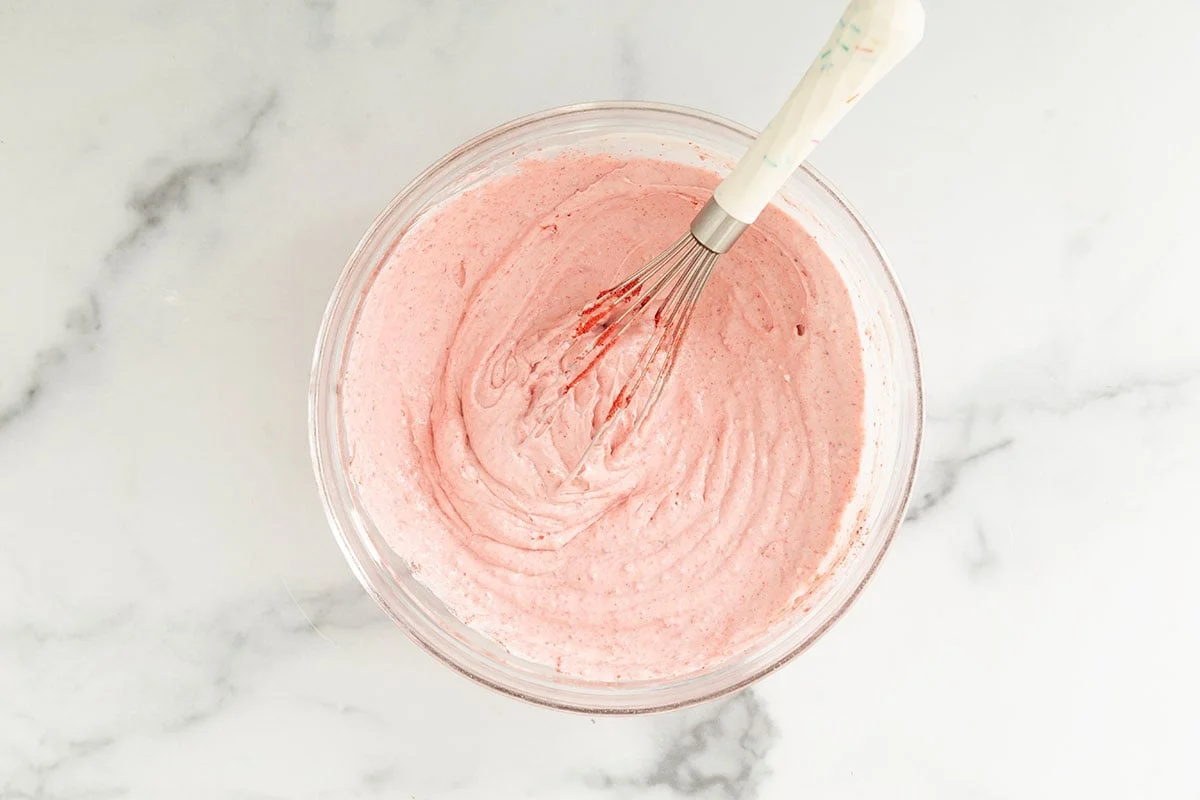
The modern culinary landscape for children’s nutrition is undergoing a significant transformation, driven by a growing demand for "clean-label" treats that balance palatability with dietary responsibility. At the forefront of this movement is the Strawberry Cheesecake Ice Cream, a dessert profile that leverages high-protein bases and innovative fruit preservation techniques to deliver a premium sensory experience with a fraction of the sugar found in traditional commercial frozen desserts. By utilizing a strategic combination of Greek yogurt, cream cheese, and freeze-dried fruit, this recipe represents a shift away from high-fructose corn syrup-laden products toward nutrient-dense, home-prepared alternatives.
The Evolution of Pediatric Nutrition and Home-Made Desserts
For decades, the standard for children’s frozen treats was defined by high sugar content, artificial colorants, and stabilizers. However, recent data from the World Health Organization (WHO) and the American Academy of Pediatrics (AAP) have emphasized the need to limit added sugars to less than 10% of total daily caloric intake for children. This medical consensus has spurred a domestic revolution in the kitchen, where parents are increasingly assuming the role of "food scientists" to recreate classic flavors like strawberry cheesecake in a healthier format.
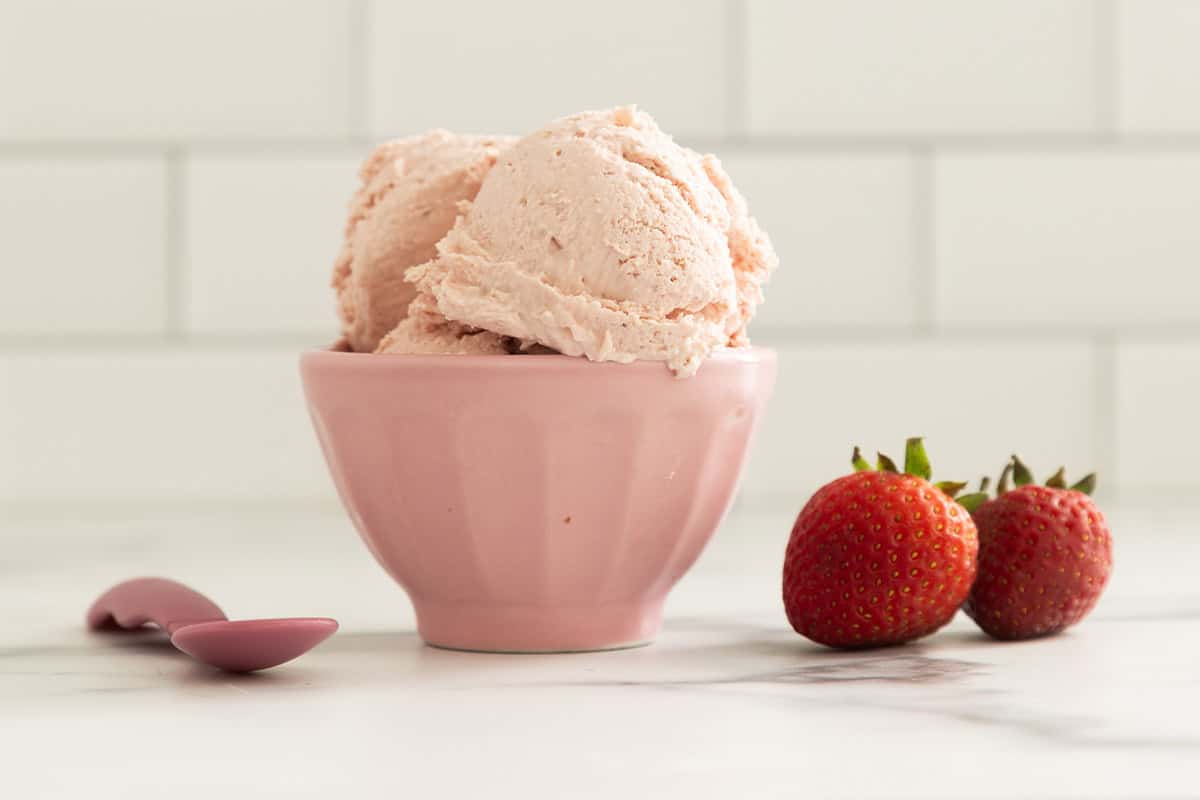
The Strawberry Cheesecake Ice Cream recipe is a direct response to this need. It bypasses the traditional custard-based ice cream method—which requires tempered egg yolks and significant cooking time—in favor of a cold-process assembly. This evolution in preparation reflects a broader societal trend toward "fast-health" solutions: recipes that provide immediate gratification and high nutritional value without the labor-intensive requirements of 20th-century gourmet cooking.
Technical Specifications and Ingredient Synergy
The success of this specific ice cream formulation lies in the chemical interaction between its core components. Unlike traditional ice cream, which relies on heavy cream and sugar to achieve a smooth mouthfeel, this version utilizes the structural properties of Greek yogurt and cream cheese.
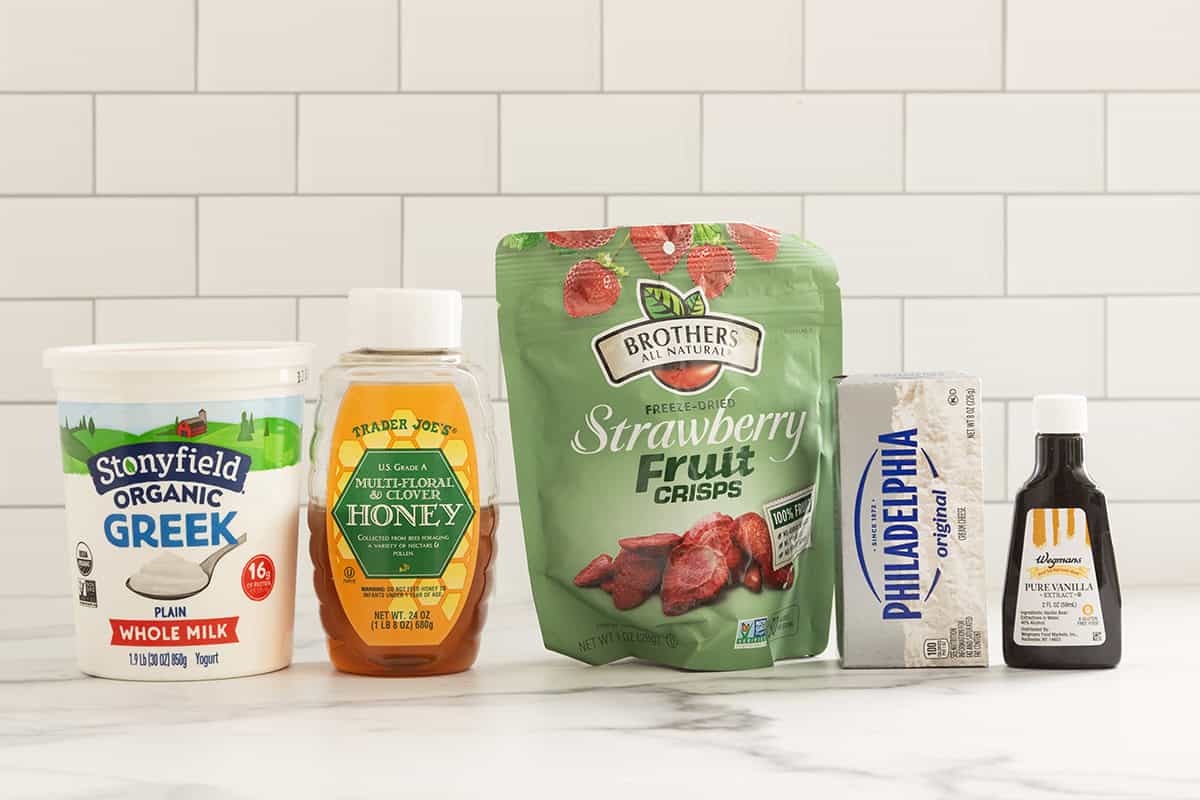
- Greek Yogurt as a Structural Base: Greek yogurt provides a high-protein foundation (6g per serving) and a natural acidity that mimics the tang of a traditional cheesecake. The straining process used to create Greek yogurt removes excess whey, resulting in a thicker consistency that aids in the aeration process during freezing.
- Cream Cheese for Lipid Density: To achieve the "creamy" descriptor essential for ice cream, the recipe incorporates cream cheese. This provides the necessary milk fats (13g total fat per serving) to coat the palate and prevent the dessert from feeling "thin" or "icy."
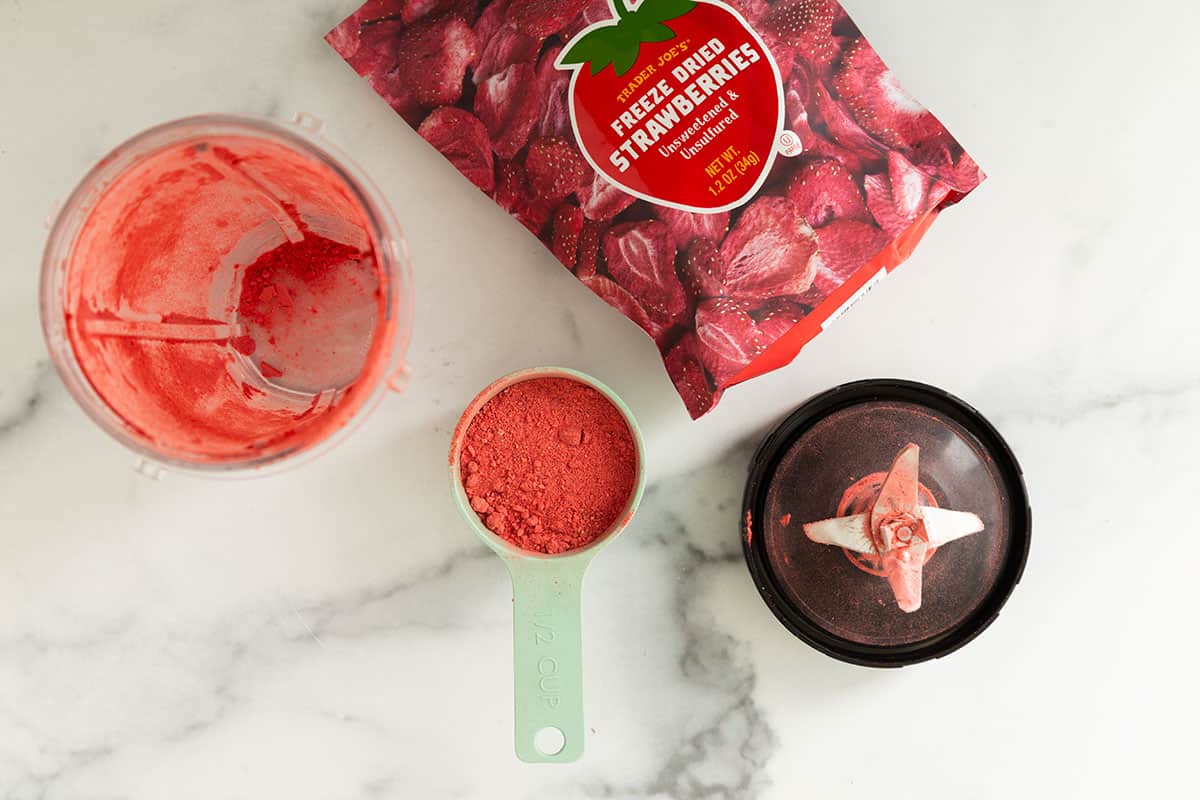
- The Freeze-Dried Advantage: Perhaps the most critical technical aspect of this recipe is the use of freeze-dried strawberries. Traditional fresh strawberries have a water content exceeding 90%. When added to a frozen mixture, this water migrates and forms large ice crystals, leading to a gritty texture. Freeze-drying removes the moisture while concentrating the cellular structure and flavor of the berry. By grinding these into a fine powder, the cook introduces intense flavor and a natural pink hue without compromising the emulsion’s stability.
Chronology of Preparation and Process Optimization
The methodology for producing Strawberry Cheesecake Ice Cream is designed for maximum efficiency, categorized into four distinct phases:
- Phase 1: Micronization of Fruit: The process begins with the mechanical grinding of freeze-dried strawberries. Using a high-speed blender, the berries are reduced to a fine powder. This ensures an even distribution of flavor throughout the dairy base, preventing the "clumping" often associated with whole-fruit additions.
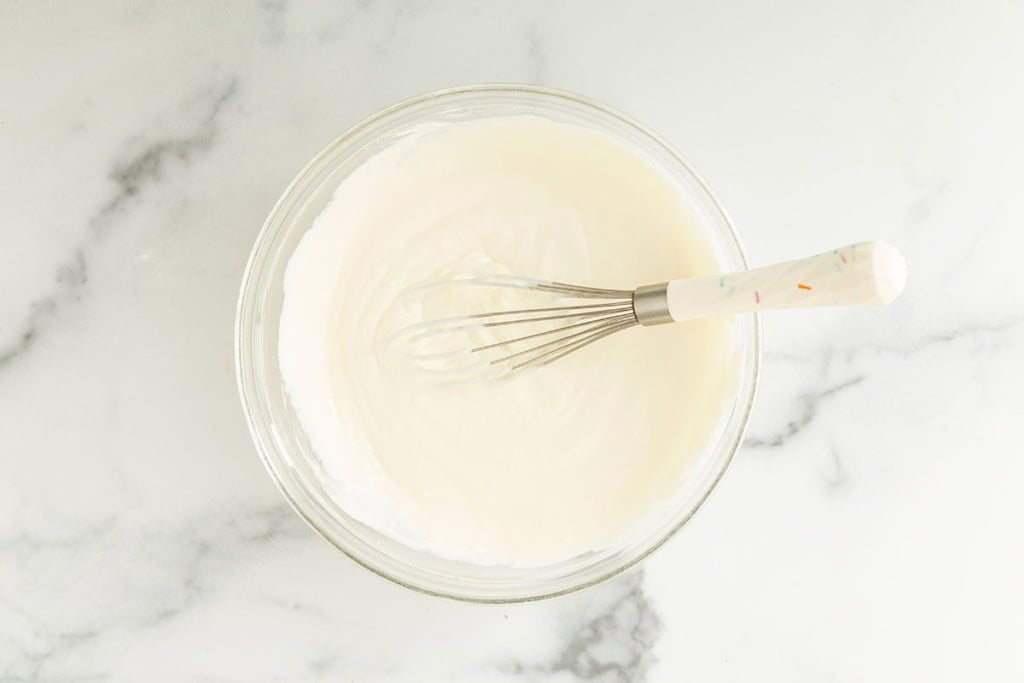
- Phase 2: Emulsification of Dairy: In a separate vessel, the Greek yogurt, cream cheese, vanilla extract, and minimal sweetener are whisked. The goal here is a homogenous mixture where the cream cheese is fully integrated, ensuring no lumps remain.
- Phase 3: Integration and Stabilization: The strawberry powder is folded into the dairy emulsion. This is the point where the color develops and the mixture thickens further as the dry fruit powder absorbs a small amount of the residual moisture from the yogurt.
- Phase 4: Thermal Reduction: The mixture is transferred to a freezer-safe container. Unlike commercial ice cream, which is churned to incorporate air (overrun), this home-style version relies on the density of its ingredients to maintain a "scoopable" texture.
Comparative Nutritional Benchmarking
To understand the impact of this recipe, it must be viewed through the lens of comparative nutritional data. A standard 1/2 cup serving of premium commercial strawberry cheesecake ice cream often contains upwards of 250–300 calories and 25 grams of sugar. In contrast, the Strawberry Cheesecake Ice Cream analyzed here presents a significantly leaner profile:
- Calories: 194 kcal
- Total Sugar: 12g (largely derived from lactose and natural fruit sugars)
- Protein: 6g
- Vitamin C: 58mg (representing a substantial portion of the Daily Value for children)
- Calcium: 75mg
The inclusion of 509 IU of Vitamin A and 58mg of Vitamin C elevates this from a "discretionary calorie" food to a functional snack. The high protein-to-sugar ratio is particularly beneficial for toddlers and school-aged children, as it promotes satiety and prevents the rapid blood-glucose spikes associated with traditional sweets.
Market Trends: The Rise of "Healthy" Frozen Alternatives
Industry analysts have noted a sharp uptick in the "better-for-you" frozen dessert category. Market research indicates that the global dairy-free and low-sugar ice cream market is expected to grow at a compound annual growth rate (CAGR) of over 8% through 2030. While much of this growth is in the retail sector, the DIY (Do-It-Yourself) segment is seeing a parallel surge.
The popularity of recipes like Strawberry Cheesecake Ice Cream is bolstered by the "clean label" movement—a consumer-driven demand for food with recognizable ingredients. By making ice cream at home, parents eliminate exposure to carrageenan, guar gum, and polysorbate 80, which are common industrial stabilizers. This recipe serves as a template for a broader category of "cheesecake-style" frozen yogurts that can be adapted with various freeze-dried fruits, such as blueberries or raspberries.
Expert Perspectives and Dietary Implications
Pediatric dietitians have weighed in on the importance of such recipes in the context of early childhood development. "The goal isn’t to eliminate desserts entirely, but to redefine what a dessert is," says a clinical nutritionist specializing in pediatric care. "By using a yogurt and cheese base, we are delivering bone-building calcium and muscle-building protein. When you use freeze-dried fruit, you’re also keeping the fiber and antioxidant profile intact."
Furthermore, the flexibility of the sweetener—allowing for the use of date paste or even no added sugar—makes the recipe accessible for families managing specific metabolic conditions or those following strict "no added sugar" protocols for children under the age of two.
Broader Societal Impact and Future Outlook
The democratization of high-quality, health-conscious recipes through digital platforms has empowered the average consumer to bypass the industrial food complex. The Strawberry Cheesecake Ice Cream is more than a simple recipe; it is an artifact of a culture that is increasingly skeptical of processed foods and more invested in the long-term health outcomes of the next generation.
As we look toward the future, the integration of functional foods—such as probiotics from yogurt and phytonutrients from berries—into traditional dessert formats will likely become the standard rather than the exception. This recipe provides a roadmap for how flavor and nutrition can coexist, ensuring that the "easiest method" also becomes the healthiest choice.
In conclusion, the Strawberry Cheesecake Ice Cream stands as a benchmark for modern home cooking. It addresses the technical challenges of frozen fruit desserts through the clever use of freeze-dried ingredients, offers a superior nutritional profile compared to its commercial counterparts, and aligns with global health trends prioritizing reduced sugar and increased protein. For the modern parent, it offers a rare trifecta: ease of preparation, kid-friendly appeal, and nutritional integrity. As the culinary world continues to evolve, such recipes will remain essential tools in the pursuit of a balanced and healthy lifestyle for the youngest consumers.
