

The culinary landscape for modern households is increasingly defined by the intersection of convenience and customization, a trend exemplified by the rising popularity of "semi-homemade" recipes that prioritize speed without sacrificing palatability. Among these, the Pizza Crescent Roll has emerged as a quintessential solution for parents seeking efficient toddler meals and hosts requiring rapid-response appetizers. By utilizing refrigerated dough as a structural foundation, this dish reduces the traditional pizza-making process from hours of proofing and kneading to a streamlined preparation time of less than 20 minutes.
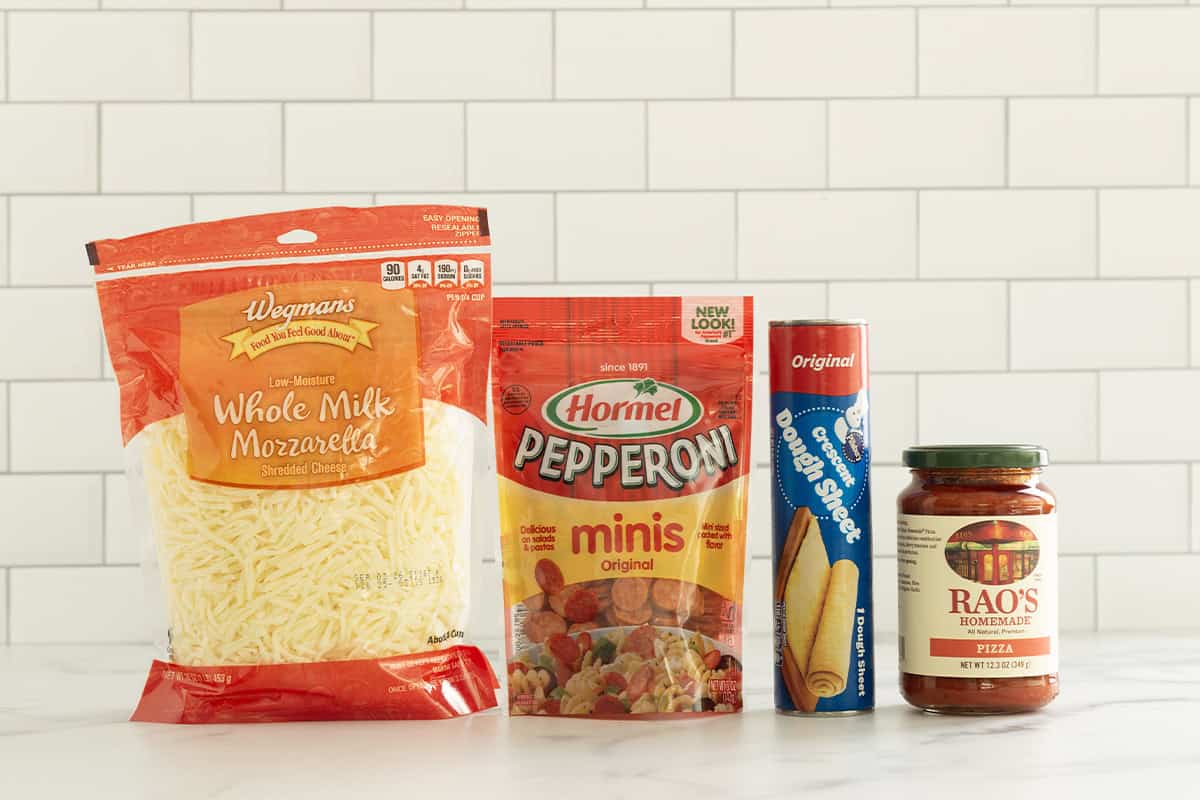
The appeal of this specific preparation lies in its architectural simplicity. At its core, the dish consists of refrigerated crescent roll triangles, marinara or pizza sauce, and shredded mozzarella cheese. However, its true value within a family’s meal rotation is its role as a "blank canvas," allowing for the inclusion of varied proteins and vegetables that can be tailored to the specific dietary requirements or sensory preferences of children. As household schedules become more compressed, the ability to deliver a warm, nutritionally balanced meal in the time it takes for a standard oven to preheat represents a significant evolution in domestic food preparation.
The Evolution of the Quick-Fix Family Meal
The development of the Pizza Crescent Roll can be traced back to the broader "pizza-adjacent" snack movement that gained momentum in the late 20th century. Traditionally, pizza was a labor-intensive endeavor or an outsourced luxury. With the commercialization of refrigerated dough products in the mid-1960s, home cooks began experimenting with the versatile, buttery medium of the crescent roll. This led to a variety of "pinwheel" and "roll-up" iterations, eventually culminating in the current standardized recipe that mimics the flavor profile of a classic pizza while adopting the portable, handheld form of a croissant.
Market research indicates that the refrigerated dough segment of the food industry has seen sustained growth, with consumers citing "time-saving" as the primary driver for purchase. In a landscape where both parents often work outside the home, the "20-minute meal" has moved from a convenience to a necessity. The Pizza Crescent Roll fits perfectly into this niche, providing a sense of "cooking from scratch" while leveraging industrial efficiencies to handle the most time-consuming elements of baking.
Nutritional Composition and Dietary Balance
From a nutritional perspective, the Pizza Crescent Roll provides a moderate caloric intake suitable for young children and active adults. A standard serving of two rolls contains approximately 200 calories, with a macronutrient breakdown of 17 grams of carbohydrates, 6 grams of protein, and 13 grams of fat. While the sodium content—approximately 540mg per serving—reflects the processed nature of the dough and cheese, the recipe’s flexibility allows for strategic nutritional enhancements.
Dietitians often recommend pairing these rolls with high-fiber sides to create a more balanced glycemic response. Suggested accompaniments include:
- Fresh Vegetables: Sliced cucumbers or bell peppers provide hydration and vitamin C.
- Fiber-Rich Legumes: Warmed peas or edamame add plant-based protein and dietary fiber.
- Roasted Greens: Roasted frozen broccoli, which can be prepared simultaneously in many ovens, offers a textural contrast and essential micronutrients like Vitamin K and folate.
- Fruit Components: Cinnamon-infused apples can serve as a digestive aid and a naturally sweet conclusion to the meal.
By integrating these sides, the Pizza Crescent Roll transitions from a simple snack to a foundational component of a comprehensive nutritional strategy.
Technical Preparation: A Step-by-Step Chronology
The success of the Pizza Crescent Roll depends on a specific sequence of assembly to ensure the structural integrity of the dough and the proper melting of the interior components.
Phase 1: Preparation and Mise en Place
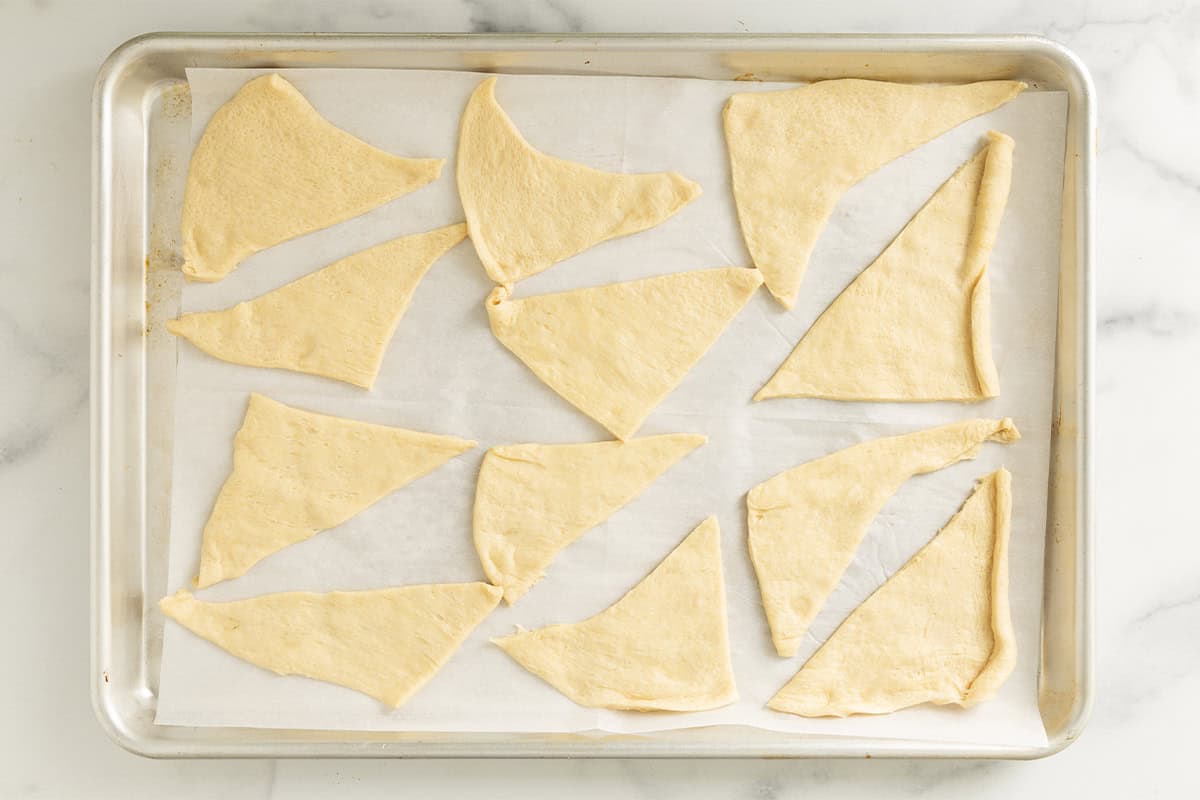
The process begins with preheating the oven to the temperature specified on the dough packaging, typically between 350°F and 375°F. Preparing a baking sheet with parchment paper or a silicone mat is a critical step to prevent the cheese from adhering to the metal surface during the melting process.
Phase 2: Assembly and Layering
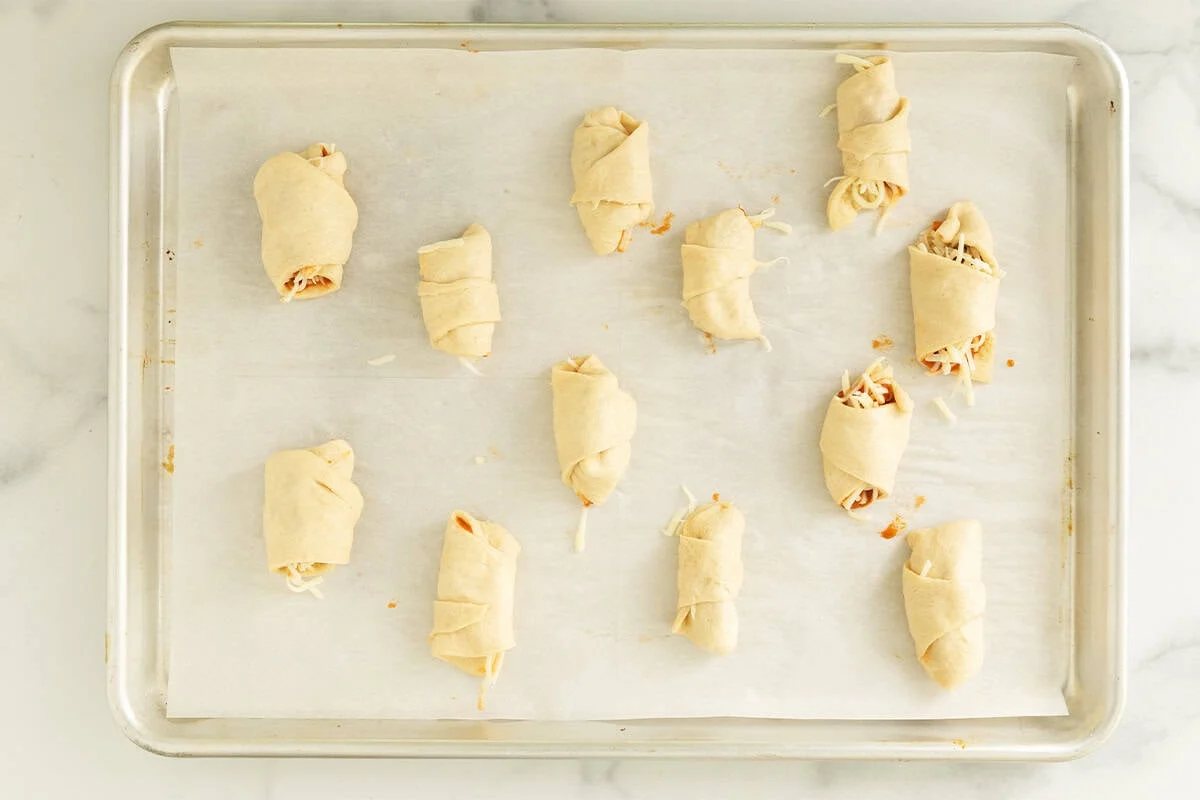
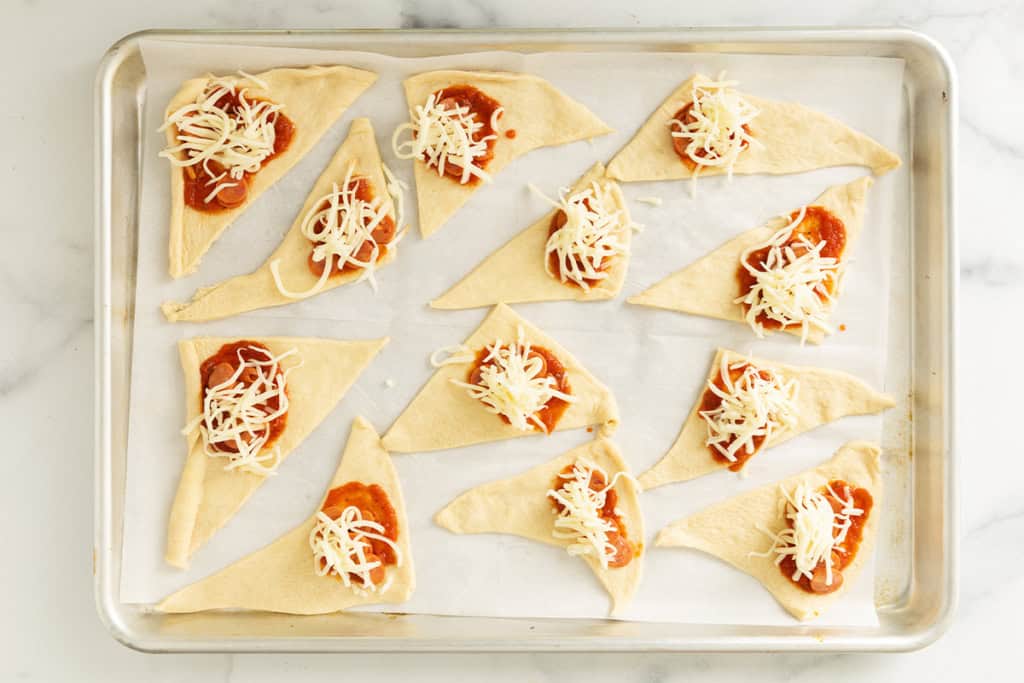
Once the dough is unrolled and separated into its natural triangular segments, the "toppings" are applied to the widest end of the triangle. This placement is strategic; it ensures that as the dough is rolled toward the point, the fillings are encased in multiple layers of dough, preventing "leakage" or "blowouts" during the expansion phase in the oven.
Phase 3: The Rolling Technique
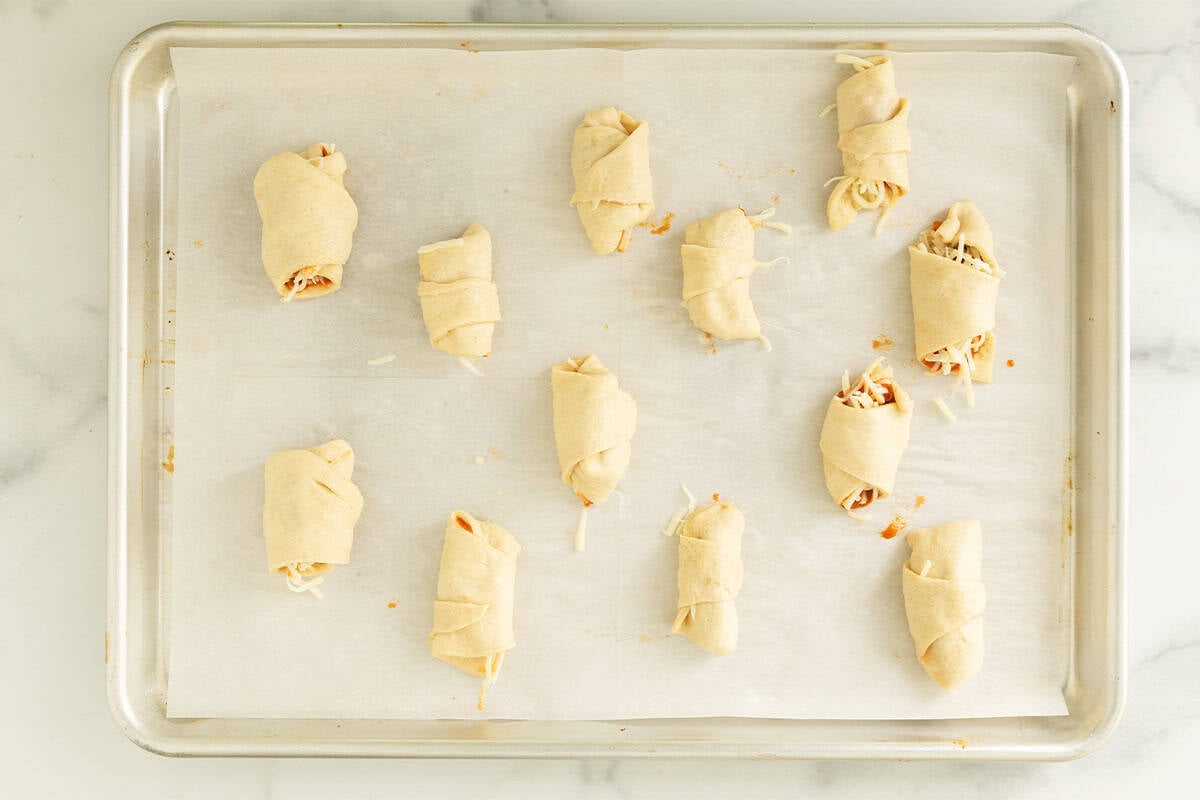
The rolling process must be firm but gentle. For those adding more complex ingredients—such as finely diced bell peppers, mushrooms, or pre-cooked bacon—pinching the edges of the crescent after rolling can act as a secondary seal. This step is particularly important for maintaining the aesthetic appeal of the final product.
Phase 4: Thermal Processing
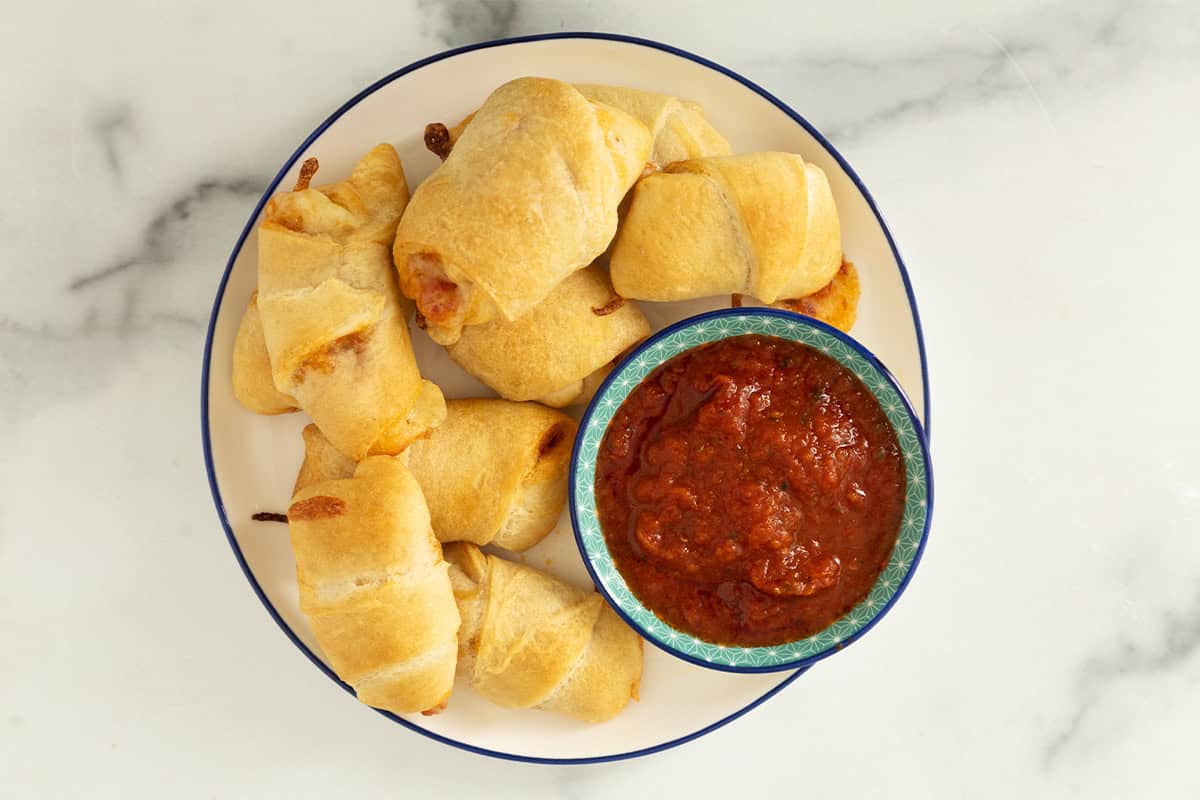
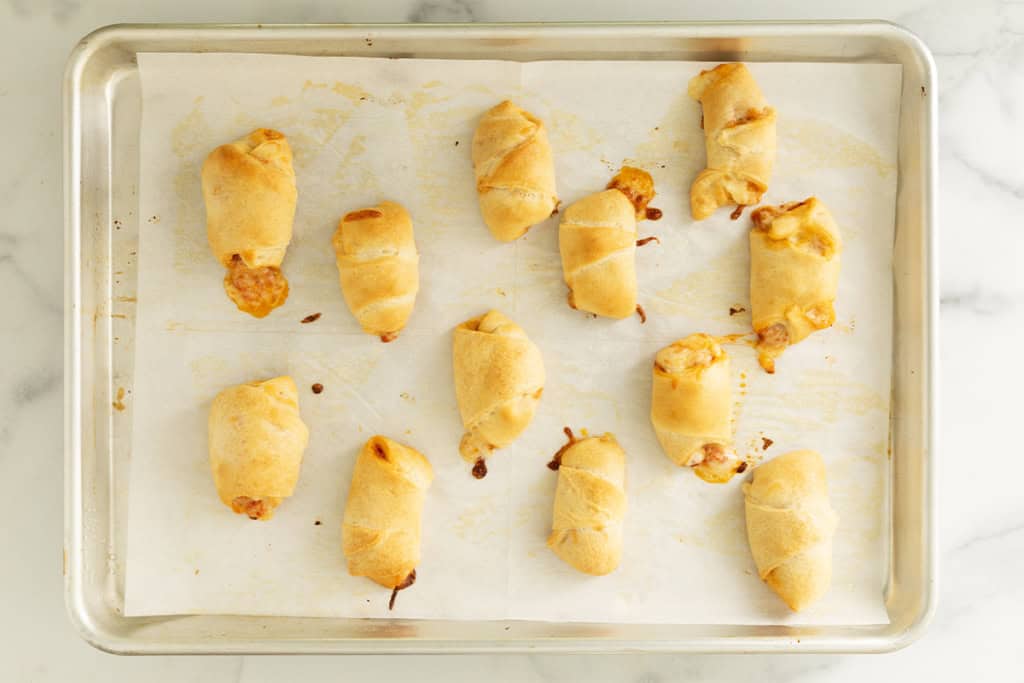
Baking typically requires 10 to 12 minutes. The objective is to reach the "GBD" state—Golden, Brown, and Delicious. During this time, the fats in the dough layers melt and create a flaky texture, while the internal cheese reaches a molten state, bonding with the sauce.
Customization and Addressing the "Picky Eater" Phenomenon
One of the most significant challenges in pediatric nutrition is the "picky eating" phase, often occurring between the ages of two and five. The Pizza Crescent Roll serves as an effective "gateway food" because of its familiar flavor profile and manageable size. Because each roll is prepared individually, parents can involve children in the assembly process, a tactic known in child psychology as "food exposure therapy."
When children participate in adding their own toppings—whether it be a single piece of pepperoni or a sprinkle of spinach—they develop a sense of agency over their meal, which statistically increases the likelihood of consumption. Furthermore, the rolls can be adapted for various dietary restrictions:
- Vegetarian Options: Utilizing plant-based cheeses and an array of roasted vegetables.
- Meat-Heavy Iterations: Incorporating finely minced sausage or ham for higher protein density.
- Dairy-Free Adjustments: Substituting traditional mozzarella with cashew-based or oil-based vegan shreds.
Economic Implications and Household Management
In addition to its nutritional and psychological benefits, the Pizza Crescent Roll is a cost-effective meal solution. The primary ingredients—refrigerated dough, a jar of marinara, and a bag of shredded cheese—are shelf-stable or have long refrigerated lifespans. This allows households to keep the components on hand for "emergency" meals when fresh groceries are low or time is exceptionally tight.
Storage data suggests that these rolls are highly conducive to meal prepping. Once cooled, they can be stored in an airtight container in the refrigerator for up to five days. For long-term management, they can be frozen for up to six months. The reheating process is equally efficient; utilizing a toaster oven or air fryer at 325°F for 2–3 minutes restores the crispness of the outer crust, a feat that traditional microwave reheating often fails to achieve.
Broader Impact on Modern Food Culture
The rise of recipes like the Pizza Crescent Roll reflects a broader shift in food culture toward "functional cooking." While gourmet, slow-food movements continue to thrive in certain demographics, the average consumer is looking for a middle ground between the "ultra-processed" frozen dinner and the "from-scratch" artisanal meal.
This dish represents a hybrid approach. It uses industrial shortcuts (the dough) to enable a fresh, home-assembled outcome. It also highlights the importance of "finger foods" in developmental milestones. For toddlers, the ability to grasp, hold, and dip a crescent roll into a side of sauce helps refine fine motor skills and hand-eye coordination.
Conclusion: The Future of Convenient Family Dining
As we look toward the future of domestic culinary trends, the emphasis on versatility and speed is unlikely to diminish. The Pizza Crescent Roll, while seemingly simple, is a sophisticated response to the logistical pressures of the modern family. It provides a reliable, scalable, and customizable framework that can evolve as a child’s palate matures.
By prioritizing ease of assembly and a short baking window, this recipe ensures that even on the most chaotic days, a warm and satisfying meal remains an achievable goal. The enduring popularity of this dish serves as a testament to the fact that in the realm of family dining, the most successful innovations are often those that take a familiar concept and make it just a little bit easier to manage. Whether served as a quick Tuesday night dinner or a crowd-pleasing appetizer at a social gathering, the Pizza Crescent Roll remains a staple of the contemporary kitchen.
