

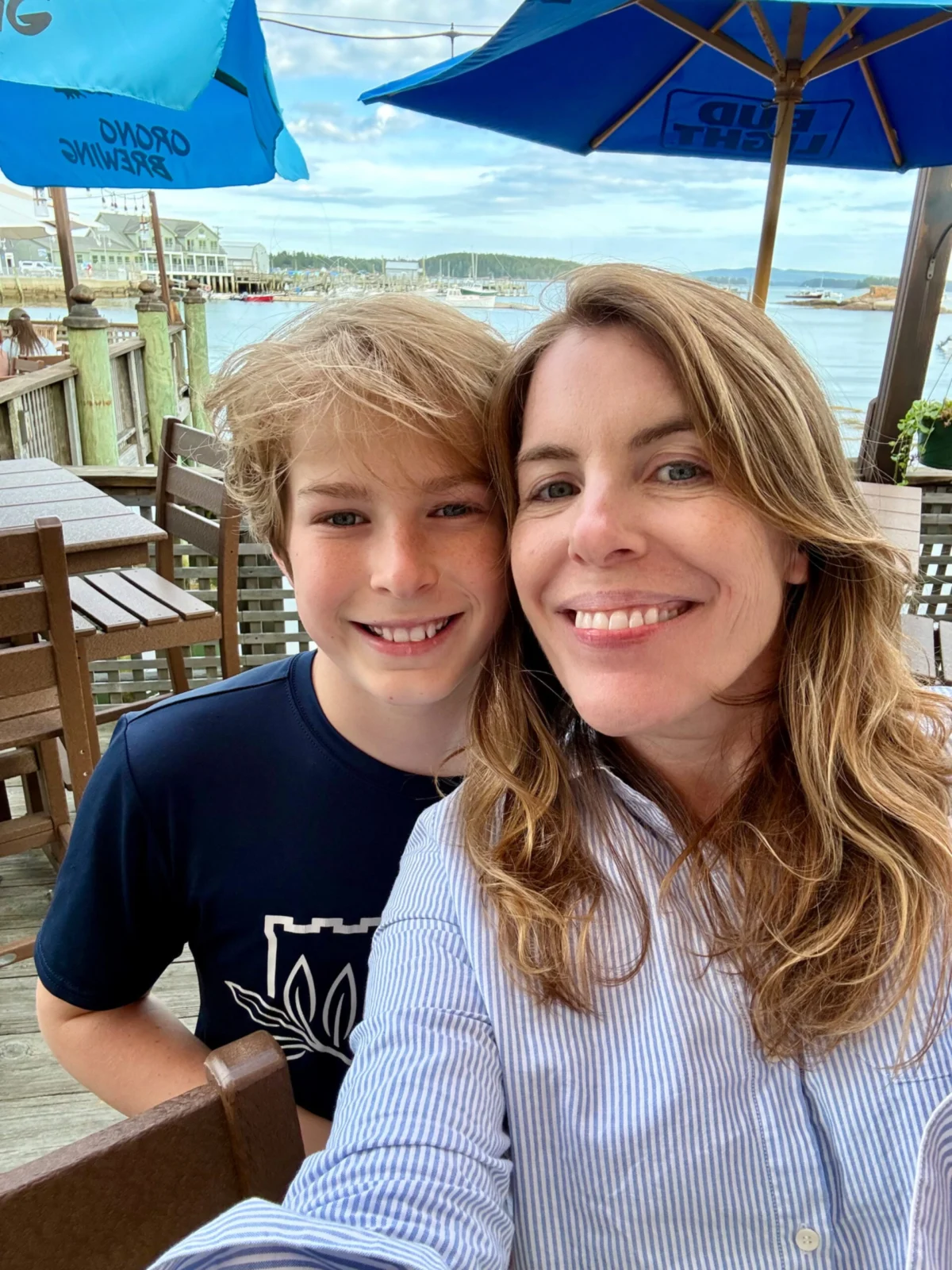
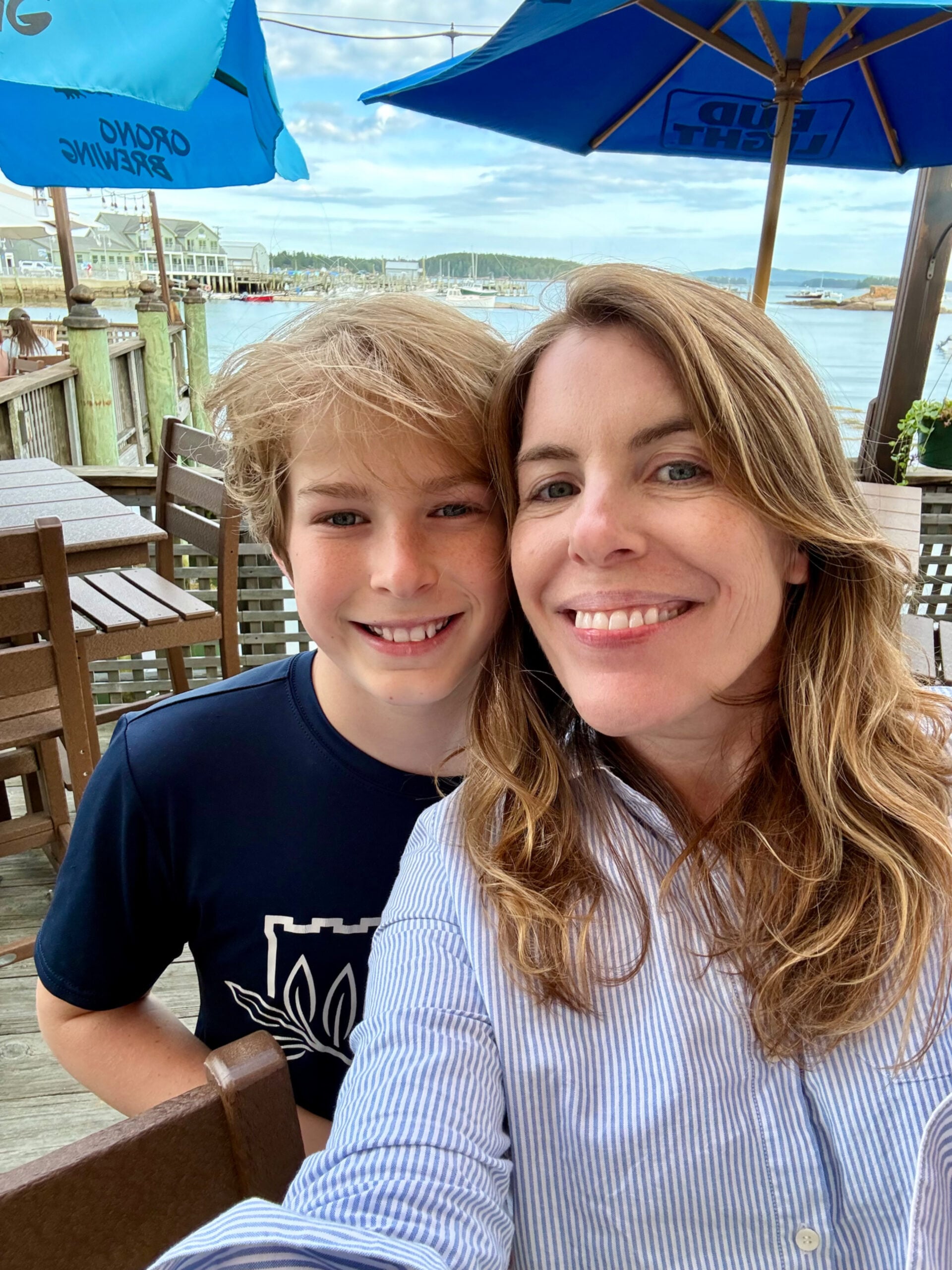
The state of Maine continues to experience a significant surge in domestic tourism, driven by a growing demand for nature-based travel among residents of major metropolitan corridors such as New York City and Boston. As the 2026 summer travel season reaches its midpoint, a detailed analysis of travel patterns in the Midcoast and Down East regions reveals a strategic shift toward experiential tourism, characterized by a combination of high-end culinary experiences, outdoor recreation, and a deep engagement with the state’s rugged coastal geography. This trend is exemplified by a recent case study of a multi-day excursion involving travelers from Brooklyn, New York, who sought refuge in Maine’s wilderness to counteract the pressures of urban density.
Regional Economic Impact and the Culinary Landscape
The economic vitality of Maine’s coastal communities is increasingly tied to the intersection of luxury hospitality and local food systems. A primary destination for high-value travelers is Deer Isle, home to the Aragosta at Goose Cove. Under the leadership of Chef-Owner Devin Finigan, the establishment has become a cornerstone of the regional economy. Finigan, a James Beard Award-nominated chef, utilizes a seasonal tasting menu model that integrates local seafood and agricultural products, thereby supporting a network of small-scale producers.
During the 2026 season, hospitality experts have noted that breakfast programs at such boutique hotels have become a significant draw. The use of hyper-local ingredients, such as Maine wild blueberries—a crop that contributes over $250 million annually to the state’s economy—serves as a primary marketing tool. For travelers transitioning from an urban environment, these culinary touchpoints provide an immediate sensory connection to the landscape, facilitating a psychological shift from city life to the "Maine pace."

Chronology of Seasonal Exploration: From Blue Hill to Stonington
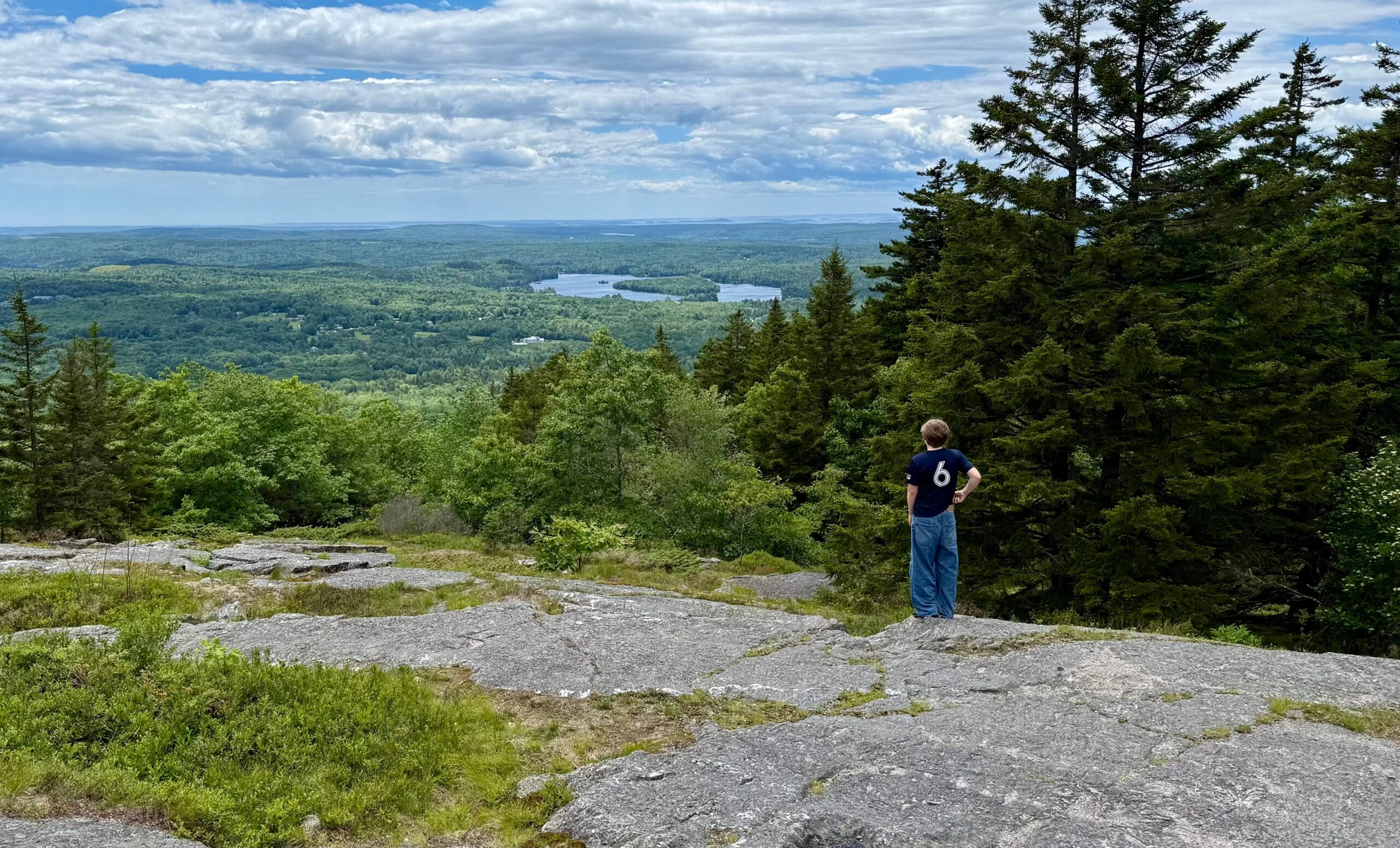
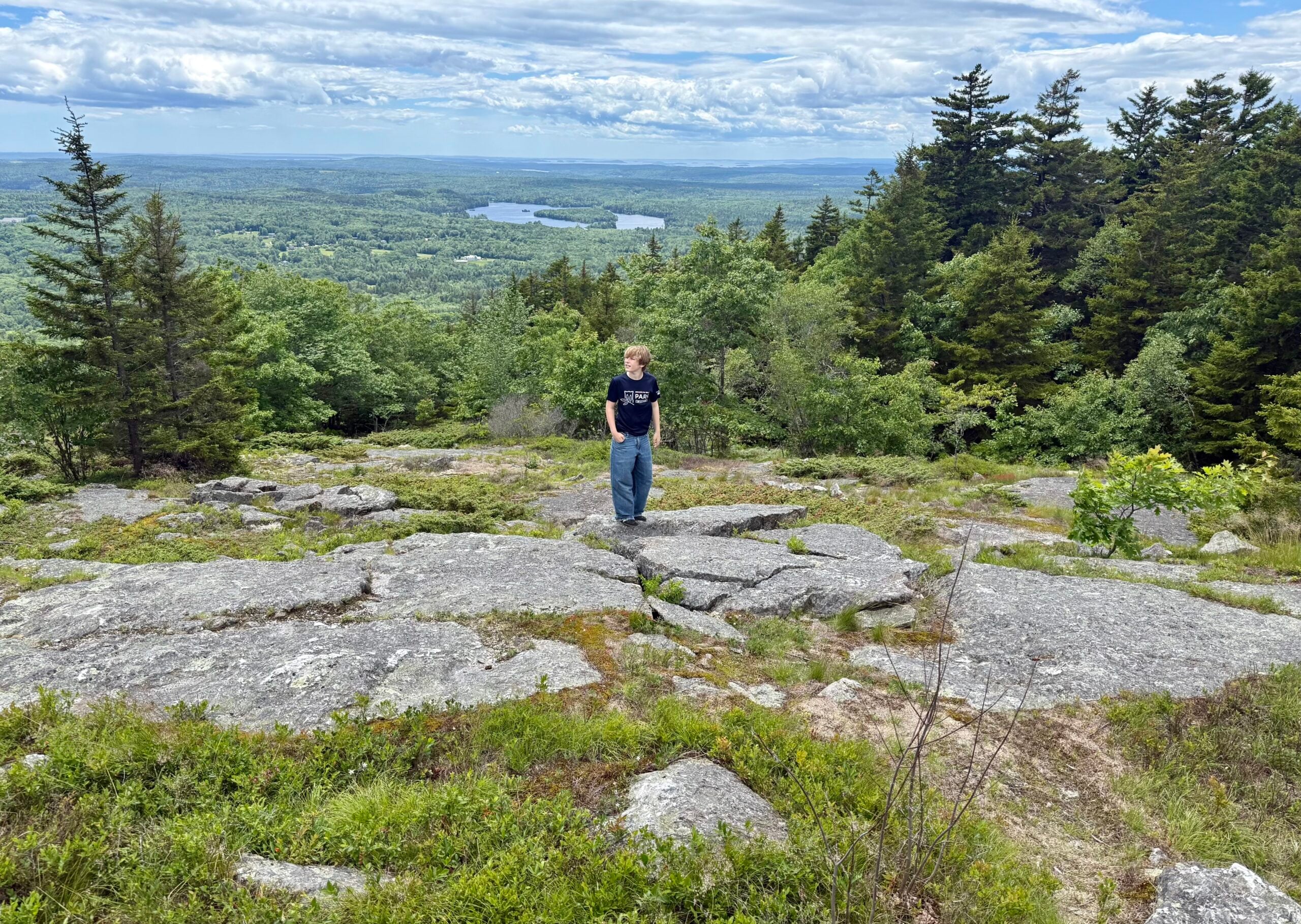
The itinerary of the modern Maine traveler often prioritizes physical activity followed by communal dining. Following an initial stay in Deer Isle, the 2026 travel data indicates a high volume of traffic toward Blue Hill Mountain. This landmark, managed by the Blue Hill Heritage Trust, offers a manageable yet rewarding ascent that provides panoramic views of Mount Desert Island and the surrounding archipelago. Such trails are critical components of the state’s "recreation infrastructure," which accounts for approximately 3.9% of Maine’s GDP, one of the highest percentages in the United States.

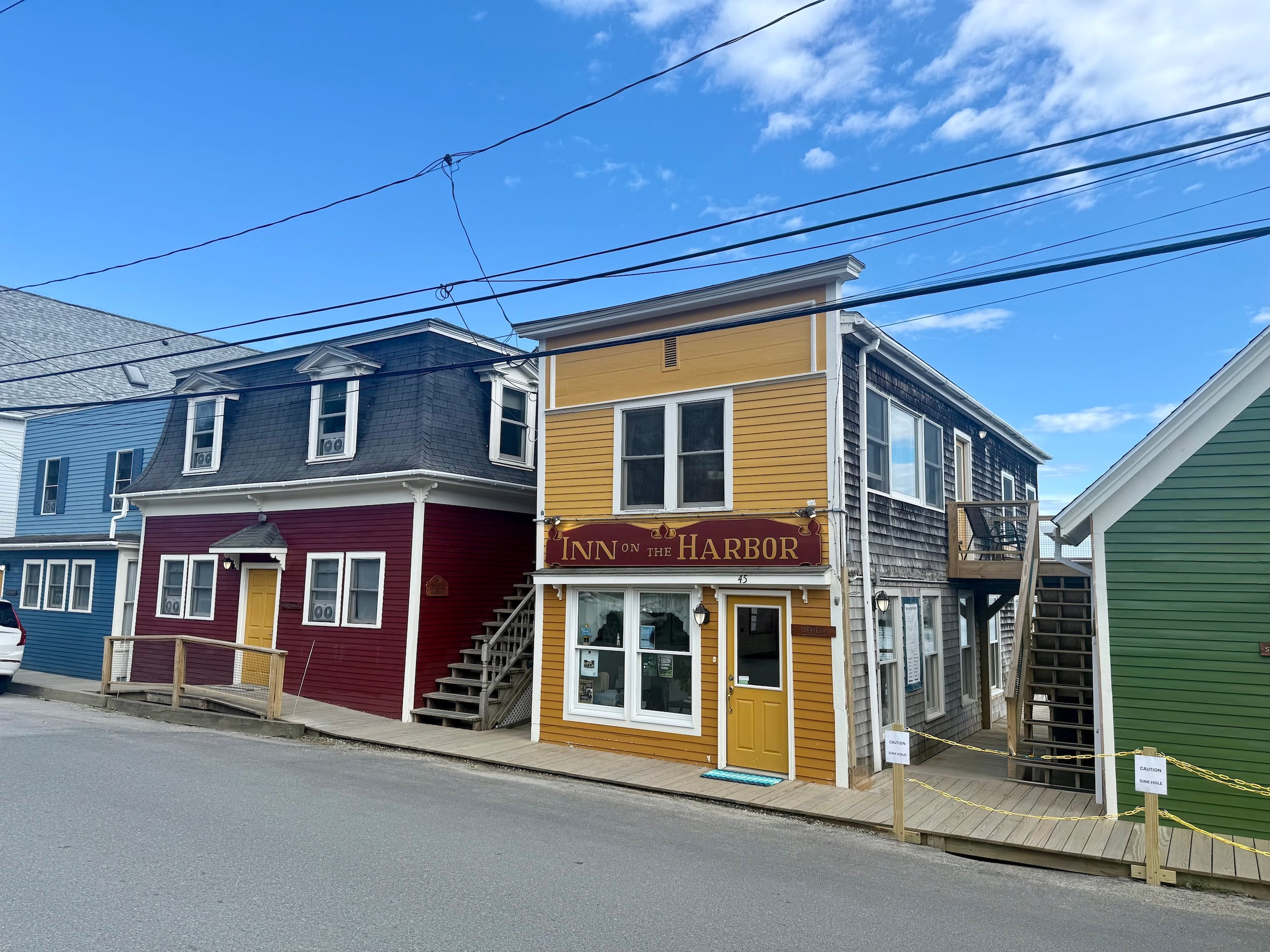
In the afternoon, travel patterns typically shift toward the fishing village of Stonington. Located at the southern tip of Deer Isle, Stonington remains the most productive lobster port in the state of Maine. The village serves as a dual-purpose hub: a working waterfront for the commercial fishing industry and a destination for "authentic" coastal tourism.

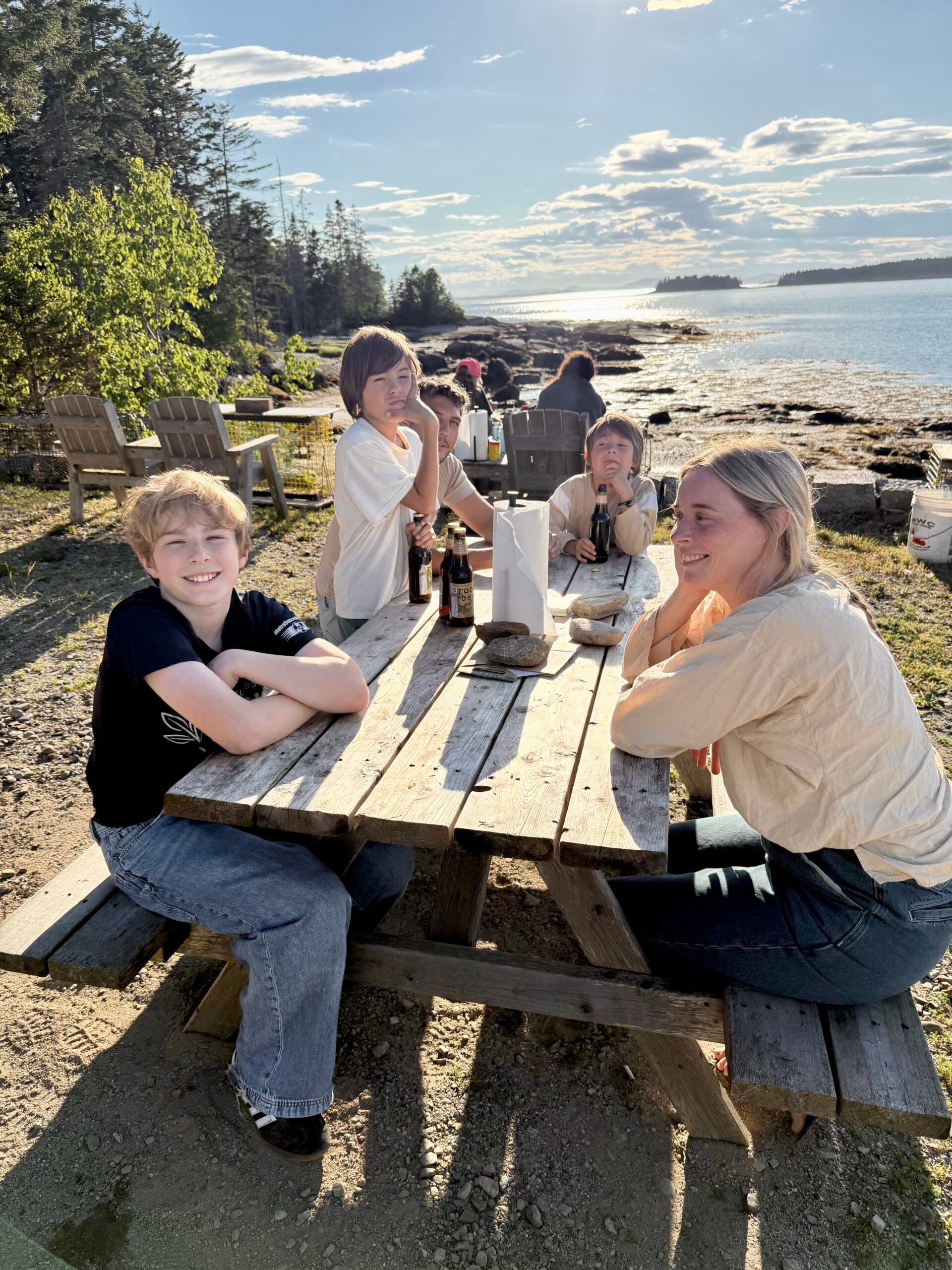
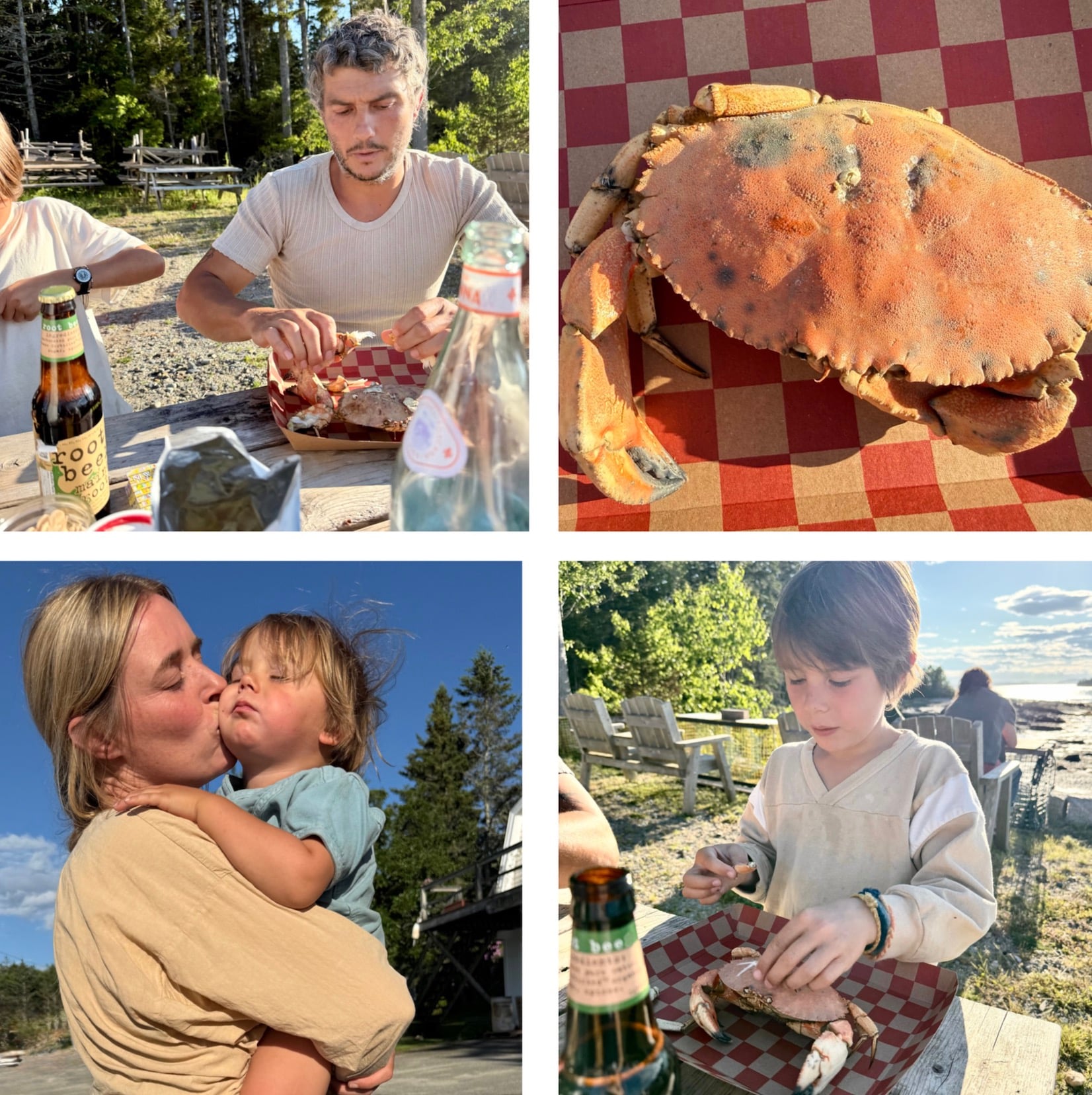
A key highlight of the regional social calendar is the communal lobster boil, an event that blends traditional Maine culture with modern tourism. Establishments like the Burnt Cove Boil have formalized this experience. The process involves a structured sequence of consumption—typically beginning with local crab, followed by corn on the cob, and culminating in Maine lobster. This ritual is often described by hospitality analysts as "education-based dining," where visitors learn the technical skills of shelling seafood from local experts. This interaction between visitors and residents is cited by the Maine Office of Tourism as a vital factor in maintaining the state’s brand as the "Pine Tree State."
Infrastructure Challenges and Crowding in Acadia National Park
As the travel sequence moves eastward toward Mount Desert Island, the logistical challenges of the 2026 season become more apparent. Acadia National Park, which consistently ranks among the top ten most visited national parks in the United States, has faced significant congestion issues. In recent years, the National Park Service (NPS) has implemented vehicle reservation systems for popular sites like Cadillac Mountain to mitigate the impact of over-tourism.
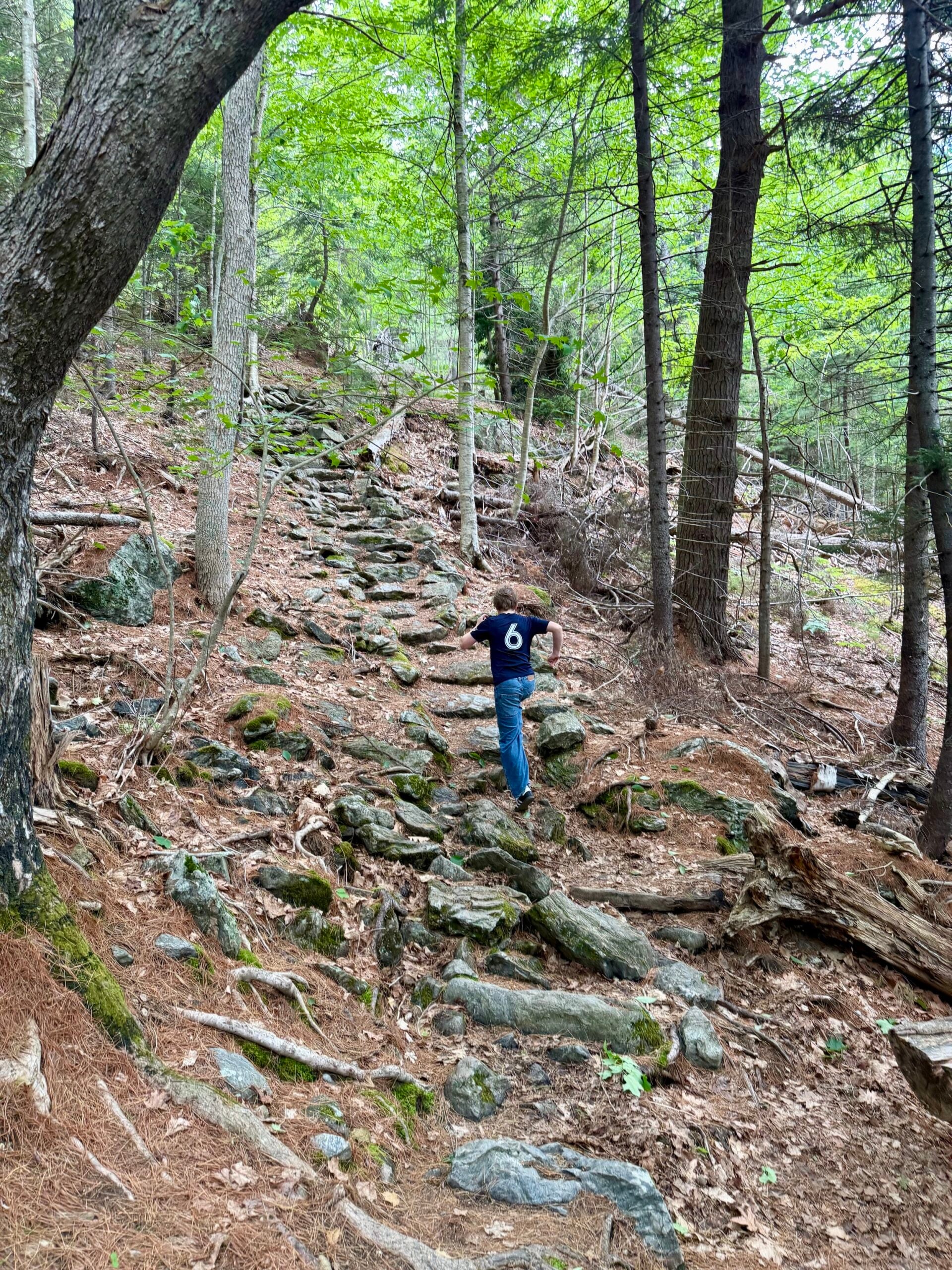
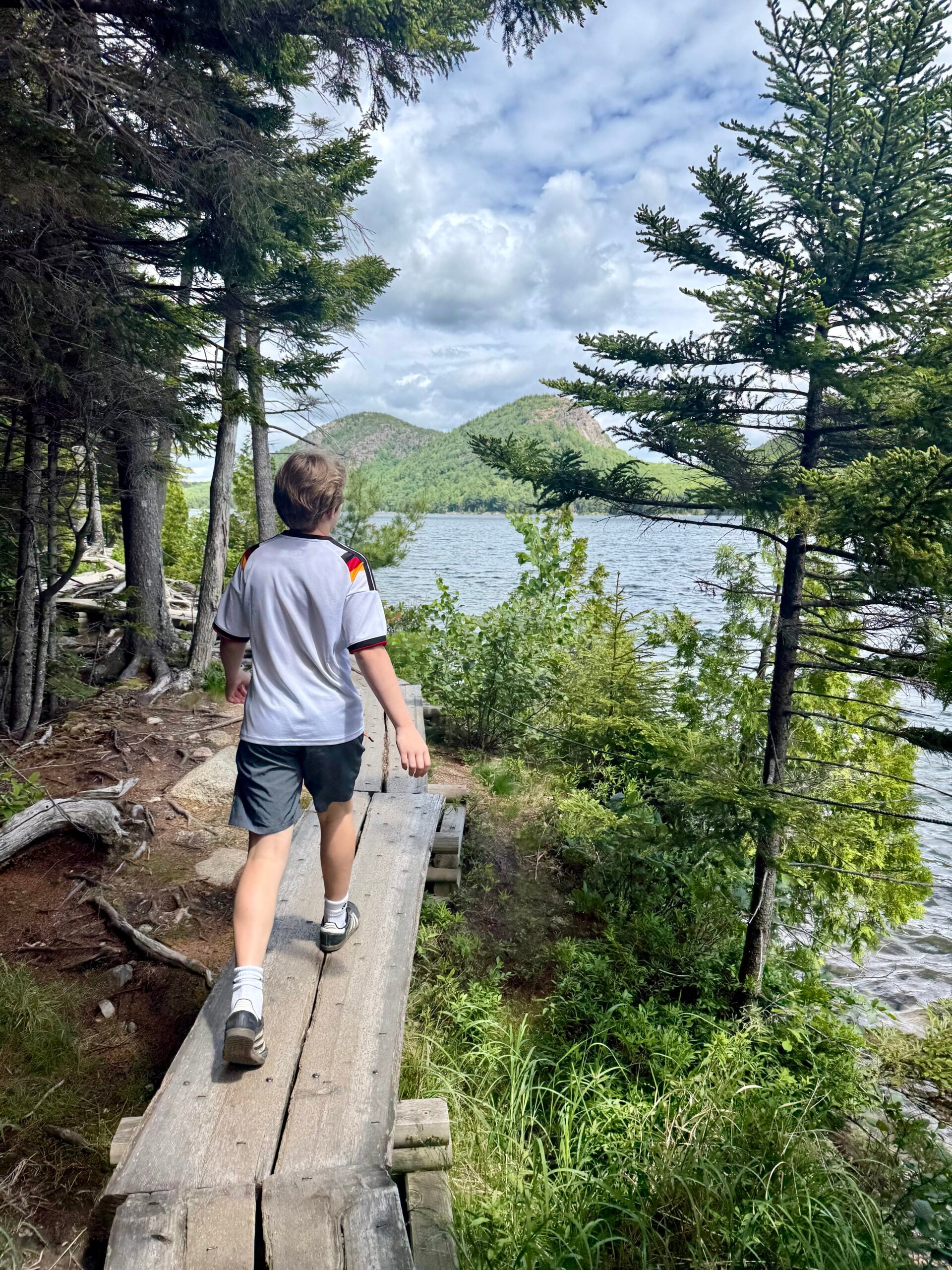
Reports from the field during the current season indicate that even secondary trailheads can reach capacity early in the day, leading to long queues for entry. However, travelers who employ a "distributed recreation" strategy—seeking out less-trafficked areas such as the perimeter of Jordan Pond—report higher satisfaction levels. Jordan Pond, famous for its clear waters and the "Bubbles" (two iconic glacial mountains), remains a focal point for those seeking a quiet, contemplative experience.
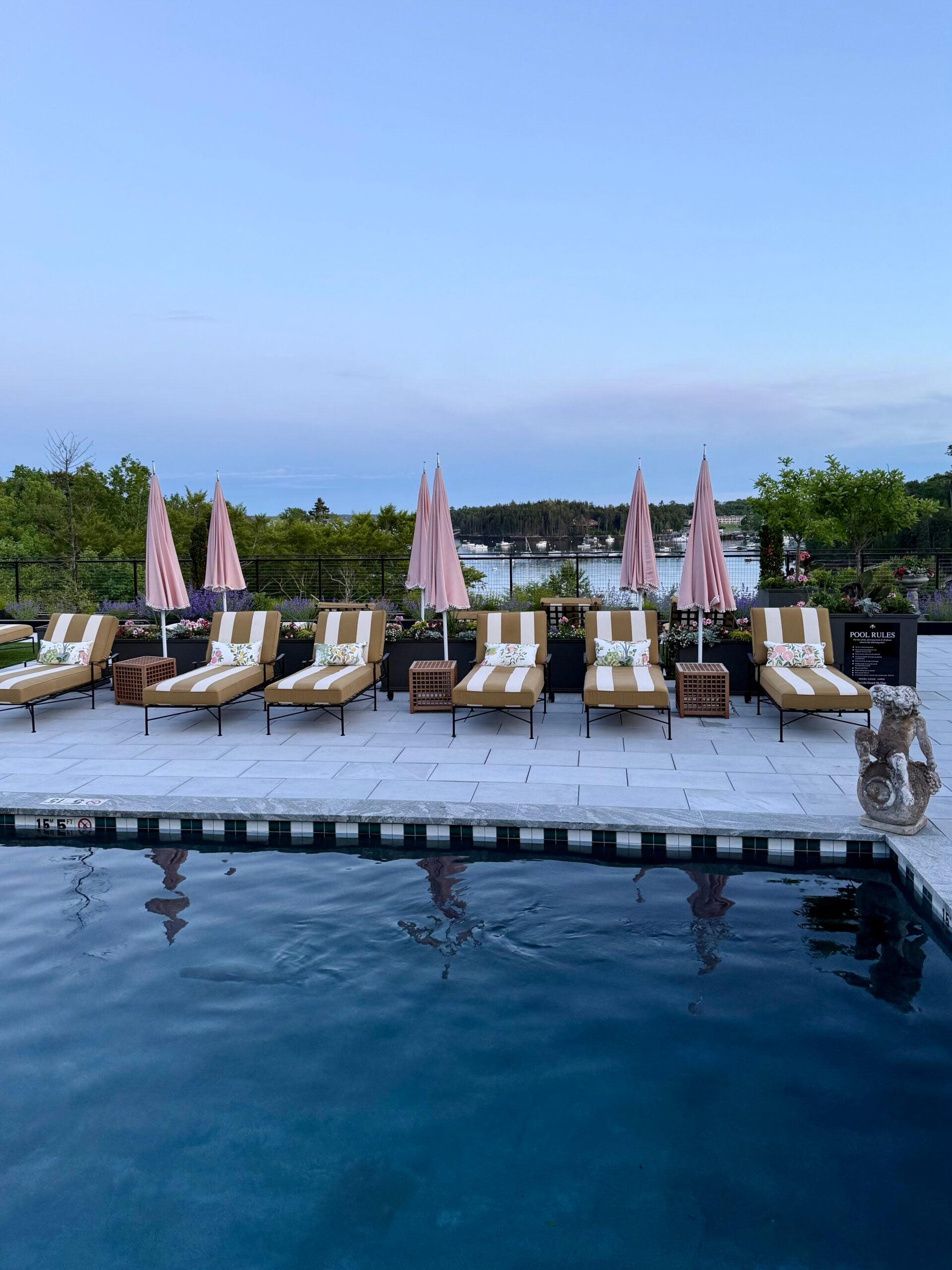
The proximity of historic lodging, such as the Asticou Inn in Northeast Harbor, provides a strategic base for these explorations. Built in 1883, the Asticou Inn represents the "Grand Dame" era of Maine resorts. Its continued operation in 2026 underscores the enduring appeal of traditional Shingle Style architecture and the preservation of the "summer colony" atmosphere that defined the region in the late 19th century.
The Psychological and Social Implications of Nature-Based Travel
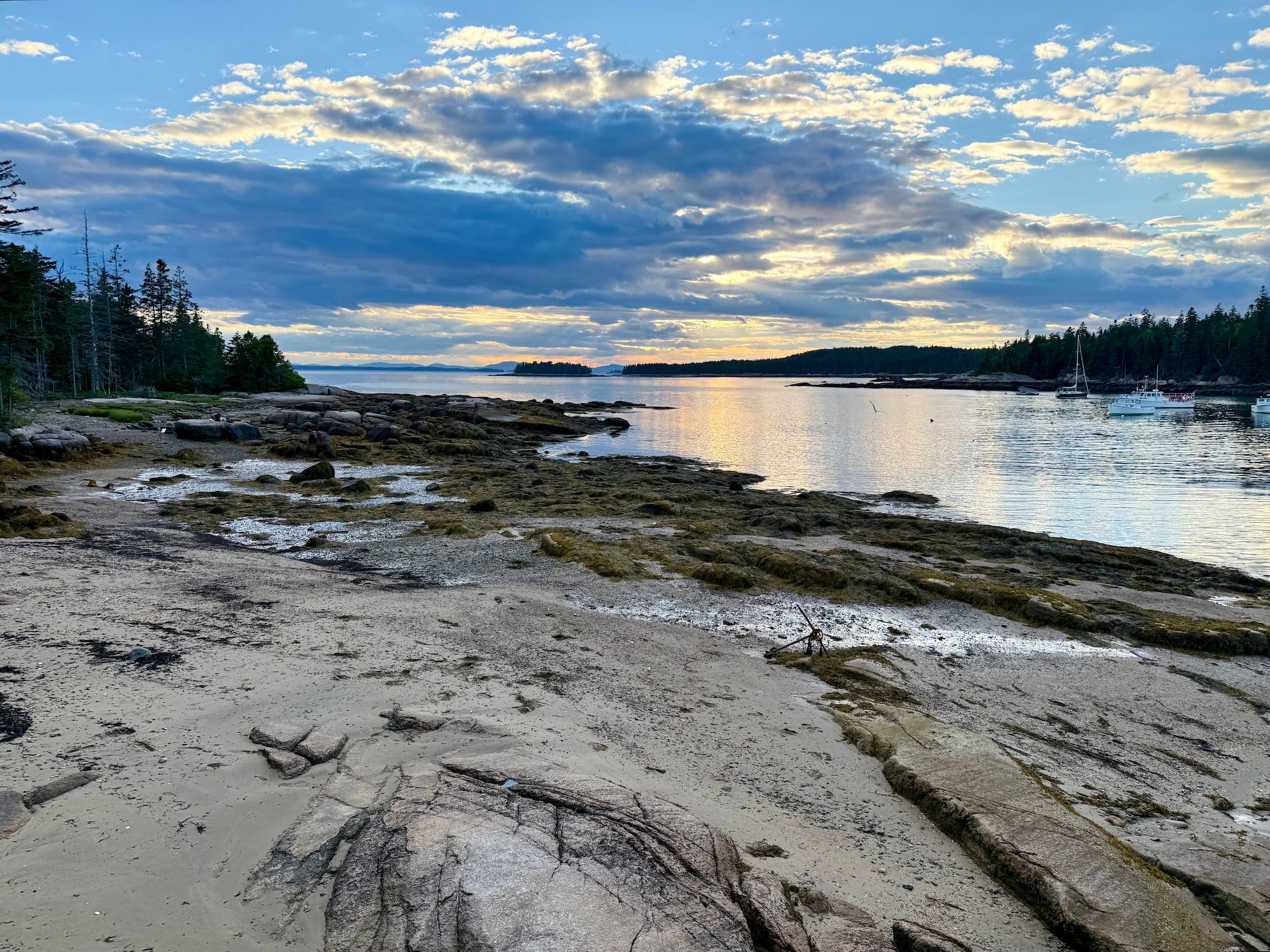
The motivation for this specific travel demographic is often rooted in the concept of "nature restoration." For adolescents raised in high-density environments like New York City, the transition to Maine’s environment—characterized by woods, lakes, and rocky coastlines—serves a critical developmental function. Psychologists have long noted the benefits of "Green Exercise" and the reduction of "Nature Deficit Disorder" through immersive outdoor experiences.
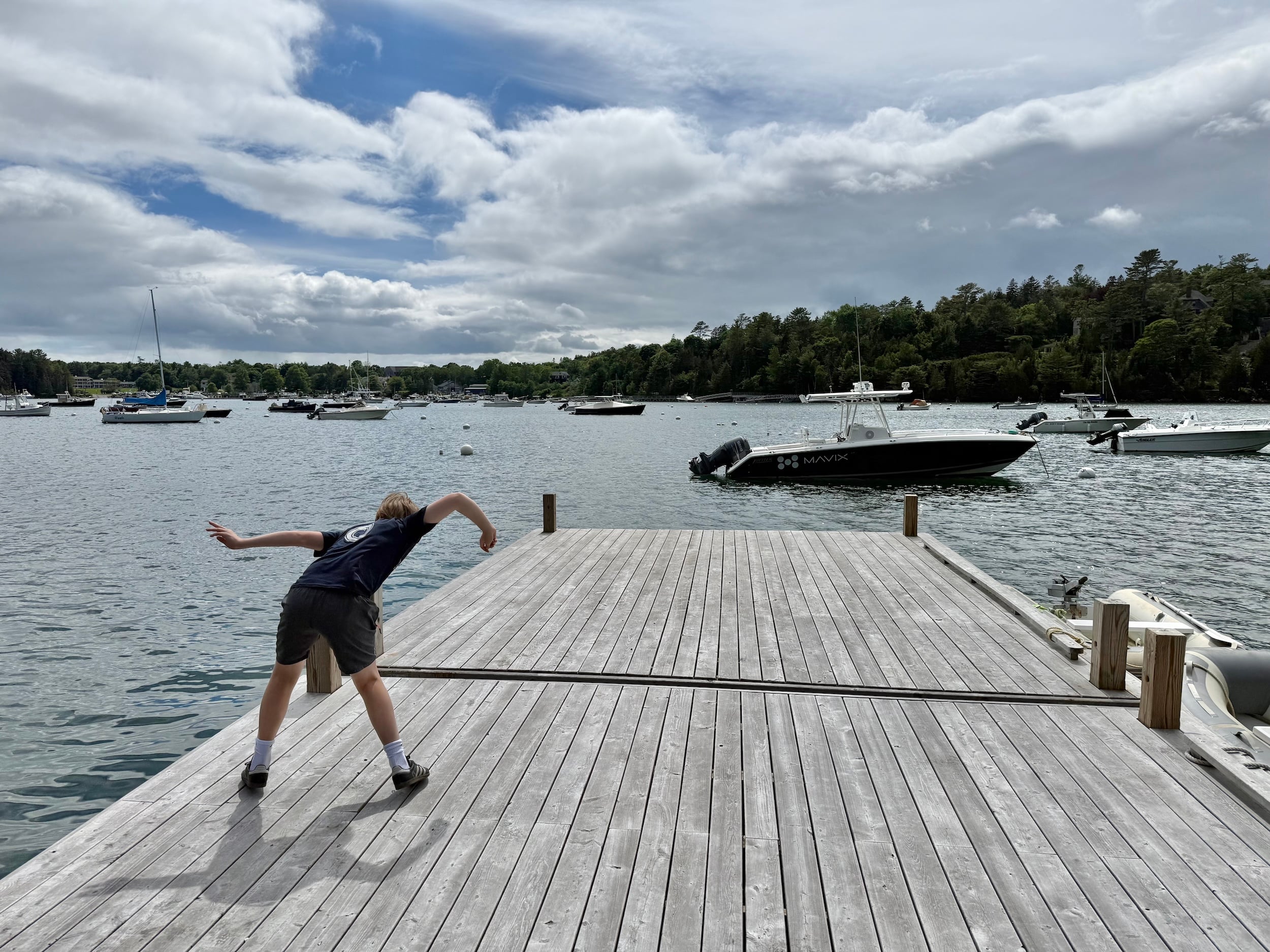
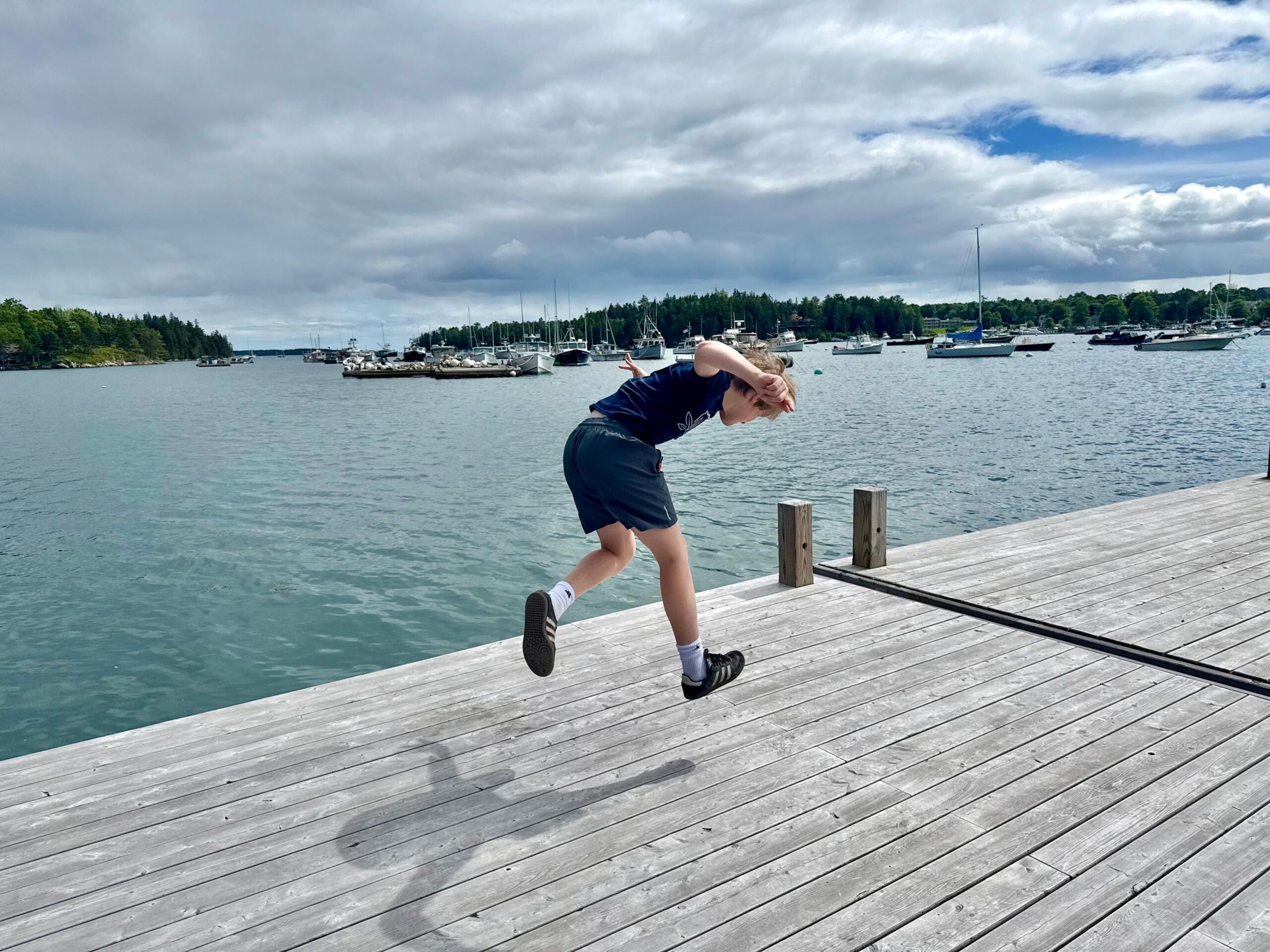
Activities such as skimming stones on the coastline or engaging in low-tech travel games like chess or "Would You Rather" represent a deliberate "digital detox." In an era dominated by screen-based entertainment, the simplicity of Maine’s coastal offerings provides a necessary counter-narrative. The social aspect of these trips, involving interactions with local families who manage livestock or live close to the land, offers urban visitors a glimpse into a lifestyle defined by seasonal rhythms and environmental stewardship.
Supporting Data: The 2026 Tourism Forecast
According to preliminary data from the Maine Department of Economic and Community Development, the following trends have emerged in the 2026 season:
- Visitor Spending: Projected to exceed $9 billion by the end of the fiscal year, a 4% increase over 2025.
- Occupancy Rates: Boutique hotels in the Midcoast region reported a 92% occupancy rate for the month of June.
- National Park Attendance: Acadia National Park is on track to host over 4.1 million visitors, necessitating further discussions regarding sustainable transit options like the Island Explorer bus system.
- Demographics: A 12% increase in "multi-generational" and "solo-parent" travel groups seeking curated outdoor itineraries.
Broader Impact and Long-Term Sustainability
The sustained interest in Maine as a premier travel destination carries both opportunities and responsibilities. The state’s ability to balance the influx of tourists with the preservation of its natural resources is a subject of ongoing policy debate. Environmental organizations emphasize the importance of "Leave No Trace" principles, especially in sensitive areas like the Acadia shoreline and the alpine zones of coastal mountains.
Furthermore, the "human element" of Maine tourism—the interactions between visitors and the people who live and work in the state year-round—remains its most significant asset. Whether it is a chef explaining the origin of a blueberry pancake or a local family sharing the challenges of raising chicks in a rural home, these exchanges humanize the travel experience.
As the weekend travelers return to Brooklyn and other urban centers, they carry with them more than just photographs; they return with a renewed perspective on the relationship between humanity and the natural world. The "magical" quality of a Maine weekend, despite the inevitable logistical hurdles like traffic or rental car mishaps, remains a potent draw for those seeking to reconnect with the "bones" of nature. The 2026 season confirms that Maine’s Midcoast and Down East regions are not merely vacation spots but essential sites for cultural and environmental reconnection in the 21st century.
Conclusion and Future Outlook
The outlook for Maine’s tourism sector remains robust, with a clear trajectory toward high-quality, sustainable, and education-oriented travel. The state’s success in 2026 serves as a blueprint for other regions looking to leverage natural beauty and culinary excellence into a resilient economic engine. As the season progresses, stakeholders will continue to monitor the balance between accessibility and preservation, ensuring that the woods, lakes, and rocky shores of Maine remain available for the next generation of "outdoorsy" explorers. For the travelers from the city, the "periwinkles that come out of their shells when you hum" are not just a childhood curiosity but a symbol of a state that continues to offer wonder in an increasingly mechanized world.
