

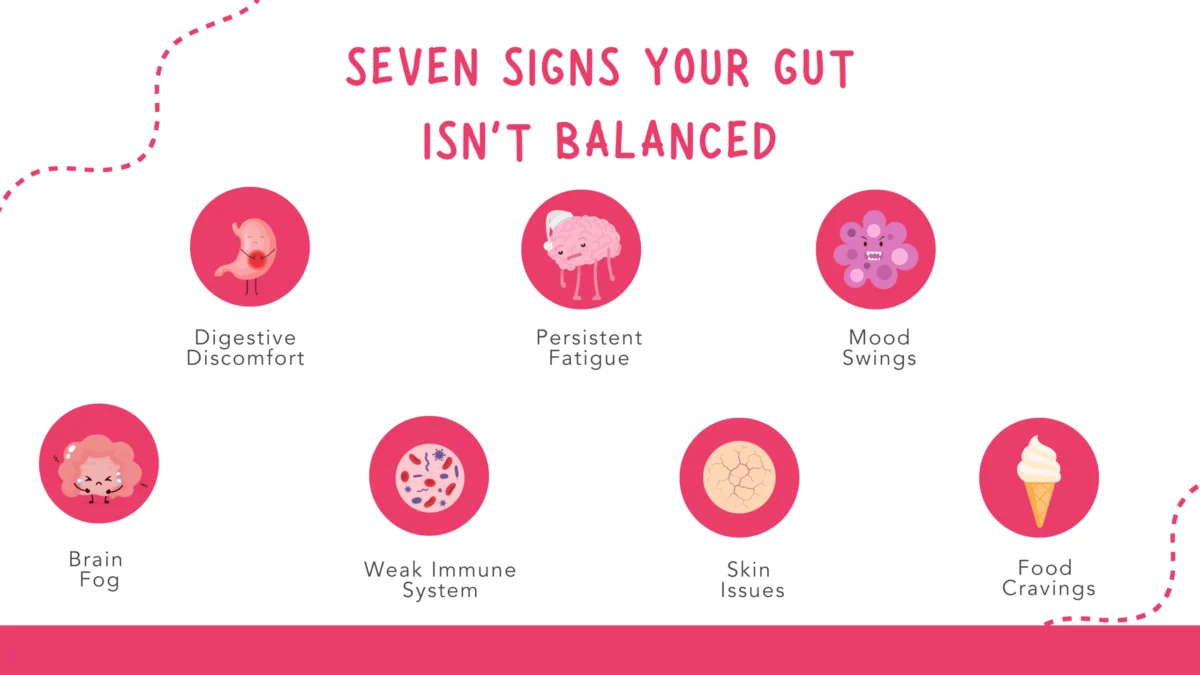
The human gastrointestinal tract, often referred to by medical researchers as the "second brain," houses a complex ecosystem of trillions of microorganisms known as the gut microbiome. This intricate network of bacteria, fungi, and viruses plays a fundamental role in systemic health, influencing everything from metabolic function to psychological well-being. However, when the delicate balance of these microbial communities is disrupted—a state clinically known as dysbiosis—the body begins to exhibit a series of physiological and psychological warning signs. Understanding these indicators is increasingly recognized as a cornerstone of preventative medicine, as chronic gut imbalances are linked to a wide array of long-term health complications.
The Clinical Significance of the Gut Microbiome
For decades, the medical community viewed the digestive system primarily through the lens of nutrient absorption and waste elimination. However, the completion of the Human Microbiome Project and subsequent genomic research have fundamentally shifted this perspective. Scientists now recognize the gut as a central hub for the immune system and a primary site for neurotransmitter production. Dysbiosis occurs when pathogenic or opportunistic microorganisms outnumber beneficial bacteria, leading to a breakdown in the intestinal barrier and systemic inflammation.
Recent clinical data suggests that modern lifestyle factors, including the Western diet (high in processed sugars and low in fiber), the widespread use of broad-spectrum antibiotics, and chronic psychological stress, have contributed to a global rise in gut-related disorders. To address this growing health crisis, healthcare professionals are emphasizing the identification of seven primary symptoms that signal a microbiome out of equilibrium.
1. Chronic Gastrointestinal Distress and Functional Disorders
The most immediate indicators of a microbiome imbalance are functional digestive issues. Frequent bloating, flatulence, constipation, and diarrhea are not merely inconveniences but are often the physical manifestation of microbial fermentation gone awry. When the population of beneficial bacteria, such as Bifidobacterium and Lactobacillus, diminishes, the body struggles to break down complex carbohydrates and fibers efficiently.
This inefficiency leads to the production of excess gas and the slowing or over-acceleration of peristalsis (the movement of the digestive tract). Research indicates that persistent digestive discomfort is frequently the precursor to more severe conditions, such as Irritable Bowel Syndrome (IBS) or Small Intestinal Bacterial Overgrowth (SIBO). Clinical tools like the Bristol Stool Scale are often utilized by practitioners to categorize these symptoms and determine the severity of the transit-time irregularities associated with dysbiosis.
2. The Correlation Between Dysbiosis and Persistent Fatigue
While fatigue is a non-specific symptom associated with many ailments, its link to gut health is supported by a growing body of evidence. A study published in the journal Nutrients highlighted that approximately 60% of individuals suffering from chronic fatigue also meet the diagnostic criteria for IBS. This correlation suggests that the gut-brain axis plays a critical role in energy regulation.
The mechanism behind this fatigue is multifaceted. Dysbiosis can lead to "leaky gut" syndrome (increased intestinal permeability), allowing lipopolysaccharides (LPS)—pro-inflammatory bacterial toxins—to enter the bloodstream. This triggers a low-grade systemic immune response that consumes significant metabolic energy, leaving the individual feeling perpetually exhausted despite adequate rest. Furthermore, an imbalanced gut may struggle to synthesize or absorb B vitamins, which are essential for cellular energy production.
3. Psychological Implications: The Gut-Brain Axis and Mood Regulation
One of the most profound discoveries in modern endocrinology is the extent to which the gut influences mental health. It is now a well-established scientific fact that approximately 95% of the body’s serotonin—a key neurotransmitter responsible for mood stabilization, sleep, and appetite—is produced within the gastrointestinal tract. Only 5% is synthesized in the brain.
When the microbiome is in a state of dysbiosis, the production of serotonin and other neurotransmitters, such as gamma-aminobutyric acid (GABA), can be severely compromised. This chemical disruption often manifests as heightened anxiety, irritability, and depressive episodes. Clinical trials have demonstrated that patients with mood disorders often harbor a less diverse microbial population than healthy controls, leading to the emerging field of "psychobiotics," where specific bacterial strains are used as adjunct therapies for mental health conditions.
4. Metabolic Disruptions and Pathogenic Food Cravings
The composition of the gut microbiome has a direct influence on dietary choices and metabolic health. Certain species of pathogenic bacteria and yeast, such as Candida albicans, thrive on simple sugars. These microorganisms can manipulate host behavior by altering taste receptors and releasing signaling molecules that trigger intense cravings for processed carbohydrates and sweets.
This creates a "vicious cycle" of consumption: the individual eats sugar to satisfy the craving, which in turn feeds the pathogenic bacteria, allowing them to proliferate further and suppress beneficial strains. Over time, this cycle contributes to insulin resistance, weight gain, and a further decline in microbial diversity. Breaking this cycle requires a strategic reintroduction of prebiotic fibers to starve the pathogenic strains while nourishing the beneficial ones.
5. Dermatological Manifestations and the Skin-Gut Axis
The "skin-gut axis" is a term used by dermatologists to describe the relationship between intestinal health and skin clarity. Inflammatory skin conditions, including acne, eczema, rosacea, and psoriasis, are frequently linked to gastrointestinal inflammation. When the gut barrier is compromised, inflammatory markers circulate throughout the body and can manifest in the skin, the body’s largest organ.
Research has shown that individuals with acne are more likely to have lower levels of beneficial gut bacteria and higher intestinal permeability. By addressing the root cause of inflammation in the gut through dietary intervention and targeted probiotics, many patients observe a significant reduction in dermatological symptoms that were previously resistant to topical treatments.
6. Immunological Vulnerability and Frequency of Illness
The gastrointestinal tract houses an estimated 70% to 80% of the human immune system, primarily within the Gut-Associated Lymphoid Tissue (GALT). Beneficial bacteria act as "trainers" for the immune system, teaching it to distinguish between harmless food proteins and dangerous pathogens.
When dysbiosis occurs, this training is interrupted, leading to a weakened immune defense. Individuals with an imbalanced gut often find themselves susceptible to frequent colds, respiratory infections, and prolonged recovery times. Furthermore, a lack of microbial diversity is associated with the development of autoimmune conditions, where a confused immune system begins attacking the body’s own tissues.
7. Cognitive Impairment and "Brain Fog"
Cognitive symptoms, colloquially known as "brain fog," are increasingly being traced back to the gut. This state of confusion, forgetfulness, and diminished focus is often the result of metabolic byproducts produced by an unhealthy microbiome. For instance, an overgrowth of certain bacteria can lead to the production of high levels of D-lactate or ammonia, which can cross the blood-brain barrier and interfere with cognitive processing.
Additionally, the systemic inflammation caused by dysbiosis affects the brain’s microglia—the resident immune cells of the central nervous system. When these cells are chronically activated by gut-derived inflammation, it can result in cognitive decline and a lack of mental clarity.
Protocols for Restoring Microbiome Homeostasis
Restoring balance to a disrupted microbiome requires a multi-pronged approach focusing on nutrition, lifestyle, and strategic supplementation. Health experts recommend the following evidence-based strategies:
Optimization of Fiber Intake
Dietary fiber serves as the primary fuel source for beneficial bacteria. In the colon, bacteria ferment fiber to produce Short-Chain Fatty Acids (SCFAs) like butyrate, which nourish the colon lining and reduce systemic inflammation. While the recommended daily intake is 25 grams for women and 38 grams for men, most populations consume less than half of this amount.
- Prebiotic Sources: Incorporating baobab fruit, chicory root, garlic, onions, and asparagus can provide the necessary prebiotics to stimulate the growth of indigenous beneficial bacteria.
- Baobab Integration: Baobab is particularly noted in recent literature for its high concentration of soluble and insoluble fibers, as well as its antioxidant profile, which supports the mucosal lining.
Incorporation of Fermented Foods
Natural probiotics found in fermented foods provide a direct influx of live, beneficial cultures. Traditional foods such as unpasteurized sauerkraut, kimchi, kefir, and kombucha contain diverse strains of Lactobacillus and Bifidobacterium. Clinical guidelines suggest that even small, daily servings can significantly enhance microbial diversity over time.
Hydration and Mucosal Integrity
Water is essential for the movement of fiber through the digestive tract and for the maintenance of the mucosal barrier. A dehydrated gut can lead to a thinning of the protective mucus layer, making the intestinal lining more vulnerable to damage and inflammation.
Strategic Probiotic Supplementation
In cases of severe dysbiosis, particularly following antibiotic therapy or chronic illness, dietary changes alone may be insufficient. High-quality probiotic supplements can help "re-seed" the gut.
- Strain Specificity: Consumers are advised to look for supplements containing clinically studied strains such as Lactobacillus rhamnosus and Bifidobacterium lactis, which have been shown to support both digestive and immune function.
- Bioavailability: Ensuring the supplement is shelf-stable and designed to survive the acidic environment of the stomach is critical for therapeutic efficacy.
Broader Implications for Public Health
The rising awareness of gut health represents a significant shift in the medical landscape. As chronic diseases—many of which have inflammatory roots—continue to strain global healthcare systems, the focus on microbiome maintenance offers a proactive solution. Future medical protocols are expected to integrate microbiome sequencing as a standard diagnostic tool, allowing for personalized nutrition and "precision probiotics" tailored to an individual’s specific microbial deficiencies.
In conclusion, the signs of an unbalanced gut are the body’s early warning system. By recognizing symptoms like persistent fatigue, mood swings, and digestive distress not as isolated issues but as interconnected signals of dysbiosis, individuals can take decisive action to restore their internal ecosystem. Through a combination of fiber-rich nutrition, fermented foods, and targeted supplementation, the restoration of gut health remains one of the most effective pathways to achieving long-term systemic vitality.
