

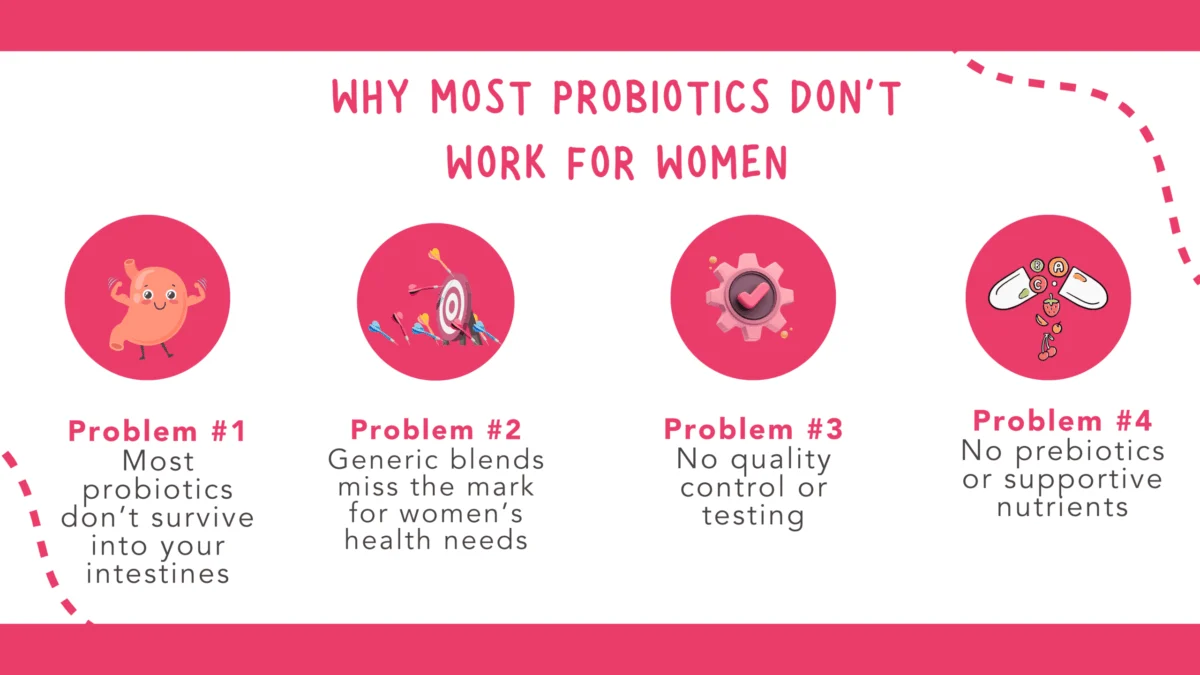
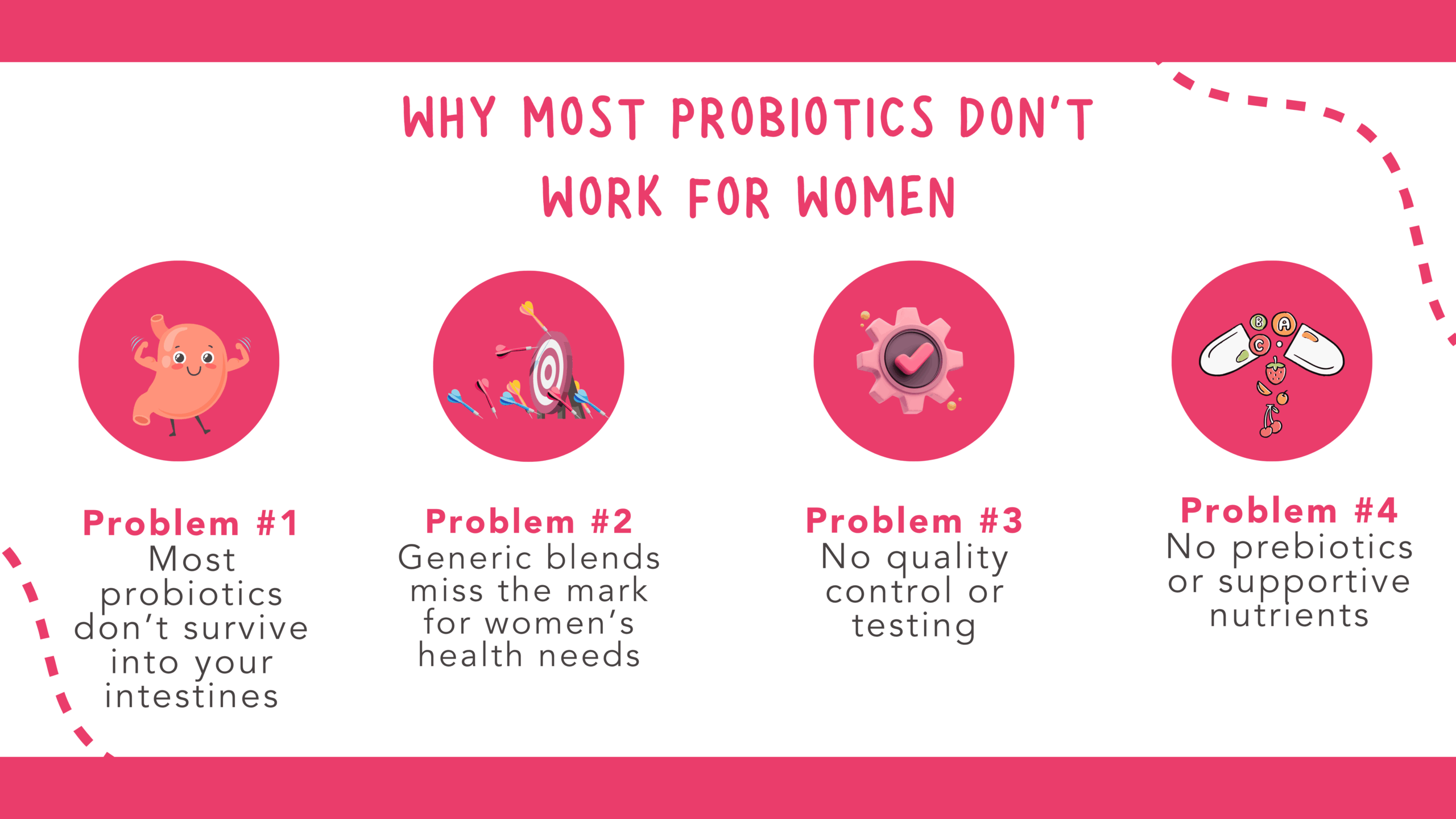
The global probiotic market, valued at approximately $70 billion in 2023, continues to expand as consumers increasingly prioritize preventative health and microbiome support. However, despite the proliferation of "gut-friendly" products, a growing body of clinical evidence and consumer feedback suggests a significant efficacy gap, particularly concerning female biology. Scientific analysis reveals that the majority of commercial probiotics fail to deliver promised results due to biological barriers, lack of strain specificity, and insufficient quality control measures. As the wellness industry moves toward precision nutrition, the demand for formulations that account for the unique physiological requirements of women—including hormonal fluctuations, vaginal microbiome health, and distinct immune responses—has reached a critical juncture.
The Gastric Barrier and the Challenge of Bacterial Survivability
The primary obstacle to probiotic efficacy is the harsh environment of the human digestive system. The stomach utilizes hydrochloric acid and digestive enzymes to break down food and neutralize potentially harmful pathogens. While this serves as a vital immune defense, it also creates a lethal environment for most beneficial bacteria. Clinical studies indicate that the pH of the stomach typically ranges from 1.5 to 3.5; many standard probiotic strains are unable to survive this acidity for the duration required to reach the small and large intestines.
To counteract this biological hurdle, leading researchers and high-tier supplement manufacturers have begun implementing a strategy known as "potent overage." This involves formulating capsules with a significantly higher number of Colony Forming Units (CFUs) than the amount stated on the label for the end of the product’s shelf life. By over-packing the formula with extra live bacteria, manufacturers ensure that even after the inevitable attrition caused by stomach acid, a therapeutic dose remains viable to colonize the "gut garden." This shift represents a move away from reliance on synthetic enteric coatings, which can sometimes fail to dissolve at the correct stage of the digestive tract, in favor of robust, naturally resilient strains and higher initial concentrations.
Addressing the Gender-Specific Microbiome Gap
For decades, the "one-size-fits-all" approach dominated the probiotic sector, with generic blends of Lactobacillus and Bifidobacterium marketed to the general population. However, medical professionals now emphasize that women’s bodies are biologically distinct, requiring targeted microbial support. Women face unique health challenges, including higher rates of Irritable Bowel Syndrome (IBS), susceptibility to Urinary Tract Infections (UTIs), and the need for a balanced vaginal microbiome.
The vaginal microbiome, unlike the diverse gut microbiome, thrives when it is dominated by specific Lactobacillus species. When generic probiotics fail to include strains like Lactobacillus rhamnosus or Lactobacillus reuteri, they miss the opportunity to support reproductive and urinary health. Furthermore, women’s hormonal cycles—specifically the fluctuation of estrogen and progesterone—influence gut motility and the integrity of the intestinal lining. A failure to formulate with these cycles in mind often results in products that provide negligible benefits for hormonal acne, bloating, or immune shifts associated with the menstrual cycle or menopause.
Chronology of Probiotic Regulation and Quality Control Failures
The history of probiotic commercialization is marked by a persistent struggle between marketing claims and scientific reality.
- 2001: The World Health Organization (WHO) defined probiotics as "live microorganisms which when administered in adequate amounts confer a health benefit on the host." This set the stage for global regulation but left significant room for interpretation regarding "adequate amounts."
- 2011: A landmark independent study published in the journal BioMed Central highlighted a systemic issue in the industry. Researchers found that a significant percentage of probiotics on store shelves did not contain the quantity of live bacteria claimed on their labels. In some instances, products contained zero live cultures by the time they reached the consumer.
- 2015-2020: The rise of third-party testing organizations, such as NSF International and USP, began providing consumers with a way to verify that what was on the label was actually in the bottle.
- Present Day: The industry is currently shifting toward "strain-level transparency." Instead of simply listing a genus and species (e.g., Lactobacillus acidophilus), reputable brands now list the specific strain (e.g., Lactobacillus acidophilus La-14), as different strains within the same species can have vastly different health outcomes.
The lack of stringent FDA oversight in the United States—where supplements are regulated as food rather than drugs—has allowed sub-par products to persist. This lack of accountability means that without third-party certification, consumers are often purchasing "dead" bacteria that offer no biological utility.
The Role of Symbiotics: Why Probiotics Require Prebiotic Support
A significant reason for the failure of many probiotic regimens is the absence of "fuel" for the bacteria. Probiotics are living organisms that require specific types of fiber, known as prebiotics, to survive and proliferate within the gut. The integration of prebiotics and probiotics is known as "symbiotics."
Recent nutritional analysis has identified the Baobab fruit (from the Adansonia digitata tree) as a premier whole-food source of prebiotic fiber. Often referred to as the "Tree of Life," the Baobab produces a fruit pulp that is naturally rich in soluble fiber and antioxidants. Incorporating ingredients like Baobab fiber into probiotic capsules serves a dual purpose: it provides the necessary nourishment for the probiotic strains to thrive and contributes to the daily fiber intake of the consumer.
Data from the American Society for Nutrition suggests that the average woman requires approximately 25 grams of fiber daily, yet more than 90% of women fall short of this goal. By including 100 mg or more of organic fruit fiber in a probiotic serving, manufacturers can provide a gentle, non-bloating prebiotic boost that enhances the overall efficacy of the supplement.
Analysis of Effective Strains for Female Health
To move beyond the limitations of generic blends, health experts recommend that women look for formulas containing at least ten well-researched strains. Key species identified in clinical literature include:
- Lactobacillus gasseri: Associated with the regulation of vaginal flora and potential support for weight management.
- Bifidobacterium longum: Known for its role in strengthening the intestinal barrier and modulating the immune response.
- Lactobacillus reuteri: Extensively studied for its ability to inhibit the growth of harmful bacteria in the urogenital tract.
- Lactobacillus rhamnosus: Frequently cited for its resilience in the digestive tract and its benefits for skin health and vaginal balance.
The presence of these specific strains, backed by clinical data, distinguishes therapeutic-grade supplements from low-quality alternatives. Furthermore, the exclusion of common allergens—such as dairy, gluten, soy, and GMOs—is increasingly viewed as a standard for high-quality formulations, ensuring that the supplement does not inadvertently trigger inflammation in sensitive individuals.
Expert Analysis: The Importance of Consistency and Holistic Health
The medical community maintains that while high-quality probiotics are a powerful tool, they are not a "quick fix." Microbiologists suggest that it takes approximately two to four weeks of daily, consistent use for the gut ecosystem to begin a meaningful rebalancing process.
"The gut is a dynamic environment," states a consensus of nutritional scientists. "Introducing beneficial bacteria is only half the battle; maintaining an environment where those bacteria can flourish is equally important." This involves a holistic approach, including:
- Dietary Integration: Consuming fermented foods (sauerkraut, kefir) and bone broth to provide a diverse array of nutrients.
- Hydration: Ensuring adequate water intake to facilitate the movement of fiber and nutrients through the digestive system.
- Sugar Reduction: Minimizing the intake of processed sugars, which can feed pathogenic yeast and bacteria, undermining the efforts of the probiotic.
Broader Implications for Public Health and the Supplement Industry
The shift toward gender-specific, high-survivability probiotics has broader implications for the healthcare industry. As gut health is increasingly linked to mental health (via the gut-brain axis), immune function, and chronic disease prevention, the availability of effective supplements could reduce the burden on primary care providers for issues like recurring yeast infections or digestive distress.
Furthermore, the "clean label" movement is forcing a consolidation in the supplement market. Brands that rely on binders, fillers, and unverified claims are being displaced by transparent companies that prioritize organic ingredients and third-party testing. For the consumer, this evolution means better access to products that are not only safe but biologically active.
In conclusion, the frustration many women experience with ineffective probiotics is often the result of systemic industry issues rather than a failure of the science of probiotics itself. By prioritizing survivability, gender-specific strain selection, and the inclusion of high-quality prebiotics like Baobab fiber, the next generation of supplements is finally beginning to meet the complex needs of the female body. As the industry moves toward 2025, the standard for "what actually works" is being redefined by clinical transparency and a deeper understanding of the female microbiome.
