

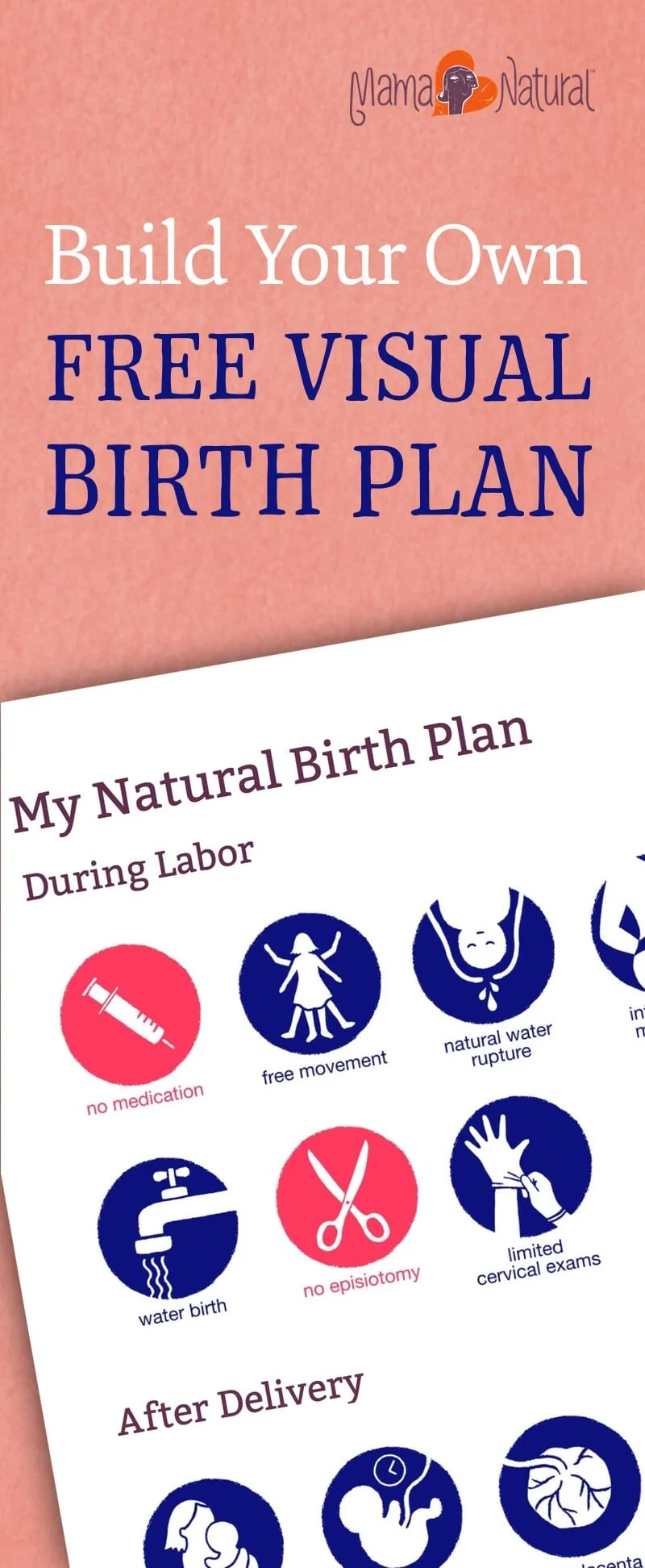
The digital health platform Mama Natural has announced the release of its updated 2025 visual birth plan template, a resource designed to bridge the communication gap between expectant parents and medical staff. This latest iteration of the tool emphasizes a streamlined, icon-based approach to labor and delivery preferences, moving away from traditional, text-heavy documents that are often overlooked in fast-paced clinical environments. The template, which is available as a free digital download, aims to provide a standardized yet customizable format that healthcare providers—including obstetricians, midwives, and nurses—can interpret quickly during the active stages of labor.
The Evolution of Birth Planning in Clinical Settings
Birth plans emerged in the 1980s as a response to the increasing medicalization of childbirth. Initially conceived as a way for women to reclaim agency over their birthing experiences, these documents have evolved from simple checklists into complex, multi-page narratives. However, medical professionals have frequently cited "document fatigue" as a barrier to implementing these plans. Research indicates that lengthy or overly rigid birth plans can sometimes create friction between patients and providers, particularly when the plans are perceived as being at odds with hospital safety protocols or the unpredictable nature of childbirth.
The shift toward visual birth plans represents a significant development in patient-provider communication. By utilizing standardized icons to represent specific preferences—such as the desire for intermittent rather than continuous fetal monitoring, or the request for delayed cord clamping—the visual template allows medical staff to grasp a patient’s primary goals in a matter of seconds. This efficiency is critical in labor and delivery units where staff shifts change and multiple providers may be involved in a single patient’s care.
Technical Specifications and 2025 Updates
The 2025 Mama Natural template offers a modular design, provided in both editable Word/Pages formats and as a static PDF. The primary innovation of the new version is an expanded library of icons that reflect current trends and medical advancements in maternal care. Users are encouraged to drag and drop icons onto a single-page layout, ensuring the final document remains concise.
A notable addition to the 2025 version is the inclusion of "Gentle Cesarean" icons. As cesarean delivery rates remain significant—hovering around 32.1% in the United States according to the Centers for Disease Control and Prevention (CDC)—there is a growing demand for "family-centered" or "gentle" surgical births. These icons allow parents to request specific adjustments in the operating room, such as a clear drape to view the birth, immediate skin-to-skin contact, and a quiet environment during the procedure.
The template also utilizes a color-coded system to further expedite comprehension. Blue icons signify affirmative requests—actions the birthing team is encouraged to take, such as "allow movement during labor." Red icons signify negative preferences—interventions the patient wishes to avoid unless medically necessary, such as "no episiotomy" or "no routine pitocin."
Data and Context: The Impact of Birth Plans on Maternal Outcomes
The utility of birth plans is supported by a growing body of evidence regarding maternal satisfaction and psychological well-being. A study published in the Journal of Perinatal Education suggests that the process of creating a birth plan is often more valuable than the document itself, as it forces expectant parents to research medical interventions and engage in informed consent discussions with their providers well before labor begins.
Furthermore, birth plans serve as a critical tool in addressing maternal health disparities. Organizations such as the National Association of Certified Professional Midwives (NACPM) and various advocacy groups have highlighted the importance of birth plans for women of color, who statistically face higher rates of intervention and mortality. Resources like the "Black Birthing Bill of Rights" emphasize that clear, documented preferences can help ensure that all patients receive respectful, high-quality care, regardless of their background.
Addressing Provider Resistance and "High Maintenance" Stigmas
Despite their benefits, birth plans have historically faced a stigma among some hospital staff. Ancedotal evidence from nursing forums and clinical surveys suggests that some providers associate detailed birth plans with "inflexible" patients who may be more likely to experience disappointment if the birth does not go as planned.

To combat this, the Mama Natural template emphasizes simplicity. The organization advocates for a "less is more" philosophy, encouraging users to limit their document to a single page. By presenting preferences as a collaborative blueprint rather than a set of demands, the visual template aims to foster a team-based approach. Stephanie, a user of the template, reported that her midwife described the visual format as "the best and clearest way to keep everyone on the same page," suggesting that when information is presented professionally and concisely, provider resistance diminishes.
Chronology of the Birth Plan Development Process
The development of the Mama Natural visual birth plan has followed a multi-year trajectory of refinement based on user feedback and clinical trends:
- Initial Launch (Pre-2020): The first iteration focused on natural birth preferences, providing a basic list of icons for home and birth center environments.
- Hospital Integration (2021-2022): Following feedback that hospital-based births required more specific intervention-related icons, the template was expanded to include icons for epidurals, IV fluids, and continuous monitoring.
- The Digital Customization Era (2023-2024): The platform introduced the "drag and drop" functionality in Microsoft Word and Mac Pages, allowing for a higher degree of personalization without sacrificing the one-page constraint.
- The 2025 Update: The current version incorporates feedback from thousands of users, adding the Gentle Cesarean suite and refining the icon set to include more diverse representations of birthing positions and immediate postpartum care.
Analysis of Implications for the Healthcare Industry
The widespread adoption of visual birth plans has broader implications for the healthcare industry’s move toward patient-centered care. As hospitals increasingly compete on patient satisfaction scores (such as HCAHPS), providing tools that facilitate better communication is becoming a priority for hospital administrators.
From a risk management perspective, a clear birth plan can also reduce the likelihood of "non-consented" interventions, which have become a point of legal and ethical contention in maternal care. By having a signed, visual document in the patient’s chart, hospitals can ensure that there is a documented record of the patient’s preferences, which serves to protect both the patient’s autonomy and the provider’s adherence to informed consent protocols.
However, medical analysts note that a birth plan is not a legal contract. Its primary function is as a communication tool that must remain subordinate to medical necessity in emergency situations. The Mama Natural guide acknowledges this, advising parents to discuss their plan with their birth team during prenatal visits to ensure that their expectations align with the facility’s capabilities and safety standards.
Broader Impact on Postpartum Care and Newborn Procedures
The template’s influence extends beyond the labor room into the "golden hour"—the first hour after birth. It includes icons for immediate skin-to-skin contact, delayed bathing, and breastfeeding support. According to the World Health Organization (WHO), immediate skin-to-skin contact and early initiation of breastfeeding are critical factors in reducing neonatal mortality and improving long-term health outcomes for both mother and child.
By including these postpartum preferences in a visual format, the template ensures that the transition from the delivery team to the postpartum nursing team is seamless. Often, the staff members who assist with the birth are not the same individuals who oversee the initial newborn screenings and procedures. A visual plan that stays with the mother and baby throughout their hospital stay helps maintain continuity of care.
Conclusion and Future Outlook
As the landscape of maternal health continues to shift toward a model that values both clinical safety and patient experience, tools like the Mama Natural visual birth plan template are likely to become standard components of prenatal education. By prioritizing clarity, brevity, and visual communication, this resource addresses the practical realities of the modern labor and delivery ward while empowering parents to take an active role in their healthcare journey.
The 2025 update reflects a maturing understanding of childbirth—one that recognizes the validity of natural birth desires while also providing robust options for those undergoing medical interventions or surgical births. As digital health tools continue to proliferate, the move toward standardized, easily digestible medical preferences represents a significant step forward in the quest for improved maternal health outcomes and increased patient satisfaction worldwide.
