

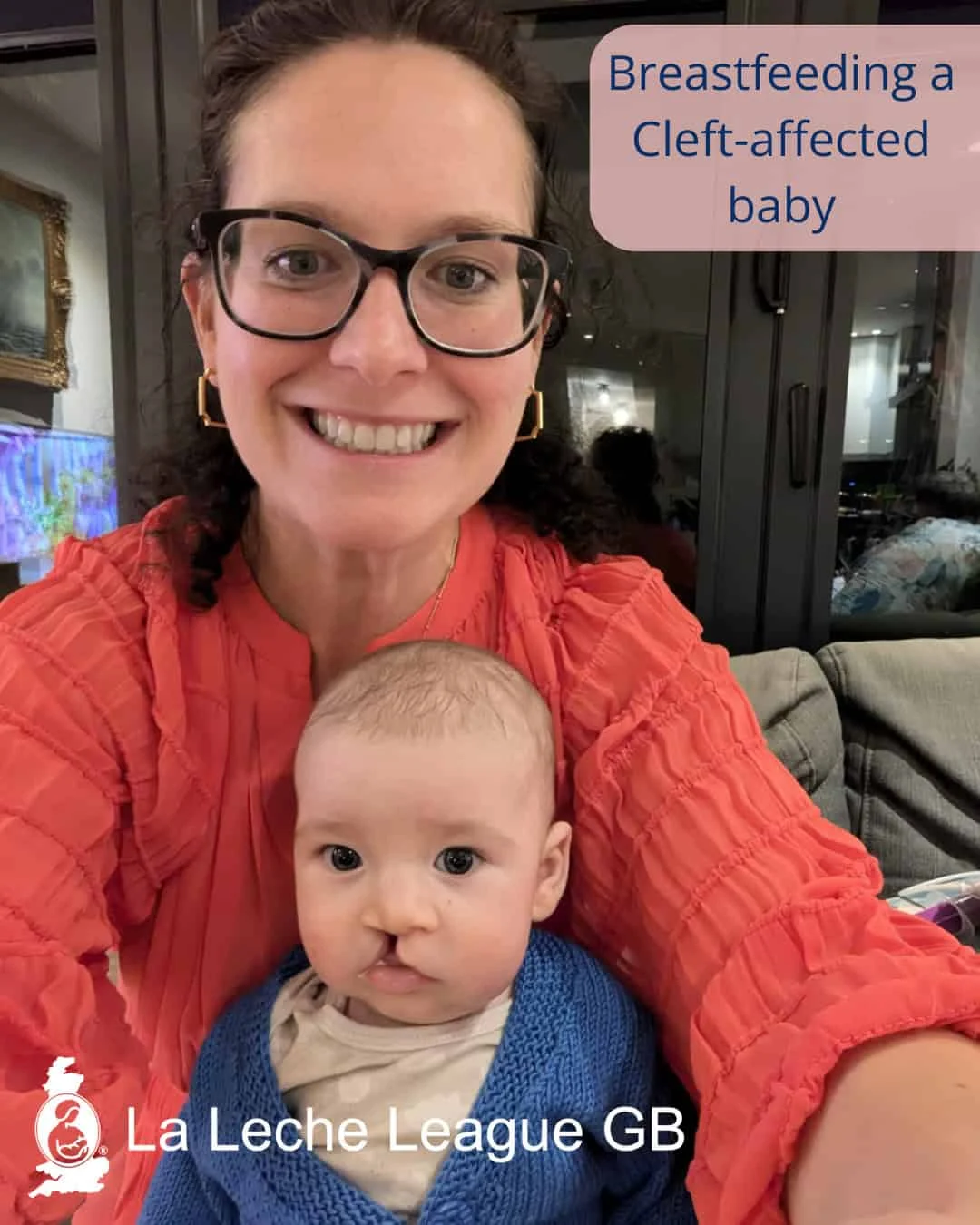
The remarkable journey of Sarah Muir-Little and her son, Russell, offers a compelling case study in perseverance and adaptation for families navigating the complexities of infant feeding, particularly in the face of an antenatal diagnosis of cleft lip and palate. This narrative highlights the challenges, innovative solutions, and evolving support systems required to achieve breastfeeding goals for infants with specific medical needs, challenging conventional advice and demonstrating the profound impact of parental determination.
Antenatal Diagnosis and Initial Challenges
The initial stages of Russell’s journey were marked by a period of significant emotional strain for his parents. A routine 20-week scan, typically a moment of joyous discovery, transformed into a pivotal point with the diagnosis of a cleft lip and palate. This medical revelation immediately introduced uncertainty and concern, compounded by an already difficult family situation involving a critically ill relative. The sonographer’s direct question, "Have you heard of a cleft lip?", signaled the beginning of an unforeseen challenge.
Early medical advice presented a daunting prospect: the baby’s cleft lip and palate, particularly the palate involvement, would likely preclude breastfeeding. This pronouncement, delivered by a midwife, was deeply upsetting for Sarah, who had successfully breastfed her toddler and viewed it as a fundamental aspect of her maternal identity. The emotional impact of this news was significant, prompting a period of grief for the anticipated loss of this bonding experience.
However, a subsequent consultation with a specialist nurse offered a glimmer of hope. While acknowledging the inherent difficulties, the nurse clarified that some form of a breastfeeding journey might still be possible, albeit one that would likely deviate from conventional methods. The full extent of the palate involvement, and thus the precise challenges, would only become clear after Russell’s birth. The family was also informed about the necessity of multiple surgical interventions for Russell within his first year – one to repair the lip and another for the palate – with further procedures anticipated later in childhood. This comprehensive understanding of the medical pathway underscored the long-term commitment required.
Understanding Cleft Lip and Palate: A Medical Overview
Cleft lip and palate are among the most common birth differences, affecting approximately 1 in every 700 babies globally. This condition occurs when the structures forming the baby’s upper lip or the roof of the mouth (palate) do not fuse completely during early fetal development. Clefts can range in severity, from a small notch in the lip to a complete separation extending into the nose and palate. The implications for feeding are profound because a complete seal around the nipple or bottle teat is essential for creating the necessary suction to draw milk.
Babies with only a cleft lip may often breastfeed with specific adaptations, as the palate remains intact, allowing for suction. However, infants with a cleft palate face a more significant hurdle. The opening in the roof of the mouth prevents the creation of negative pressure, rendering effective suction impossible until surgical repair. This anatomical challenge necessitates alternative feeding methods during the critical early months of development. Organizations like the Cleft Lip and Palate Association (CLAPA) in the UK play a crucial role in supporting affected families, providing information, resources, and community networks to navigate these complex journeys.
Research and Preparation for an Alternative Feeding Path
Faced with the prospect of an unconventional feeding journey, Sarah embarked on extensive research, delving into resources from CLAPA, La Leche League (LLL), and other specialist platforms. Her primary objective was to find instances of successful breastfeeding following palate surgery, or at least methods to maintain a breast milk supply and breast connection for her baby. The search, however, yielded disappointingly few direct examples of full breastfeeding success after palate repair, highlighting a gap in widely disseminated information.
Despite the scarcity of success stories, the research provided crucial insights: maintaining a robust milk supply was paramount, and alternative methods for delivering milk at the breast would be essential. Sarah had a history of sufficient milk supply with her first child, but her prior experience with pumping was less positive, characterized by low yield and inefficiency. Recognizing the necessity of a reliable milk supply, she resolved to improve her pumping knowledge and technique, confident in her ability to meet Russell’s demands.
The second critical area of focus was the development of innovative feeding techniques. Traditional breastfeeding was unlikely due to the lack of suction. Sarah explored various methods, including direct hand expression into the baby’s mouth and the use of nursing supplementers. The latter, designed to deliver milk through a thin tube while the baby is latched at the breast, emerged as the most practical long-term solution. She acquired two types of nursing supplementer systems available in the UK, both designed for cleft-affected babies, each with distinct mechanisms for milk delivery – one gravity-fed, the other utilizing a squeezable bottle.
Initial trials with the supplementers presented their own set of challenges. The gravity-fed system offered a slow flow, potentially frustrating a hungry infant. The squeezable bottle, while capable of delivering more milk, proved awkward to handle. Additionally, the recommended "dancer hold" for positioning, often advised for babies with feeding difficulties such as low muscle tone or prematurity, felt unwieldy when combined with the supplementer apparatus. This hold involves supporting the baby’s chin with the index finger and thumb, creating a ‘U’ shape, to help maintain attachment. Practicing with a doll revealed the significant coordination required, further underscoring the complexity of the task ahead.
Russell’s Arrival and the Development of Bespoke Feeding Solutions
Upon Russell’s birth, the immediate priority was to ensure adequate nutrition while establishing a feeding routine that accommodated his cleft palate. The initial days involved feeding expressed colostrum via a syringe, simultaneously encouraging sucking reflexes by placing a finger in his mouth. The overarching plan was to transition to feeding at the breast with a supplementer once Sarah’s milk supply increased.
An unexpected serendipity arose when some ordered syringes, unsuitable for direct feeding, perfectly fit the supplementer tube. This discovery, combined with the kind assistance of the midwife team in sourcing larger syringes, allowed for an improvised but effective system. Sarah ingeniously modified the screw-on caps of the larger syringes, drilling a snug hole for the supplementer tube, creating a secure and functional milk reservoir. This DIY approach highlights the resourcefulness often required by parents facing unique feeding challenges, though it also underscores the importance of adhering to safety guidelines for all feeding tools.
The standard advice for using a supplementer typically involves either inserting the tube after the baby has latched or taping it to the breast pre-latch. Both methods presented difficulties for Russell. His fragile latch, due to the absence of suction, made inserting the tube post-latch impractical. Taping the tube to the breast, while potentially allowing simultaneous latching, risked the tube flapping around and proved too fiddly for a newborn’s small mouth. Sarah devised an alternative, taping the tube very close to the nipple to ensure easy entry into Russell’s mouth. This required experimentation with different tapes and positions to find a method that was robust enough to withstand moisture and maintain a reasonable latch, despite some inevitable milk loss.
The feeding process was not without its frustrations, leading to upset for both mother and baby. Sarah sought assistance from multiple sources, but many healthcare professionals lacked direct experience with this specific, adapted feeding method, and some voiced concerns about potential aspiration (choking on milk). Despite these setbacks and the emotional toll, Sarah’s determination remained unwavering. Through persistent trial and error, she developed a system that she felt was effective in delivering a consistent and sensible flow of milk to Russell.

Optimizing Positioning and Overcoming External Skepticism
The challenge of positioning remained a significant hurdle. The "dancer hold," initially recommended, continued to cause stress for both Sarah and Russell, who struggled to latch and would bob on and off the breast. Observing that Russell calmed and fed well when directly expressed milk was offered from the non-taped breast, Sarah confirmed his hunger and the need for a more peaceful feeding experience with the supplementer.
Drawing on her familiarity and comfort, Sarah decided to revert to the cradle hold, a position she had successfully used with her toddler. This decision was supported by a specialist at Great Ormond Street Children’s Hospital, who acknowledged that while it might lead to more milk spillage around Russell’s cleft, the priority was a calm and effective feed for both mother and baby. While some advice suggested plugging the cleft with the breast or keeping the cleft side elevated to minimize milk loss, the primary focus became achieving a deep, comfortable latch in the cradle position. In those early weeks, feeds often left both Sarah and Russell quite wet, a testament to the milk loss, but the emotional and physical benefits of the breast connection outweighed these practical difficulties.
Over time, Sarah and Russell developed a symbiotic rhythm. Sarah learned to manage the milk flow via the syringe, pausing when Russell paused, and adjusting the rate to prevent either frustration from slowness or overwhelming him with speed. She also learned to manage Russell’s expectations during syringe refills, either putting him down or changing his position to avoid distress when the milk temporarily ceased.
The unique nature of their feeding method sometimes led to misunderstanding and even criticism. While friends often expressed admiration for her dedication, recognizing that she was indeed breastfeeding despite the adaptations, some healthcare professionals voiced concerns. A pediatrician, for example, questioned their chosen method, emphasizing the "safety and effectiveness" of specialized cleft bottles. Such comments, particularly from medical professionals, could be disheartening, requiring immense resilience to navigate. However, Sarah remained confident in their approach, validated by Russell’s consistent weight gain and evident enjoyment of feeding at the breast. This experience highlights a critical tension: the need for standardized, safe feeding protocols versus the importance of individualized, parent-led solutions that cater to specific family dynamics and goals. The value, for Sarah, lay not in the method itself, but in the ability to achieve the benefits of breastfeeding and the unique bond it fostered.
Evolving Feeding Dynamics and the Road to Repair
As Russell grew, his feeding needs and capabilities evolved. Around ten weeks of age, the tape used to secure the supplementer tube began to bother him. This prompted further adaptation, with the tube being taped progressively further from the nipple, and eventually, used without tape altogether. This transition demanded even greater coordination but became manageable as both mother and baby grew accustomed to the technique.
The journey was not linear; there were moments of perceived regression where Russell would become upset or refuse to feed. During these challenging times, Sarah found it crucial to remember that Russell was, first and foremost, a baby, and his cleft was a secondary factor. Often, the feeding issues were common infant behaviors, such as distraction around three months of age, rather than directly related to his cleft. This perspective helped in addressing the root cause of the difficulty more effectively.
Russell’s first year culminated in significant surgical interventions: reconstruction of his lip and hard palate. The immediate post-operative period was difficult, with Russell initially refusing anything but a bottle while recovering from morphine. However, upon returning home, he rejected bottles, perhaps associating them with the discomfort of recovery, and resumed feeding with the supplementer. This phase underscored the exhausting nature of expressing milk and managing all feeds, highlighting the indispensable support from her husband, who handled bottle-washing, night feeds while Sarah pumped, and provided crucial emotional reassurance. Their journey was a testament to teamwork, with every supplementer feed seen as a bonus for Russell’s health and their bond, reinforcing the immense pride in their shared achievements.
The Breakthrough: Natural Suction and Full Breastfeeding
The most significant turning point in Russell’s feeding journey occurred just before his first birthday, following his palate surgery. The surgeon advised avoiding suction for a month to allow for healing, but almost immediately, Sarah sensed Russell attempting to suck for the very first time. This nascent ability was confirmed four weeks later when he spontaneously learned to use a straw – and the very next day, began sucking and swallowing effectively at the breast.
From this pivotal moment, progress, though gradual, was steady. The reliance on the supplementer diminished, as Russell increasingly took milk directly from the breast. This allowed Sarah, after 15 months of daily pumping, to finally cease expressing milk, marking a profound liberation. While Russell’s latch initially remained unconventional, it was effective and satisfying for him. He now breastfeeds once or twice a day, a remarkable achievement that once seemed an improbable dream. The Muir-Little family continues to approach this phase with an open mind, embracing the unexpected possibility of continued breastfeeding.
Broader Implications and Expert Perspectives
Russell’s story carries significant implications for healthcare practices, parental advocacy, and support systems for families affected by cleft lip and palate. It underscores that while specialized bottles are often presented as the primary "safe and effective" feeding solution for cleft-affected babies, they are not the only viable path. The experience highlights the importance of individualized care plans that respect parental feeding goals and explore adaptive methods.
Organizations like La Leche League (LLL) and CLAPA are crucial in disseminating evidence-based information and peer support, empowering parents to make informed choices. LLL, in particular, champions the idea that "breastfeeding looks different for every mother and baby," a sentiment powerfully embodied by Sarah and Russell. Their journey illustrates that "breastfeeding" can encompass a spectrum of methods that maintain the unique physical and emotional connection of feeding at the breast, even when direct suction is not possible.
From a medical perspective, this case advocates for greater flexibility and comprehensive training among healthcare professionals regarding alternative breastfeeding techniques for cleft babies. While concerns about aspiration are valid and necessitate careful monitoring, dismissive attitudes towards parental innovation can hinder positive outcomes and cause unnecessary distress. The success of Sarah’s method, despite initial professional skepticism, suggests a need for more nuanced guidance that supports parents in exploring all safe options.
Furthermore, the nutritional and immunological benefits of breast milk for all infants are well-documented, and these benefits are particularly crucial for babies undergoing multiple surgeries, such as those with clefts. Breast milk can aid in healing, reduce infection risk, and contribute to overall robust health. The psychological benefits of breastfeeding – including bonding, comfort, and maternal well-being – are also profound, further reinforcing the importance of supporting parents who wish to pursue this path.
Russell’s breastfeeding journey is a testament to the power of parental determination, innovation, and the enduring human desire for connection. It challenges preconceived notions about what breastfeeding "should" look like and offers a powerful message of hope and possibility for families facing similar diagnoses. As healthcare continues to evolve, stories like Russell’s will undoubtedly contribute to a more inclusive and supportive environment for all families navigating the complex, yet profoundly rewarding, journey of infant feeding.
