

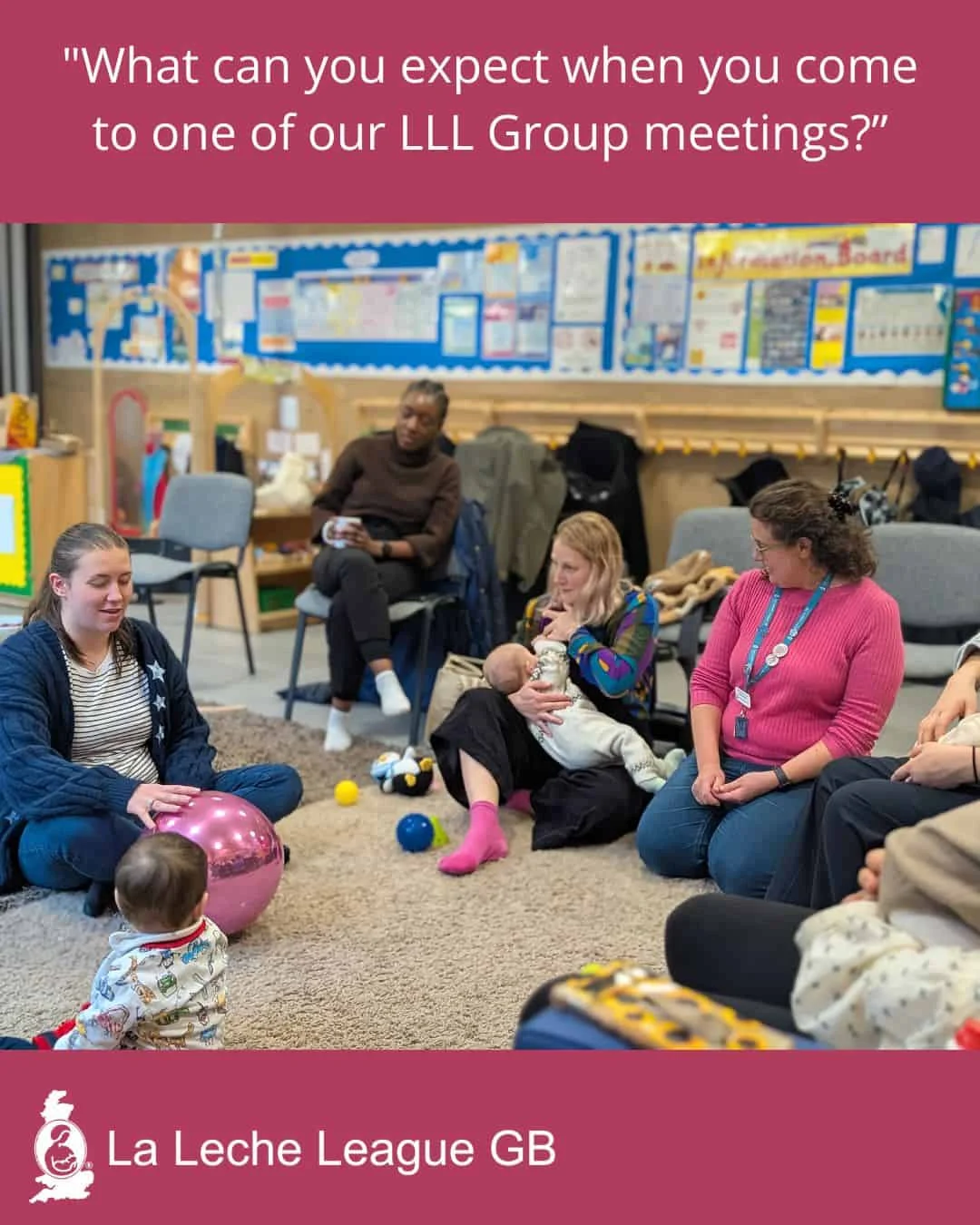
The recent La Leche League (LLL) Barnet circle, led by Rosella Picciuto, convened a diverse group of mothers grappling with the complex and emotionally charged transition of returning to work while continuing to breastfeed. The gathering, which included mothers with infants ranging from three to 20 months, solo parents, and those with older children at home, underscored the universal yet deeply personal challenges inherent in this pivotal life stage. The discussions provided a vital platform for sharing experiences, anxieties, and practical strategies, highlighting the profound biological and emotional wiring that connects mothers to their infants and the societal pressures that necessitate a return to professional life.
The Emotional Landscape of Re-entry: A Biological Imperative Meets Economic Reality
The predominant theme of the LLL Barnet meeting was the anxiety surrounding returning to work. For many breastfeeding mothers, the prospect of separation from their infants, whether part-time or full-time, evokes significant emotional distress. This sentiment is rooted in a powerful biological imperative to nurture and protect their offspring, a bond intensified by the unique physiological and psychological intimacy of breastfeeding. Imagining their baby’s time without them and anticipating potential distress can transform what might appear as a logistical challenge into a profound emotional journey long before the practicalities even begin.
Statistics underscore the prevalence of this scenario. In the UK, a significant proportion of mothers return to work within the first year of their child’s life. According to data from the Office for National Statistics (ONS), approximately 75% of mothers are employed by the time their child is 12 months old. This rapid re-entry, often driven by economic necessity or career progression, frequently coincides with the period when breastfeeding is still a central component of infant nutrition and comfort. The disparity between ideal infant care practices, which often recommend exclusive breastfeeding for six months and continued breastfeeding for two years or beyond, and the realities of modern employment schedules creates considerable stress for new mothers. A 2019 survey by Pregnant Then Screwed revealed that 54% of mothers felt discriminated against at work due for being pregnant or on maternity leave, further exacerbating anxieties about job security and career progression upon their return.
Logistical Labyrinths: Exclusive Breastfeeding and Workplace Demands
The LLL Barnet discussion delved into the practicalities of maintaining exclusive breastfeeding (EBF) alongside work. For mothers planning three nursery days per week, the meticulous planning required for milk expression, storage, and feeding schedules became a central point of concern. Pumping, while a practical solution for many, can be a source of significant stress, as one mother shared. Her reflection on how her little one ultimately thrived without consistent pumping served as a gentle, yet crucial, reminder that multiple pathways exist through this demanding season. This sentiment aligns with broader expert advice, which encourages flexibility and adaptation rather than rigid adherence to a single method.
The challenge of pumping in the workplace is well-documented. A 2018 study by the Maternity Action charity found that many workplaces lack adequate facilities for breastfeeding or expressing milk, with mothers often resorting to using toilets or storage cupboards. While UK law (Health and Safety Executive guidance) recommends that employers provide a suitable, private, and clean place for breastfeeding mothers to rest, and ideally to express milk, these recommendations are not always legally enforceable as dedicated pumping facilities. This lack of appropriate infrastructure can lead to reduced pumping frequency, decreased milk supply, and increased stress, often contributing to earlier cessation of breastfeeding than desired.
Feeding Transitions: Bottles, Cups, and Developmental Stages
The circle also explored the timing and methods of introducing alternative feeding vessels. The discussion highlighted that while bottles are a common choice, some families opt to bypass them entirely, introducing a cup instead. This decision often hinges on several factors: how established solids are in the baby’s diet and their individual developmental stage. Between six and twelve months, breast milk remains a critical source of nourishment, providing essential antibodies, nutrients, and hydration. The group acknowledged the importance of "extending some grace" to oneself and one’s child if the baby continues to rely heavily on milk during this period. This flexibility is supported by paediatric guidance, which emphasizes that while solids are introduced from around six months, breast milk or formula should remain the primary drink until at least 12 months of age.
The concept of "nipple confusion," while debated among experts, often influences mothers’ decisions about introducing bottles. Some lactation consultants suggest that introducing bottles too early might interfere with the baby’s latch at the breast, while others argue that with proper technique, babies can transition between breast and bottle effectively. The LLL’s emphasis on individual circumstances and baby-led approaches empowers mothers to make choices best suited for their family, free from prescriptive pressures.
Infant Adaptability and Parental Trust: Navigating the Unpredictable
A crucial insight from the LLL Barnet discussion was the rapid pace of infant development. As mothers noted, a period as short as two to four months can witness radical growth, making it feel as if one has an entirely different child. This inherent unpredictability makes planning for future transitions, such as returning to work, particularly challenging. However, the shared experience within the group offered reassurance: transitions often unfold more smoothly than anticipated, a testament to infants’ remarkable adaptability.
The profound concern many mothers hold regarding trusting others with their baby’s intimate care was also given space. As primary caregivers, mothers develop an unparalleled understanding of their baby’s cues, needs, and temperament. Relinquishing this primary role to nursery staff or other caregivers can feel profoundly vulnerable. One mother’s positive experience of being "pleasantly surprised by the knowledge and attunement of nursery staff" offered comfort. The consensus was that proactive communication—checking in, asking questions, and seeking reassurance—serves not only to settle the baby but also to calm the parent’s "nervous system." This proactive engagement fosters a collaborative relationship with childcare providers, building trust and ensuring continuity of care. Childcare experts often advise parents to visit nurseries multiple times, observe interactions, and openly discuss their child’s specific needs, including feeding routines, to ensure a smooth transition.
The Phenomenon of Reverse Cycling
The circle touched upon "reverse cycling," a common adaptive behaviour in breastfed babies when mothers return to work. This refers to babies taking more of their milk feeds at night or during the hours when they are reunited with their mothers, effectively making up for reduced daytime feeds. This natural adjustment is a testament to the baby’s biological drive to maintain their milk supply and the emotional need for closeness. It normalizes the experience of more frequent night feeds after a day apart, reassuring mothers that this is a common and healthy response, not a sign of insufficient daytime feeding.
This adaptive behaviour highlights the intricate interplay between a baby’s physiological needs and their emotional connection to their mother. While it can lead to disrupted maternal sleep, understanding that it’s a natural compensatory mechanism can help mothers manage expectations and reduce guilt. Paediatricians and lactation consultants often counsel mothers about reverse cycling as a normal part of combining breastfeeding with employment, encouraging rest and support during evening and night feeds.
Preparing for Separation: Gradual Transitions and Self-Care
The discussion also offered practical tips for preparing infants for nursery life. One mother’s plan to spend an evening out with her partner, entrusting bedtime to a grandparent, exemplified a gradual approach to separation. This strategy allows the baby to experience care from other trusted adults in a familiar environment, easing the transition to a more structured nursery setting. The shared sentiment among the group was one of "letting go of some of the anxiety and trusting the experience." While a baby might play longer or sleep later on such an occasion, the underlying message was clear: "everyone survives," and carving out time for parental self-care is not only permissible but beneficial.
This approach aligns with psychological advice on separation anxiety in infants and toddlers. Gradual exposure to new caregivers and environments, along with consistent routines, can help children build resilience and adapt more easily. Moreover, the emphasis on parental self-care is critical. The mental load carried by mothers, especially those balancing breastfeeding and work, is immense. Taking time for oneself, even for a brief evening out, can significantly contribute to maternal well-being, reduce stress, and ultimately benefit the entire family unit.
The Broader Implications: Support, Policy, and Public Health
The LLL Barnet circle, while a local gathering, reflects a microcosm of a larger societal challenge. The discussions illuminate the critical need for robust support systems for breastfeeding mothers returning to work. These systems extend beyond peer support groups like LLL to include progressive workplace policies, accessible and affordable childcare, and a broader cultural understanding that supports the unique needs of breastfeeding parents.
From a public health perspective, supporting mothers to continue breastfeeding after returning to work has significant implications. Breastfeeding is associated with numerous health benefits for both mother and child, including reduced risks of infections, allergies, and chronic diseases for infants, and lower risks of certain cancers and type 2 diabetes for mothers. Facilitating continued breastfeeding through supportive environments can contribute to better public health outcomes and reduce healthcare costs in the long run.
The UK’s current parental leave policies, while offering some protection, often fall short compared to other European nations. The statutory maternity pay period, while extending to 39 weeks, is often not enough for families to maintain financial stability without the mother returning to work earlier than desired. This economic pressure directly impacts breastfeeding duration and maternal well-being. Advocates for parental rights call for more comprehensive, longer-term, and better-paid parental leave options, alongside mandatory and well-enforced workplace provisions for breastfeeding mothers.
The tenderness and honesty present in the LLL Barnet circle underscore the deeply personal nature of these transitions. While the journey of combining breastfeeding and work can feel monumental, the collective wisdom and shared vulnerability within such support networks serve as a powerful reminder that mothers are not alone. The open-hearted sharing of experiences not only validates individual struggles but also fortifies the resolve to navigate these challenges, advocating for both personal well-being and systemic change.
