

Zarina Ayyub’s journey from a young, unsupported mother navigating cultural and systemic barriers to a dedicated breastfeeding peer supporter and doula illustrates a powerful narrative of resilience, advocacy, and intergenerational change within the South Asian community in the United Kingdom. Her experiences highlight critical gaps in maternal healthcare support and the profound impact of cultural perceptions on infant feeding practices, while simultaneously showcasing the transformative power of informed choice and community-led initiatives.
A Challenging Start: Early Motherhood Amidst Cultural and Clinical Gaps
Zarina Ayyub, then just 20 years old, faced significant challenges with the birth of her first child in Birmingham. Born prematurely at 4 lbs 13 oz in early November, her baby’s arrival marked the beginning of a deeply personal and often traumatic struggle with breastfeeding. This initial period was compounded by a lack of professional guidance and deeply ingrained cultural norms that actively discouraged breastfeeding within her Pakistani heritage.
Her mother, who immigrated to England in the late 1960s, was among the first in her Asian community to have children in the UK. She recounted her own distressing experience in the hospital, where she was given formula and medication to suppress lactation—a practice common in that era. This traumatic memory led Zarina’s mother to strongly advise against breastfeeding, fearing her daughter would endure similar pain and struggle. This sentiment was further reinforced by traditional beliefs from India, where colostrum, the vital "first milk," was paradoxically deemed "dirty." Instead, new mothers were often encouraged to feed newborns a concoction of boiled water with fennel and other seeds to clear meconium, overlooking the immunological and nutritional benefits of colostrum.
Upon her daughter’s birth, Zarina was left isolated in the hospital, her baby in a special nursery, fed formula by tube due to her low birth weight. She recalls a profound absence of information or choice. "No one in the hospital explained anything to me or gave me any choices," she remembers, a common lament among mothers who felt disempowered by medical institutions. This lack of education about colostrum, expressing milk, or even basic infant care left her feeling "scared even to hold her." The advice from her mother to "trust them" echoed a generation’s deference to medical authority, often at the expense of maternal autonomy and informed consent.
Systemic Failures and Cultural Pressures
The systemic issues Zarina encountered in the hospital reflected broader practices of the time, where formula feeding was often promoted, and breastfeeding support was minimal. Studies have shown that during the mid to late 20th century, formula companies aggressively marketed their products, and hospitals frequently provided formula samples, undermining breastfeeding initiation and duration. For mothers like Zarina, particularly those from ethnic minority backgrounds, this lack of support was exacerbated by language barriers and cultural insensitivity.
When her daughter was finally brought to her on day three, Zarina was severely engorged. Her attempts to breastfeed were met with brute force from a midwife, an experience she describes as "really horrible." The physical pain and emotional distress were immense, with her mother again urging her to opt for formula to alleviate her suffering. Despite these traumatic beginnings, Zarina persevered, though her nipples became "sore, cracked, and bleeding."
Returning home around day five or six, the struggles continued. Her living situation, initially with her husband’s extended Pakistani family in London, presented another layer of complexity. The collectivist nature of many South Asian households, while offering support in some aspects, often imposed strict societal expectations on new mothers. Modesty, the expectation to quickly resume household duties, and a general lack of understanding about the demands of responsive breastfeeding created an environment hostile to successful lactation.
"Having a spotless house and contributing to the family seemed to be the highest priority in our community," Zarina notes. Sitting to feed was often perceived as "laziness," a stark contrast to her instinctive understanding of her baby’s need for touch and closeness. Pressure also came from her husband, who, influenced by family perceptions that her breastfed babies were "too skinny" compared to formula-fed relatives, urged her to supplement with "bottle milk." This external scrutiny, coupled with her own small stature (five feet tall), led to unfair comparisons about her children’s weight, overlooking the natural variations in infant growth and the specific nutritional benefits of breast milk.
The Quest for Knowledge and Self-Empowerment
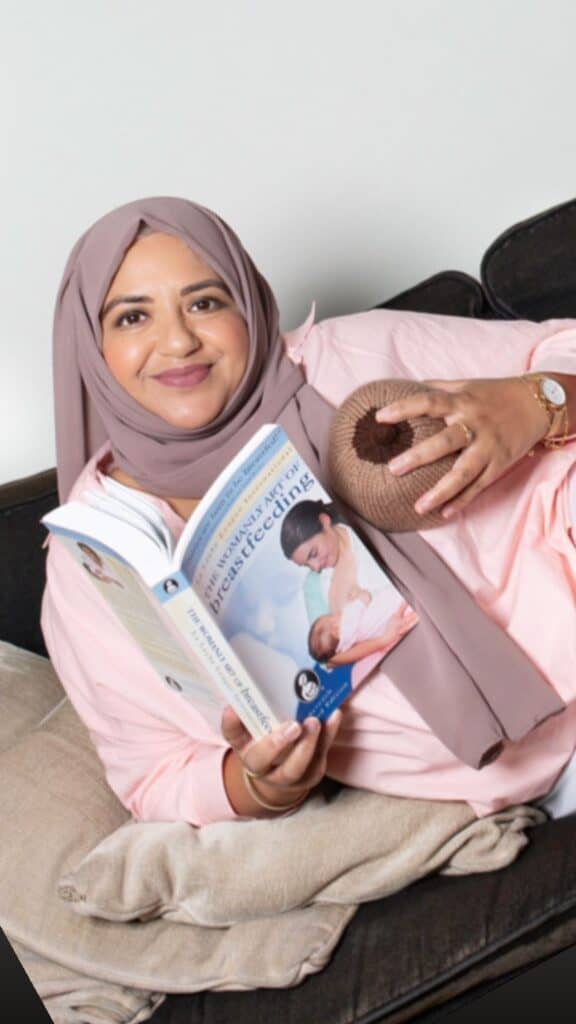
Zarina’s determination to breastfeed was a quiet rebellion against both institutional neglect and deeply entrenched cultural norms. Her turning point came with her third child, when she discovered The Womanly Art of Breastfeeding by La Leche League (LLL). This book became her lifeline, providing the evidence-based information she had desperately sought. "I borrowed it from the library and read it intensively for the whole nine months," she recounts. This intensive self-education empowered her, dispelling myths such as colostrum being "dirty" and teaching her about relactation possibilities. Armed with knowledge, she felt a newfound confidence: "I felt that now I had all this information, no one was going to mess with me!" This third baby was breastfed for two years, despite continued critical comments from her family and community.
Her personal challenges also led her to seek community support. After developing mastitis when her third baby was a few weeks old, she contacted an LLL Leader and attended a group in Wimbledon. This initial foray into a support group, where she was the only woman wearing traditional shalwar kameez, was fraught with self-consciousness. "It was tricky to feed in a longer top and I felt awkward and embarrassed," she recalls, highlighting the intersection of cultural modesty and the practicalities of public breastfeeding. It took years for her to regain the courage to return to such a group.
From Recipient to Provider of Support: The Birth of an Advocate
Even in her early days as a mother, Zarina felt an intrinsic desire to help others. Just four weeks after her first daughter’s birth, she found herself assisting her husband’s aunt with engorged breasts, realizing the shared struggles faced by mothers in similar cultural contexts. She also provided crucial support to her younger sister, normalizing breastfeeding within her immediate family. This advocacy eventually softened her own mother’s stance, who, witnessing her grandchildren thrive, "grew to love it and was really supportive when I breastfed my last two children." This intergenerational shift underscored the power of positive role modeling and tangible success.
Her long-held wish to become a breastfeeding peer supporter finally materialized after her fifth child. This birth, though improved, still presented breastfeeding challenges due to her baby’s prematurity (35 weeks) and severe reflux. Seeking help at a local breastfeeding café, she stumbled upon an advertisement for La Leche League’s 12-week peer supporter training course, run by the NHS. This discovery felt providential. "Thank God I came today!" she thought, determined to provide the proper, empathetic support she had lacked. Graduating from the course, receiving a knitted "boob" as a symbol of her achievement, solidified her commitment.
As a peer supporter for several years, Zarina was a lone voice within her community, often the only Muslim peer supporter. She observed that Asian women rarely attended the groups she ran, pointing to the importance of cultural representation and trust. "It’s easier to relate to people who look like you, even when there isn’t a language barrier," she explains, underscoring the need for culturally competent support. Her impact extended beyond her own community, with many mothers she helped expressing a desire to "take me home with them," a testament to her empathetic and effective guidance.
Broader Impact and Ongoing Advocacy
Today, Zarina works as a doula, supporting mothers through birth and the postnatal period. Her journey epitomizes the strength required to challenge established norms and advocate for better maternal care. Her work now involves addressing systemic issues, such as those within neonatal intensive care units (NICUs) for premature babies. Last year, she participated in a project with The Raham Project in Peterborough and the charity BLISS, sharing her birth stories, some of which remain deeply painful.
Her efforts have borne fruit within her own family. Her five children, now grown, have witnessed her unwavering commitment. Her eldest daughter, now a mother of three, has embraced breastfeeding with remarkable success, tandem feeding and continuing with her youngest for eight months. This stands in stark contrast to Zarina’s own initial struggles, demonstrating a profound intergenerational shift facilitated by her advocacy and her husband’s evolving support. Her household has become an unusual Pakistani family where open discussions about breastfeeding, periods, and women’s health are normalized, influencing her children’s spouses and friends. Her daughters are even exploring home births, a radical departure from traditional expectations within their community.
Addressing the Persistent Stigma: Culture vs. Faith
Despite progress, Zarina emphasizes that "there is still a lot of shame surrounding breastfeeding in the Asian community." Many families remain "quite prudish," hindering women from accessing vital support. The cultural reluctance to expose oneself, even among women, creates a significant barrier. Zarina distinguishes this from religious strictures: "It’s not religious shame and fear, it’s the culture that has been confused with religion." She points out that Muslim faith teaches that "the baby has a right to be breastfeed for however long they wish," often misinterpreted as a strict two-year limit.
This confusion highlights the critical need for culturally sensitive breastfeeding support that can build relationships of trust. By understanding and addressing these fears, supporters can help normalize breastfeeding as a natural and beneficial process.
The Broader Landscape of Breastfeeding in the UK and Ethnic Minority Communities
Zarina’s experiences resonate with broader data on breastfeeding rates in the UK. While breastfeeding initiation rates are relatively high, sustained breastfeeding rates, particularly exclusive breastfeeding, decline significantly in the weeks and months following birth. In 2022-23, approximately 81% of mothers in England initiated breastfeeding, but only 47% were breastfeeding at 6-8 weeks, and even fewer exclusively.
Among South Asian communities, cultural factors, modesty concerns, and lack of family support are frequently cited as barriers. Research from Public Health England and other bodies consistently highlights that women from certain ethnic minority groups face additional challenges in accessing and sustaining breastfeeding, often due to a combination of cultural expectations, socio-economic factors, and a lack of culturally appropriate healthcare provision. For instance, the infant feeding survey data often shows variations across different ethnic groups, though specific detailed breakdowns for sub-groups like Pakistani communities can be complex to isolate in national statistics.
The benefits of breastfeeding are well-documented by global health organizations like the World Health Organization (WHO) and UNICEF. Breast milk provides optimal nutrition, antibodies that protect against infections and chronic diseases, and fosters a unique bond between mother and child. For mothers, it reduces the risk of certain cancers and type 2 diabetes. For the healthcare system, increased breastfeeding rates lead to fewer infant hospitalizations and reduced healthcare costs.
Initiatives like The Raham Project and BLISS, with which Zarina is involved, are crucial in addressing these disparities by providing targeted support and advocating for culturally competent care within NICUs and wider maternal health services. These projects recognize that effective support must be holistic, addressing not only the clinical aspects but also the cultural, social, and emotional dimensions of infant feeding.
Conclusion: A Call for Collective Action
Zarina Ayyub’s story is more than a personal memoir; it is a powerful indictment of systemic failures and a testament to the enduring human spirit. Her relentless pursuit of knowledge, her courageous stand against cultural stigma, and her dedication to supporting other mothers have created a ripple effect, transforming her family and inspiring broader community change.
Her message is a rallying cry for all stakeholders—healthcare professionals, community leaders, and families—to work collaboratively. By fostering environments of trust, providing evidence-based and culturally sensitive information, and challenging outdated beliefs, society can ensure that breastfeeding becomes the "natural and normal way of life that it surely is" for every mother and child, irrespective of their background. Her work, and that of countless others like her, is vital in bridging the gap between medical science and cultural practice, ensuring that future generations of mothers receive the unwavering support they deserve.
