

Published November 2025. Reviewed by Craig Canapari, MD.
Sleep regressions—a common and often bewildering phase where a child’s established sleep patterns temporarily worsen—are a frequent topic of concern for parents. For many, these disruptions emerge after significant effort has been invested in achieving consistent sleep for their child. While the term itself is met with skepticism by some medical professionals due to its imprecise nature, the underlying phenomenon of disrupted sleep is very real and impacts countless families. This article aims to demystify these periods, explore their timing, offer practical strategies for parents, and address common questions.
The Elusive Nature of "Sleep Regression"
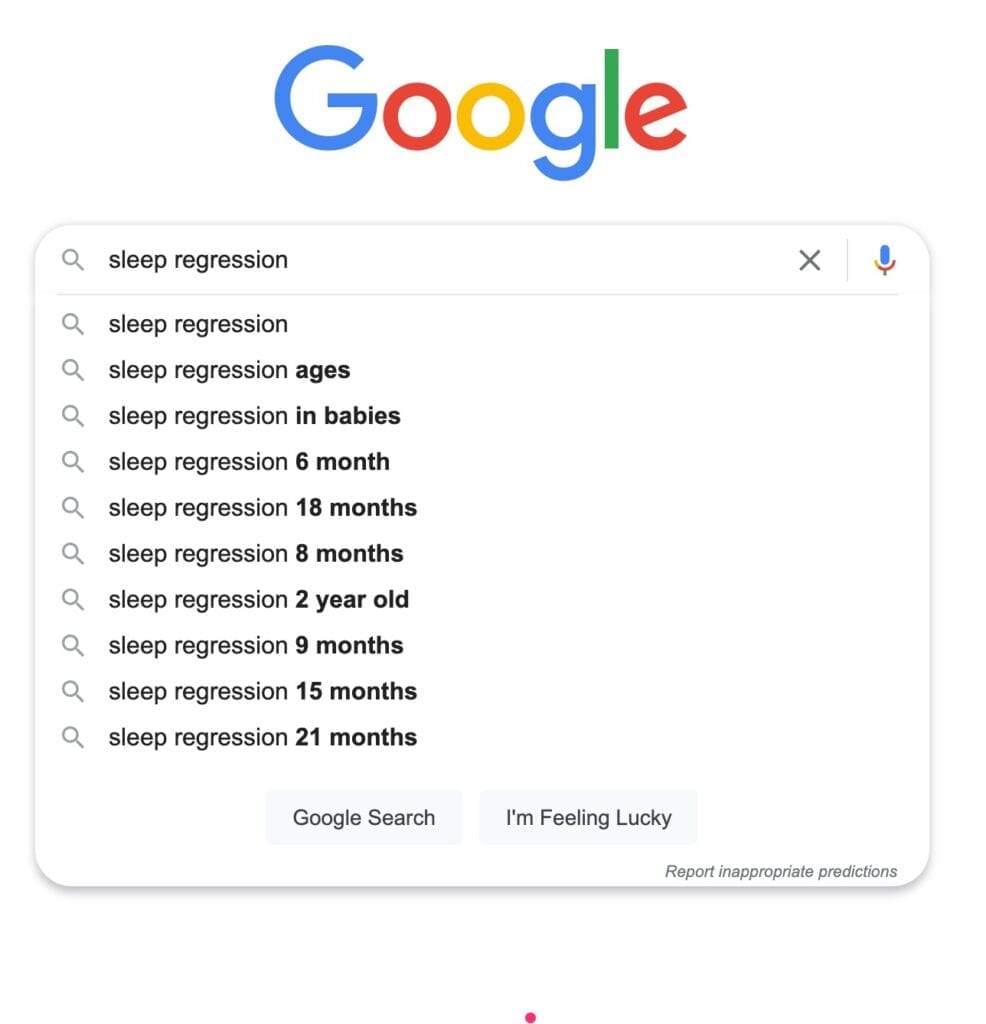
The term "sleep regression," while widely used and understood by parents, is not a formally recognized medical diagnosis. Dr. Craig Canapari, a pediatrician and director of the Sleep Clinic, expresses a professional reservation about its imprecision. "I don’t love the term ‘sleep regression’ because I feel like the term is imprecise," Dr. Canapari states. "While tired parents still need help, even if the term is slippery." Online searches for "sleep regression" yield a vast array of information, often linking these disruptions to specific age milestones such as the "8-month sleep regression" or the "2-year-old sleep regression." However, a review of the medical literature reveals a notable absence of this specific terminology.
This disconnect between popular parental understanding and formal medical classification highlights a key challenge: while the label may be informal, the experience of a child suddenly struggling with sleep after a period of consistent rest is a significant concern for caregivers. These episodes are often characterized by increased night wakings, shorter naps, or difficulty settling down to sleep. The frustration is amplified when parents believe they have successfully navigated a child’s sleep challenges, only to face a sudden reversal.
Understanding the Phenomenon: Beyond a Simple "Regression"
Rather than a true "regression," these periods are more accurately understood as temporary disruptions in a child’s sleep cycle, often coinciding with significant developmental leaps, environmental changes, or shifts in routine. These disruptions are not necessarily indicative of a step backward in development but rather a phase where a child’s evolving needs or external factors temporarily impact their ability to sleep soundly.
The concept of a "phase" is often used to describe these situations. As Dr. Canapari explains, a phase can be defined as "an annoying and inexplicable thing your child is doing that will probably get better soon, and that I as a pediatrician don’t have a great explanation for." This pragmatic approach acknowledges the reality of the parental struggle, even if a definitive medical cause isn’t immediately apparent.
While many specific "sleep regressions" are discussed online—such as the "4.75 Month Sleep Regression" or even more niche designations—medical research does not support a universal, predictable schedule of these events. Dr. Jodi Mindell, a prominent pediatric sleep researcher, conducted an informal analysis of survey data from thousands of mothers. Her findings, based on sleep patterns of children aged six years and under, did not reveal consistent spikes in night wakings at specific ages. For example, only 28% of parents surveyed reported sleep problems around three months, and 30% around five months. Dr. Mindell concluded, "The data clearly indicate that there’s no specific age at which all of a sudden you see a shift in sleep." This suggests that many commonly cited "regressions" may be more closely linked to individual developmental milestones or transitions, such as the natural phasing out of naps, which occur at different times for different children.
The "Big Sleep Regressions": Predictable Windows of Disruption?
Despite the lack of a universally defined set of regressions, certain developmental periods are more commonly associated with sleep challenges. These can be broadly categorized as the "Big Sleep Regressions," characterized by significant cognitive, motor, or emotional development in infants and toddlers.

- Around 4 Months: This period often marks a significant shift in infant sleep patterns. Before this, infants have a more newborn-like sleep cycle. Around four months, their sleep cycles begin to mature, becoming more similar to adult sleep cycles, with periods of lighter and deeper sleep. This transition can lead to more frequent waking as they learn to navigate these new cycles.
- Around 8-10 Months: This timeframe frequently coincides with increased mobility (crawling, pulling to stand), separation anxiety, and cognitive development, including object permanence. Babies may wake more frequently due to a desire to practice new skills or distress from being separated from their caregivers.
- Around 12-18 Months: Toddlers in this age range are often mastering new physical skills, expanding their vocabulary, and experiencing increased independence. Teething can also be a significant factor. These developmental leaps can lead to unsettled sleep.
- Around 2 Years: The "terrible twos" are also often associated with sleep disruptions. This period is marked by burgeoning language skills, a stronger sense of self, and increasing assertiveness. Tantrums and a desire for independence can spill over into bedtime and nighttime sleep.
It is crucial to note that these are general timeframes, and individual children will experience these developmental shifts at their own pace. Furthermore, disruptions to nap schedules, sometimes referred to as "nap strikes," are a distinct but related phenomenon. Parents seeking more specific guidance on nap-related issues can refer to dedicated resources on nap problems and nap strikes.
Navigating the Storm: Strategies for Managing Sleep Disruptions
When faced with a child’s sleep disruption, the initial parental reaction is often one of concern, particularly if the child had previously been sleeping well. The first and most critical step, according to Dr. Canapari, is "not to panic."
"In my experience, anywhere from 1-3 nights of sleep difficulties happen periodically without a clear cause," he advises. "I would wait and keep doing what you are doing—keep the same schedule, comfort your child, and just try to wait it out. Sometimes kids just do annoying things." This period of observation is vital. It allows parents to assess whether the disruption is a fleeting anomaly or a more persistent issue.
However, if the sleep difficulties persist beyond a few nights, there is a risk that they can evolve into ingrained "bad habits." This is particularly true if parental responses inadvertently reinforce the disruptive behavior. For instance, a common reaction to a toddler waking at night is to bring them into the parent’s bed. While seemingly a comforting solution in the short term, this can create a new, harder-to-break habit of seeking parental presence to fall back asleep.
A Step-by-Step Approach to Addressing Persistent Sleep Issues
For disruptions that extend beyond a few nights, a more structured approach is recommended:
- Maintain Consistency: Uphold your established bedtime routine and schedule as consistently as possible. Familiarity and predictability are cornerstones of good sleep hygiene.
- Reassess Sleep Habits: Review your family’s sleep practices. Has bedtime become more variable? Are you being less stringent with the pre-sleep routine? Small slips in consistency can sometimes trigger larger sleep problems.
- Comfort, Don’t Coddle: Offer appropriate comfort to your child during nighttime wakings, but avoid introducing new habits that could prolong the issue. This might mean a brief reassuring presence or a drink of water, rather than extended play or co-sleeping.
- Review Nap Schedule: Ensure that daytime naps are age-appropriate and not interfering with nighttime sleep. Overtiredness or undertiredness from naps can significantly impact night sleep.
- Check for Underlying Issues: If sleep disruptions are severe or prolonged, it is prudent to consult with a pediatrician. Medical conditions such as illness (e.g., a cold), teething pain, or even more serious issues like sleep-disordered breathing (snoring) can manifest as sleep problems. Differentiating between a developmental phase and a medical cause is crucial.
- Reinforce Positive Sleep Associations: Ensure your child has a comfortable and safe sleep environment. This includes a dark, quiet room and a consistent sleep surface.
Preventing and Mitigating Prolonged Sleep Disruptions
Prevention is often more effective than intervention. By consistently implementing good sleep practices, parents can build a strong foundation that may help mitigate the severity and duration of sleep disruptions.
- Prioritize a High-Quality Bedtime Routine: This routine should be consistent, calming, and predictable, signaling to the child that it is time to wind down. Activities like a warm bath, reading a book, and quiet cuddles can be beneficial.
- Respect Sleep Schedules: Adhere to age-appropriate wake windows and nap schedules. Overtiredness is a common precursor to sleep difficulties.
- Avoid Inadvertent Reinforcement: Be mindful of how you respond to night wakings. Avoid creating dependencies on parental presence or interventions that are not sustainable long-term. For example, consistently offering a bottle or pacifier for every wake-up can create a habit.
Frequently Asked Questions About Sleep Disruptions
What is the first thing parents should do if their child is now having sleep issues?
The initial step is to calmly observe the situation for 1-3 nights, maintaining the existing routine. If the disruption persists, reassess your own sleep habits and ensure consistency.
How long can we expect sleep disruptions to last?
True temporary disruptions, often labeled as regressions, are typically brief, usually lasting less than a week. Persistent issues may indicate a need for more targeted intervention or a consultation with a pediatrician.
If my child’s sleep disruption is so disruptive and doing nothing is just not working, what can we do to make it come to an end?
It is time to return to sleep hygiene basics. This includes a robust bedtime routine, ensuring consistent sleep schedules, and providing minimal but comforting support during night wakings. Consulting your pediatrician is also recommended.

Can these disruptions be prevented? For example, when you’re about to potty train your child, can you prepare for a possible sleep disruption and stop it from happening?
While complete prevention is not always possible, parents can proactively reinforce strong sleep habits. Doubling down on a high-quality bedtime routine and being particularly vigilant about respecting your child’s sleep schedule during transitional periods like potty training can be beneficial.
What can we avoid doing so we don’t make sleep disruptions worse or last longer than they need to?
Avoid inadvertently reinforcing the problem behavior by providing excessive attention or introducing new, unsustainable sleep associations. For instance, immediately responding to every whimper with a feeding or extensive comfort can prolong the disruption.
Are all children going to go through these periods? Are some more likely than others?
While the term "sleep regression" lacks formal definition and extensive research, it is a commonly observed phenomenon. Children naturally go through developmental phases that can impact their sleep. The intensity and duration of these disruptions can vary significantly from child to child.
What are medical causes we should be on the lookout for?
Common illnesses, such as the common cold, can significantly disrupt sleep. Symptoms like snoring, restless sleep, or complaints about leg discomfort should be discussed with a pediatrician, as they may indicate underlying medical issues.
How do you tell the difference between a "regression" and an issue like teething or a fever that might cause interruption in sleep patterns?
Often, the distinction becomes clearer in hindsight. A fever or acute teething pain will typically resolve within a few days, and sleep patterns will return to normal. Persistent sleep issues beyond the resolution of these acute symptoms may warrant further investigation.
What are good sleep practices for kids that we should make sure to faithfully implement so we all get a good night’s sleep?
Key practices include:
- Consistent Bedtime and Wake-Up Times: Even on weekends, maintaining a regular schedule helps regulate the body’s internal clock.
- Calming Bedtime Routine: A predictable sequence of relaxing activities before bed signals that it’s time to sleep.
- Optimal Sleep Environment: Ensure the bedroom is dark, quiet, and at a comfortable temperature.
- Age-Appropriate Naps: Balance daytime sleep with nighttime sleep to prevent overtiredness or undertiredness.
- Independent Sleep Skills: Encourage your child to fall asleep independently to help them resettle if they wake during the night.
Navigating childhood sleep is an ongoing journey, and periods of disruption are a normal, albeit challenging, part of the process. By understanding the likely causes, employing consistent strategies, and knowing when to seek professional guidance, parents can effectively manage these phases and work towards more restful nights for the entire family.
Wave Goodbye to Sleepless Nights
Struggling with your child’s sleep? My FREE Sleep Training Mini Course is your lifeline. Learn actionable steps to improve your family’s sleep quality. Subscribe today and say hello to better nights!