

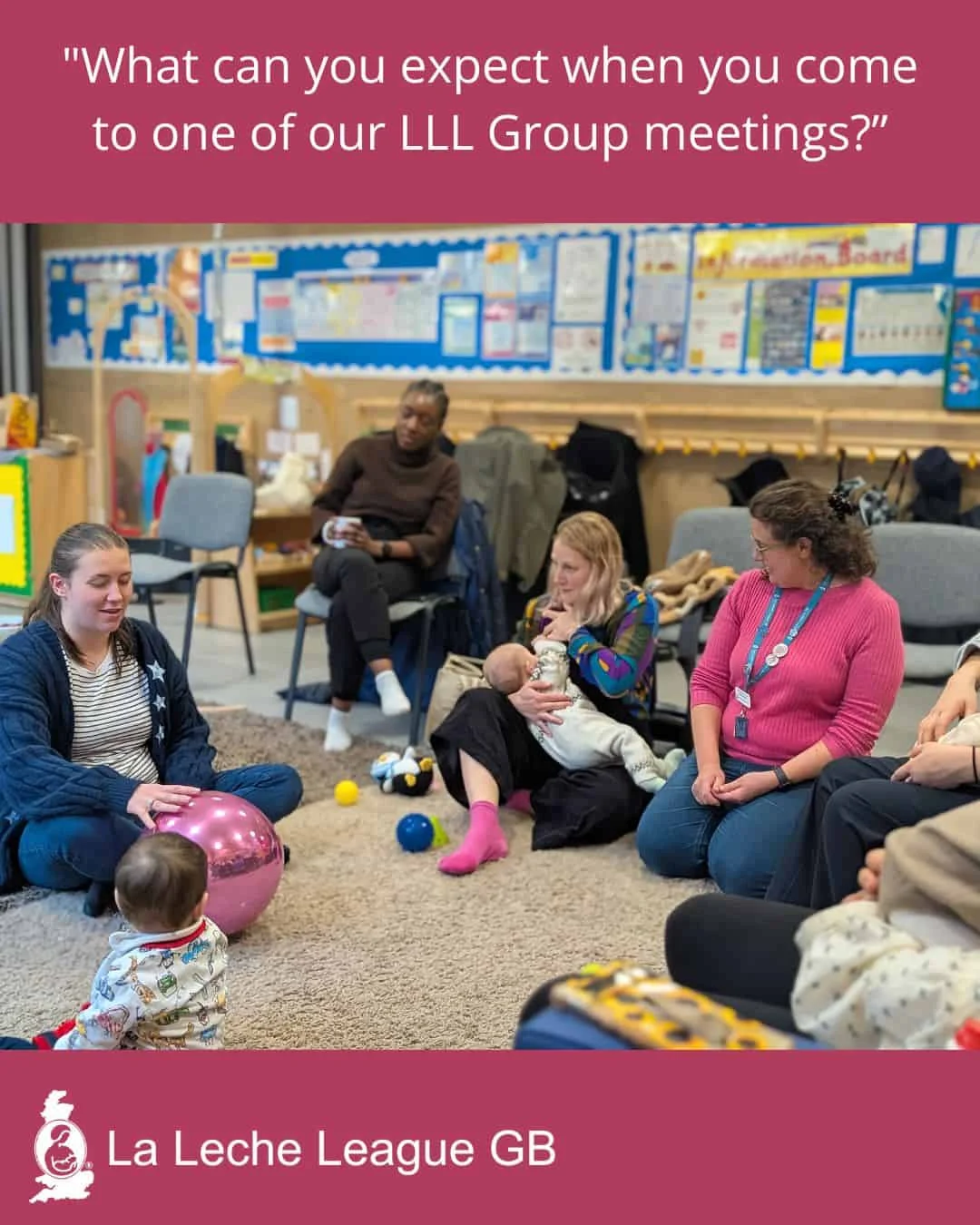
A recent gathering of La Leche League (LLL) Barnet underscored the complex, often emotionally charged landscape faced by breastfeeding mothers transitioning back to work. The circle, a regular forum for peer support and information sharing, brought together a diverse group of mothers, spanning varied experiences from solo parenting to raising older children, with infants ranging from three to 20 months. This rich tapestry of perspectives illuminated the profound commonalities and unique challenges inherent in combining breastfeeding with professional responsibilities, particularly the significant anxiety accompanying this major life change. The discussions provided a grounding testament to the deep-seated biological imperative for maternal care, highlighting how the anticipation of separation and its potential distress can overshadow the practicalities of returning to a career, making it an intensely emotional journey long before it becomes a logistical one.
The LLL Circle: A Vital Nexus of Support and Shared Experience
The La Leche League, an international non-profit organization, has for decades served as a critical resource for mothers seeking breastfeeding support and information. LLL Barnet, like its counterparts worldwide, provides a safe and empathetic space where mothers can share experiences, seek advice, and find solidarity. These circles are not merely informational sessions but vital community hubs where vulnerability is met with understanding, and shared wisdom empowers individual journeys. The recent meeting exemplified this, showcasing a spectrum of maternal experiences from first-time mothers grappling with early infant care to seasoned parents navigating the demands of multiple children while maintaining a breastfeeding relationship. This diversity underscores that while the specifics of each mother’s situation vary, the underlying emotional and practical considerations of returning to work while breastfeeding resonate across different stages of parenthood and infant development. The format of open discussion allows for the organic emergence of common themes, fostering a sense of collective strength in addressing universal challenges.
Navigating the Return: Emotional and Biological Underpinnings
The dominant theme of the LLL Barnet meeting was the apprehension surrounding the return to employment for breastfeeding mothers. This anxiety is deeply rooted in human biology, reflecting the innate maternal drive to protect and nurture offspring. For many mothers, the thought of extended periods away from their infants, particularly during the crucial early months, triggers profound emotional responses. This sentiment is supported by research indicating that maternal separation anxiety is a real phenomenon, often exacerbated by societal pressures and the biological imperative to maintain proximity for feeding and bonding. Studies have shown that cortisol levels can rise in both mother and baby during separation, underscoring the physiological impact of this transition.
The emotional complexity is further compounded by the unpredictability of infant behavior. As one mother eloquently put it, "It’s often an emotional ride before it’s a practical one." This reflects the mental load involved in anticipating not just personal adjustment but also the baby’s potential distress and adaptation. Whether returning part-time or full-time, the emotional preparation can be as demanding, if not more so, than the logistical planning. This period demands a high degree of self-compassion and external validation, which peer support groups like LLL Barnet are uniquely positioned to provide.
Logistical Labyrinths: Pumping, Feeding, and Childcare Strategies
Beyond the emotional landscape, the LLL Barnet discussion delved into the practical intricacies of maintaining exclusive breastfeeding (EBF) alongside a demanding work schedule. For many, this involves mastering the art of pumping. Mothers shared their plans, with several opting for three nursery days per week, necessitating careful coordination of feeding and pumping schedules. The logistics can be daunting: finding appropriate spaces at work, managing pump parts, storing milk, and ensuring an adequate supply.
However, the meeting also offered a crucial counter-narrative. One mother recounted her stressful experience with pumping, ultimately finding that her baby adapted well without it. This served as a powerful reminder that "there are many paths through this season," challenging the often-perceived necessity of extensive pumping for all mothers. This flexibility is vital, as rigid expectations can add unnecessary stress.
The conversation also explored alternative feeding methods. While bottles are a common solution for delivering expressed milk, some families choose to bypass bottles entirely, introducing a cup instead. This decision often depends on the baby’s developmental stage and how established solids are in their diet. Between six and twelve months, breast milk remains a primary source of nutrition, and mothers were encouraged to extend grace to themselves and their infants if the child still heavily relies on it. Data from the World Health Organization (WHO) emphasizes the importance of continued breastfeeding up to two years and beyond, alongside complementary foods, highlighting that milk remains a significant nutritional component well past six months. This underscores the need for flexible feeding strategies that accommodate both the mother’s work schedule and the baby’s evolving needs.
Adapting to Change: Infant Development and Nursery Transitions
A significant point of discussion was the rapid pace of infant development and its implications for transitions. Babies undergo radical growth between two and four months, often seeming like "a different child" within that short span. This rapid change makes it challenging to predict how an infant will adjust to a new routine or caregiver. Yet, mothers frequently find that transitions unfold more smoothly than anticipated. Infants possess an inherent adaptability, often settling into predictable structures, such as a nursery’s routine of play, snack, nap, and home time.
The concern of entrusting primary caregivers with their infants’ care was a shared sentiment. Mothers, intimately familiar with their babies’ unique cues and needs, often feel vulnerable handing over this responsibility. However, positive experiences were also shared, with one mother expressing pleasant surprise at the knowledge and attunement of nursery staff. This highlights the importance of open communication with childcare providers, asking questions, seeking reassurance, and building trust. Such engagement benefits not only the baby’s adjustment but also the mother’s own nervous system, alleviating anxiety.
A fascinating physiological adaptation discussed was "reverse cycling," where babies naturally compensate for daytime separation by increasing their milk feeds at night or during times when the mother is present. This common and normal behavior allows breastfed babies to maintain their milk intake and strengthens the mother-infant bond after periods apart. While it may lead to more frequent night wakings initially, it is a testament to the baby’s innate ability to adapt and prioritize their nutritional and emotional needs.
The Role of Support Systems: From Home to Workplace
The LLL Barnet discussion implicitly highlighted the critical role of robust support systems. One mother shared her strategy of preparing her baby for nursery by planning an evening out with her partner, allowing a grandparent to manage bedtime. This proactive step not only helps the baby acclimatize to care from another trusted adult but also provides the parents with much-needed time for themselves. Such self-care, as acknowledged by the group, is vital for maternal well-being and the overall resilience of the family unit. The shared sense was that while the baby might play longer or sleep later, "everyone survives," and carving out time for enjoyment ultimately benefits all.
Beyond family and peer groups like LLL, the workplace plays a crucial role. Many countries, including the UK, have legal provisions requiring employers to provide reasonable accommodations for breastfeeding mothers, such as suitable facilities for pumping and adequate break times. However, awareness and implementation vary. Advocacy groups consistently call for stronger employer support, including flexible working arrangements, dedicated lactation rooms, and a culture that normalizes and supports working mothers. A 2023 survey by Maternity Action in the UK revealed that many mothers still face challenges accessing adequate breaks and facilities, impacting their ability to continue breastfeeding upon returning to work. This data underscores the gap between policy and practice.
Broader Implications: Public Health and Economic Perspectives
The challenges and solutions discussed at the LLL Barnet meeting have broader implications for public health and economic productivity. Supporting mothers to continue breastfeeding upon returning to work is not just a personal choice but a public health imperative. Breastfeeding is associated with numerous health benefits for both mother and child, including reduced risks of infections, allergies, and chronic diseases for infants, and lower risks of certain cancers and type 2 diabetes for mothers. The economic benefits are also substantial, with reduced healthcare costs due to healthier populations and lower absenteeism rates for both parents.
Furthermore, fostering an environment where mothers can successfully combine breastfeeding with their careers contributes to gender equality in the workforce. When mothers are adequately supported, they are more likely to return to work, remain in their jobs, and progress professionally, thereby reducing the gender pay gap and increasing female representation in leadership roles. Conversely, a lack of support can lead to mothers leaving the workforce prematurely, representing a loss of talent and experience for businesses and the economy.
The honest and tender exchanges at the LLL Barnet circle served as a powerful reminder that while transitions can feel immense, mothers are not alone in navigating them. The collective wisdom, empathy, and practical advice shared within such communities are invaluable resources for empowering mothers to confidently embrace both their professional aspirations and their breastfeeding journeys. The ongoing dialogue and support provided by organizations like La Leche League remain essential in building a society that truly champions and facilitates the choices of breastfeeding mothers in the modern workforce.
