

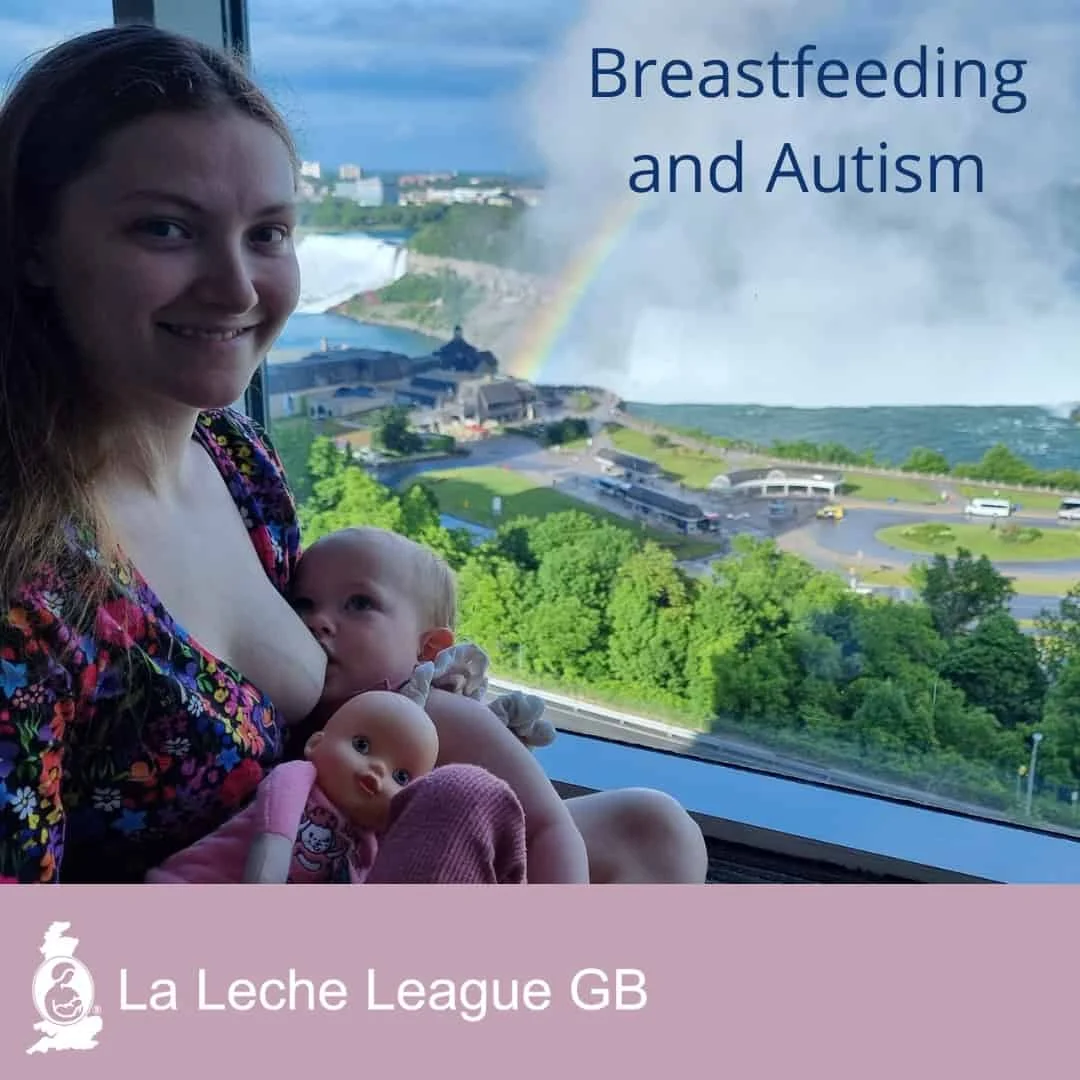
Autism, a lifelong neurodevelopmental difference, profoundly shapes how individuals perceive and interact with the world, impacting communication, social interaction, and sensory processing. While an estimated 0.82% of the English population has a diagnosed autism spectrum condition, studies suggest that up to 72% of autistic individuals, particularly women, may remain undiagnosed, presenting significant challenges for healthcare systems designed primarily for neurotypical populations. This diagnostic disparity underscores a critical need for individualized and neurodiversity-affirming support within maternity and breastfeeding services, recognizing the unique strengths and potential difficulties autistic parents may encounter, as well as the distinct needs of autistic children who are breastfed.
The journey of breastfeeding, universally acknowledged for its profound benefits for both parent and child, takes on specific nuances when neurodiversity is a factor. Many autistic women and parents choose to breastfeed, and a considerable number of breastfed children are also autistic. Understanding the multifaceted interplay between autism and breastfeeding is crucial for providing effective, compassionate, and accessible care, moving beyond a one-size-fits-all approach to embrace a spectrum of experiences.
The Landscape of Autism and Maternity Care
The rising awareness of neurodiversity has brought into focus the need for healthcare systems to adapt. For autistic women and parents, accessing standard maternity care and breastfeeding support can be fraught with barriers. The "spectrum" nature of autism means that each individual’s experience is unique, with abilities and challenges fluctuating based on environmental and situational factors. This variability necessitates highly individualized support, which traditional healthcare models often struggle to provide. A significant challenge is the phenomenon of "masking," where autistic individuals suppress their natural behaviors to conform to social expectations, often at great personal cost, making it difficult for healthcare providers to identify their true support needs.
Breastfeeding for Autistic Parents: Strengths and Challenges

For many autistic women, the act of breastfeeding offers a unique blend of calm, quiet, and empowerment. It provides a structured, protected time for rest and bonding, which can be particularly grounding for individuals who experience sensory overload in other aspects of their lives. Anecdotal evidence suggests that the rhythmic, predictable nature of breastfeeding can be deeply soothing. Furthermore, autistic individuals often demonstrate exceptional determination and a meticulous approach to research, meaning those who choose to breastfeed frequently arrive with a wealth of self-acquired knowledge, making them highly committed to their breastfeeding goals. This inherent drive can be a significant asset in overcoming potential hurdles.
However, the path is not without its difficulties. Communication differences are a primary concern. Some autistic individuals experience situational mutism or find verbal communication challenging, especially under stress. Healthcare providers must be equipped with a range of communication methods, including written forms, visual aids, picture cards, or even sign language, to ensure effective dialogue and information exchange. The La Leche League Great Britain (LLLGB) offers a valuable written Help Form, addressing a common barrier for those who struggle with phone calls or face-to-face interactions.
Sensory differences represent another critical area. Autistic individuals may experience heightened or reduced sensitivity to smell, taste, touch, sight, and sound. This can impact breastfeeding in various ways: the feel of a baby latching, the smell of milk, the sounds of a nursing infant, or the visual environment of a feeding space can all be overwhelming or underwhelming. Creating a sensory-friendly environment – dim lighting, reduced noise, comfortable seating, and minimizing strong scents – can significantly enhance the breastfeeding experience. Conversely, certain sensations might be sought out for comfort or regulation.
Accessing social support is frequently cited as a major hurdle. Many autistic mothers report a lack of social support and anxiety about attending group settings, which are often the primary venues for breastfeeding assistance. The unstructured nature, unpredictable social dynamics, and sensory environment of a typical breastfeeding group can be profoundly overwhelming. Providing visual schedules, clear directions, and the option to bring a support person can help mitigate these anxieties. The higher rates of Post-Traumatic Stress Disorder (PTSD) within the autistic community, often linked to previous negative healthcare experiences and a perceived lack of bodily autonomy post-birth, further underscore the need for trauma-informed care and respectful, consent-based interactions in all maternity services.
Key Considerations for Supporting Autistic Breastfeeding Parents:
- Individualized Care Plans: Tailor support to the specific needs, preferences, and communication styles of each parent.
- Accessible Communication: Offer multiple communication channels beyond verbal interaction, including written forms, email, and visual aids.
- Sensory-Aware Environments: Provide options for quiet, dimly lit spaces during consultations or group meetings. Ask about sensory preferences (e.g., aversion to touch, strong smells).
- Trauma-Informed Approach: Be mindful of past experiences and ensure all interactions are respectful, empowering, and consent-driven.
- Proactive Outreach: Recognize that autistic parents may struggle to ask for help and offer support proactively in non-intrusive ways.
- Information Delivery: Present information clearly, concisely, and factually, avoiding ambiguity or excessive jargon. Written materials can be highly beneficial.
- Validation and Empowerment: Acknowledge their strengths and determination, validating their unique experiences rather than pathologizing them.
Breastfeeding an Autistic Child: Unique Dynamics

While adult autism diagnoses remain underrepresented, diagnosis rates in children are steadily increasing. This trend highlights the importance of understanding how neurodiversity can influence early childhood experiences, including feeding. The World Health Organization (WHO) recommends breastfeeding for two years and beyond, with the natural age of weaning estimated between 2.5 and 7 years. For autistic or neurodivergent children, extended breastfeeding may hold particular significance due to its comfort, nutritional, and regulatory benefits.
Autistic children often process sensory input differently, which can manifest as hypersensitivity (over-responsiveness) or hyposensitivity (under-responsiveness) to various stimuli. These sensory differences directly impact feeding patterns. Some autistic children may seek frequent breastfeeding as a means of sensory regulation, finding comfort and predictability in the act, especially when overwhelmed by external stimuli in busy or unfamiliar environments. Conversely, others might struggle to feed when specific sensory inputs – such as the temperature of a room, the texture of clothing, or certain sounds – are distressing. Identifying and modifying these environmental factors can be crucial for successful feeding.
Many neurodivergent children are described as "high needs" babies, characterized by an intense desire for proximity and comfort from their primary caregiver. While this is a normal aspect of infant development, it can be particularly pronounced in autistic children, demanding significant parental energy and focus. Parents of "high needs" children require robust social support networks and dedicated self-care strategies to navigate the intense early years. Finding like-minded communities, whether online or in person, can provide invaluable validation and practical advice.
Feeding Patterns, Boundaries, and Weaning in Autistic Children
The journey of feeding an autistic child often presents unique considerations regarding feeding patterns, establishing boundaries, and the eventual process of weaning. Parents frequently report challenges with frequent feeding into toddlerhood and a scarcity of information tailored to their specific circumstances. Weaning can be particularly complex due to sensory sensitivities, communication differences, and the integral role breastfeeding plays in a child’s co-regulation and emotional comfort.
Autistic children may exhibit interoception difficulties, meaning they struggle to accurately perceive internal bodily cues such as hunger, thirst, or fullness. This can lead to irregular feeding patterns, where a child may not signal hunger until intensely ravenous or may continue to feed past satiety. Sensory issues can also manifest in food selectivity (often termed "picky eating"), where children reject solid foods based on texture, taste, smell, or appearance. In such cases, continued breastfeeding beyond infancy can be vital, providing essential nutrients that a child’s limited diet might otherwise lack.

Many mothers choose to continue breastfeeding until their child naturally self-weans, while others opt to set gentle boundaries, limiting the frequency, duration, or location of feeds. Some parents may ultimately decide to stop breastfeeding altogether. Navigating these decisions with an autistic child requires immense patience and understanding, particularly when communication is non-verbal or atypical. LLL Leaders and other breastfeeding support professionals can offer tailored information and strategies for establishing boundaries and facilitating weaning, considering the child’s developmental stage and communication abilities.
Strategies for setting boundaries or limiting breastfeeding with an autistic child might include:
- Visual Schedules: Using pictures or symbols to indicate when breastfeeding is available and when it is not.
- Transitional Objects: Offering a comfort item or alternative soothing activity when breastfeeding is not an option.
- Clear, Consistent Language: Using simple, predictable phrases to communicate intentions.
- Gradual Reduction: Slowly decreasing the number or length of feeds over time, rather than abrupt cessation.
- Alternative Comfort: Providing other forms of physical closeness, cuddles, or sensory input.
Broader Implications and Future Directions
The insights gained from understanding breastfeeding within the autistic community have significant implications for public health and healthcare policy. There is an urgent need for widespread neurodiversity training for all healthcare professionals, particularly those in maternity and pediatric care. This training should emphasize individualized care, accessible communication strategies, and the creation of sensory-friendly clinical environments. Policy initiatives should support the development and dissemination of specialized resources for autistic parents and parents of autistic children, ensuring that information is available in diverse formats.
Furthermore, societal understanding of neurodiversity needs to evolve to destigmatize diverse parenting styles and recognize the unique challenges and triumphs of autistic families. Research efforts should be expanded to explore the long-term impacts of breastfeeding on autistic children and the mental health outcomes for autistic parents, informing evidence-based support models.
The La Leche League Great Britain, through its provision of accessible support and resources like the written Help Form, exemplifies the kind of adaptive, inclusive approach that is vital. By championing personalized care, recognizing sensory and communication differences, and validating the experiences of neurodivergent families, we can foster a more equitable and supportive environment for all breastfeeding journeys.

Further Reading:
- Dysphoric Milk Ejection Reflex (D-MER)
- Still Nursing after 1 year
- Supporting a breastfeeding mother
- Weaning from the breast
Online Information:
- Maternity Autism Research Group (MARG)
References:
[1] O’Nions, E. et al., 2023
[2] Hampton, S. et al., 2021
[3] Hampton, S. et al., 2021
[4] Grant, A. et al. 2022
[5] Rumball, F., Happé, F. and Grey, N., 2020
[6] Grant, A. et al., 2022
[7] Crane, L. et al., 2018
[8] Dettwyler, K.A., 1999
Written by Emily Lunny, November 2023. Review due November 2026. Photos courtesy of Sophie Burrows and Emily Lunny. Copyright LLLGB 2023.
