

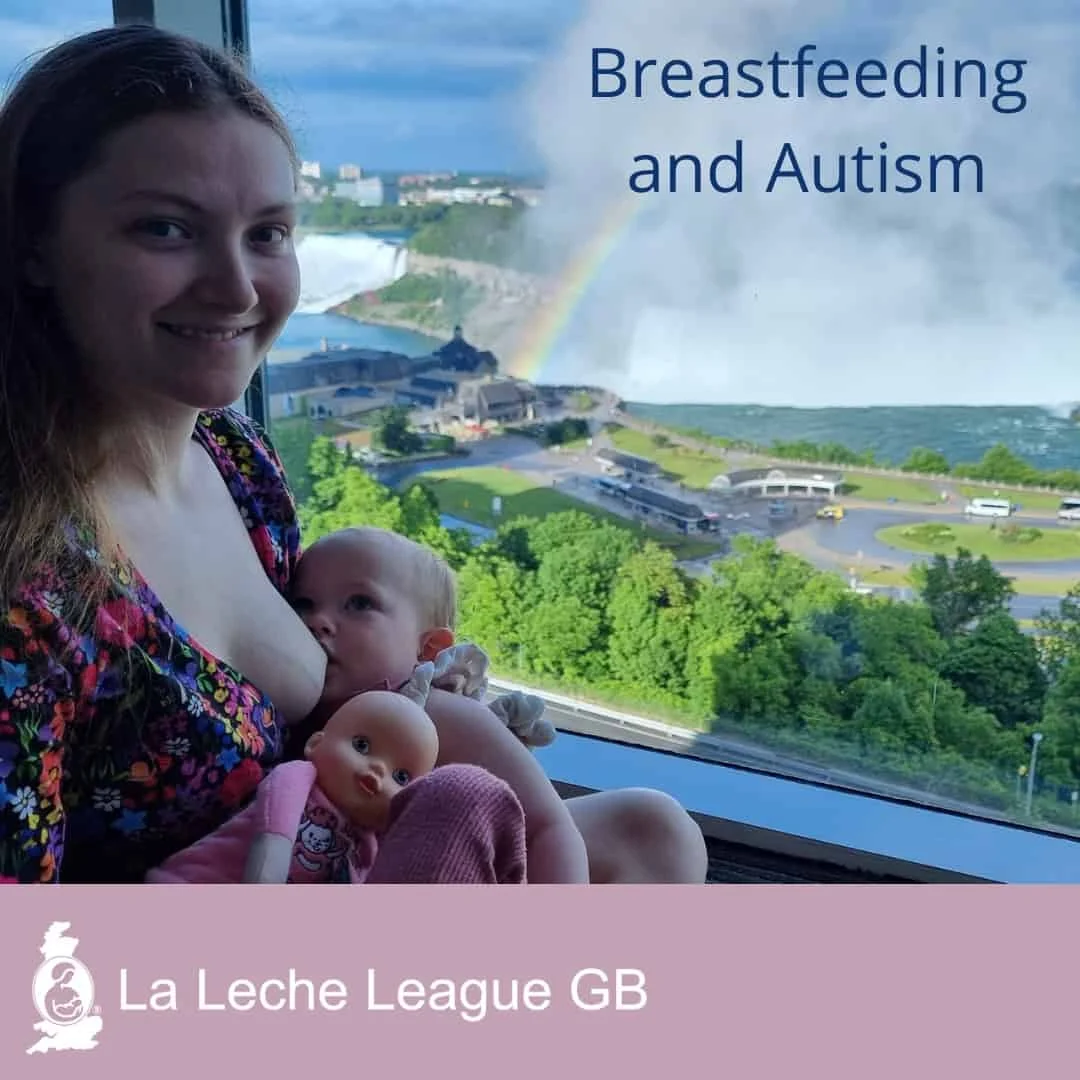
The intersection of autism and breastfeeding presents a landscape rich with unique strengths, challenges, and profound opportunities for tailored support. As understanding of neurodiversity evolves, it becomes increasingly clear that conventional approaches to maternal and infant care may not adequately serve autistic individuals, necessitating a re-evaluation of how support is offered to both autistic parents and those nurturing autistic children.
Understanding Autism and its Impact on Parental Experiences
Autism Spectrum Disorder (ASD), commonly referred to as autism, is a neurodevelopmental difference characterized by variations in social communication, interaction, and restricted or repetitive patterns of behavior, interests, or activities. It is increasingly understood through the lens of neurodiversity, recognizing autism as a natural variation in the human brain rather than solely a disorder. The spectrum nature of autism means that experiences are highly individualised; abilities and challenges can fluctuate significantly depending on context, environment, and an individual’s support needs. While official diagnoses in England estimate 0.82% of the population to be autistic, it is crucial to acknowledge that up to 72% of the autistic population, particularly women and gender-diverse individuals, are estimated to be undiagnosed. This significant diagnostic gap has profound implications for accessing appropriate support, as many individuals navigate parenthood without a formal understanding or recognition of their neurodivergent needs.
Historically, autism was predominantly associated with males, leading to diagnostic criteria and assessment tools that often overlooked the presentation of autism in women and girls. Autistic women often develop sophisticated masking strategies, learning to mimic neurotypical social behaviors to fit in, which can delay or prevent diagnosis. This can result in a lifetime of misinterpretations of their experiences, mental health challenges, and a lack of access to appropriate accommodations and support, especially during critical life transitions like pregnancy and early parenthood. The journey to parenthood and the subsequent decision to breastfeed are deeply personal, yet for autistic women and parents, these experiences can be uniquely shaped by their neurotype. Many autistic individuals choose to have children and embrace breastfeeding, often demonstrating remarkable determination and resilience. However, they may encounter additional hurdles that necessitate specific considerations and adaptive support mechanisms from healthcare providers and community networks.
The Breastfeeding Journey for Autistic Parents: Strengths and Challenges
For many autistic women and parents, breastfeeding can be a source of profound connection and calm. Testimonials frequently highlight the act of breastfeeding as providing a much-needed period of quiet, focused time, offering a sense of peace and respite from an often overstimulating world. This protected space can be deeply empowering, allowing the parent to connect with their infant in a way that feels natural and deeply satisfying. The predictable rhythm and tactile sensation of feeding can be inherently regulating for an autistic parent, acting as a grounding mechanism amidst the chaos of new parenthood. Autistic individuals often possess exceptional abilities in focused research and independent information gathering. Those who choose to breastfeed may meticulously delve into the science and practicalities of lactation, often arriving at parenthood with a comprehensive understanding that fuels their determination and commitment to their breastfeeding goals. This inherent drive, often linked to autistic special interests or hyperfocus, can be a significant asset in overcoming potential difficulties and advocating for their chosen feeding method.

However, the path is not without its complexities. Autistic parents may face distinct challenges in accessing and benefiting from standard maternity care and breastfeeding support, which are often designed with neurotypical communication and sensory processing in mind.
Navigating Communication Differences
Communication differences are a core aspect of autism, presenting in various forms. Some autistic individuals may experience situational mutism, where they are unable to verbally communicate in specific, often high-stress or unfamiliar, environments (such as a busy clinic or a new support group), despite being able to speak otherwise. This can severely hinder their ability to express needs, ask questions, or seek help during consultations or in support groups. Non-verbal cues may also be interpreted differently by neurotypical healthcare providers, leading to misunderstandings. Healthcare providers must adopt flexible communication strategies, including offering options for written or typed communication (e.g., via phone, tablet, or notepad), using clear visual aids, picture cards, or even incorporating sign language where appropriate. Presuming competence and offering multiple avenues for interaction are paramount to ensuring autistic parents feel heard and understood, fostering a sense of trust and safety.
Accessing Support and Social Engagement
Many autistic individuals find it challenging to engage with traditional support structures. Attending local breastfeeding groups can be daunting due to sensory overload from noise, unfamiliar environments, bright lights, or the pressure of social interaction. The unstructured nature of some groups, coupled with difficulties in initiating conversation, interpreting social cues, or maintaining eye contact, can lead to feelings of isolation and overwhelm. Furthermore, the societal expectation to "ask for help" can be a significant barrier; many autistic women may mask their struggles, suppressing behaviors and appearing fine even when in desperate need of support, often due to a lifetime of internalizing the need to conform or fear of judgment. This masking can make their needs invisible to support providers, who may mistakenly assume everything is fine.
The anxiety associated with phone calls, a common challenge for many autistic individuals, can also prevent access to vital national helplines or local support services. The unpredictable nature of phone conversations, the lack of visual cues, and the pressure to respond immediately can be overwhelming. Recognizing this, organizations like La Leche League Great Britain (LLLGB) offering written help forms are providing crucial, accessible pathways to support, demonstrating an understanding of diverse communication needs and a commitment to inclusivity.
Sensory Differences and Their Impact

Sensory processing differences are a core aspect of the autistic experience, where individuals may have heightened (hypersensitive) or reduced (hyposensitive) responses to sensory input across all five traditional senses, as well as proprioception (body awareness) and interoception (internal bodily sensations). For a breastfeeding parent, these differences can manifest in several ways:
- Tactile: The feel of a baby latching, suckling, or even their skin-to-skin contact might be intensely overwhelming, causing discomfort or aversion, or conversely, barely registered, leading to a lack of connection. Nipple sensitivity, the sensation of milk let-down (including Dysphoric Milk Ejection Reflex, or D-MER, which can be more prevalent in neurodivergent individuals), or the physical closeness required for feeding can be sources of discomfort or even pain if not managed carefully.
- Auditory: The sounds of a baby feeding, gulping, crying, or other ambient noises in a feeding environment (e.g., hospital ward, café) can be distressing or feel amplified.
- Olfactory: The natural scent of their baby, milk, or even the environment can be overwhelming or unpleasant.
- Visual: Bright lights, visual clutter, or direct eye contact can be distracting or cause discomfort, making it hard to focus on the baby or connect with support staff.
- Interoception: Difficulty accurately perceiving internal bodily signals like hunger, thirst, fullness, or even the urge to express milk can complicate responsive feeding, milk supply management, and self-care.
Understanding these diverse sensory profiles is critical for providing effective support. Creating calm, low-stimulation feeding environments, offering privacy, and suggesting adaptations like specific clothing, comfortable positions, or even ear defenders can make a significant difference.
Mental Health and Trauma-Informed Care
Autistic individuals are disproportionately affected by mental health challenges, with higher rates of anxiety, depression, and Post-Traumatic Stress Disorder (PTSD) compared to neurotypical populations. Experiences during childbirth and early postnatal care can be particularly traumatic if sensory needs are ignored, communication is misunderstood, or autonomy is compromised. Many autistic women report feeling a lack of control over their bodies and experiences after giving birth, exacerbating pre-existing vulnerabilities. A trauma-informed approach to care, which prioritizes safety, trustworthiness, peer support, collaboration, empowerment, and cultural sensitivity, is therefore not just beneficial but essential for autistic parents. This approach acknowledges the high prevalence of trauma and seeks to avoid re-traumatization by creating environments and interactions that promote healing and prevent further harm.
Supporting Autistic Breastfeeding Parents: A Paradigm Shift
Effective support for autistic breastfeeding parents requires a fundamental shift from a "one-size-fits-all" model to a highly individualised, neurodiversity-affirming approach. Key considerations for support providers include:
- Proactive Information Sharing: Providing detailed, clear, and visual information about services, meeting locations, and what to expect before attending groups or appointments. Virtual tours, photos of the venue, and clear agendas can reduce anxiety.
- Flexible Communication Options: Offering written, email, or text-based support in addition to phone calls, and allowing parents to bring a trusted support person to appointments.
- Sensory-Friendly Environments: Creating quiet spaces, offering adjustable lighting, minimizing strong scents, and allowing for movement or sensory tools (e.g., fidget toys, weighted blankets) during consultations.
- Empowerment and Autonomy: Respecting individual choices, explaining procedures clearly, and ensuring the parent feels in control of their body and care decisions. This includes offering choices, seeking consent, and clearly outlining the purpose of every intervention.
- Training and Awareness: Ensuring all maternity and breastfeeding support staff receive neurodiversity-affirming training to recognize, understand, and sensitively respond to the needs of autistic individuals. This training should emphasize the strengths of autistic individuals and move beyond deficit-based models.
Breastfeeding an Autistic Child: Nurturing and Navigating Unique Needs

While adult autism diagnoses remain underrepresented, diagnosis rates for children are increasing, reflecting improved awareness and evolving diagnostic criteria, as well as a broader understanding of autism’s presentation. For parents nurturing an autistic or neurodivergent child, breastfeeding can take on an even more profound significance, often extending beyond typical infant feeding patterns. The World Health Organization (WHO) recommends breastfeeding for two years and beyond, with the natural age of weaning estimated between 2.5 and 7 years. For an autistic child, breastfeeding can be a vital tool for regulation, comfort, and nutritional support, often becoming an indispensable part of their developmental journey. The predictable routine and sensory input of breastfeeding can offer a stable anchor in a world that might otherwise feel overwhelming and unpredictable.
Sensory Differences in Autistic Children and Feeding Patterns
Just as with autistic adults, autistic children experience and process sensory input differently. This can profoundly impact their feeding behaviors and needs:
- Regulation and Comfort: Many autistic children seek frequent breastfeeding as a means of self-regulation. When overwhelmed by sensory input from a busy environment, loud noises, bright lights, or unfamiliar situations, the familiar comfort, warmth, and rhythmic suckling of breastfeeding can provide a crucial anchor, helping them to calm and re-center. This can manifest as an intense desire to feed in overwhelming situations.
- Sensory Seeking/Avoiding: Some children may seek intense oral input, leading to very frequent feeds, while others may be highly sensitive to specific textures, temperatures, or flows (e.g., a fast let-down), causing them to feed less often or refuse feeds in certain situations. Even subtle environmental factors, from the temperature of the room to the feel of their clothing or the texture of the fabric against their skin, can affect their ability to feed comfortably.
- Interoception Challenges: Autistic children may also struggle with interoception, making it difficult for them to accurately recognize hunger, thirst, or satiety cues. This can lead to irregular feeding patterns, a preference for breastfeeding over solid foods even when not strictly hungry, or difficulty knowing when they are full, potentially leading to discomfort.
Parents of autistic children often describe them as "high-needs" babies, characterized by an intense need for proximity and connection with their primary caregiver. While all infants benefit from closeness, this need can be particularly pronounced in neurodivergent children, who may rely heavily on their parent for co-regulation and comfort, especially during early developmental stages. This intensive parenting can be emotionally and physically demanding, underscoring the critical importance of strong social support networks and diligent self-care for the parent. Support from family, friends, and like-minded communities is essential to mitigate burnout.
Feeding Patterns, Boundaries, and Weaning in Autistic Children
The extended duration of breastfeeding often observed in autistic children, while beneficial, can present unique challenges for parents, particularly as the child enters toddlerhood and beyond. Weaning an autistic child can be significantly more complex due to:
- Routine Dependence: Autistic children often thrive on predictability and routine. Breastfeeding may be a deeply ingrained part of their daily rhythm and a predictable source of comfort, making changes difficult to accept.
- Communication Barriers: If a child has limited verbal communication or struggles with abstract concepts, it can be challenging for parents to explain changes or negotiate new boundaries around feeding.
- Sensory Aversions to Solids: Many autistic children experience significant sensory sensitivities related to food, leading to highly restricted diets based on texture, taste, smell, or appearance. In such cases, breast milk may remain a primary source of essential nutrients, vitamins, and hydration, making weaning a more gradual and carefully managed process.
- Co-regulation Role: For some autistic children, breastfeeding is not just about nutrition; it’s a fundamental mechanism for emotional regulation, comfort, and security. Removing this without adequate alternatives can be highly distressing and lead to increased anxiety or meltdowns.
Parents may choose to continue responsive breastfeeding for many years, allowing the child to self-wean when they naturally outgrow the need. Others may seek support to establish gentle boundaries or gradually limit feeds to manage the demands on their own bodies and well-being. Strategies for setting boundaries and facilitating weaning, especially when communication is a factor, might include:

- Visual Schedules and Social Stories: Using visual cues, picture cards, or social stories to communicate when and where breastfeeding will occur, and when it will not. This provides predictability and helps the child understand expectations.
- Gradual Reduction: Slowly decreasing the frequency or duration of feeds, rather than abrupt cessation, allowing the child time to adjust.
- Offering Alternatives Proactively: Providing comfort objects, other forms of sensory input (e.g., a weighted blanket, a chewy toy), or nutritious snacks before a child requests to breastfeed, to meet underlying needs.
- Distraction and Engagement: Redirecting the child’s attention with engaging activities, preferred play, or sensory play when they seek to feed outside of established boundaries.
- Professional Guidance: Consulting with an LLL Leader, a Speech-Language Pathologist (SLP) specializing in feeding, or an Occupational Therapist (OT) can provide tailored strategies for managing sensory feeding issues and supporting gradual weaning, ensuring nutritional needs are met and emotional well-being is maintained.
Continuing to breastfeed into toddlerhood and beyond offers numerous benefits, providing continued immunological protection, crucial nutrients (especially for children with limited diets), and emotional security. However, the decision to continue, limit, or cease breastfeeding ultimately rests with the parent, and compassionate, informed support for any choice is essential.
Implications for Healthcare and Future Directions
The unique needs of autistic parents and children underscore the urgent need for systemic changes in maternal and infant healthcare. This includes mandatory neurodiversity-affirming training for all healthcare professionals, from midwives and lactation consultants to pediatricians and mental health providers. Such training should move beyond basic awareness to practical strategies for inclusive care. Services must be designed with accessibility in mind, offering diverse communication methods, sensory-friendly environments, and flexible appointment structures. This proactive approach ensures that support is available to those who may struggle to seek it out through traditional means. Research initiatives, such as those by the Maternity Autism Research Group (MARG), and advocacy groups, alongside organizations like LLLGB, are pivotal in driving these changes, promoting understanding, and developing resources that empower autistic families. By embracing a truly inclusive approach, healthcare systems can better support the well-being of neurodivergent families, ensuring that every parent and child receives the sensitive, informed, and individualised care they deserve throughout their breastfeeding journey.
