

Black Breastfeeding Week, observed annually during the last week of August, stands as a pivotal initiative designed to elevate the voices and lived experiences of Black women in the realm of infant feeding, a demographic whose narratives have been historically marginalized and underrepresented. This dedicated week is more than a mere observance; it is a critical intervention aimed at addressing systemic inequities and fostering a supportive environment where Black mothers can thrive in their breastfeeding journeys. Its establishment in 2012 by Kiddada Green, Kimberly Seals Allers, and Anayah Sangodele-Ayoka marked a turning point, recognizing the unique challenges faced by Black families and the urgent need for culturally congruent support and advocacy.
The Genesis of Black Breastfeeding Week: A Response to Systemic Disparities
The creation of Black Breastfeeding Week was not a spontaneous act but a deliberate response to deeply entrenched racial disparities in breastfeeding rates and maternal health outcomes. For decades, statistics have consistently shown that Black women in many Western nations, particularly the United States and the United Kingdom, initiate breastfeeding at lower rates and discontinue it earlier than their white counterparts. According to data from the Centers for Disease Control and Prevention (CDC), while overall breastfeeding initiation rates have improved, significant racial and ethnic disparities persist. In the U.S., for instance, Black infants consistently have the lowest rates of ever being breastfed and are less likely to be exclusively breastfed for the recommended six months. Similar trends are observed in the UK, where data indicates lower breastfeeding rates among Black African and Black Caribbean mothers compared to the national average.
These disparities are not accidental; they are the result of a complex interplay of historical, social, economic, and systemic factors. The legacy of slavery in the United States, which saw Black women forced into wet nursing roles for white families while their own children were denied their mothers’ milk, created a profound and lasting trauma that contributed to a disconnect from breastfeeding within the Black community. Post-slavery, the aggressive marketing of infant formula, often targeting Black communities with false promises of health and modernity, further eroded breastfeeding practices. Lack of access to culturally competent healthcare providers, insufficient paid parental leave, workplace discrimination, and a general absence of community-based lactation support tailored to the specific needs of Black families have compounded these issues over generations.
Against this backdrop, Black Breastfeeding Week emerged with five core goals: to highlight the disparities in breastfeeding rates, to celebrate Black breastfeeding families, to provide resources and support, to foster advocacy for policy changes, and to normalize breastfeeding within the Black community. It provides a platform for education, empowerment, and collective action, aiming to dismantle barriers and build a future where every Black mother has the equitable opportunity and support to breastfeed if she chooses.
The Power of Narrative: Melissa’s Journey and the La Leche League Ethos
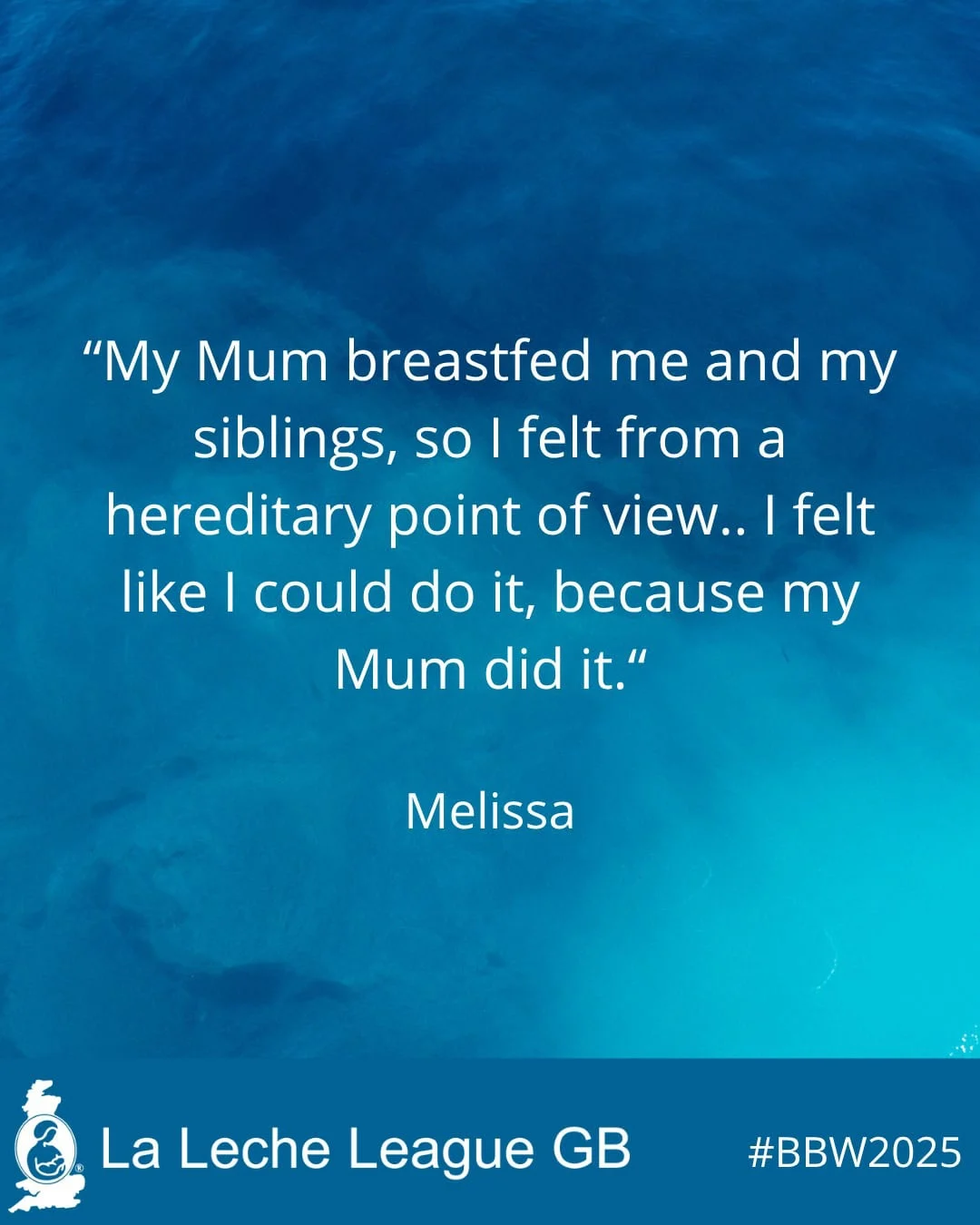
At the heart of organizations like La Leche League (LLL) is the profound belief that stories matter. Sharing personal experiences creates a vital connection, bridging individuals to a global community of parents and peers, fostering mutual learning and support. This philosophy is particularly resonant during Black Breastfeeding Week, where individual narratives illuminate broader systemic issues and inspire collective strength. A recent highlight for La Leche League UK was the sharing of Melissa’s journey, a mother from London, who eloquently captured her experiences of breastfeeding her five-month-old while navigating the daily rhythms of motherhood. Her reflections, originally shared as audio notes, offer invaluable insights into the multifaceted nature of the breastfeeding experience for Black women.
For Melissa, as for many Black mothers, the decision to breastfeed was deeply personal and empowering. It often stems from a desire to provide optimal nutrition, foster a unique bond with her child, and reclaim a practice that has historically been disrupted for Black communities. Her story underscores the importance of understanding individual motivations that transcend generic health recommendations, linking the act of breastfeeding to identity, heritage, and self-determination.
Prior to her own children, Melissa’s perception of breastfeeding, and whether it was common within her family, sheds light on the generational impact of historical factors. Many Black women grow up without seeing breastfeeding normalized within their immediate families or communities, a direct consequence of the historical trauma and targeted marketing previously mentioned. This lack of visible role models can create a vacuum of knowledge and confidence, making the journey feel more isolating. Melissa’s insights here are critical, highlighting the need to actively rebuild a culture of breastfeeding support and visibility.
The attitudes of friends and family often play a significant role in a mother’s breastfeeding success. For Black mothers, these attitudes can be particularly complex, ranging from enthusiastic support to skepticism or even pressure to formula-feed. These varying reactions can stem from a lack of information, cultural misunderstandings, or even well-intentioned but misinformed advice. Melissa’s experience likely reflects the navigating of these social dynamics, emphasizing the crucial need for consistent, accurate information and unwavering encouragement from a mother’s closest circle.
Melissa also touched upon the barriers she faced and what she wished she had known before embarking on her nursing journey. Common barriers for Black mothers include insufficient support from healthcare providers who may lack cultural competency, lack of access to lactation consultants, societal stigma, workplace inflexibility, and the emotional toll of historical trauma. Many wish they had been better prepared for common challenges such as latch issues, engorgement, or the sheer exhaustion that accompanies newborn feeding. The absence of comprehensive, culturally sensitive prenatal education can leave mothers feeling ill-equipped, underscoring the need for proactive and inclusive support systems.
Crucially, Melissa highlighted the useful sources of help and support she found. This often includes peer support groups, dedicated Black breastfeeding advocacy organizations, and individual lactation consultants who understand and validate the unique experiences of Black mothers. These networks provide not only practical advice but also emotional validation and a sense of belonging that is often absent in mainstream healthcare settings.
Building a Supportive Community: A Cornerstone of Success
Perhaps one of the most powerful aspects of Melissa’s narrative is her emphasis on how she built her supportive community. For many Black mothers, finding "likeminded" individuals is not just beneficial, but essential. This community provides a safe space where experiences are understood, challenges are shared without judgment, and triumphs are celebrated. It’s a place where cultural nuances are recognized, and historical context is acknowledged, fostering a sense of solidarity and collective empowerment. This aligns perfectly with the La Leche League model, which prioritizes mother-to-mother support and the creation of accessible, inclusive meeting spaces. These communities counter the isolation that many mothers, particularly those from marginalized groups, can experience.
Addressing Systemic Barriers and Advocating for Equitable Support
Melissa’s story, while personal, is a microcosm of the larger systemic issues that Black Breastfeeding Week seeks to address. To truly bridge the disparity gap, multifaceted interventions are required:
- Culturally Competent Healthcare: Training healthcare professionals, including doctors, nurses, and lactation consultants, in cultural humility and competency is paramount. This ensures that Black mothers receive care that respects their cultural backgrounds, understands their unique challenges, and avoids perpetuating biases.
- Increased Access to Black Lactation Professionals: Representation matters. Black mothers are more likely to feel understood and supported by lactation professionals who share their cultural background and lived experiences. Initiatives to increase the number of Black lactation consultants, doulas, and peer counselors are vital.
- Policy Changes: Advocacy for policies such as paid family leave, workplace accommodations for breastfeeding mothers, and robust public health funding for breastfeeding support programs can create environments conducive to successful breastfeeding.
- Community-Led Initiatives: Supporting and funding community-based organizations that provide culturally specific breastfeeding education and peer support is critical. These initiatives often have greater reach and trust within the communities they serve.
- Challenging Historical Narratives: Actively countering the historical trauma and negative perceptions surrounding breastfeeding in the Black community through education, storytelling, and celebration is essential for cultural reclamation.
Broader Impact and Implications
The implications of improving Black breastfeeding rates extend far beyond individual health outcomes. Increased breastfeeding rates among Black infants can significantly reduce the risk of infant mortality, which is disproportionately higher among Black babies. It can also decrease rates of chronic diseases such as asthma, diabetes, and obesity in children, and lower the risk of certain cancers and type 2 diabetes in mothers. Beyond the physical health benefits, breastfeeding supports optimal cognitive development, strengthens maternal-infant bonding, and contributes to the overall well-being and economic stability of families.
Furthermore, the advocacy work of Black Breastfeeding Week and organizations like La Leche League contributes to a broader movement for Black maternal health equity. By shining a light on breastfeeding disparities, these efforts draw attention to the systemic racism embedded within healthcare systems and societal structures that affect Black mothers at every stage of their reproductive journey. The empowerment of Black mothers to make informed choices about infant feeding is a step towards self-determination and health justice.
A Call for Continued Storytelling and Support
As Black Breastfeeding Week continues its vital work, the message from La Leche League remains clear: your story holds immense power. Whether it illuminates struggles, celebrates triumphs, or simply shares the day-to-day realities of nursing, each narrative contributes to a richer, more inclusive understanding of the breastfeeding journey. Melissa’s candid reflections underscore the profound impact of finding and fostering a supportive community – a likeminded collective that understands, validates, and uplifts.
La Leche League warmly encourages anyone inspired by these themes to share their own experiences. These stories are invaluable, offering guidance, solidarity, and reassurance to others embarking on or navigating their own feeding journeys. Your unique perspective could be precisely the insight someone else needs to hear, providing encouragement and fostering a sense of belonging within the global tapestry of parenthood. Contributions can be submitted for publication in "Breastfeeding Matters" or shared within local meetings, reinforcing the collective strength derived from shared experiences. This continuous exchange of narratives is fundamental to dismantling barriers, building equitable support systems, and ensuring that every mother, particularly those from historically marginalized communities, feels seen, heard, and supported in her choice to breastfeed.
