

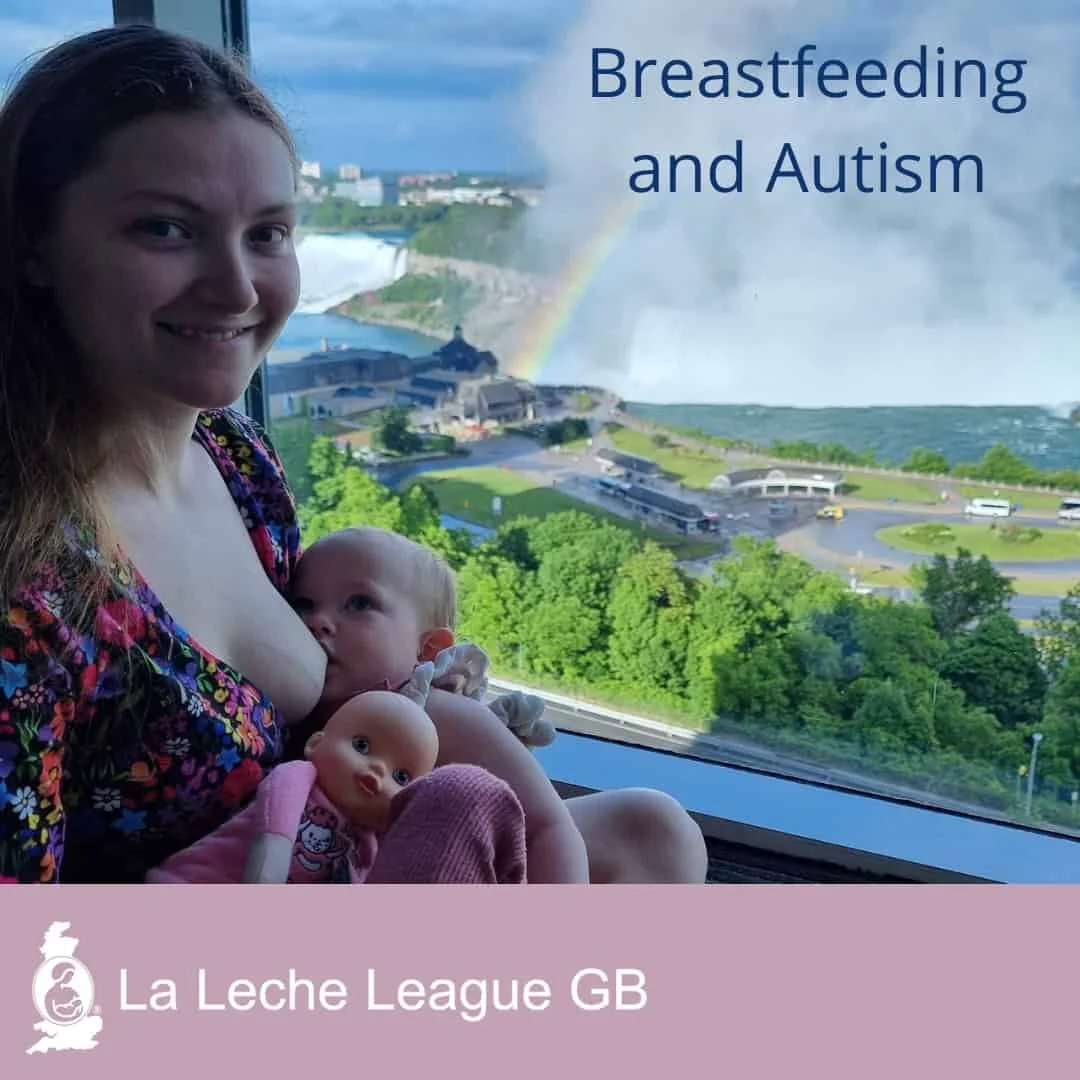
Autism Spectrum Disorder (ASD), a neurodevelopmental difference influencing how individuals experience the world and communicate, presents unique considerations for both autistic parents choosing to breastfeed and parents nurturing autistic children. Recognizing the diverse presentation of autism, often described as neurodivergence, is crucial for providing tailored, empathetic support in the realm of maternal and infant health. This article delves into the specific challenges, strengths, and support mechanisms essential for neurodivergent families embarking on or continuing their breastfeeding journey.
Understanding Autism and its Broader Context
Autism is a lifelong neurological condition characterized by differences in social communication and interaction, as well as restricted or repetitive patterns of behavior, interests, or activities. It exists on a spectrum, meaning its manifestations vary widely from person to person and can shift depending on environmental and situational factors. The term "neurodivergent" acknowledges this natural variation in human brains, shifting away from a deficit-based model to one that recognizes different ways of thinking, learning, and processing information.
Recent estimates suggest that approximately 0.82% of the population of England are diagnosed autistic. However, a significant proportion, up to 72% of the autistic population in England, is estimated to be undiagnosed. This statistic underscores a critical issue, particularly for autistic women and parents, who may navigate pregnancy, birth, and postpartum periods without formal recognition or appropriate accommodations for their neurodivergent needs. The historical diagnostic bias, which often focused on male presentations of autism, has contributed to this disparity, leading to many autistic women receiving late diagnoses or none at all, despite experiencing significant challenges throughout their lives, including during parenthood.
The Breastfeeding Journey for Autistic Parents
For many autistic women and parents, the decision to breastfeed comes with a unique set of strengths and potential challenges. Understanding these nuances is paramount for healthcare providers, support networks, and family members.
Strengths and Empowering Aspects

Breastfeeding can offer profound positives for autistic parents. Many report finding the act itself to be a source of calm and quiet, providing a dedicated time for rest and connection in an otherwise overwhelming world. This protected, often predictable, interaction can be deeply valued. The physiological process of breastfeeding, involving hormone release, can also contribute to feelings of well-being and bonding. Furthermore, for some, the ability to nourish their child directly is an empowering experience, fostering a sense of agency and accomplishment.
Autistic individuals often possess exceptional abilities in focused research and independent information gathering. Parents who choose to breastfeed may therefore approach the journey with a deep well of knowledge, having meticulously studied the science, techniques, and benefits of lactation. This intellectual rigor often translates into remarkable determination, enabling them to persevere through common breastfeeding hurdles with resilience and a well-informed approach. This inherent drive can be a significant asset, yet it also highlights the need for support that respects and builds upon their existing knowledge rather than assuming a lack thereof.
Navigating Communication Differences in Support Settings
Communication differences are a core aspect of autism and can significantly impact an autistic parent’s ability to access and benefit from breastfeeding support. These differences are not monolithic; they can be situational, meaning an individual might be non-verbal in high-stress environments but fully verbal in comfortable settings. Traditional support models, heavily reliant on verbal interaction, group discussions, and phone calls, may inadvertently create barriers.
To foster inclusive support, a multi-modal approach to communication is essential. This includes offering options such as written communication (e.g., email, dedicated help forms like LLLGB’s), visual aids (picture cards, diagrams), text-based platforms, or even allowing a trusted support person to facilitate communication. Service providers must recognize that a lack of verbal engagement does not equate to a lack of understanding or need. Proactively offering varied communication channels can make a profound difference in accessibility and perceived safety for autistic parents.
The Crucial Role of Tailored Support
The general maternity care system, often designed for neurotypical individuals, can be a source of significant anxiety and overwhelm for autistic parents. Standard group meetings, often characterized by unstructured social interaction, unpredictable noise levels, and bright lighting, can be challenging. Many autistic individuals "mask" their autistic traits to fit in, suppressing their natural behaviors and needs, which can lead to exhaustion and prevent them from openly seeking the specific help they require. This masking often means their distress or need for accommodation goes unnoticed by providers.
Individualized support is paramount. This can manifest in several ways:

- Pre-visit information: Providing detailed information about what to expect at a group meeting (location, schedule, who will be there, what will be discussed) can reduce anxiety.
- Visual supports: Using pictures or maps to guide individuals to and through support spaces.
- Designated quiet areas: Offering a low-stimulus space within group settings.
- One-on-one consultations: Providing private sessions where parents can feel more comfortable expressing their needs without the pressure of a group dynamic.
- Support person presence: Encouraging and accommodating the presence of a trusted friend or family member who can advocate or provide comfort.
Furthermore, many autistic mothers experience a lack of social support and may find it inherently challenging to seek help from formal maternity services. Anxiety about phone calls can be a significant barrier, preventing access to national helplines or local breastfeeding resources. The option of written communication, such as online help forms, directly addresses this accessibility gap, ensuring that vital support is available to those who struggle with verbal interaction.
Sensory Differences and Their Impact on Breastfeeding
Sensory differences are a hallmark of autism, where individuals may experience heightened (hypersensitivity) or reduced (hyposensitivity) reactions to sensory input across all five traditional senses, as well as proprioception (body awareness) and interoception (internal bodily sensations). These differences can profoundly influence the breastfeeding experience for the autistic parent:
- Touch: The sensation of the baby latching, suckling, or even the feeling of milk let-down can be intensely pleasurable, neutral, or highly aversive. Fabric textures of nursing bras or clothing, or the feeling of the baby’s skin, might also be significant.
- Sound: The sounds of a baby crying, suckling, or even the ambient noise of the environment during feeding can be overwhelming or distracting.
- Smell: The baby’s natural scent, the smell of milk, or even environmental odors can be intensified.
- Sight: Bright lights, visual clutter, or direct eye contact during feeding might be uncomfortable. Some parents prefer low light or a private, uncluttered space.
- Taste: While less direct, taste sensitivities could influence dietary choices which in turn, might indirectly affect milk supply or taste, if the parent is highly sensitive.
- Interoception: Difficulties with interoception mean an autistic parent might struggle to accurately perceive internal bodily cues like hunger, thirst, or fullness, or even the sensation of milk coming in or let-down, potentially impacting milk supply management or feeding frequency.
- Dysphoric Milk Ejection Reflex (D-MER): While not exclusive to autistic individuals, D-MER, a sudden dysphoric feeling that occurs just before milk let-down, may be experienced more intensely or be particularly distressing for those with sensory sensitivities or interoception differences.
Support providers must be mindful of these potential sensory considerations. Simple adjustments like offering a quiet room, dimming lights, suggesting specific clothing textures, or exploring different feeding positions can make a significant positive impact. Asking directly about sensory preferences, or observing for signs of discomfort, is key.
Trauma and Bodily Autonomy
Rates of Post-Traumatic Stress Disorder (PTSD) are significantly higher in the autistic community compared to neurotypical individuals, often stemming from experiences of misunderstanding, sensory overload, or perceived lack of control in various life situations, including healthcare encounters. For autistic women, childbirth and postpartum care can unfortunately be highly traumatizing if their specific needs are not met, leading to a feeling of not having control over their own bodies and experiences. When supporting breastfeeding, it is crucial to approach with sensitivity, respect for bodily autonomy, and an understanding of past potential traumas. Empowering the parent to make choices, providing clear information, and ensuring they feel heard and respected are fundamental to a positive breastfeeding experience.
Breastfeeding an Autistic Child: Unique Dynamics
As autism diagnosis rates in children continue to rise, parents are increasingly seeking information and support for breastfeeding autistic children. The World Health Organization (WHO) recommends breastfeeding for two years and beyond, with the natural age of weaning estimated between 2.5 and 7 years. For an autistic or neurodivergent child, breastfeeding can take on heightened importance, offering unique benefits and presenting specific considerations.

Sensory Differences in Autistic Children and Feeding
Just as with autistic parents, autistic children often process sensory input differently. This can manifest as hypersensitivity (e.g., easily overwhelmed by light, sound, touch) or hyposensitivity (e.g., seeking intense sensory input). These differences can profoundly impact feeding patterns:
- Regulation: Breastfeeding is a powerful tool for self-regulation. An autistic child, when feeling overwhelmed by sensory input (e.g., in a noisy, busy, or unfamiliar environment), may seek to breastfeed very frequently as a means to calm, ground, and regulate their nervous system. The familiar smell, taste, touch, and rhythmic suckling provide comfort and predictability.
- Avoidance: Conversely, sensory overload can make feeding difficult. If the child is struggling with the temperature of the room, the texture of a parent’s clothing, certain sounds, or even the feeling of their own socks, they might refuse to feed. Identifying and mitigating these sensory stressors is crucial.
- Frequency: Some autistic children may want to breastfeed less often if certain sensory aspects of feeding are aversive. Others may cluster feed intensely to meet sensory needs or for comfort.
Parents of autistic children often become adept at observing and responding to these sensory cues. Changing the environment, offering a quiet space, adjusting lighting, or even modifying the parent’s clothing can facilitate a more comfortable feeding experience.
The "High Needs" Neurodivergent Baby
Many babies are described as "high needs" – typically characterized by an intense desire for closeness, frequent feeding, and difficulty being put down. While this is a normal spectrum of infant behavior, it can be particularly pronounced and sustained in neurodivergent children. This intensity often reflects a heightened need for co-regulation – the process by which a child learns to manage their emotions and physiological states through interaction with a calm, responsive caregiver. Breastfeeding provides an ideal mechanism for co-regulation, offering physical closeness, comfort, and a predictable sensory experience.
For parents, managing a "high needs" neurodivergent baby can be exceptionally demanding, requiring significant self-care and robust support networks. Connecting with like-minded communities, whether online or in person, and receiving practical assistance from family and friends, is vital for sustained well-being during these intense early years.
Feeding Patterns, Boundaries, and Weaning
The extended breastfeeding recommended by the WHO can be particularly beneficial for autistic children, but it also introduces specific challenges, especially regarding boundaries and weaning. Many parents of autistic toddlers find frequent feeding demanding and seek increased information on responsive weaning strategies.

Weaning an autistic child can be more complex due to:
- Sensory Issues: A child’s sensory preferences or aversions can make the transition to solid foods challenging. They may struggle with specific textures, tastes, smells, or appearances of food, leading to a limited diet and a continued reliance on breast milk for nutrition and comfort.
- Communication Differences: Autistic children may have difficulty verbally expressing their hunger, fullness, or discomfort, making it harder for parents to interpret their needs during weaning.
- Co-regulation: As breastfeeding is a primary co-regulation tool, removing it can be distressing for a child who relies on it for emotional and sensory stability.
Strategies for Weaning and Boundary Setting:
- Gradual and Responsive Weaning: An LLL Leader or other knowledgeable lactation support can offer guidance on gentle, child-led weaning approaches that respect the child’s pace and sensory needs.
- Setting Gentle Boundaries: Parents may choose to limit the number or length of feeds, or specify when and where breastfeeding takes place. This might involve using visual schedules, clear verbal cues (if applicable), or offering alternative comfort measures.
- Alternative Comforts: Introducing other forms of comfort, such as cuddles, stories, or specific sensory activities, can help bridge the gap as breastfeeding reduces.
- Nutritional Support: If a child’s diet is limited due to sensory aversions, continuing to breastfeed provides essential nutrients that may be otherwise lacking, underscoring the benefits of extended nursing.
- Interoception Support: For children with interoception difficulties, helping them develop an awareness of hunger and fullness cues through consistent routines and verbal prompts can be beneficial, though this is a long-term developmental process.
Ultimately, the decision to continue breastfeeding, set boundaries, or wean entirely is deeply personal. Support systems should empower parents to make choices that best serve their family’s needs, offering non-judgmental information and practical strategies.
Implications and Recommendations for Support Systems
The unique interplay of autism and breastfeeding highlights a critical need for enhanced training and awareness among healthcare professionals and breastfeeding support volunteers.
- Education: Comprehensive training on neurodiversity, communication differences, and sensory processing for all maternal and infant health providers is essential.
- Accessibility: Breastfeeding support services must be proactive in creating accessible environments and offering diverse communication methods. This includes clear visual information, quiet spaces, and written communication options.
- Individualized Care Plans: Moving away from a "one-size-fits-all" approach to highly individualized care plans that respect the specific needs, strengths, and preferences of each autistic parent and child.
- Advocacy and Policy: Advocacy groups must continue to highlight the experiences of neurodivergent families to influence policy changes that ensure equitable access to supportive, trauma-informed maternal and infant care.
- Research: Further research into the specific experiences of autistic parents and children regarding breastfeeding, sensory processing, and support needs is crucial to develop evidence-based best practices.
In conclusion, the journey of breastfeeding for autistic parents and children is rich with unique dynamics. By fostering understanding, providing tailored and accessible support, and recognizing the inherent strengths and challenges, we can create an inclusive environment where all families feel empowered to make informed choices and thrive in their breastfeeding experiences. The emphasis must always be on empathetic, person-centered care that honors neurodiversity.
