

A notable shift has occurred in pediatric sleep clinics over the past few years, with parents increasingly presenting their children for sleep issues not only after trying melatonin but also after exploring magnesium supplements. The surge in magnesium-containing "sleep gummies" available online and in retail stores prompted a closer examination of this trend. While magnesium plays a significant role in sleep and relaxation, and deficiency is surprisingly common, the scientific evidence supporting its efficacy for sleep, particularly in children, remains limited and warrants careful consideration.
The growing interest in magnesium for sleep is underscored by online search trends. Data from Google Trends reveals a significant uptick in searches for "magnesium for sleep," outpacing inquiries for "melatonin for sleep" and "theanine for sleep" in recent years. While melatonin saw its peak interest in the mid-2010s, searches for magnesium’s sleep-promoting properties have been on an upward trajectory since approximately 2022. This mirrors a broader societal inclination towards seeking "natural" remedies for common ailments, including insomnia, as evidenced by the booming market for melatonin supplements for children and a concerning rise in reported melatonin overdoses among this demographic. Magnesium, being a mineral rather than a hormone like melatonin, presents a seemingly simpler and more accessible option for parents. However, its actual effectiveness for sleep, especially in pediatric populations, requires a deeper dive into the scientific literature.
Magnesium: An Essential Mineral with Crucial Bodily Functions
Magnesium is a vital mineral, designated as element #12 on the periodic table, named after Magnesia, a region in Greece. It is indispensable for the proper functioning of over 80% of enzymatic reactions within the human body and is critical for the health and operation of numerous bodily systems. In the context of sleep, magnesium appears to play a key role in mediating the body’s stress response. Research has highlighted a significant overlap between the symptoms of chronic stress and those associated with magnesium deficiency, suggesting a potential "vicious cycle" where stress depletes magnesium, and low magnesium levels exacerbate stress responses. This connection is a significant factor driving the interest in magnesium as a potential solution for sleep disturbances linked to stress and anxiety.
The Rise in Magnesium Deficiency: Contributing Factors
Recent studies indicate that a substantial portion of the population may be experiencing magnesium deficiency, often determined by comparing dietary intake against recommended daily allowances (RDAs). While these are population-level estimates and do not definitively diagnose individual deficiency, the trend is concerning. Several factors contribute to this growing prevalence:

- Declining Soil Nutrient Levels: Modern agricultural practices and soil depletion have led to a significant decrease in the magnesium content of produce. Studies have documented an 80-90% drop in magnesium, calcium, and iron levels in common vegetables like cabbage, lettuce, and tomatoes between 1914 and 2018. This means that even with consistent consumption of fruits and vegetables, individuals may be obtaining fewer essential minerals.
- Increased Processed Food Consumption: The widespread consumption of processed foods, which are generally lower in magnesium, further exacerbates the issue. Additionally, certain compounds found in processed beverages, particularly sodas, can interfere with the body’s ability to absorb magnesium from food. Consequently, many individuals fall short of the daily recommended magnesium intake necessary for optimal health.
Identifying Magnesium Deficiency in Children: A Diagnostic Challenge
While magnesium deficiency is generally less common in children than in adults, it can occur in specific circumstances. These include children who are extremely picky eaters, children with obesity, and those with certain medical conditions. Severe magnesium deficiency, characterized by critically low blood magnesium levels, is a medical emergency and can manifest with symptoms such as muscle twitches, tremors, weakness, abnormal heart rhythms, and seizures.
A particularly challenging aspect of magnesium deficiency is its diagnosis. The body has robust mechanisms for maintaining serum magnesium levels within the normal range, even if there is a deficit in tissues like muscles or bones. This means that many individuals, including children, can have low total body magnesium stores yet present with normal blood test results. This diagnostic difficulty complicates efforts to identify and address magnesium deficiencies accurately. Furthermore, chronic sleep deprivation itself has been shown to reduce magnesium levels in the blood, creating another potential feedback loop where poor sleep contributes to magnesium depletion, which in turn may further disrupt sleep.
The Link Between Magnesium and Sleep: Evidence in Adults
Magnesium’s role in sleep regulation is well-established in scientific literature. It influences the neurotransmitters that govern sleep and relaxation, including gamma-aminobutyric acid (GABA), which plays a calming role in the nervous system. Magnesium also helps regulate the body’s natural sleep-wake cycle, known as the circadian rhythm, and is involved in the production of melatonin.
In adults, some studies have indicated that magnesium supplementation can improve sleep quality. Research has shown that oral magnesium supplementation can reverse age-related changes in neuroendocrine function and sleep electroencephalogram (EEG) patterns. Other studies suggest that magnesium may help improve sleep duration and quality, particularly in individuals experiencing sleep problems or those with specific conditions like diabetes or restless legs syndrome. For instance, a randomized controlled trial published in Sleep Medicine: X in 2024 found that Magnesium-L-threonate improved sleep quality and daytime functioning in adults who self-reported sleep issues. However, it is important to note that even in adults, the evidence base is still developing, and more large-scale, high-quality studies are needed to confirm these findings definitively.
The Evidence for Magnesium in Children’s Sleep: Limited and Inconclusive

When it comes to children, the scientific evidence supporting magnesium supplementation for sleep is significantly more limited and less robust. A thorough review of the available literature revealed only one study specifically examining the impact of magnesium on sleep in children. This single study, while suggesting a potential benefit, was small and had methodological limitations, making it insufficient to draw firm conclusions.
Therefore, based on the current scientific understanding, there is no definitive evidence to recommend magnesium supplementation as a primary treatment for sleep disturbances in children. For parents concerned about their child’s sleep, the focus should remain on establishing a high-quality bedtime routine and, if necessary, considering behavioral interventions such as sleep training. These foundational strategies are proven to be effective in addressing common childhood sleep challenges.
While direct supplementation for sleep in children lacks strong evidence, increasing magnesium intake through dietary means is a reasonable and beneficial goal. Some children may potentially benefit from magnesium supplementation, but this should only be considered in carefully selected situations and ideally under the guidance of a healthcare professional.
Dietary Strategies to Enhance Magnesium Intake
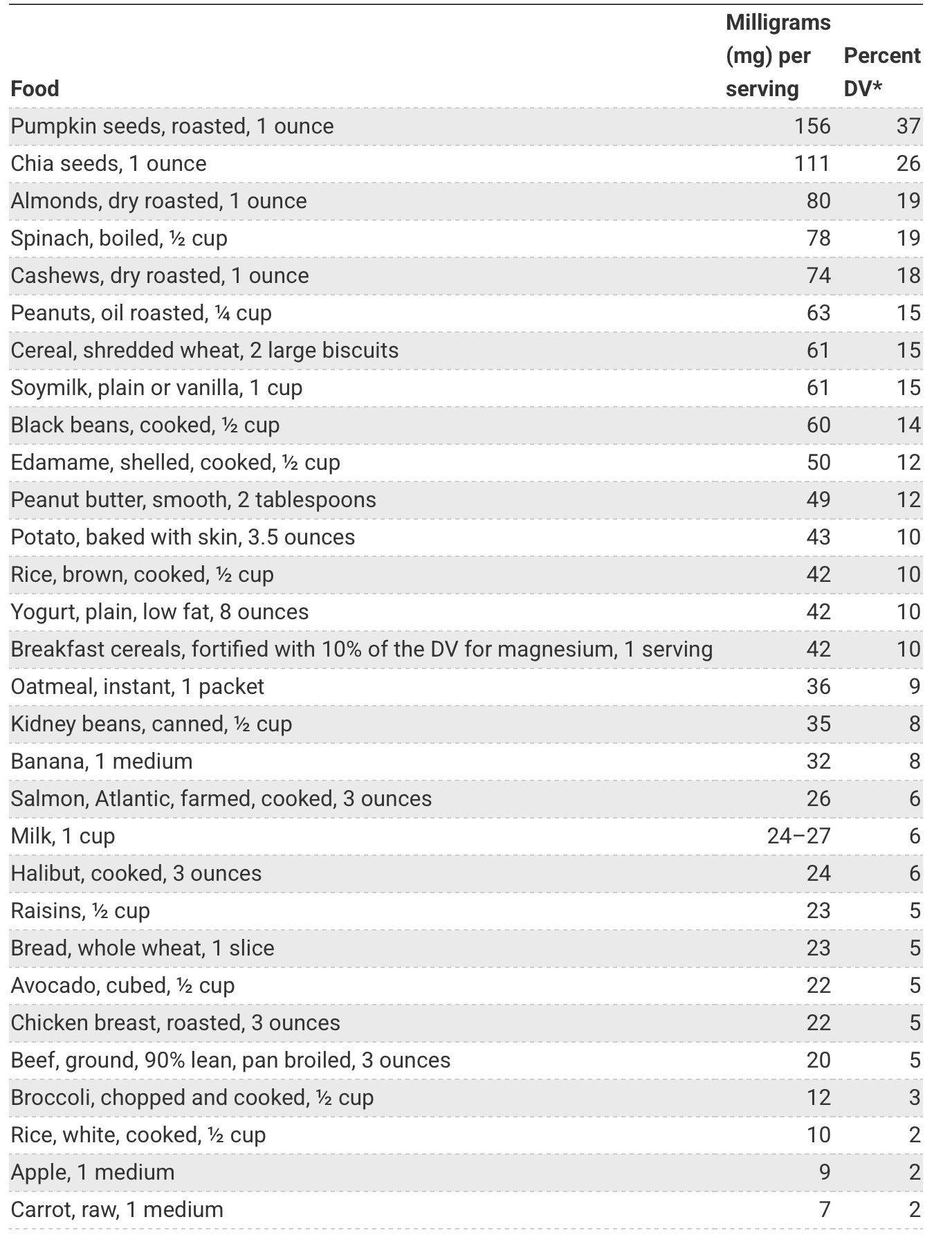
The primary source of magnesium for most individuals should be their diet. However, food processing and preparation methods can significantly impact magnesium content. Boiling vegetables, for example, can leach magnesium into the cooking water, and refining grains removes the nutrient-rich bran and germ. Opting for minimally processed, whole foods is key to maintaining optimal magnesium intake.
Excellent dietary sources of magnesium include:
- Seeds: Pumpkin seeds, chia seeds, and flaxseeds are particularly rich in magnesium.
- Nuts: Almonds, cashews, and peanuts are good sources.
- Leafy Green Vegetables: Spinach, Swiss chard, and kale are excellent choices.
- Whole Grains: Brown rice, quinoa, and whole wheat bread.
- Legumes: Black beans, kidney beans, and lentils.
- Fish: Salmon and mackerel.
- Dark Chocolate: A surprising but enjoyable source.
- Avocado: A versatile and nutrient-dense fruit.
Focusing on incorporating these foods into a child’s diet can help ensure adequate magnesium levels without the need for supplements.

When to Consider Magnesium Supplements for Children
While dietary intake is paramount, there are specific circumstances where a trial of magnesium supplementation might be considered for children, always in consultation with a pediatrician or a qualified healthcare provider:
- Children with Diagnosed Magnesium Deficiency: If a child has a confirmed deficiency through appropriate medical testing.
- Children with Very Poor Dietary Intake: Particularly picky eaters who consistently avoid magnesium-rich foods.
- Children with Certain Medical Conditions: Such as celiac disease (where nutrient absorption can be compromised), inflammatory bowel disease, or conditions associated with increased magnesium loss.
- Children Experiencing Symptoms Overlapping with Magnesium Deficiency: Including significant anxiety, irritability, or muscle twitching, after other causes have been ruled out.
It is generally not recommended to administer magnesium supplements to children under the age of three without direct medical supervision. Any trial of supplementation should be integrated into a comprehensive sleep plan that includes a consistent bedtime routine and a regular sleep schedule.
Dosage and Potential Side Effects of Magnesium Supplementation
Determining the appropriate dosage of magnesium for children requires careful consideration of age and body weight, aligning with established Recommended Dietary Allowances (RDAs). For instance, the RDA for magnesium for children aged 1-3 years is 65 mg per day, increasing to 110 mg for ages 4-8, and 350 mg for ages 9-18. It is crucial to carefully read supplement labels to ascertain the actual amount of elemental magnesium provided, as different forms of magnesium (e.g., magnesium citrate, magnesium glycinate) contain varying amounts of the mineral.
Magnesium supplementation is generally considered safe for most individuals, as the kidneys effectively excrete excess magnesium. However, individuals with kidney disease should exercise caution and consult with their physician before taking magnesium supplements. Potential side effects of magnesium supplementation can include:
- Gastrointestinal Upset: Diarrhea, nausea, and abdominal cramping are the most common side effects, particularly with higher doses or certain forms of magnesium.
- Lethargy: In some cases, excessive intake may lead to drowsiness.
True magnesium toxicity is rare and typically associated with extremely high intake, often through megadosing of supplements. A case report from 2000 described a child with cerebral palsy who experienced cardiac arrest and died following several days of receiving 2400 mg of magnesium oxide daily. Unlike the well-documented surge in emergency room visits and poison control calls related to melatonin overdoses in recent years, there is no similar reported increase in adverse events associated with magnesium supplements for children.

Concluding Thoughts on Magnesium and Pediatric Sleep
The initial investigation into the growing popularity of magnesium for children’s sleep revealed a complex landscape. While the scientific evidence supporting its direct use as a sleep aid in pediatric populations remains weak, the underlying concern about magnesium deficiency and its broader impact on health, including stress and relaxation, is significant. The decrease in magnesium content in food and the prevalence of processed diets highlight the challenges many children face in meeting their nutritional needs.
While direct supplementation for sleep in children is not strongly supported by current research, increasing magnesium intake through a balanced diet rich in whole foods is a beneficial endeavor. In specific, carefully selected cases, and under the supervision of a healthcare professional, a trial of magnesium supplementation might be considered. The author personally notes finding magnesium glycinate helpful for their own sleep, and has observed benefits in rare patient cases.
In summary, the current evidence suggests that while magnesium is essential for overall health and plays a role in sleep regulation, its efficacy as a standalone sleep aid for children is not robustly established. Parents seeking solutions for their children’s sleep issues should prioritize evidence-based strategies like consistent bedtime routines and behavioral interventions, while also ensuring adequate dietary intake of magnesium through nutrient-rich foods. Consulting with a pediatrician is crucial for personalized advice regarding magnesium supplementation.
Summary:
- Growing Interest: Magnesium supplements, particularly "sleep gummies," are increasingly popular for childhood sleep issues.
- Magnesium’s Role: Magnesium is vital for bodily functions, including stress response and sleep regulation.
- Deficiency Concerns: Magnesium deficiency is becoming more common due to declining food nutrient levels and processed food consumption.
- Adult Evidence: Some studies suggest magnesium can improve sleep in adults.
- Pediatric Evidence: Scientific evidence for magnesium’s effectiveness in children’s sleep is very limited.
- Dietary Focus: Prioritizing magnesium-rich foods is the recommended approach for children.
- Supplementation: Consider supplements only in specific cases and under medical guidance.
- Safety: Magnesium supplements are generally safe, with common side effects being gastrointestinal. Toxicity is rare.
For any questions regarding magnesium supplementation and sleep in children, please leave them in the comments section.