

The Nutritional Landscape of Early Childhood Breakfasts
The contemporary breakfast market is saturated with ultra-processed cereals and convenience foods that often exceed the daily recommended sugar intake for children under the age of five in a single serving. According to the American Heart Association (AHA) and the American Academy of Pediatrics (AAP), children under the age of two should consume virtually no added sugars, while older children should limit added sugars to less than 25 grams per day. In this context, the Lower Sugar Granola serves as a critical intervention. By providing only three grams of sugar per serving—much of which is derived from the natural fructose and glucose found in applesauce—this recipe aligns with modern clinical guidelines.
The base of the recipe, rolled oats, provides a foundation of complex carbohydrates and soluble fiber, specifically beta-glucan. Research has consistently demonstrated that beta-glucan supports heart health and stabilizes blood glucose levels by slowing digestion. For toddlers, this results in sustained energy release rather than the rapid spikes and subsequent crashes associated with high-sugar commercial cereals. Furthermore, the inclusion of healthy fats through oils and optional seeds or nuts introduces essential fatty acids necessary for cognitive development and the absorption of fat-soluble vitamins.

Chronology of Preparation and Culinary Methodology
The production of Lower Sugar Granola follows a precise chronological sequence designed to optimize texture and flavor without the need for caramelization of refined sugars.
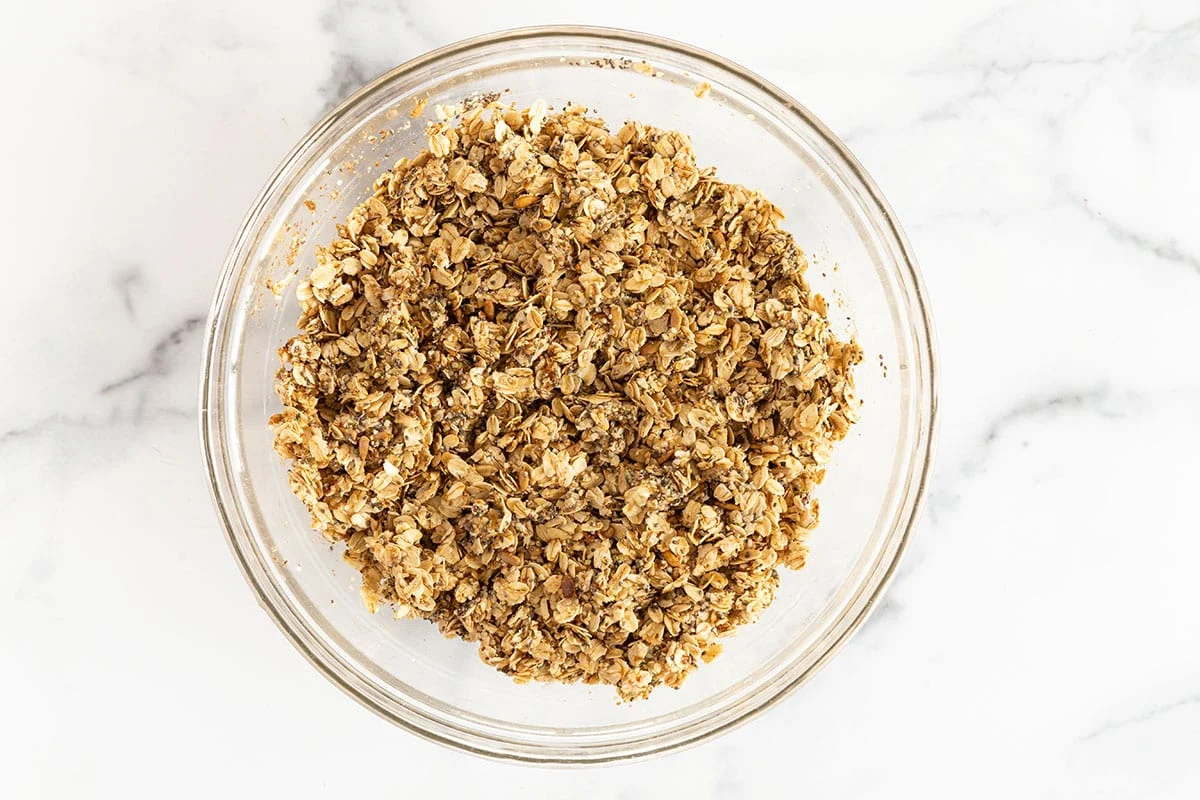
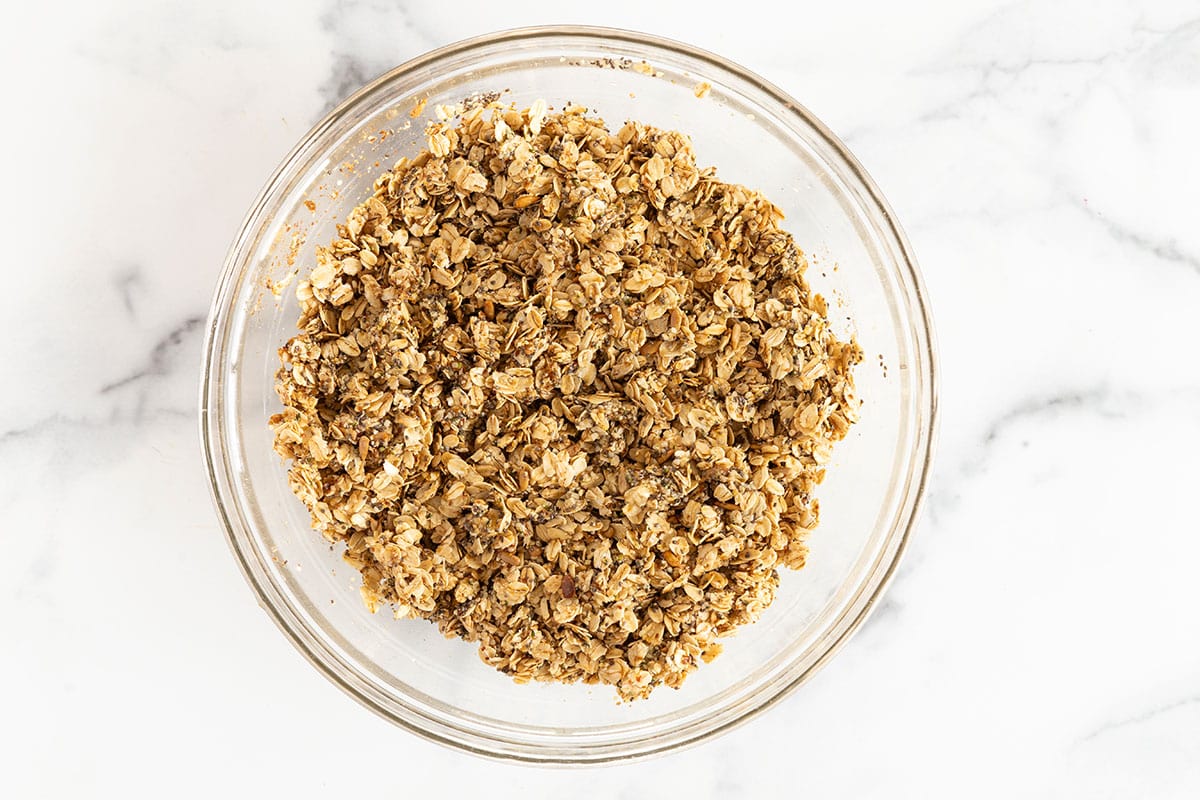
- Preparation and Integration: The process begins with the homogenization of dry and wet ingredients. Unlike traditional methods that create a heavy syrup of melted butter and sugar, this method integrates oats with unsweetened applesauce and a minimal amount of liquid sweetener (honey or maple syrup). This stage is crucial for ensuring that every oat flake is encapsulated in a thin layer of fruit purée, which will eventually dehydrate into a crisp coating.
- Thermal Processing: The mixture is spread evenly across a parchment-lined baking sheet to maximize surface area exposure. The granola is then subjected to low-to-medium heat in an oven. This dehydration process is delicate; the goal is to evaporate the moisture from the applesauce until the oats achieve a "lightly golden brown" hue. This indicates the occurrence of the Maillard reaction—a chemical reaction between amino acids and reducing sugars that gives browned food its distinctive flavor—without burning the delicate fibers of the grain.
- Post-Baking Modification: Once the thermal processing is complete, the granola is removed from the heat. It is at this juncture that dried fruits are introduced. Adding dried fruit after the baking process prevents the fruit from becoming excessively hard or bitter due to over-exposure to heat.
- Cooling and Stabilization: The granola must be allowed to cool completely at room temperature. This phase is essential for the "setting" of the clusters. As the mixture cools, the natural pectins in the applesauce and the cooling sugars solidify, creating the characteristic crunch associated with high-quality granola.
Quantitative Analysis of Nutritional Components
A rigorous examination of the nutritional data reveals the efficacy of this granola as a dietary staple. Based on a standard yield of 24 servings, the data is as follows:
- Caloric Density: 91 kcal per serving, making it an appropriate energy-dense option for growing children.
- Macronutrient Distribution: The profile includes 12 grams of carbohydrates, 2 grams of protein, and 4 grams of total fat. This distribution ensures a balanced intake of the three primary energy sources.
- Fiber Content: At 2 grams per serving, the granola contributes significantly to the daily fiber requirements of a toddler, which typically ranges from 14 to 19 grams depending on age.
- Micronutrient Contribution: The recipe provides trace amounts of Iron (1mg), Calcium (11mg), and Potassium (66mg). While these figures may appear modest, they contribute to the cumulative daily intake of essential minerals required for bone density and circulatory health.
- Lipid Profile: The fat content is predominantly composed of monounsaturated (2g) and polyunsaturated (1g) fats, with minimal saturated fat (0.4g). This profile supports cardiovascular health from an early age.
Safety Considerations and Pediatric Adaptability
A primary concern for caregivers of toddlers (specifically those aged 12 to 24 months) is the risk of choking associated with hard, crunchy textures or large whole nuts. The Lower Sugar Granola address this through two primary textural adaptations.
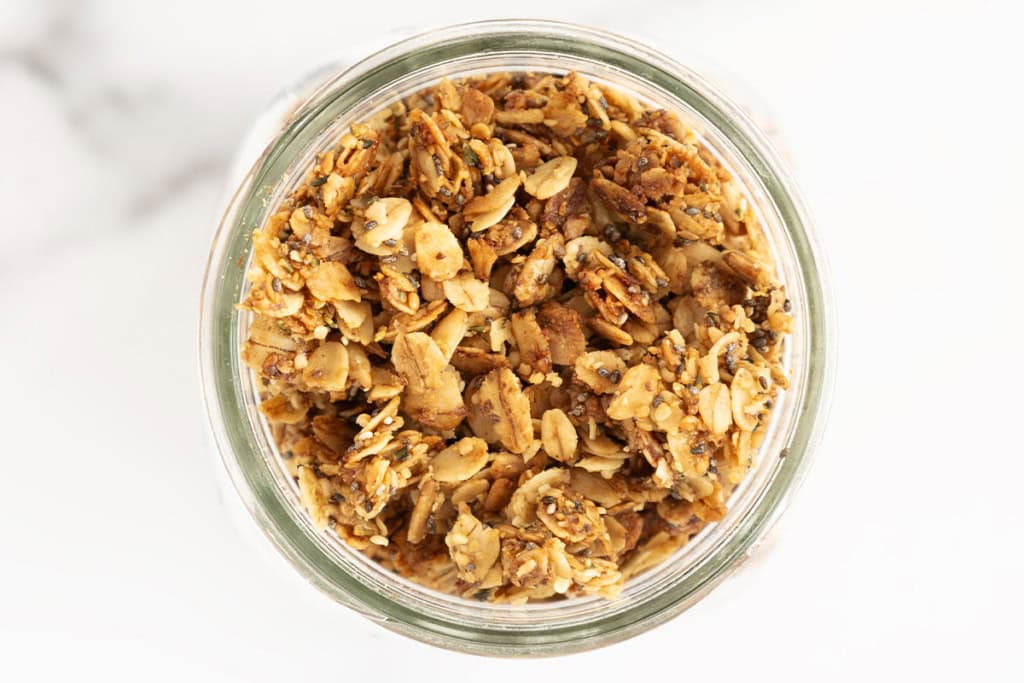
First, the recipe encourages the use of "granola sprinkles." By processing the finished granola briefly in a food processor, caregivers can create a fine, sandy texture that retains the nutritional benefits and flavor of the granola while eliminating the structural integrity that poses a choking hazard. This powder can be easily integrated into yogurts, purees, or milk.
Second, the "softening technique" is recommended for children transitioning to solid textures. By allowing the granola to sit in milk or yogurt for approximately five minutes prior to consumption, the oat fibers absorb moisture, resulting in a softened consistency that is easier for primary teeth to masticate.
Substitution Dynamics and Allergen Management
The versatility of the Lower Sugar Granola recipe allows it to function within various dietary restrictions. In an era where pediatric food allergies are on the rise—affecting approximately 8% of children in the United States—the ability to modify ingredients is a significant advantage.
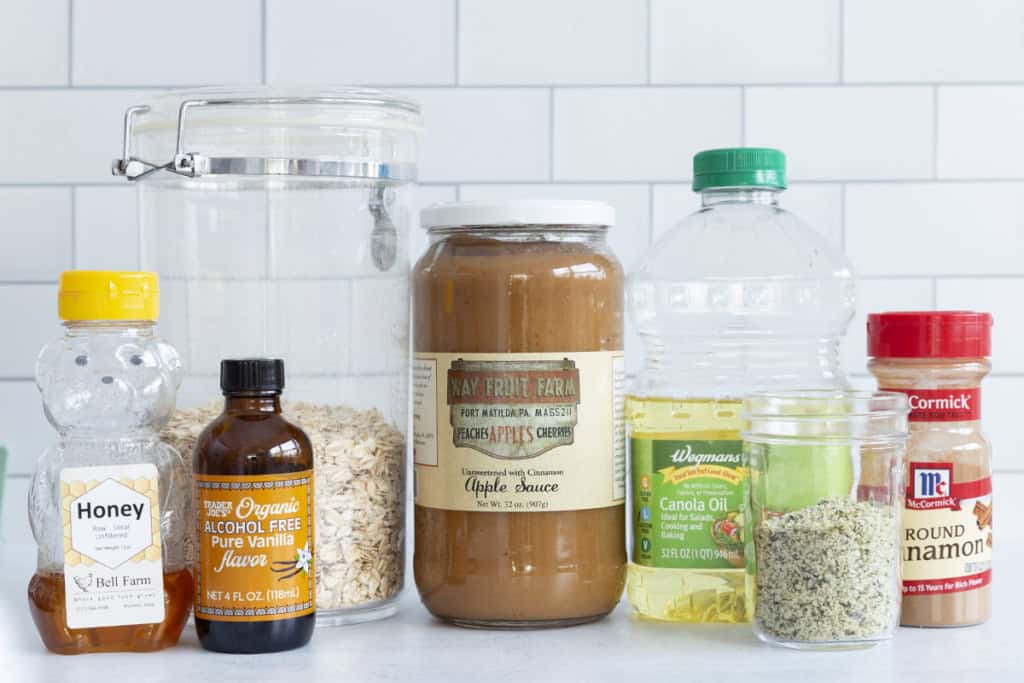
- Nut-Free Protocols: To accommodate school environments or households with nut allergies, the recipe can be successfully executed using hemp seeds, sesame seeds, sunflower seeds, or pumpkin seeds. these substitutes maintain the protein and fat profile while ensuring safety.
- Sugar-Free Variations: For caregivers adhering to the strictest sugar-reduction protocols, the honey or maple syrup can be omitted entirely. The natural sugars in the applesauce, particularly if using a variety like Gala or Fuji, provide sufficient flavor for the sensitive palates of young children.
- Gluten-Free Compliance: By utilizing certified gluten-free oats, the recipe becomes accessible to children with Celiac disease or non-celiac gluten sensitivity.
Economic and Sustainability Implications
From a socio-economic perspective, Lower Sugar Granola represents a cost-effective alternative to premium "organic" or "health-focused" store-bought cereals, which often command a high price point. Oats and applesauce are shelf-stable, affordable staples available in most geographic regions. The ability to store the finished product for up to one month in airtight containers or three months in a freezer reduces food waste and allows for bulk preparation, a factor that appeals to the time-constraints of modern parenting.
Furthermore, the DIY nature of the recipe reduces the environmental impact associated with the packaging and transportation of commercial cereal boxes. By producing granola at home, consumers decrease their reliance on single-use plastics and cardboard liners.
Expert Perspectives on Palate Training
Pediatric dietitians often emphasize the importance of "palate training" during the first thousand days of a child’s life. Exposure to overly sweet foods early in life can calibrate a child’s taste preferences toward high-sugar items, potentially leading to picky eating habits and a rejection of natural flavors like vegetables and whole grains.
Industry experts suggest that recipes like Lower Sugar Granola are instrumental in "flavor bridging." By pairing the subtle sweetness of applesauce-coated oats with familiar items like yogurt or fresh berries, caregivers can encourage a preference for complex flavors. This gradual introduction to varied textures and muted sweetness levels is theorized to foster healthier eating patterns that persist into adolescence and adulthood.
Conclusion and Broader Impact
The shift toward Lower Sugar Granola is more than a culinary trend; it is a reflection of a broader societal movement toward transparency and health in the food supply chain. As the link between early childhood sugar consumption and long-term metabolic disorders—including Type 2 diabetes and obesity—becomes clearer, the role of the home kitchen as a site of nutritional intervention grows.
By prioritizing whole grains, reducing dependency on refined syrups, and maintaining a flexible approach to ingredients, this granola formulation provides a template for future developments in pediatric food preparation. It serves as a testament to the fact that nutritional efficacy does not require the sacrifice of flavor, and that simple, affordable ingredients can yield significant long-term health benefits for the next generation.
