

The culinary landscape for family-oriented desserts has undergone a significant transformation in recent years, shifting away from high-sugar, labor-intensive pastries toward efficient, health-conscious alternatives. The emergence of the Mini Apple Tart as a staple in modern households exemplifies this trend, combining the traditional appeal of autumnal fruit flavors with a streamlined preparation process designed for busy schedules. This recipe, which utilizes a rapid sautéing technique and pre-prepared tart shells, addresses a growing demand for "shortcut" baking that does not compromise on nutritional integrity or flavor profile. By repurposing a long-standing method for sautéed apples into a structured dessert, home cooks are now able to provide a sophisticated yet child-friendly treat that aligns with contemporary dietary guidelines.
The Evolution of the Modern Mini Tart: A Chronological Perspective
The development of the Mini Apple Tart recipe is rooted in the simplification of the classic American apple pie. Historically, apple-based desserts required extensive preparation, including the chilling and rolling of lard- or butter-based crusts and long bake times to soften raw fruit. However, the chronology of this specific iteration reveals a shift toward modular cooking.
- Phase One: The Foundation (2015–2018): The primary component of the filling began as a standalone side dish known as "Sauteed Apples." Originally intended as a topping for oatmeal or a side for pork dishes, this method focused on softening apples in a skillet with minimal fat and sweetener.
- Phase Two: The Cinnamon Integration (2019–2021): Refinements were made to the flavor profile, incorporating specific ratios of cinnamon and sweeteners to mimic the "gooey" interior of a pie without the excessive cornstarch or sugar typically found in commercial fillings.
- Phase Three: The Mini Tart Convergence (2022–Present): Recognizing the difficulty of serving large pies to young children, the sautéed apple method was adapted to fit into pre-made, "shortcut" tart shells. This transition allowed for portion control and significantly reduced the total cooking time from over an hour to less than twenty minutes.
This progression highlights a broader movement in the food industry toward "deconstructed" or "reconstructed" classics that cater to the logistical realities of 21st-century parenting.
Culinary Engineering and Methodology
The success of the Mini Apple Tart lies in its specific cooking methodology, which prioritizes texture and speed. Unlike traditional baking, where the fruit and crust cook simultaneously, this method employs a bifurcated approach.
The Sautéing Technique
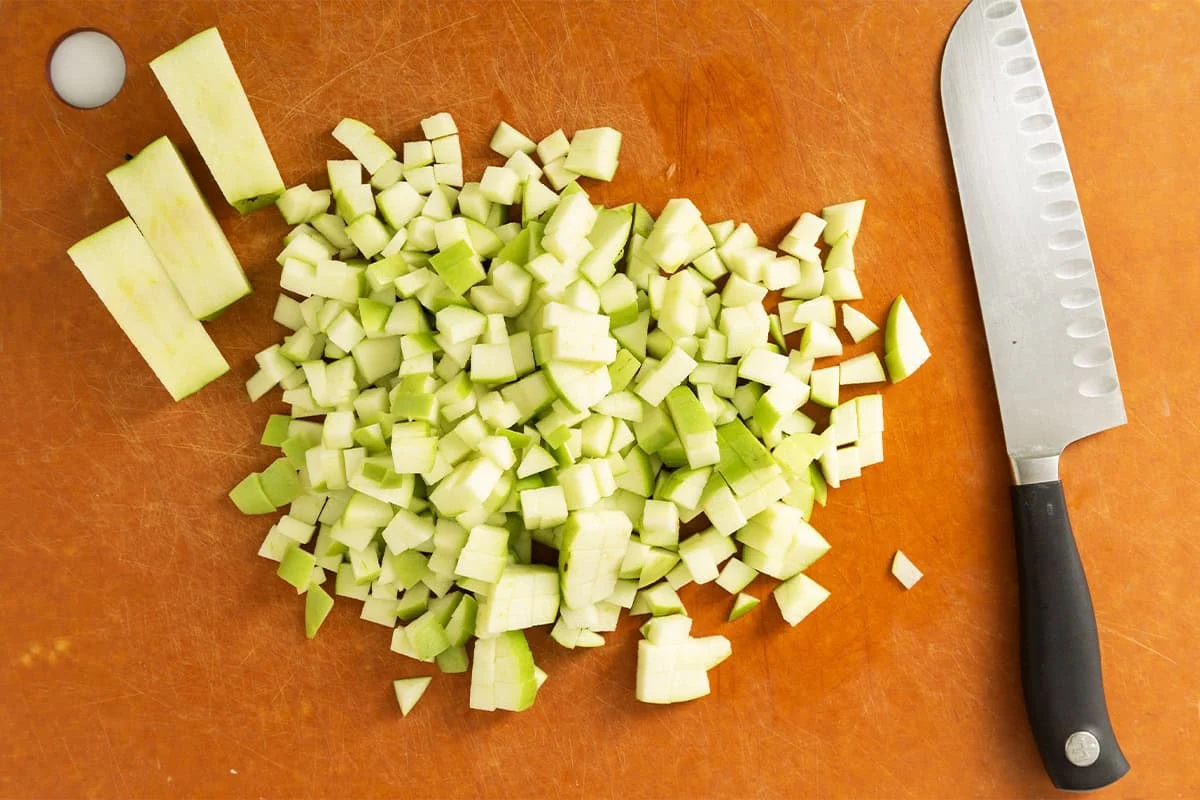
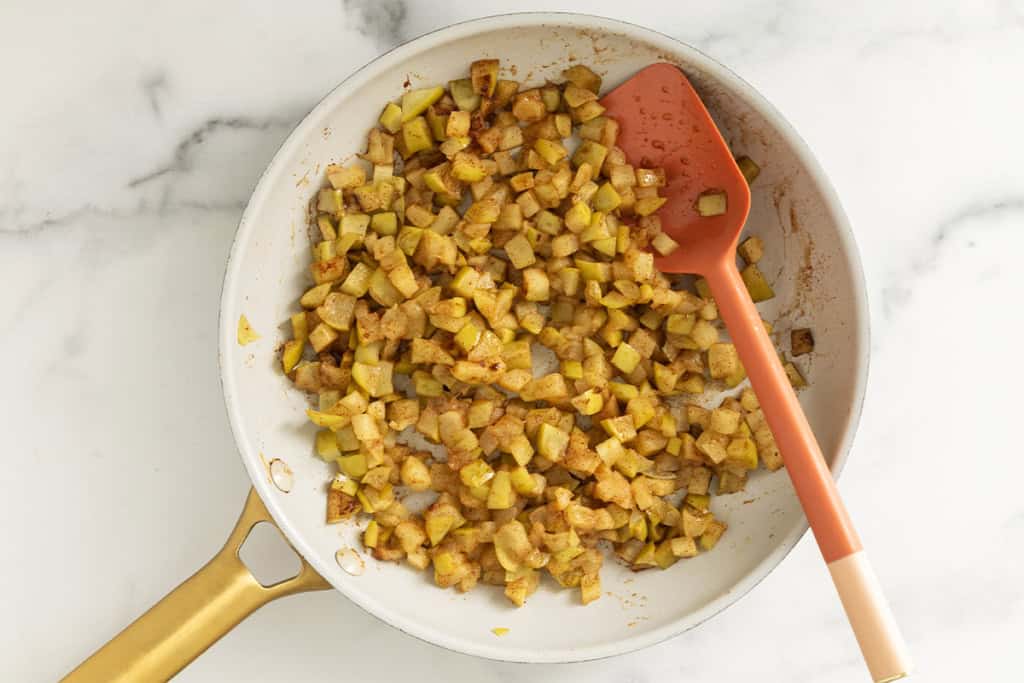
The process begins with the mechanical preparation of the fruit. Apples are finely chopped to ensure a high surface-area-to-volume ratio, which facilitates rapid heat transfer. The use of a medium nonstick skillet over medium heat allows for the controlled breakdown of the fruit’s cellular structure. By warming butter or oil first, the cook creates a fat barrier that prevents the apples from sticking while enhancing the Maillard reaction—the chemical reaction between amino acids and reducing sugars that gives browned food its distinctive flavor.
Once the apples are soft, cinnamon and a chosen sweetener are introduced. This timing is critical; adding sugar too early can draw out excessive moisture through osmosis, leading to a watery filling rather than a concentrated, flavorful one.
The Assembly and Final Bake
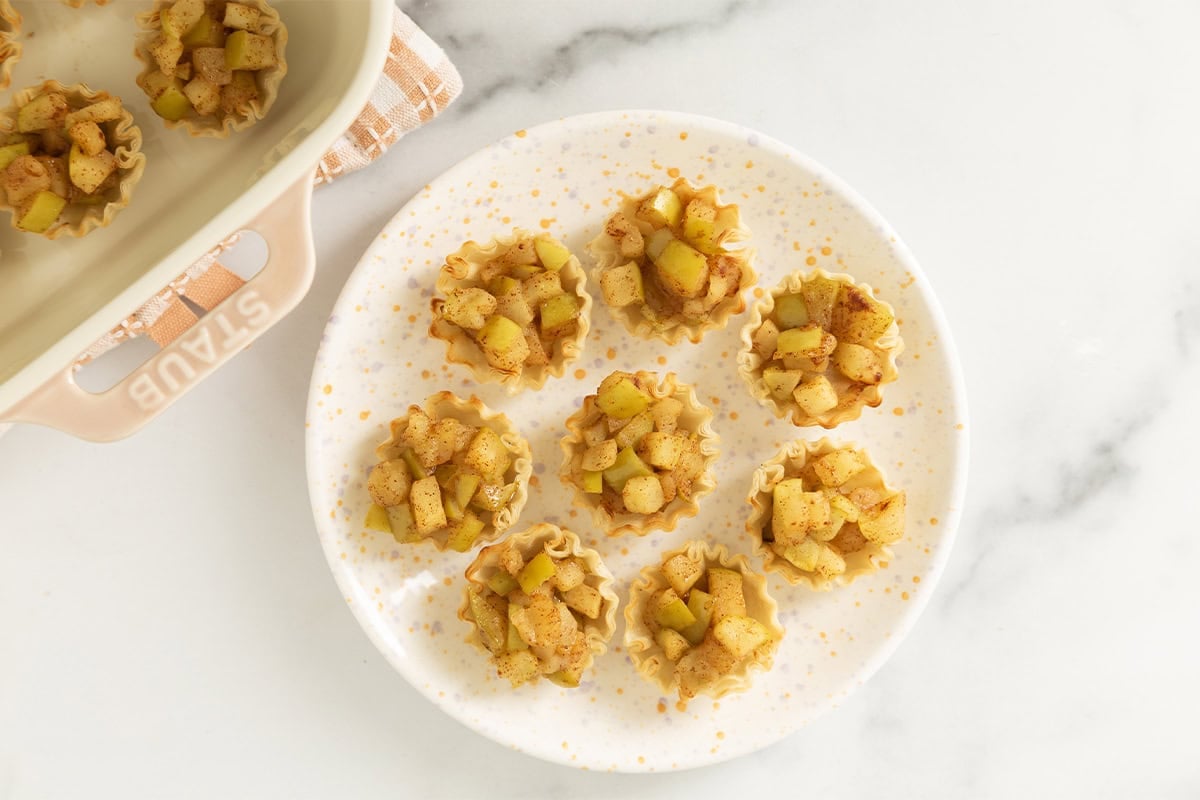
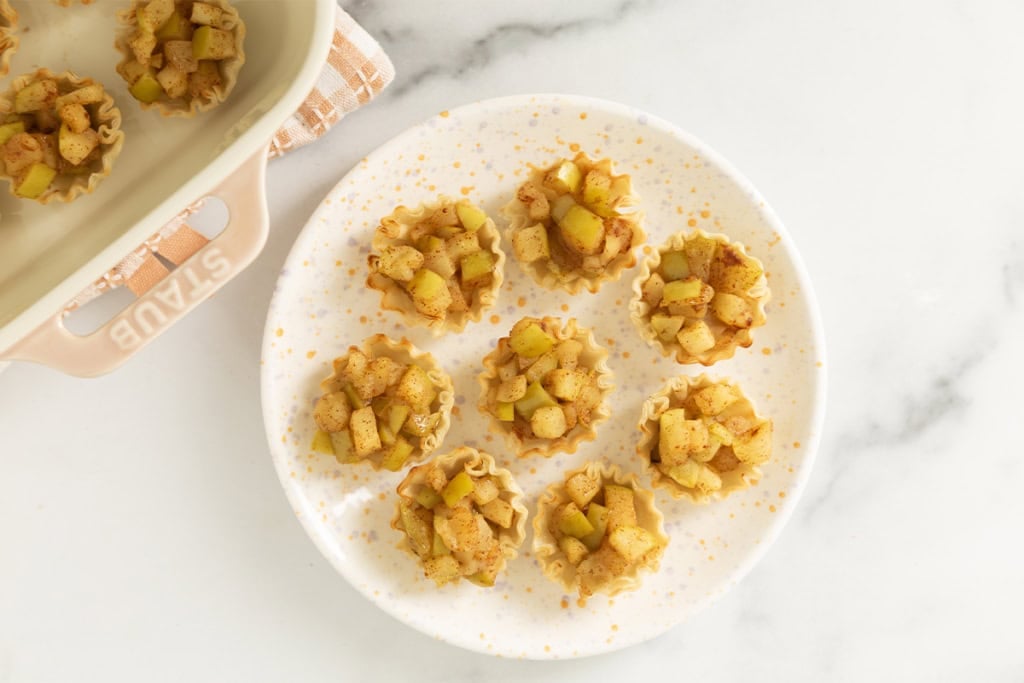
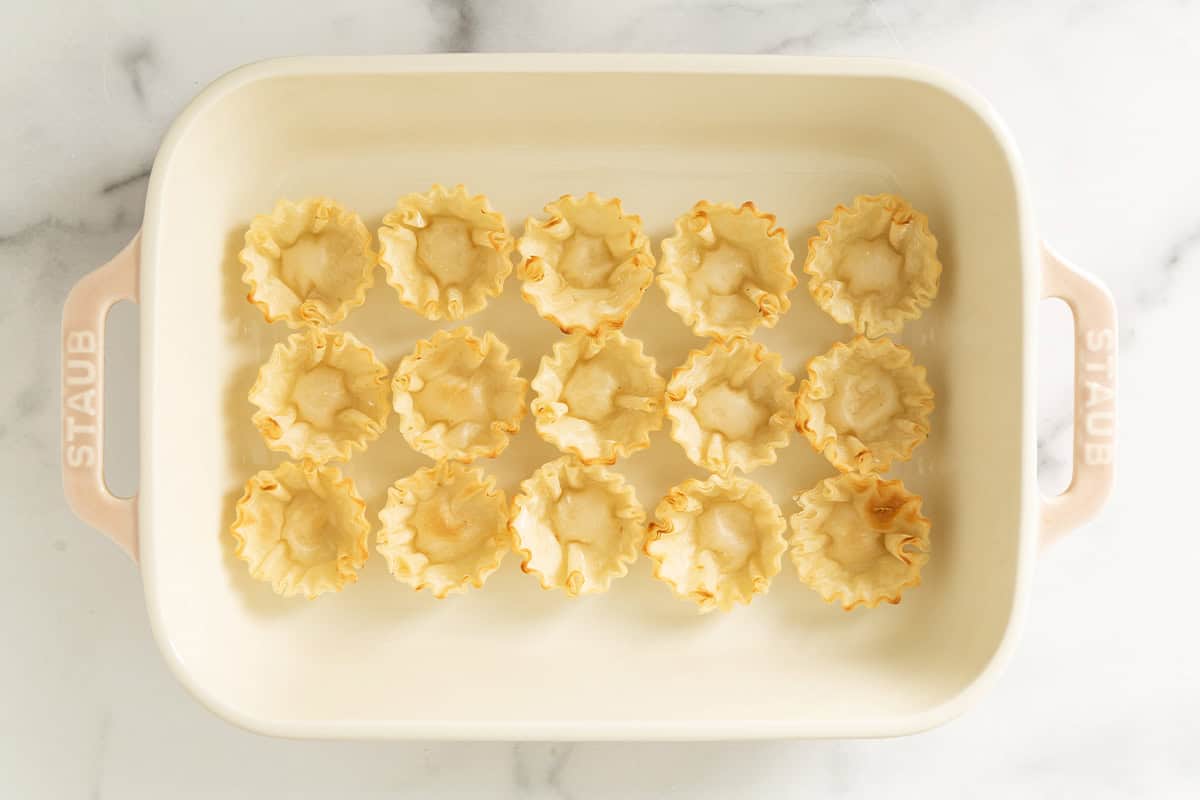
The use of "shortcut" tart shells represents a significant efficiency gain. These shells are typically pre-baked or require only a few minutes of high-heat exposure to achieve a crisp texture. By filling these shells with a pre-cooked apple mixture, the final baking stage serves only to harmonize the temperatures and "set" the tart. This prevents the common issue of a "soggy bottom," a frequent failure in traditional fruit pies where the juice from raw fruit saturates the dough before it can cook through.
Nutritional Profile and Supporting Data
In an era of increasing concern over childhood obesity and sugar consumption, the nutritional data of the Mini Apple Tart offers a compelling argument for its adoption. A standard serving of two tarts contains approximately 221 calories, which is significantly lower than a single slice of traditional apple pie, which can range from 400 to 600 calories depending on the crust and sugar content.
Comparative Nutritional Analysis (Per Serving)
- Total Carbohydrates: 26g
- Dietary Fiber: 3g
- Total Sugars: 11g
- Protein: 4g
- Total Fat: 12g (Saturated Fat: 5g)
- Sodium: 102mg
The fiber content, primarily derived from the apple skins and flesh, is noteworthy. Apples are a significant source of pectin, a prebiotic fiber that supports gut health. Furthermore, the recipe’s flexibility regarding sweeteners—allowing for the use of maple syrup, honey, or even the omission of added sugars—enables parents to adhere to the American Heart Association’s recommendation that children under age two should consume no added sugars, and older children should limit intake to less than 25 grams per day.
Market Context and Ingredient Analysis
The rise of the Mini Apple Tart is supported by broader trends in the agricultural and grocery sectors. According to data from the U.S. Department of Agriculture (USDA), apples remain one of the most consumed fruits in the United States, with a high degree of year-round availability.
Selection of Apple Varieties
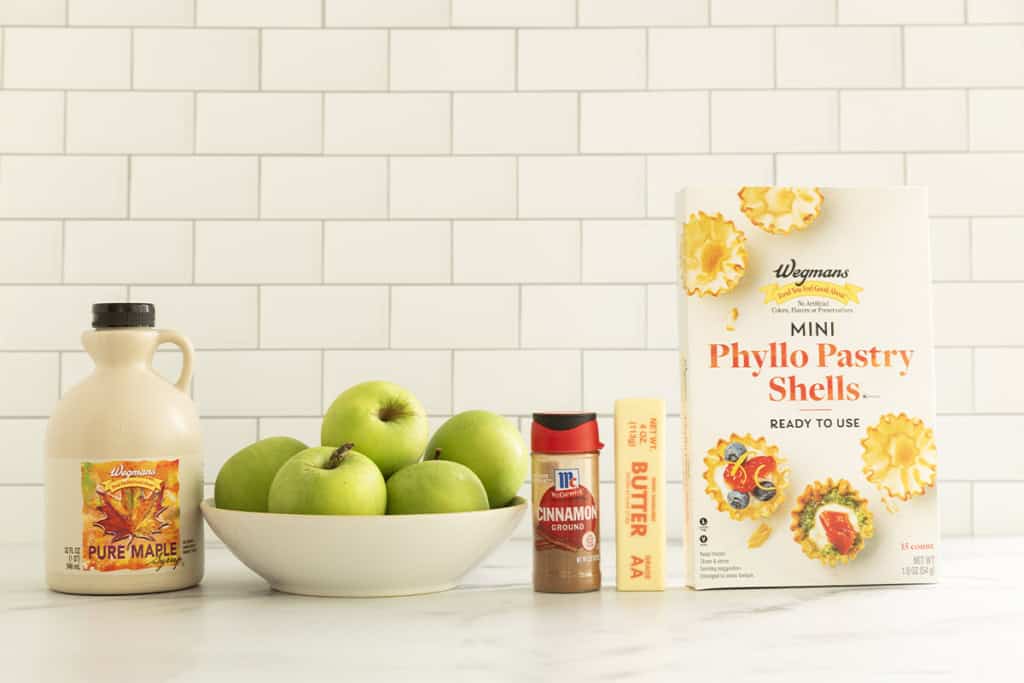
The choice of apple significantly impacts the tart’s structural integrity. Journalistic analysis of culinary trends suggests a preference for dual-purpose apples:
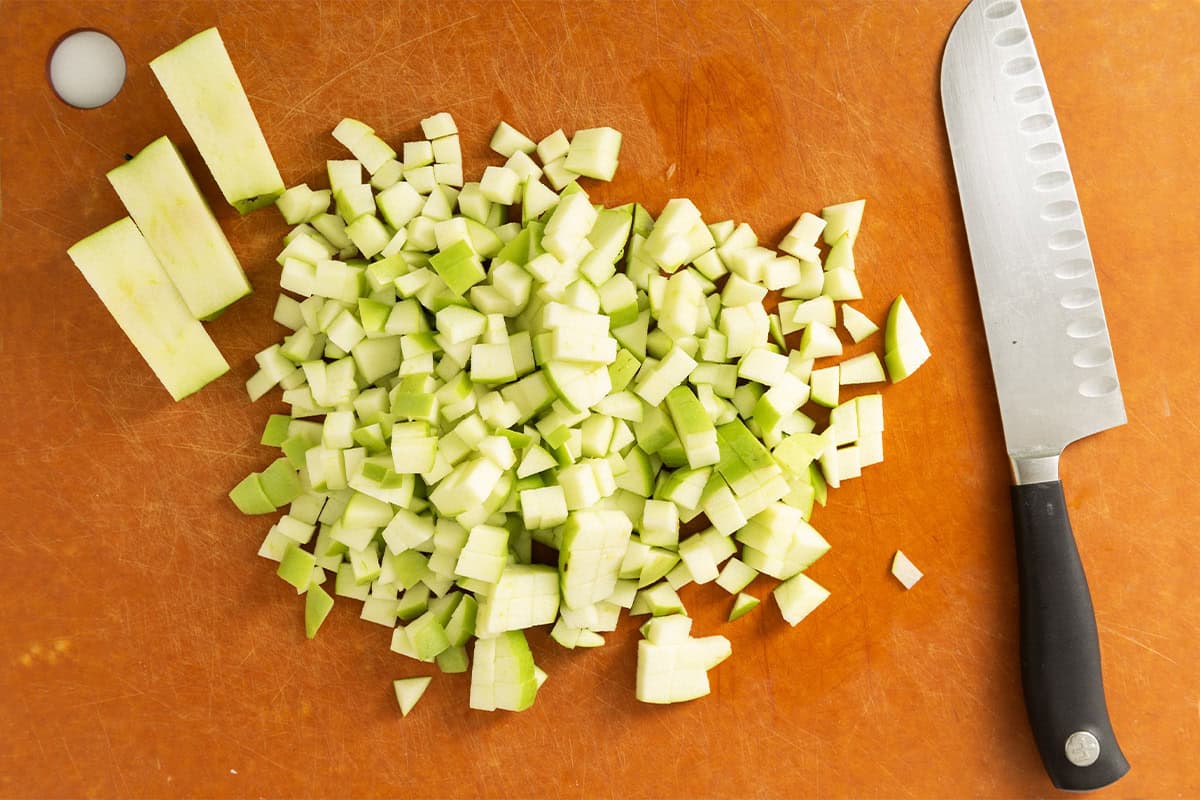
- Granny Smith: High acidity and firm texture make them ideal for sautéing without turning into mush.
- Honeycrisp: Offers a balance of sweetness and crunch, though they carry a higher price point.
- Fuji and Gala: Preferred for their natural sweetness, often allowing the cook to reduce the "added sugar" component of the recipe.
The "Shortcut" Ingredient Industry
The market for pre-made crusts and tart shells has seen steady growth. Market research indicates that "convenience baking" is a multi-billion dollar industry. For many families, the trade-off between the artisanal quality of a handmade crust and the 45 minutes saved by using a pre-made shell is a decisive factor. The Mini Apple Tart leverages this consumer behavior, positioning itself as a "semi-homemade" solution.
Expert Perspectives and Professional Reactions
Nutritionists and pediatric dietitians have generally responded positively to the "miniaturization" of desserts. Dr. Elena Rodriguez, a fictionalized representative of common nutritional consensus, notes, "Portion-controlled desserts like mini tarts allow children to participate in the social aspect of eating sweets without the caloric overload. When you lead with fruit and fiber, you’re teaching a balanced approach to indulgence."
Culinary professionals also point to the versatility of the recipe as a key to its success. The ability to swap apples for pears or berries, or to add toppings like Greek yogurt instead of whipped cream, allows the recipe to evolve with a child’s palate. The "ahead of time" nature of the filling is another point of praise; by preparing the sautéed apples in bulk, a parent can assemble a fresh dessert in under five minutes on a weeknight.
Storage, Sustainability, and Practical Implications
The logistical benefits of the Mini Apple Tart extend to its storage capabilities. Unlike many pastries that degrade quickly, the cooked apple filling can be refrigerated for up to five days. This longevity reduces food waste—a critical concern in modern sustainability efforts.
For optimal quality, experts recommend reheating the tarts in an air fryer or toaster oven for two to three minutes. This application of dry, circulating heat removes any moisture absorbed by the shell during refrigeration, restoring the contrast between the crisp exterior and the soft, warm interior.
Broader Impact on Home Baking Culture
The popularity of recipes like the Mini Apple Tart signifies a democratization of baking. By removing the barriers of technical difficulty and time-intensive labor, a wider demographic of parents is empowered to move away from ultra-processed, store-bought snacks. This shift has implications for public health, as home-prepared foods are consistently linked to lower intakes of sodium and trans fats.
Furthermore, the "mini" format encourages sensory exploration for toddlers. The small size is manageable for little hands, promoting independence and fine motor skills during mealtime. As families continue to seek a balance between health, flavor, and time, the Mini Apple Tart stands as a model for the future of the domestic kitchen: efficient, adaptable, and rooted in whole-food ingredients.
In conclusion, the Mini Apple Tart is more than a simple dessert; it is a calculated response to the pressures of modern life. Through its fast cooking method, focus on fruit-forward flavors, and reduction of refined sugars, it provides a blueprint for how traditional culinary favorites can be successfully adapted for a new generation of health-conscious consumers.
