

The landscape of domestic confectionery is undergoing a significant transformation as nutritional awareness and dietary restrictions reshape traditional dessert formats. A prominent example of this shift is the emergence of Cookie Dough Bark, a five-ingredient, no-bake dessert that prioritizes high protein content and reduced glycemic impact without sacrificing the sensory appeal of traditional cookie dough. This culinary development aligns with broader global trends favoring "clean label" ingredients and functional snacking, particularly within the demographic of parents seeking healthier alternatives for children. By utilizing a base of almond flour and nut butter, this recipe bypasses the safety concerns typically associated with raw flour and eggs, providing a shelf-stable, frozen treat that meets modern dietary standards.
The Evolution of the Edible Cookie Dough Trend
The concept of edible cookie dough has transitioned from a clandestine kitchen habit to a multi-million dollar industry. Historically, the consumption of raw cookie dough was discouraged by public health agencies, such as the Centers for Disease Control and Prevention (CDC), due to the risks of Salmonella from raw eggs and Escherichia coli (E. coli) from untreated wheat flour. The industry responded by developing heat-treated flours and eggless formulations.
The Cookie Dough Bark represents the next iteration of this evolution. By substituting wheat flour entirely with almond flour, the recipe eliminates the need for heat treatment while simultaneously boosting the nutritional profile. This shift reflects a growing consumer preference for grain-free and gluten-free options. According to market research, the global gluten-free garnish and snack market is projected to expand significantly through 2030, driven by both celiac requirements and lifestyle choices centered on inflammation reduction.
Nutritional Profile and Ingredient Analysis
The efficacy of Cookie Dough Bark as a "healthy" dessert is supported by its macronutrient distribution. A standard serving contains approximately 148 calories, with a notable 4 grams of protein and 2 grams of dietary fiber. In contrast to traditional commercial cookies, which often exceed 15 to 20 grams of sugar per serving, this bark maintains a sugar content of 7 grams, much of which is derived from natural sweeteners like honey or maple syrup.
The Role of Almond Flour
Almond flour serves as the structural foundation of the bark. Unlike refined white flour, almond flour is a low-glycemic index food, meaning it causes a slower, lower rise in blood sugar levels. It is rich in Vitamin E, an antioxidant that supports immune function, and magnesium, which is essential for metabolic health. The inclusion of almond flour ensures that the dessert provides sustained energy rather than a temporary "sugar high" followed by a crash.
Peanut Butter as a Functional Binder
Peanut butter (or sunflower seed butter for nut-free requirements) acts as the primary fat source and binding agent. It provides monounsaturated fats, which are associated with cardiovascular health. The high protein density of peanut butter contributes to satiety, making the bark a more filling option than traditional sugar-based candies. From a culinary perspective, the oils in the nut butter prevent the bark from becoming excessively brittle when frozen, maintaining a "chewy" consistency reminiscent of actual dough.
Sweeteners and Antioxidants
The use of honey or maple syrup allows for a reduction in total added sugars. Furthermore, the optional chocolate topping, particularly if dark chocolate is utilized, introduces flavonoids—compounds known for their heart-protective and anti-inflammatory properties. The addition of coconut oil to the chocolate coating serves a dual purpose: it lowers the melting point of the chocolate for a smoother pour and adds medium-chain triglycerides (MCTs), which are often cited for their rapid energy conversion.
Chronology of Preparation and Methodology
The preparation of Cookie Dough Bark is characterized by its efficiency, requiring no thermal processing and minimal equipment. The process can be categorized into four distinct phases:

- Homogenization of Base Ingredients: The almond flour, nut butter, sweetener, and a portion of chocolate chips are combined in a mixing vessel. The objective is to achieve a uniform distribution of moisture and solids, creating a cohesive batter.
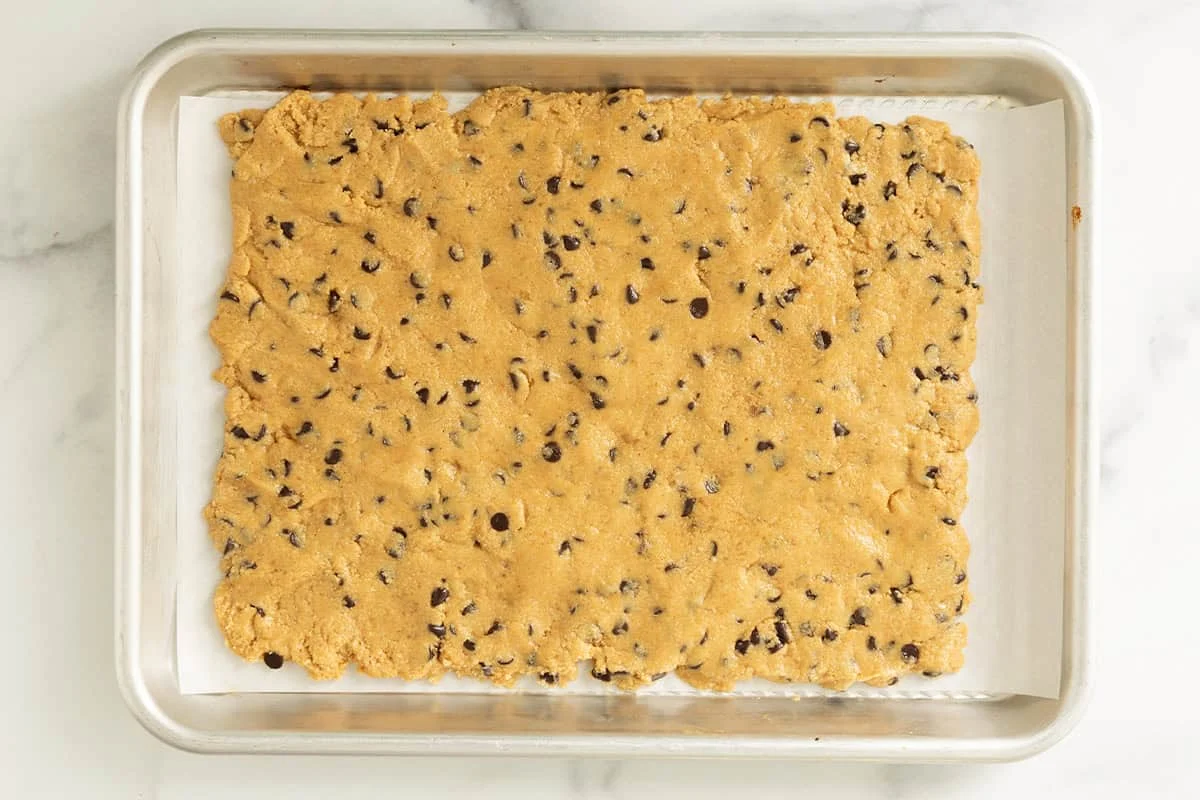
- Structural Formatting: The resulting dough is transferred to a lined baking sheet. It is pressed into a uniform layer, typically between 0.25 and 0.5 inches in thickness. Consistency in thickness is vital for even freezing and ease of consumption.
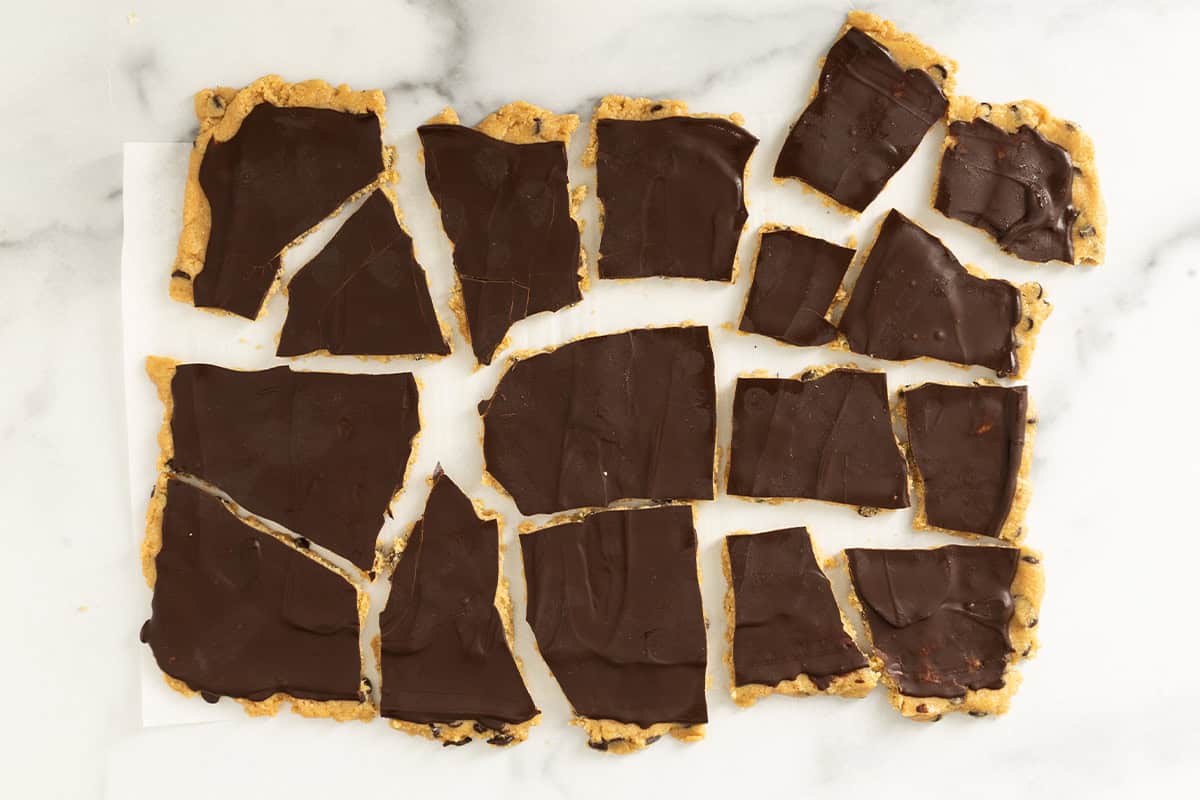
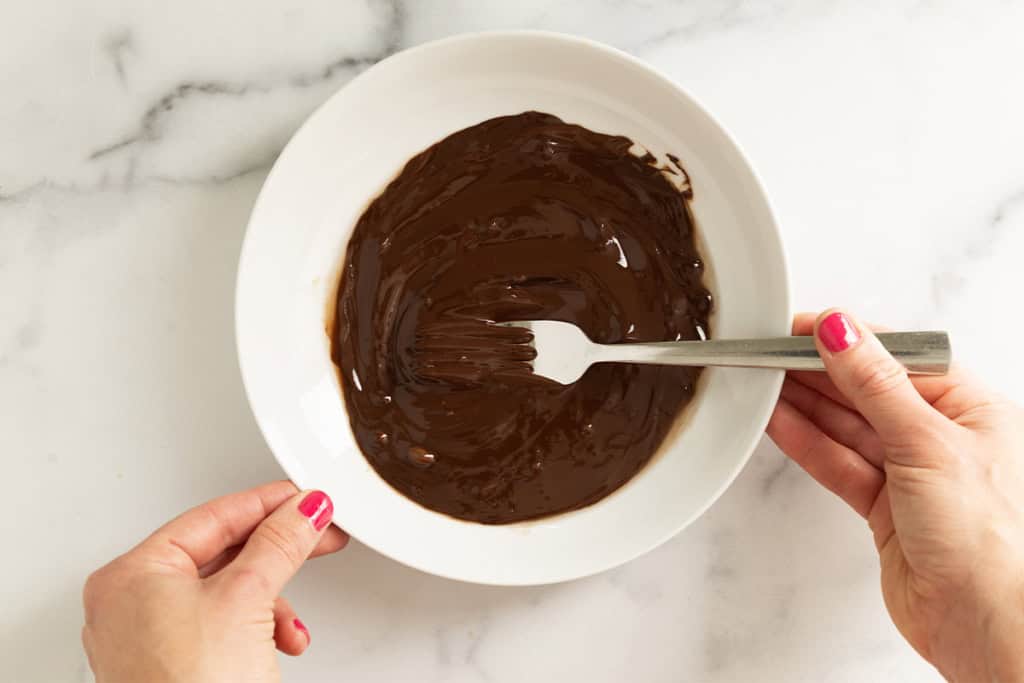
- Application of the Lipid-Based Coating: A mixture of chocolate chips and coconut oil is melted—either via a double boiler or controlled microwave intervals. This mixture is then spread over the dough base. The coconut oil ensures the chocolate layer remains flexible enough to break without shattering into irregular shards.
- Cryogenic Stabilization: The assembly is placed in a sub-zero environment (freezer) for a period of one to two hours. This step facilitates the crystallization of the fats, resulting in a solid "bark" structure that can be manually partitioned into servings.
Food Safety and Storage Implications
From a food safety perspective, Cookie Dough Bark is inherently more stable than many traditional desserts. Because it contains no dairy or eggs, the risk of spoilage at room temperature is reduced, although its physical integrity relies on cold storage.
For optimal quality, the bark should be stored in an airtight container at temperatures below 0°C (32°F). Under these conditions, the product maintains its sensory characteristics—including texture and flavor profile—for up to three months. The use of zip-top bags or vacuum-sealed containers is recommended to prevent freezer burn and the absorption of ambient odors from other frozen goods.
Market Reception and Consumer Response
While specific sales data for home-made recipes are difficult to quantify, digital engagement metrics indicate a high level of interest in "bark" formatted snacks. Social media platforms have seen a surge in "frozen yogurt bark" and "protein bark" content, with millions of interactions suggesting a shift toward deconstructed, easy-to-share desserts.
Parental feedback on these types of recipes often highlights the "stealth health" aspect—the ability to provide children with essential nutrients like fiber and protein in a format that mimics highly processed treats. Educational professionals and nutritionists have noted that involving children in the assembly of such no-bake recipes can foster a positive relationship with food and improve "food literacy," as children learn to identify whole-food ingredients.
Industry Analysis: The Shift Toward No-Bake Solutions
The popularity of the Cookie Dough Bark recipe is reflective of a larger movement within the food industry toward "low-intervention" food preparation. As energy costs rise and consumer schedules become increasingly compressed, no-bake recipes offer a dual benefit of convenience and sustainability.
Furthermore, the "bark" format allows for high levels of customization, which appeals to the growing market for "personalized nutrition." Consumers can easily swap peanut butter for almond or tahini butter to accommodate allergies, or replace honey with monk fruit sweetener to cater to ketogenic dietary requirements. This flexibility is a key driver in the modern recipe economy.
Broader Impact and Future Outlook
The rise of nutrient-dense snacks like Cookie Dough Bark suggests a permanent shift in how households approach the "treat" category. It marks a departure from the "empty calorie" model of the late 20th century toward a more integrated approach where even desserts contribute to daily nutritional goals.
Analysts predict that the DIY (Do-It-Yourself) healthy snack trend will continue to put pressure on commercial snack manufacturers to reformulate their products. Large-scale food corporations are already responding by launching "protein-packed" and "low-sugar" versions of legacy brands. However, the simplicity and transparency of five-ingredient home recipes like Cookie Dough Bark remain a formidable competitor to ultra-processed options.
In conclusion, the Cookie Dough Bark recipe is more than a culinary trend; it is a practical solution to the modern dilemma of balancing indulgence with health. By leveraging the nutritional density of almond flour and nut butters and utilizing the convenience of no-bake preparation, it provides a blueprint for the future of domestic snacking. As families continue to prioritize wellness, the demand for such versatile, high-protein, and low-sugar alternatives is expected to grow, further cementing the role of functional desserts in the standard global diet.
