

Culinary Composition and Nutritional Architecture
The foundational strength of the Pumpkin Chia Seed Pudding lies in its macro- and micro-nutrient profile. Analysis of the recipe’s data indicates that a single serving provides approximately 160 calories, balanced across 7 grams of fat, 21 grams of carbohydrates, and 5 grams of protein. However, the most notable metric is the dietary fiber content, which stands at 7 grams per serving. This high fiber-to-calorie ratio is primarily attributed to the chia seeds, which are recognized in the scientific community for their high concentration of alpha-linolenic acid (an omega-3 fatty acid) and soluble fiber.
From a micronutrient perspective, the inclusion of canned pumpkin—a concentrated source of beta-carotene—elevates the Vitamin A content to 9,603 IU per serving. This exceeds the recommended daily allowance for most age groups, particularly toddlers and school-aged children, making the dish a potent tool for supporting ocular health and immune function. The inclusion of yogurt adds a layer of calcium (199 mg) and potassium (308 mg), which are critical for bone development and electrolyte balance. The recipe also utilizes a modest amount of sweetener, such as maple syrup or date paste, though it remains adaptable for those seeking to minimize glycemic impact.
The Science of Satiety: Chia Seeds as a Functional Food
The transition of the mixture from a liquid state to a pudding-like consistency is a result of the mucilaginous properties of chia seeds. When exposed to liquid—in this case, the moisture from the yogurt and pumpkin puree—the outer layer of the chia seed forms a hydrocolloid. This process, which requires a minimum of two hours but is optimized through overnight refrigeration, allows the seeds to absorb up to twelve times their weight in liquid.
This biochemical reaction is not merely aesthetic; it plays a crucial role in digestive health. The gel-like substance slows the conversion of carbohydrates into sugar, leading to a more gradual release of energy. For families managing the dietary needs of toddlers or active adults, this "slow-burn" energy profile is an essential component of a successful breakfast strategy. Furthermore, the high satiety index of chia seeds ensures that the consumer feels full for a longer duration, reducing the likelihood of mid-morning glucose crashes and subsequent irritability or fatigue.
Seasonal Synergy: The Enduring Appeal of the Pumpkin Flavor Profile
The development of the Pumpkin Chia Seed Pudding is part of a broader evolution in the "Pumpkin Spice" trend, which has dominated the North American food and beverage market for over two decades. While the flavor profile was once relegated to desserts and seasonal lattes, it has increasingly been integrated into the "clean eating" movement. By stripping away the high sugar and artificial fats often associated with pumpkin-flavored commercial products, this pudding iteration refocuses on the vegetable’s natural nutritional value.
The use of pumpkin pie spices—typically a blend of cinnamon, ginger, nutmeg, and cloves—provides more than just a nostalgic aroma. These spices are frequently cited in clinical literature for their anti-inflammatory and antioxidant properties. Cinnamon, in particular, has been studied for its potential to improve insulin sensitivity. By incorporating these elements into a raw, chilled format, the recipe maintains the integrity of the spices’ volatile oils, ensuring maximum flavor and biological activity.
Preparation Chronology and Storage Logistics
The efficiency of the Pumpkin Chia Seed Pudding is centered on its "make-ahead" design, which aligns with the burgeoning meal-prep industry currently valued at billions of dollars globally. The chronology of preparation is intentionally streamlined to accommodate high-pressure morning schedules:
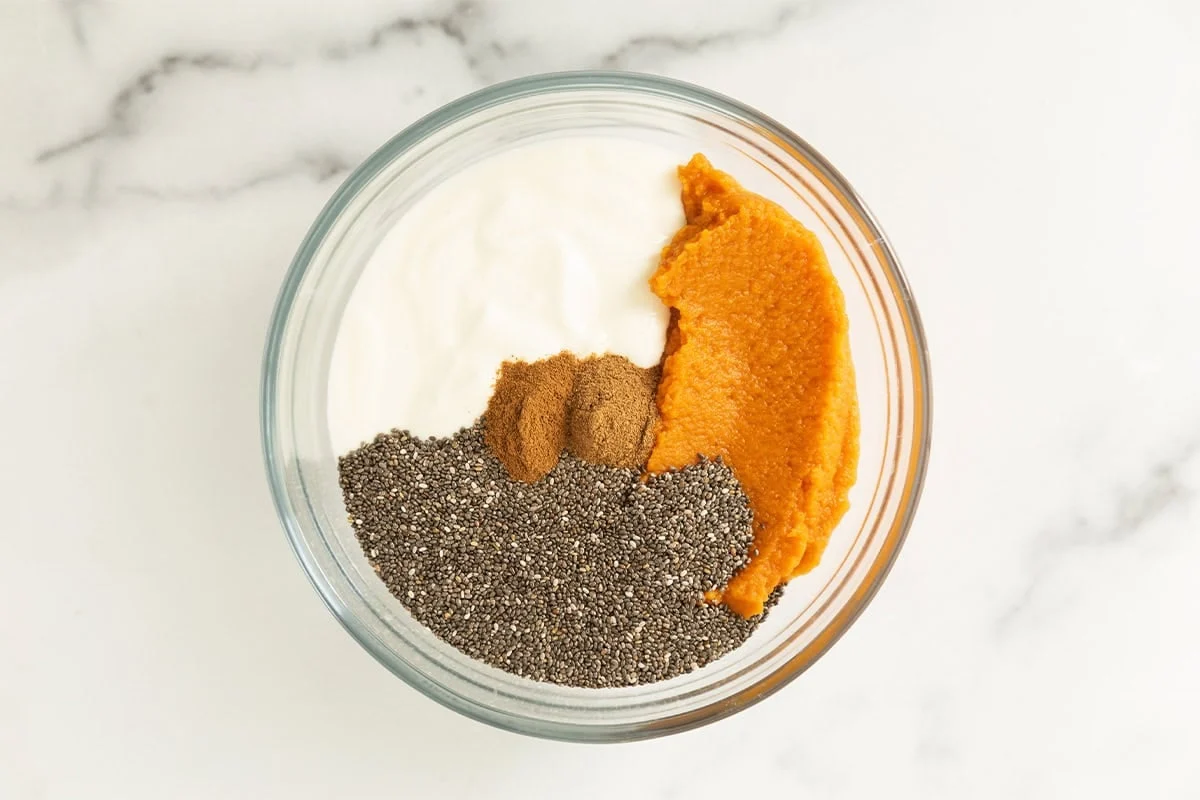
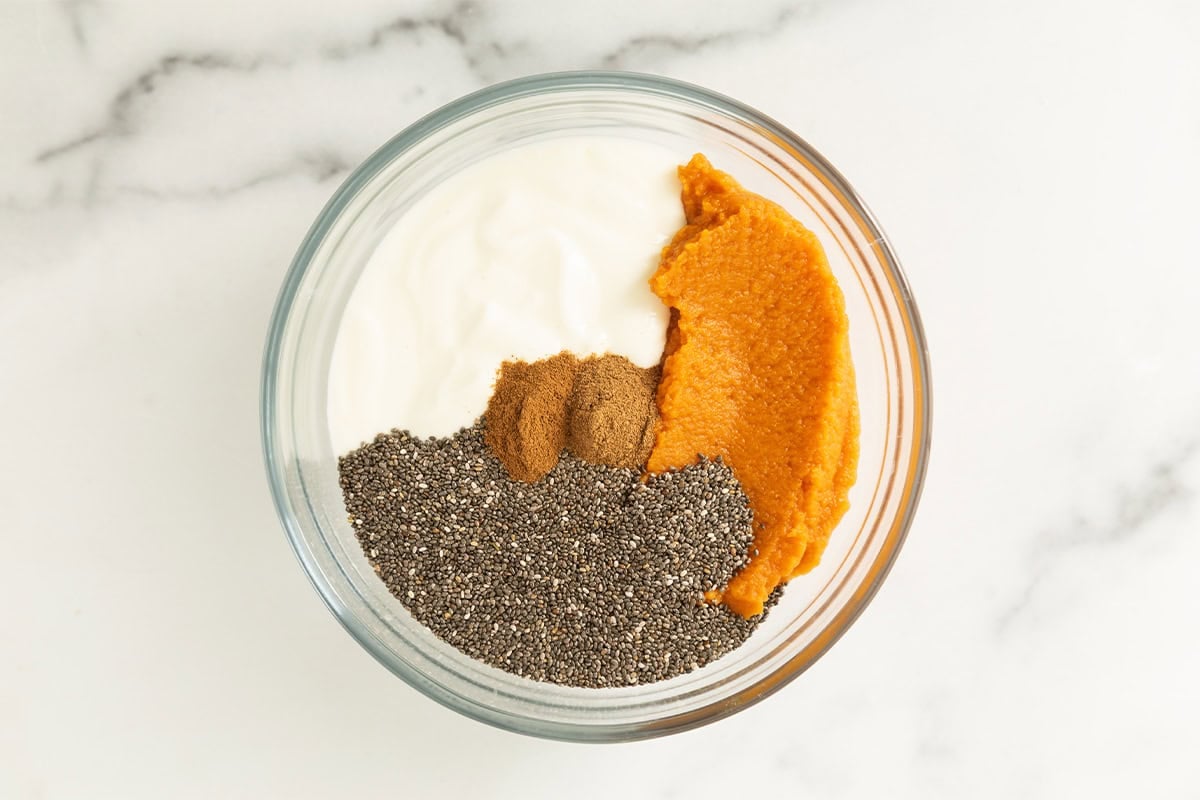
- Phase One: Assembly. The dry and wet components—chia seeds, pumpkin puree, yogurt, and spices—are combined in a single mixing vessel. This stage emphasizes the "stir-together" method, which requires no specialized equipment or heat application.
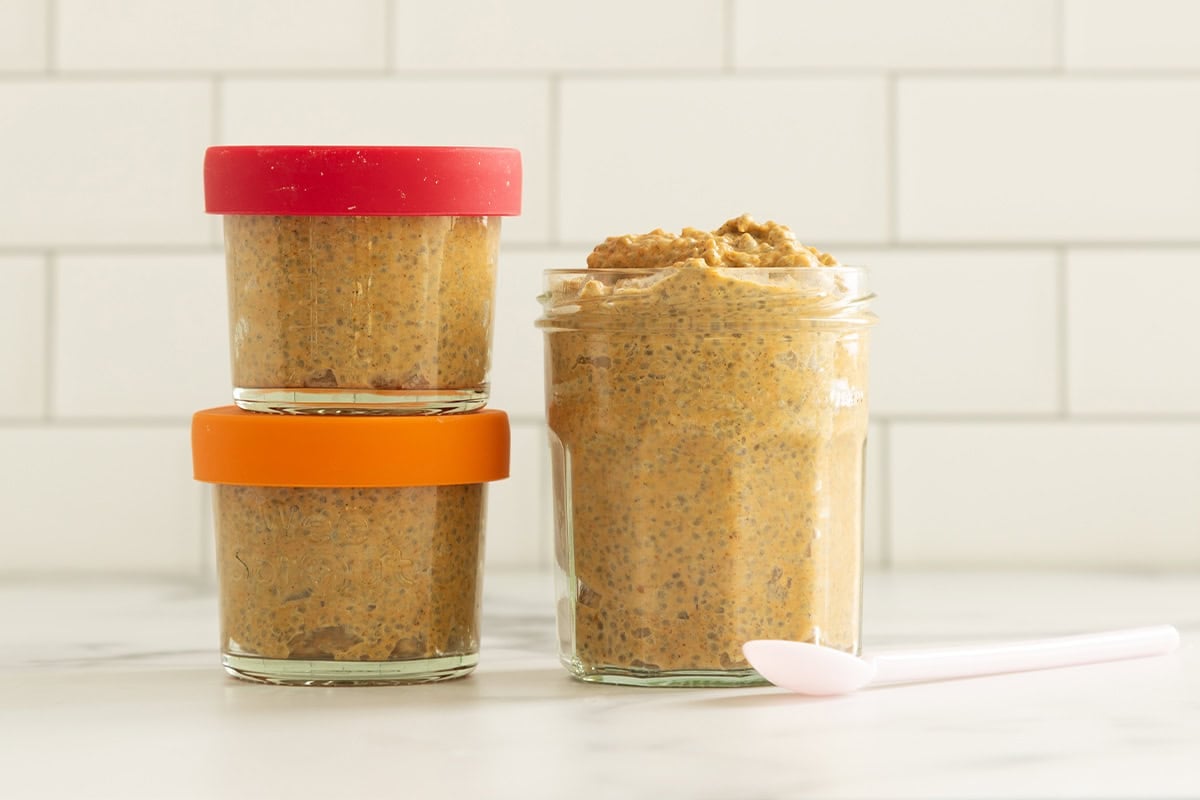
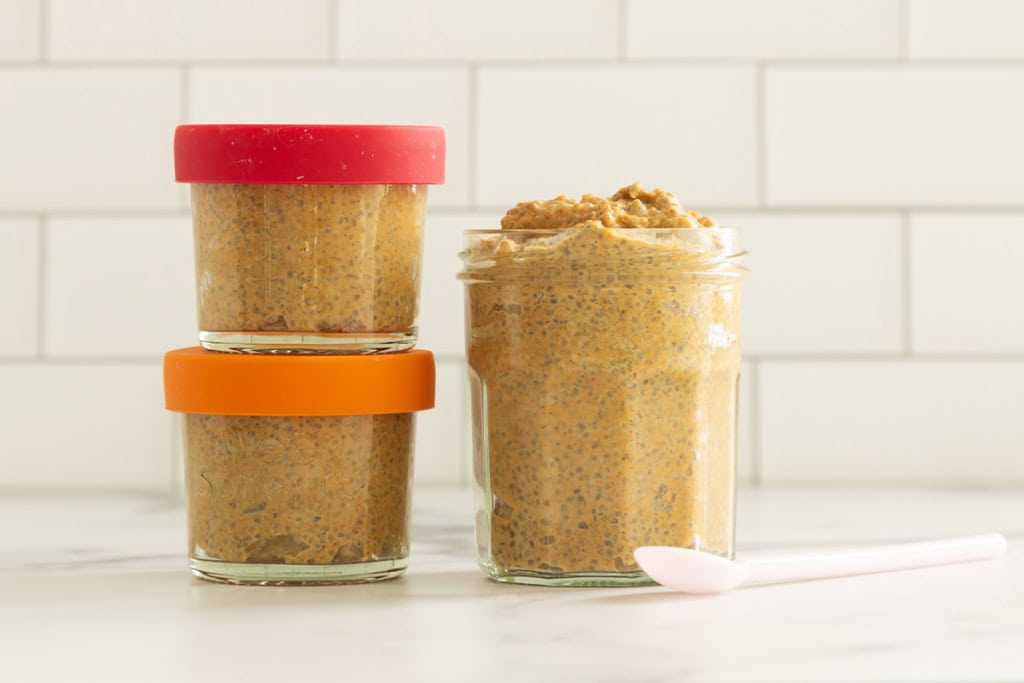
- Phase Two: Hydration and Setting. The mixture is transferred to airtight containers. A refrigeration period of at least two hours is mandatory to allow for seed expansion, though a 12-hour window (overnight) is recommended by culinary experts to achieve a uniform texture.
- Phase Three: Customization. Upon serving, the pudding acts as a base for various "toppers." The addition of blueberries or cinnamon-cooked apples introduces secondary textures and antioxidants, while a drizzle of maple syrup or a dollop of whipped cream can transition the dish from a functional breakfast to a health-conscious dessert.
- Phase Four: Preservation. The finished product remains stable in a refrigerated environment for three to five days. This longevity is a critical factor for domestic efficiency, allowing for the preparation of a workweek’s worth of breakfast in a single session.
Addressing the Pediatric Nutrition Gap
While the pudding is suitable for all ages, its primary development was influenced by the need for nutrient-dense "toddler food" that appeals to sensory preferences. Pediatricians often highlight the challenge of "picky eating" phases in early childhood, where children may reject vegetables but accept creamy textures and sweet flavors. The Pumpkin Chia Seed Pudding bridges this gap by masking the earthy notes of the pumpkin with yogurt and spices.

Furthermore, the recipe serves as a solution for the "leftover" problem. Many recipes call for only a portion of a can of pumpkin puree, leading to significant food waste in the average household. This pudding provides a practical utility for utilizing the remaining 1/2 or 1/4 cup of pumpkin, thereby increasing the economic value of the grocery spend.
Economic and Environmental Implications of Domestic Efficiency
In a broader socio-economic context, the rise of recipes like the Pumpkin Chia Seed Pudding reflects a shift toward sustainable domestic practices. By utilizing shelf-stable pantry staples (chia seeds, spices) and long-lasting refrigerated items (yogurt, canned pumpkin), consumers can reduce the frequency of grocery store visits and minimize the spoilage of fresh produce.
The environmental impact of this dietary shift is also noteworthy. Chia seeds are a relatively hardy crop, requiring less water than many traditional grains and often grown without extensive pesticide use. As global food systems face increasing pressure from climate change, the adoption of drought-resistant, nutrient-dense crops like chia into the daily diet represents a small but significant step toward a more resilient food culture.
Broader Impact and Industry Trends
The popularity of this recipe highlights a clear trend in the food industry: the demand for "grab-and-go" health food. As the traditional sit-down breakfast continues to decline in favor of portable options, products that can be consumed in transit—without sacrificing nutritional integrity—are seeing unprecedented growth.
Industry analysts suggest that the success of chia-based products is tied to the transparency of their ingredients. In an era where consumers are increasingly wary of ultra-processed foods (UPFs), a recipe that consists of five or six recognizable whole-food ingredients holds a high level of market trust. This Pumpkin Chia Seed Pudding serves as a blueprint for future developments in the functional snack category, proving that simplicity, nutrition, and seasonal appeal can coexist in a single, accessible format.
Conclusion and Future Outlook
As the culinary landscape continues to prioritize health and convenience, the Pumpkin Chia Seed Pudding stands as a testament to the power of thoughtful ingredient pairing. By capitalizing on the biological synergy of its components, it provides a robust solution for the modern consumer’s nutritional needs. Whether viewed as a tool for managing toddler nutrition, a strategy for reducing food waste, or a means of enjoying the flavors of the season in a health-conscious manner, the dish represents a refined approach to the most important meal of the day. Future iterations may see the inclusion of plant-based yogurts or the integration of supplemental protein powders, but the core philosophy remains unchanged: providing high-density nutrition through a simple, manageable, and flavorful process.
