

Iron deficiency remains one of the most prevalent nutritional challenges facing pediatric health globally, with significant implications for cognitive development, immune function, and physical growth. Clinical data suggests that toddlers and young children are particularly susceptible to iron-deficiency anemia as they transition from iron-fortified infant diets to a broader range of table foods. To address this gap, nutritionists and pediatric experts emphasize the integration of nutrient-dense, iron-rich snacks into the daily routines of children aged one to eight. By focusing on accessible ingredients such as legumes, whole grains, and seeds, caregivers can ensure that children meet the daily recommended intake of 7 to 10 milligrams of iron through palatable and easy-to-prepare options.
The Nutritional Landscape: Understanding Iron Requirements in Early Childhood
Iron is a critical component of hemoglobin, the protein in red blood cells responsible for transporting oxygen from the lungs to the rest of the body. In the context of pediatric development, iron also plays a fundamental role in the synthesis of neurotransmitters and the maintenance of a robust immune system. According to the Centers for Disease Control and Prevention (CDC), nutritional requirements for iron vary significantly as a child matures. Toddlers between the ages of one and three require approximately 7 milligrams of iron per day. As children enter the four-to-eight-year-old bracket, this requirement increases to 10 milligrams per day to support rapid bone growth and muscle development.

The challenge for many families lies in the distinction between heme iron—found in animal products—and non-heme iron, which is found in plant-based sources. While heme iron is more readily absorbed by the body, non-heme iron is more common in the snacks and finger foods preferred by younger children. To maximize the efficacy of plant-based iron sources, health professionals recommend pairing these foods with Vitamin C, which significantly enhances the bioavailability of non-heme iron.
Chronology of Nutritional Transition and Risk Factors
The risk of iron deficiency often follows a specific timeline in early childhood development. During the first six months of life, infants typically rely on iron stores accumulated during the third trimester of pregnancy. Between six and twelve months, these stores deplete, necessitating the introduction of iron-rich complementary foods.

The transition to toddlerhood (12–24 months) represents a critical window of risk. During this period, many children increase their consumption of cow’s milk. Excessive intake of cow’s milk—exceeding 24 ounces per day—can lead to iron deficiency because it is low in iron and can interfere with the absorption of iron from other dietary sources. Furthermore, the "picky eating" phase, which often peaks during the preschool years, can result in a diet heavy in processed carbohydrates and low in the leafy greens or legumes necessary for iron maintenance.
Strategic Dietary Interventions: Legume-Based Innovations
Legumes, particularly chickpeas and lentils, serve as a cornerstone for plant-based iron supplementation. These ingredients are versatile, affordable, and can be seamlessly integrated into snacks that appeal to a child’s preference for sweetness and soft textures.
Chickpea-Based Confections and Savory Snacks
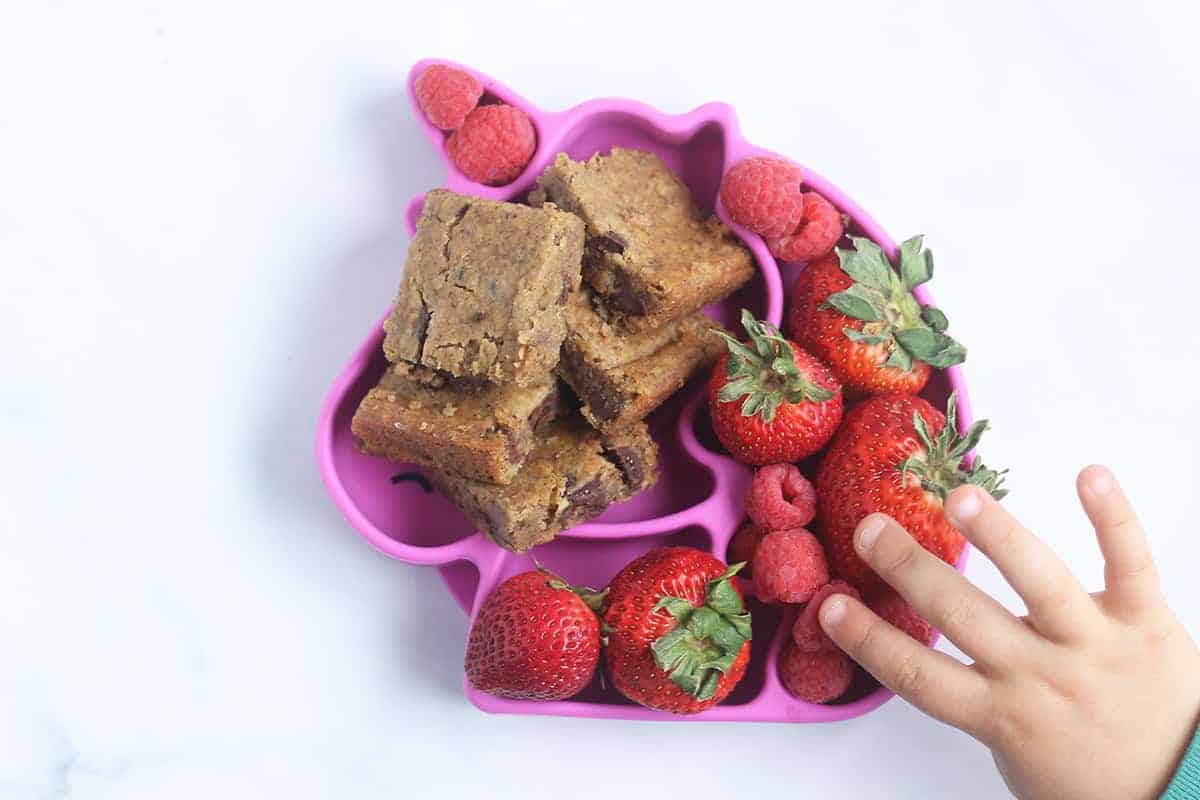
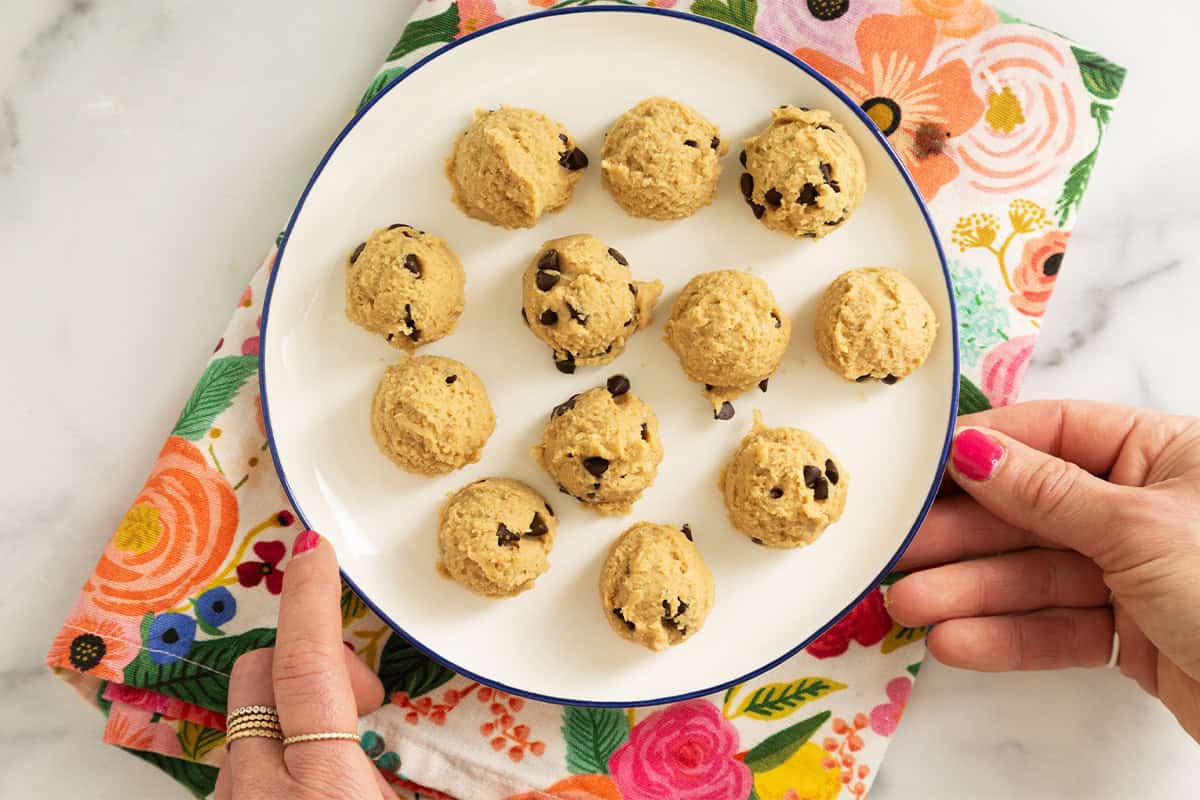
Chickpeas offer approximately 4.7 milligrams of iron per cup, making them an ideal base for both desserts and savory bites. "Chickpea Blondies" and "Chickpea Cookie Dough" have emerged as popular options that utilize pureed beans to create a nutrient-dense alternative to traditional flour-based treats. These recipes typically provide 1 to 2 milligrams of iron per serving.
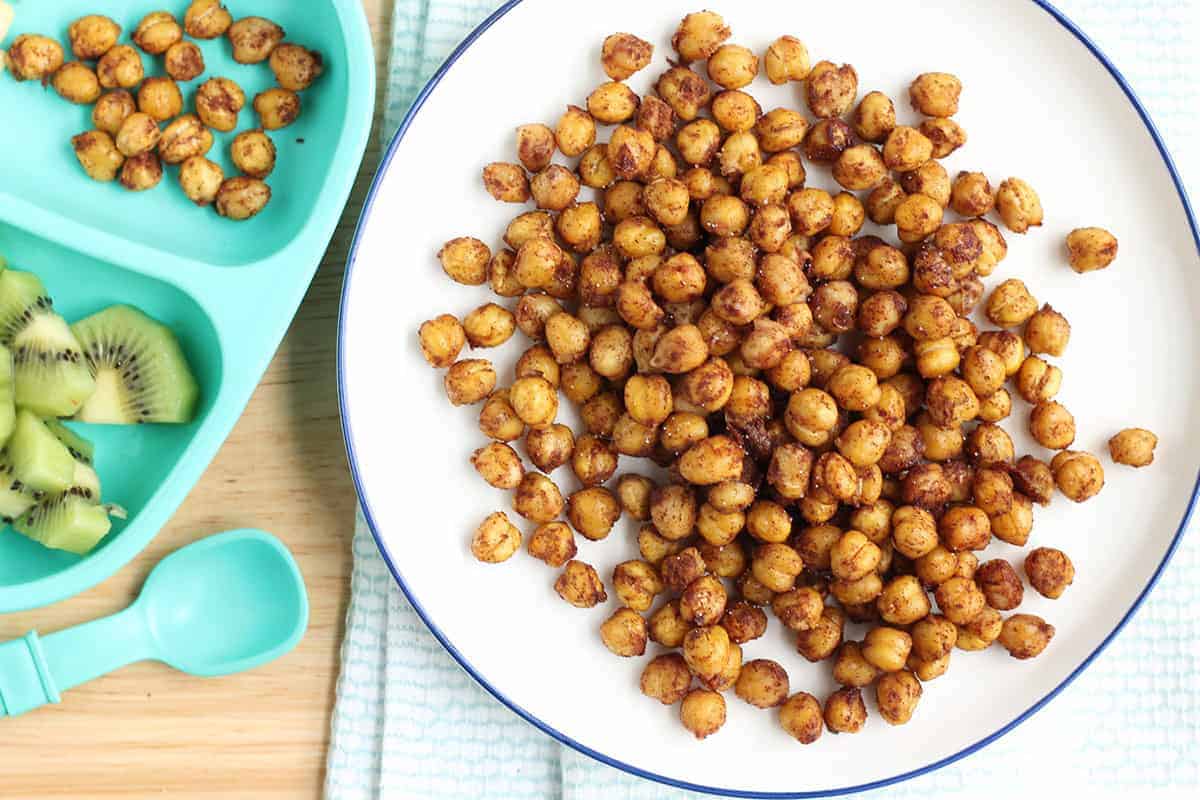
For a more direct application, "Soft Roasted Chickpeas" seasoned with cinnamon and a touch of maple syrup provide a high-fiber, iron-rich finger food. In savory contexts, "Chickpea Fritters" utilize the same nutritional profile but offer a flavor profile similar to falafel, which can be served with a yogurt-based dip to balance the meal.
Lentils and Alternative Proteins
Lentils are another powerhouse, often utilized in "Lentil Patties" or "Lentil Sauce for Pasta." While these are frequently served as main courses, they are increasingly being repurposed as cold snacks or "leftover bites" for school lunches. Similarly, "Baked Tofu" provides a plant-based protein source that is easily manageable for small hands and contributes significantly to the daily iron quota.
Whole-Grain Foundations: The Role of Oats and Fortified Flours
Oats are a staple of the pediatric diet, and their inclusion in snack bars and muffins provides a consistent source of non-heme iron. When combined with other iron-rich agents like pumpkin puree or nut butters, the nutritional value is compounded.

Oatmeal Bars and Cookies
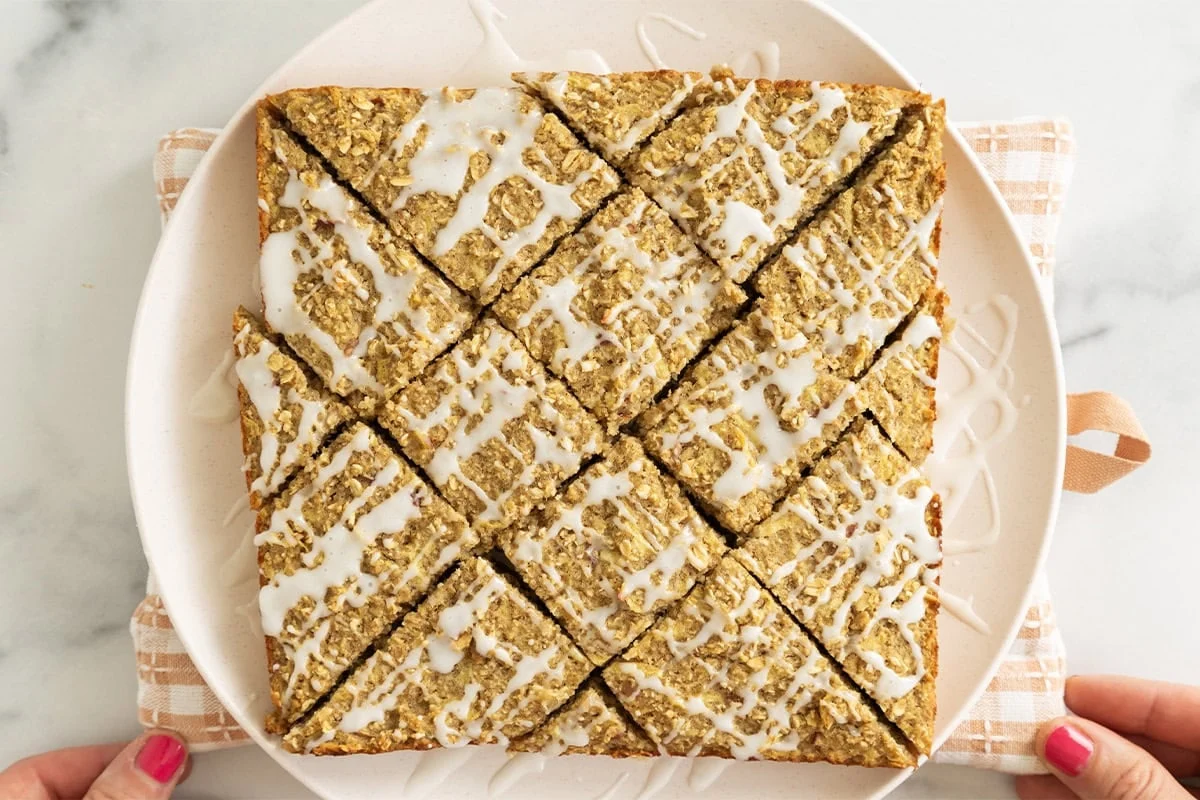
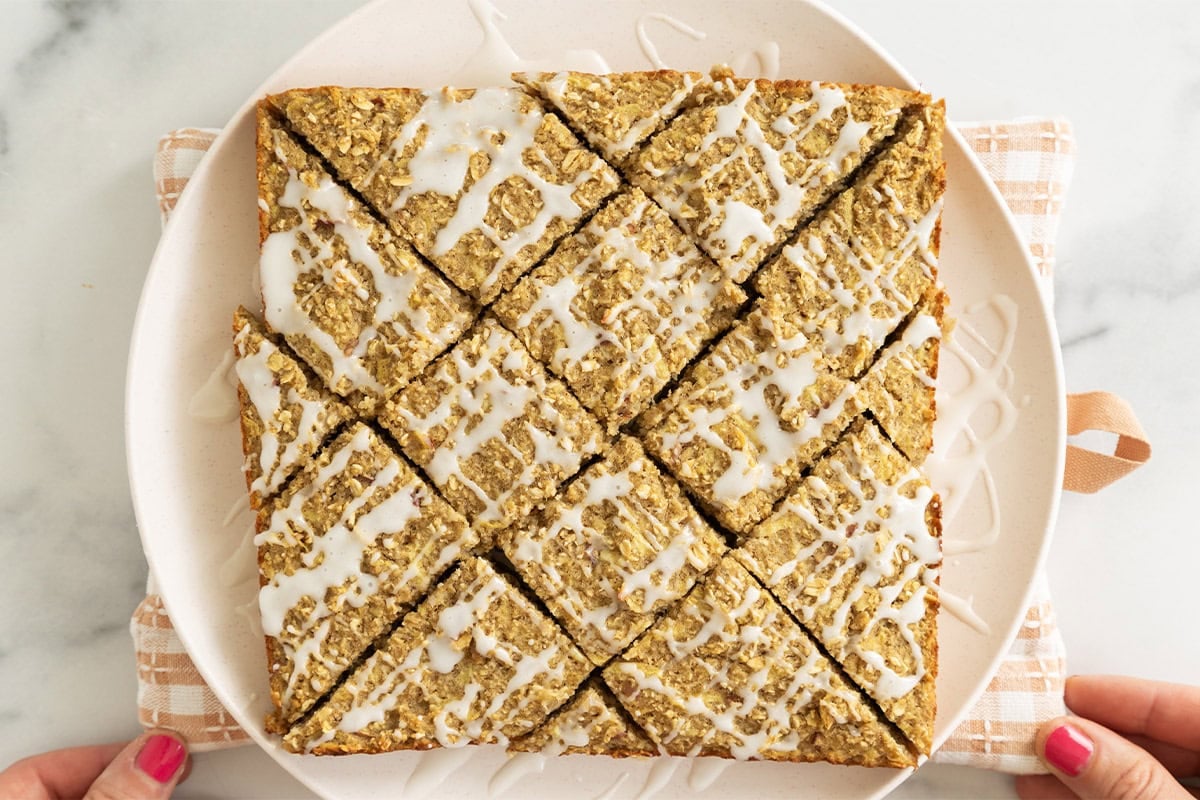
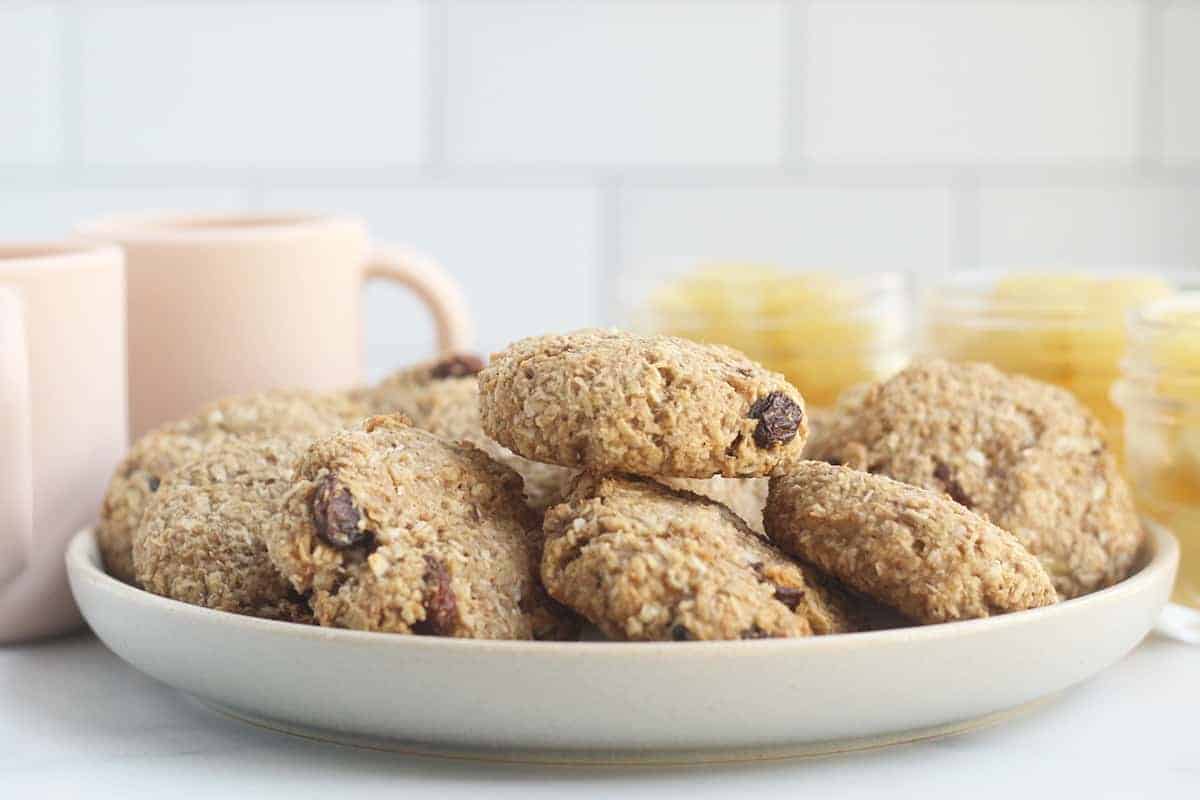
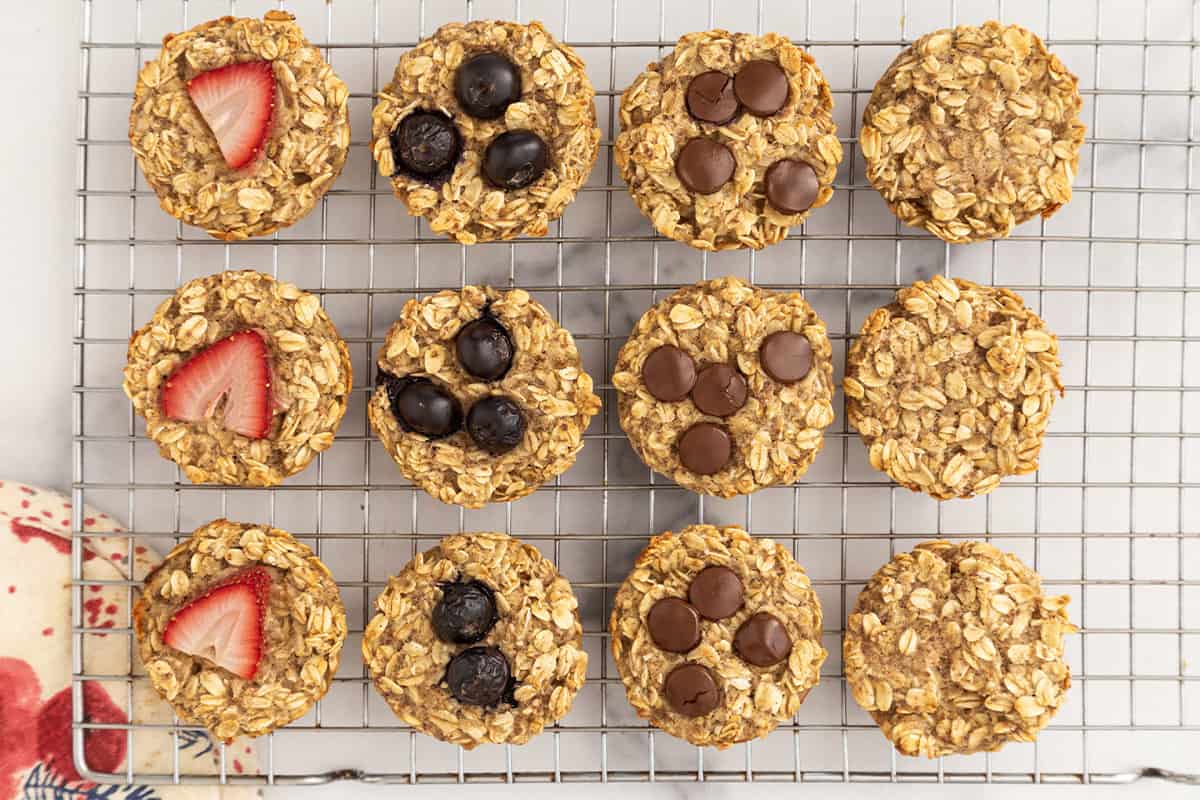
"Apple Oatmeal Bars" and "Banana Oatmeal Breakfast Cookies" utilize the natural sweetness of fruit to minimize the need for added sugars while delivering the iron found in rolled oats. These snacks are particularly effective because they are shelf-stable and can be prepared in bulk, addressing the time constraints faced by many modern households.
Nutrient-Dense Breads and Muffins
The "Pumpkin Oatmeal Bread" and "Double Chocolate Muffins" represent a strategic approach to "hidden" nutrition. Pumpkin puree is not only a source of Vitamin A but also contributes to the iron content. In the case of chocolate-based snacks, the use of cocoa powder adds a small but cumulative amount of iron, while a yogurt base increases the protein content, making the snack more satiating.
Liquid Nutrition and Dairy Alternatives
Hydration and snacks often overlap in the form of smoothies and juices. These provide an excellent opportunity to pair iron-rich ingredients with Vitamin C for optimal absorption.

Smoothies and Yogurt Dips
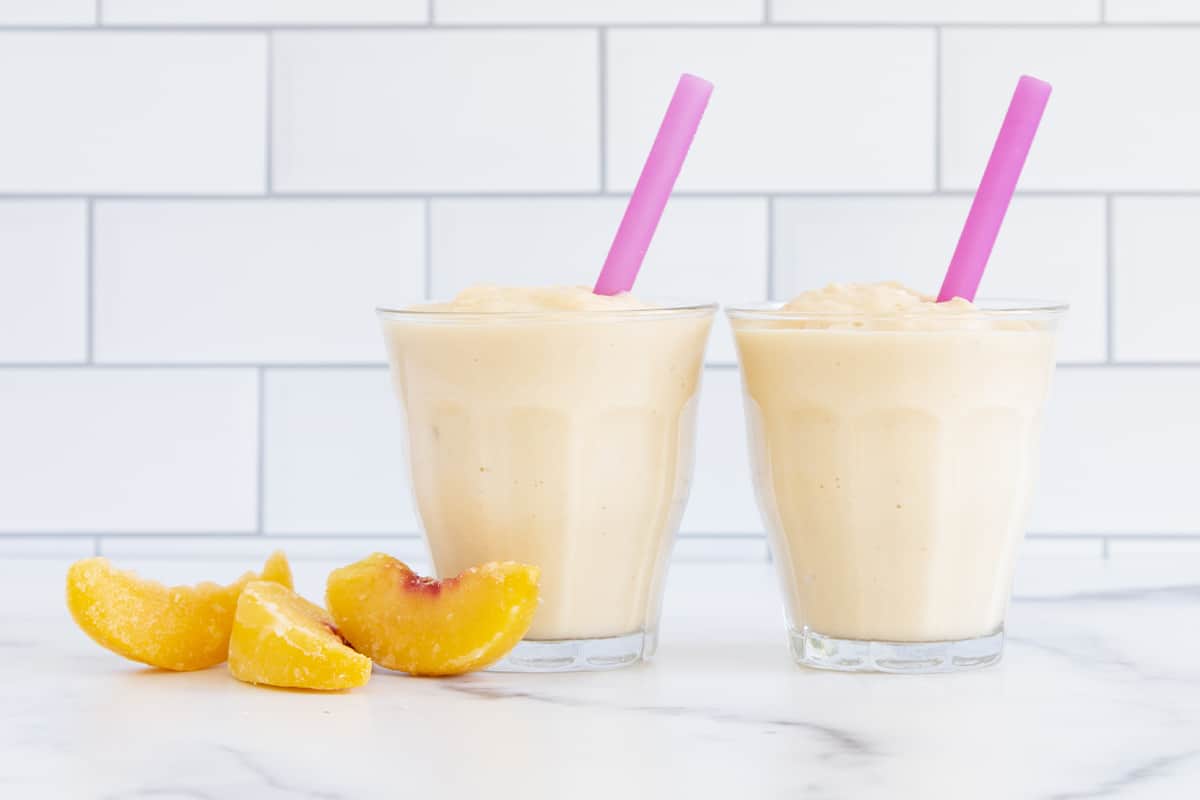
The "Peach Smoothie" and "Peanut Butter Yogurt" are examples of how dairy or dairy alternatives can be enhanced. By adding almond butter or seeds (such as chia or hemp) to a peach-based smoothie, the iron content increases, while the Vitamin C in the peaches aids in its uptake. Peanut butter, a common household staple, offers iron and healthy fats; when stirred into yogurt, it creates a high-protein dip that can be paired with apple slices or whole-grain crackers.

Fresh Fruit Juices
While whole fruits are generally preferred for their fiber content, fresh "Strawberry Juice" can serve as a potent Vitamin C delivery system. When served alongside an iron-rich snack like "Peanut Butter Crackers," the juice facilitates the absorption of the non-heme iron found in the peanuts and whole-grain flour.
Expert Recommendations for Maximizing Success
To ensure these nutritional interventions are successful, pediatric nutritionists suggest several practical strategies for caregivers:

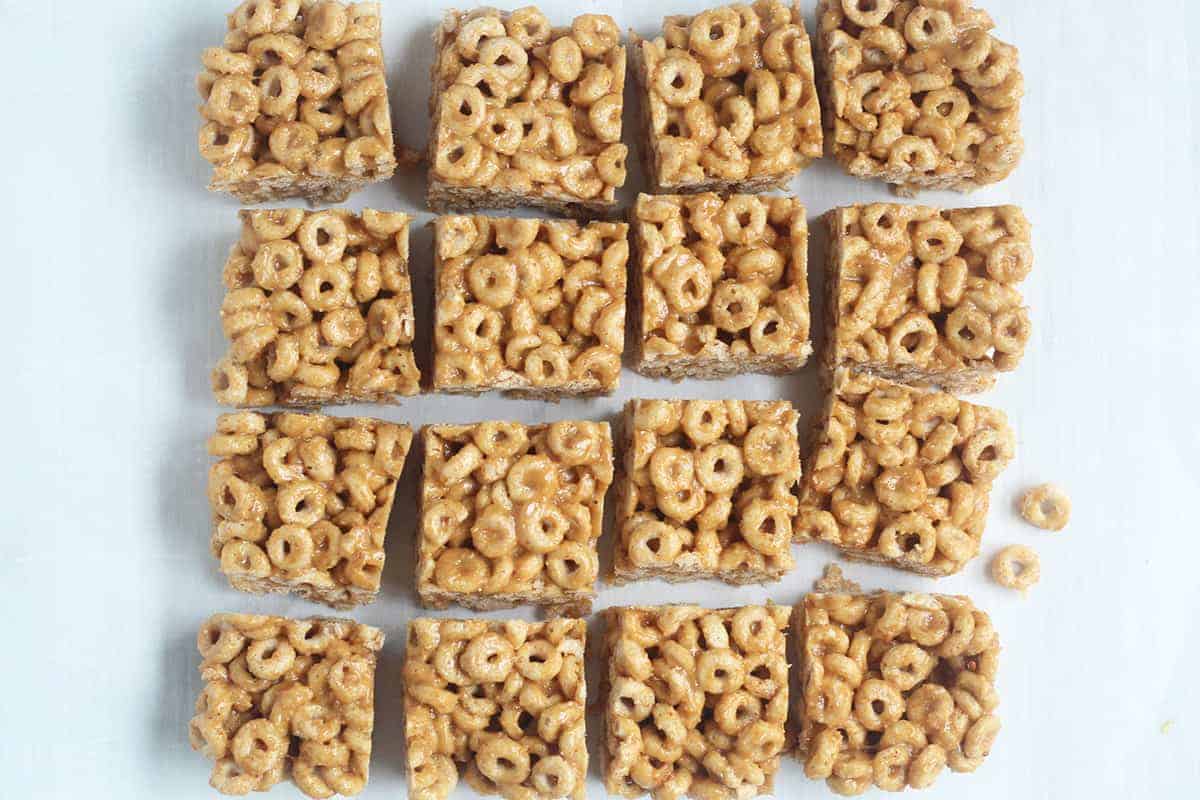
- Batch Cooking: Preparing items like "Pumpkin Protein Balls" or "Cereal Bars" in advance ensures that a healthy option is always available, reducing the reliance on processed, iron-poor convenience foods.
- Texture Management: For younger toddlers, ensuring that roasted legumes are soft and that muffins are moist is crucial for preventing choking hazards and ensuring the food is easy to chew.
- Consistency Over Quantity: Providing small amounts of iron throughout the day—rather than relying on one large meal—helps maintain steady nutrient levels and accommodates the smaller stomach capacities of young children.
- The Vitamin C Connection: Always aim to serve a piece of fruit or a splash of citrus with grain-based or legume-based snacks to unlock the full potential of the iron provided.
Broader Implications: Long-term Health and Development
The implications of maintaining adequate iron levels in childhood extend far beyond immediate energy levels. Longitudinal studies have shown that children who maintain sufficient iron levels during the critical brain-growth window of ages one to five demonstrate better attention spans, improved memory function, and higher scores in fine motor skill assessments.
Furthermore, establishing a preference for nutrient-dense snacks early in life sets a foundation for healthy eating habits in adulthood. By moving away from "empty calorie" snacks and toward options like chickpea blondies or oatmeal cups, families are not just treating a potential deficiency; they are cultivating a sophisticated palate that values both flavor and function.

Official Responses and Clinical Outlook
Health organizations, including the American Academy of Pediatrics (AAP), continue to advocate for "food-first" approaches to nutrient deficiencies. While iron supplements are available, they can often cause gastrointestinal discomfort in children. Therefore, the development and promotion of recipes that integrate iron into familiar formats—like cookies, muffins, and smoothies—is viewed by the medical community as a primary preventative measure.

As the understanding of pediatric nutrition evolves, the focus remains on empowering caregivers with the tools to provide balanced diets. The transition from clinical advice to the kitchen counter is bridged by these simple, yummy, and nutritious options, ensuring that the next generation reaches its full developmental potential through the power of informed dietary choices.
