

The rising demand for efficient, health-conscious meal solutions has led to a resurgence in vegetable-forward culinary techniques, specifically focusing on "stealth health" strategies for families with selective eaters. This Pasta with Butternut Squash Sauce represents a shift toward nutrient-dense, plant-based alternatives to traditional heavy cream or tomato-based sauces. By utilizing a foundation of roasted butternut squash, onions, and garlic, the dish provides a significant concentration of essential vitamins and dietary fiber while maintaining a texture and flavor profile accessible to children and adults alike. This culinary approach is increasingly relevant as modern households seek to balance time constraints with the nutritional requirements of developing children.
Culinary Foundation and Preparation Chronology
The development of a high-quality vegetable sauce requires a specific sequence of preparation to maximize flavor extraction and nutritional retention. Unlike traditional boiling methods, which can result in nutrient leaching and a diluted flavor profile, the roasting method utilizes dry heat to induce the Maillard reaction. This chemical reaction between amino acids and reducing sugars gives browned food its distinctive flavor.
Phase I: Preparation and Roasting
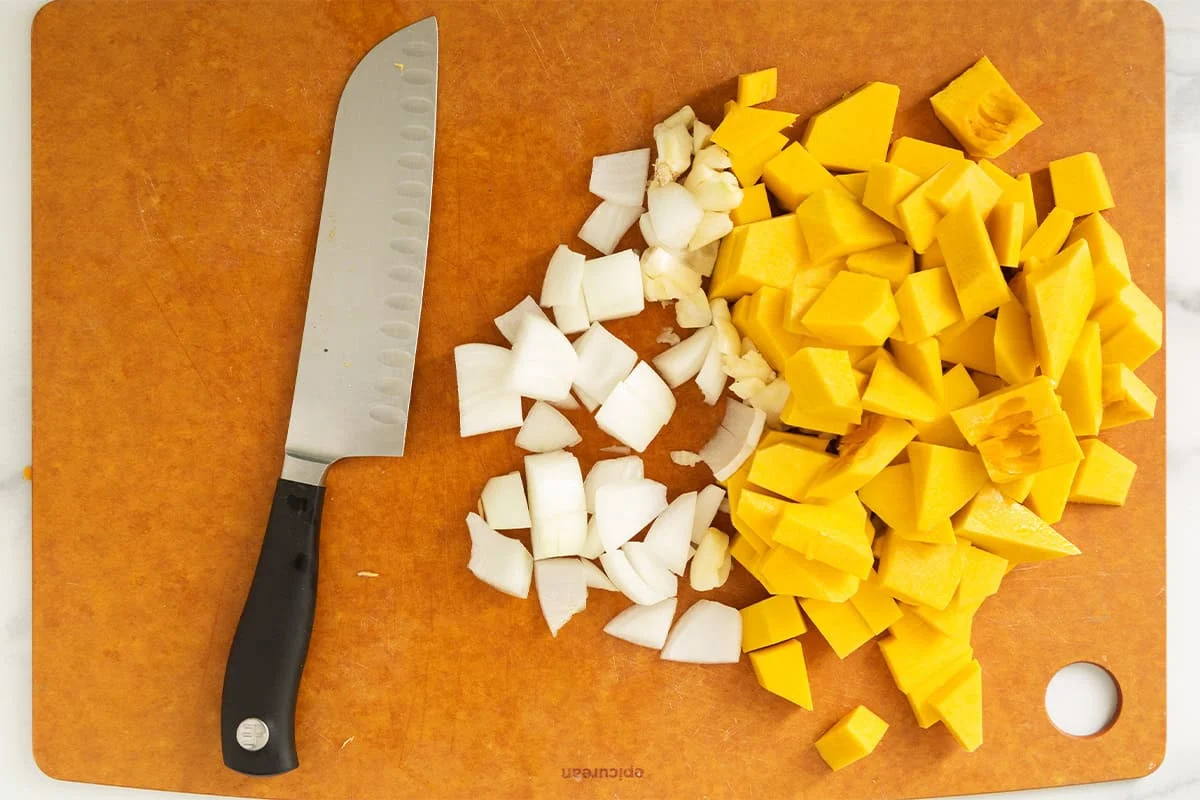
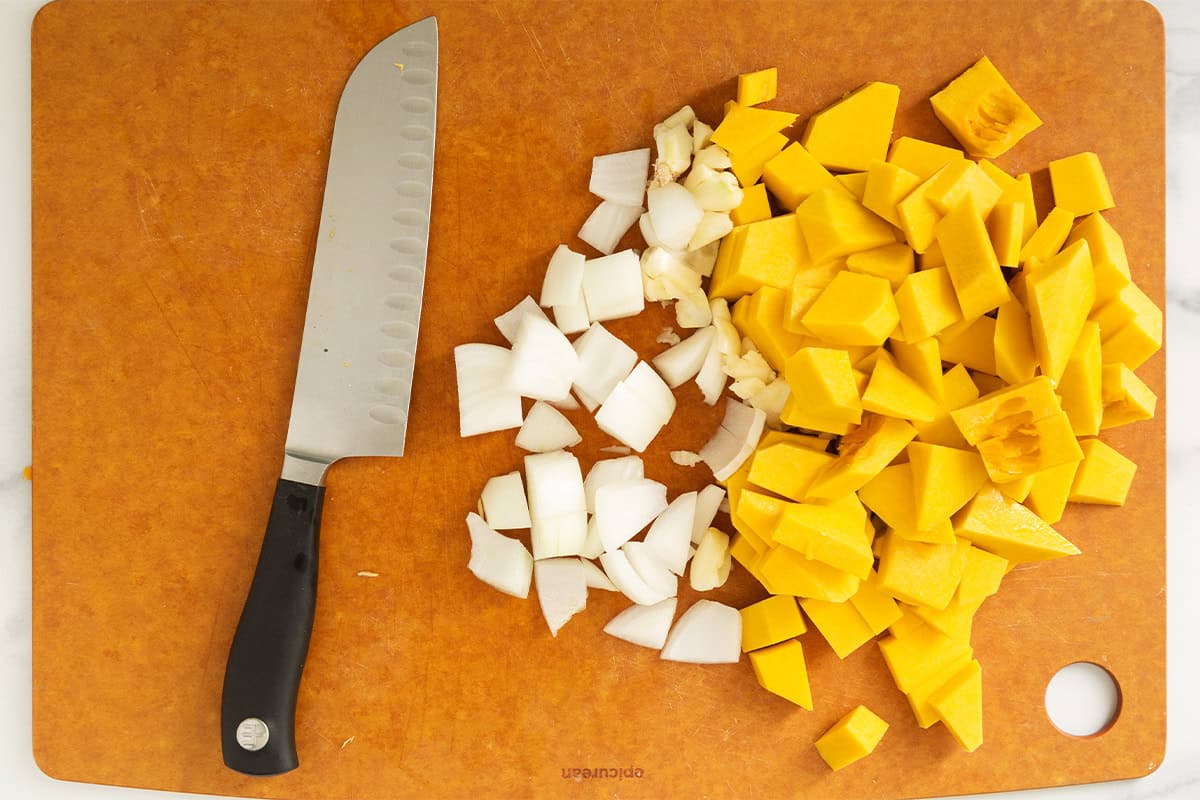
The process begins with the selection of the primary medium: the butternut squash (Cucurbita moschata). For maximum efficiency, culinary professionals suggest using either fresh whole squash or high-quality pre-cut cubes. The squash is combined with roughly chopped onions and whole garlic cloves. The inclusion of alliums is critical for building a savory base that counteracts the natural sweetness of the squash.
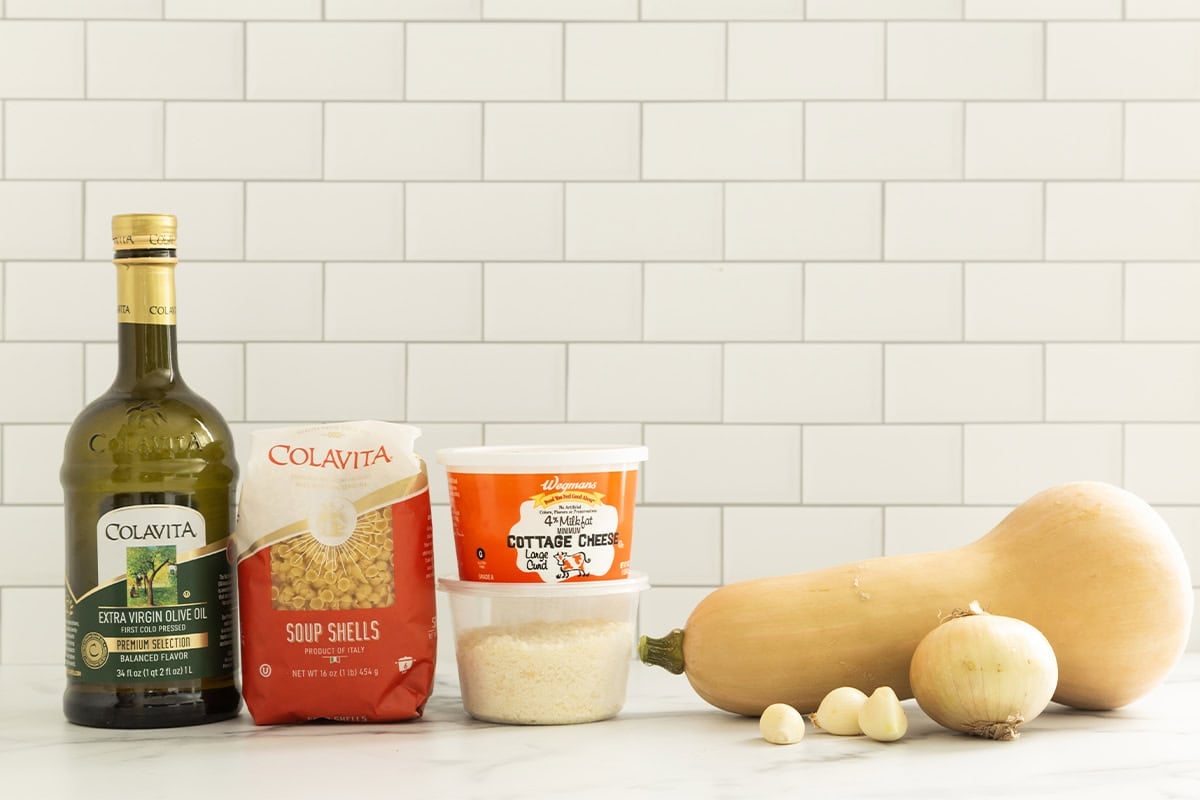
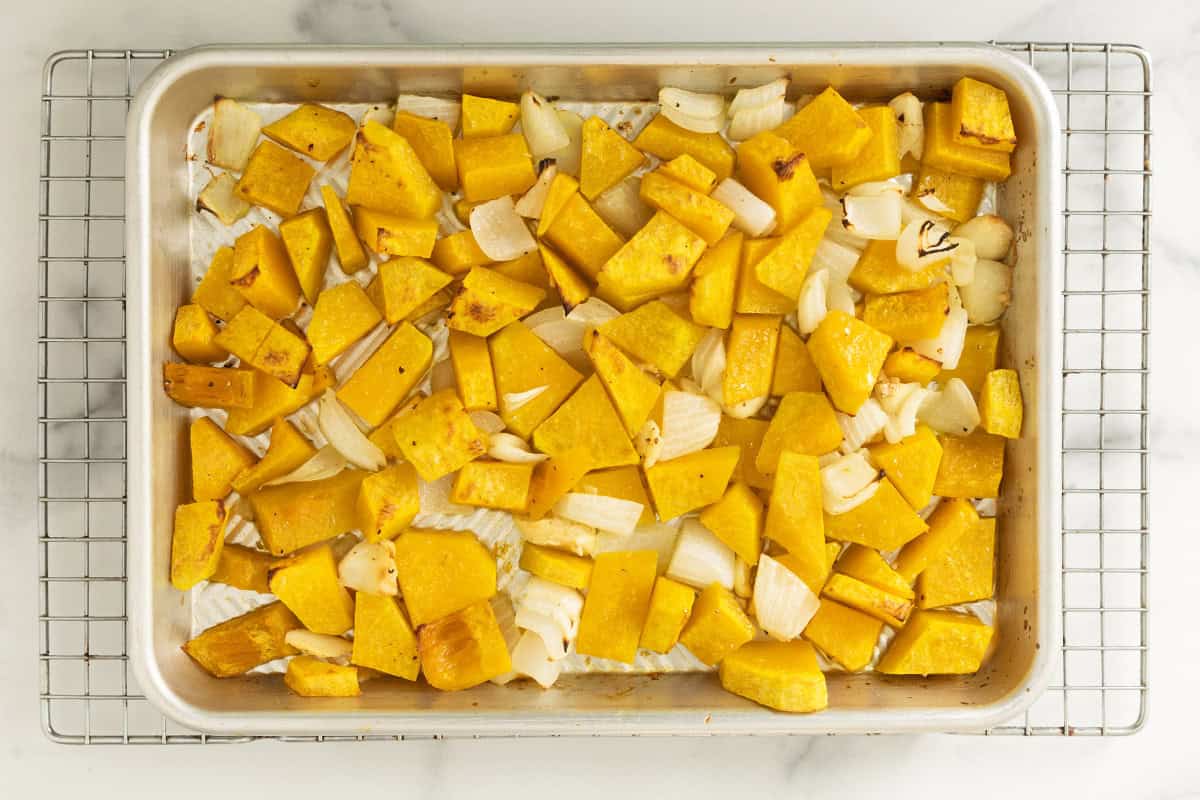
The vegetables are coated in extra-virgin olive oil—specifically sourced from Italian producers like Colavita—which serves as a heat conductor and a source of monounsaturated fats. The roasting phase occurs at high temperatures until the vegetables reach a state of tenderness and display golden-brown caramelization. This stage typically requires 25 to 35 minutes depending on oven calibration and the surface area of the vegetable cuts.
Phase II: Emulsification and Blending
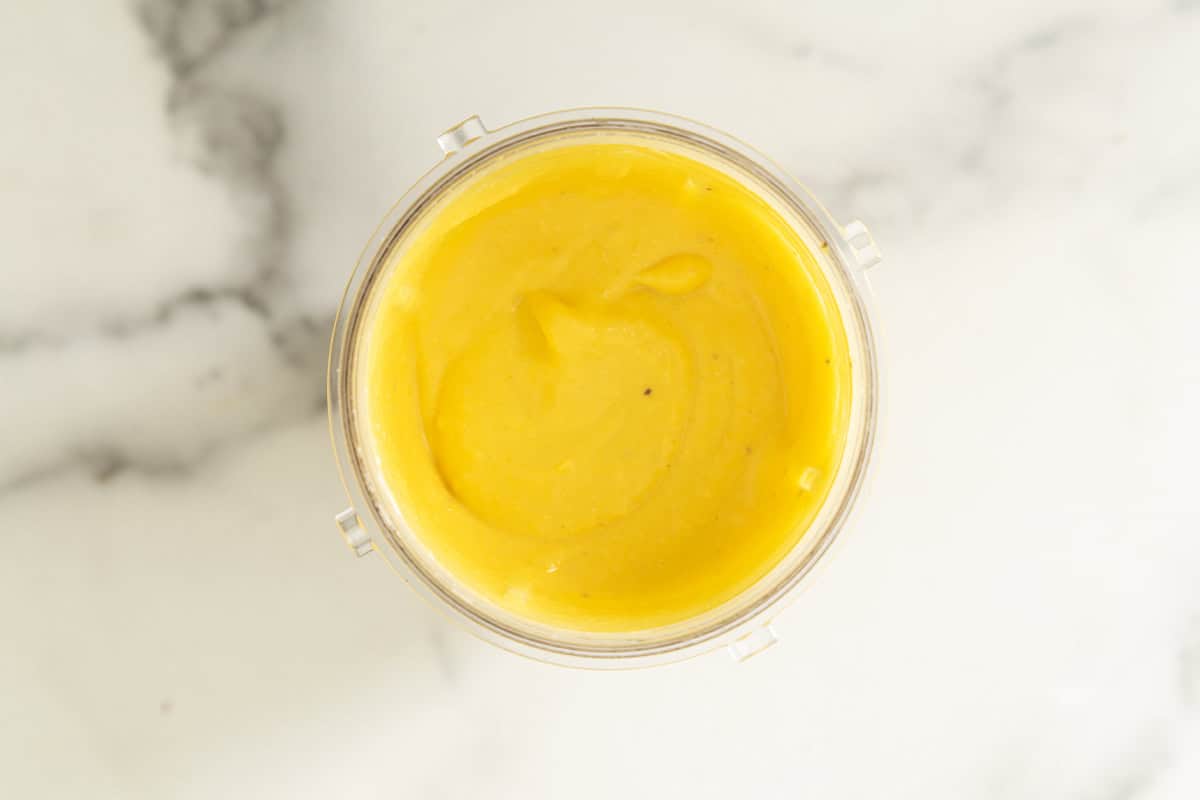
Once the roasting is complete, the vegetables are transitioned to a high-speed blender. The addition of a liquid medium—either vegetable broth or reserved pasta water—is essential for achieving a velvety consistency. This stage allows for the optional integration of dairy or dairy alternatives to adjust the richness of the sauce. For households managing allergies or dietary restrictions, the sauce remains highly stable and palatable without the addition of milk or cream, relying instead on the natural starches of the squash for its creamy mouthfeel.
Phase III: Integration and Service
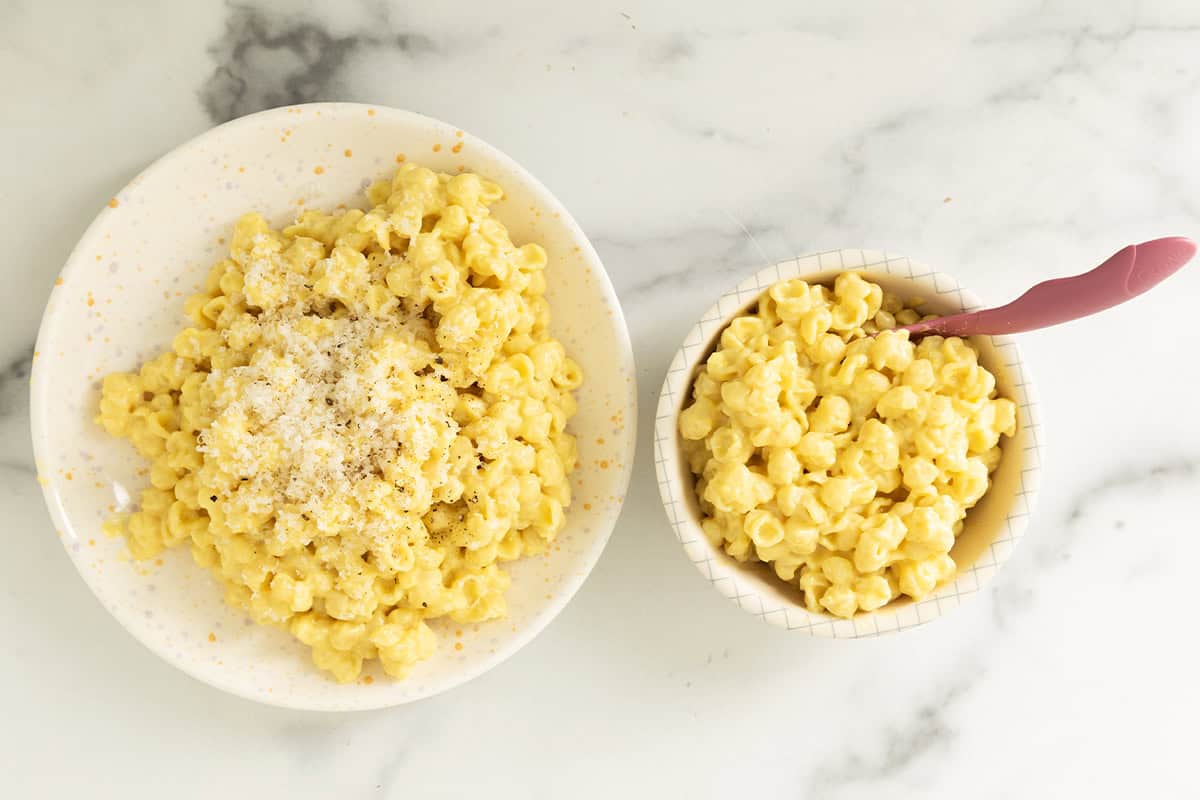
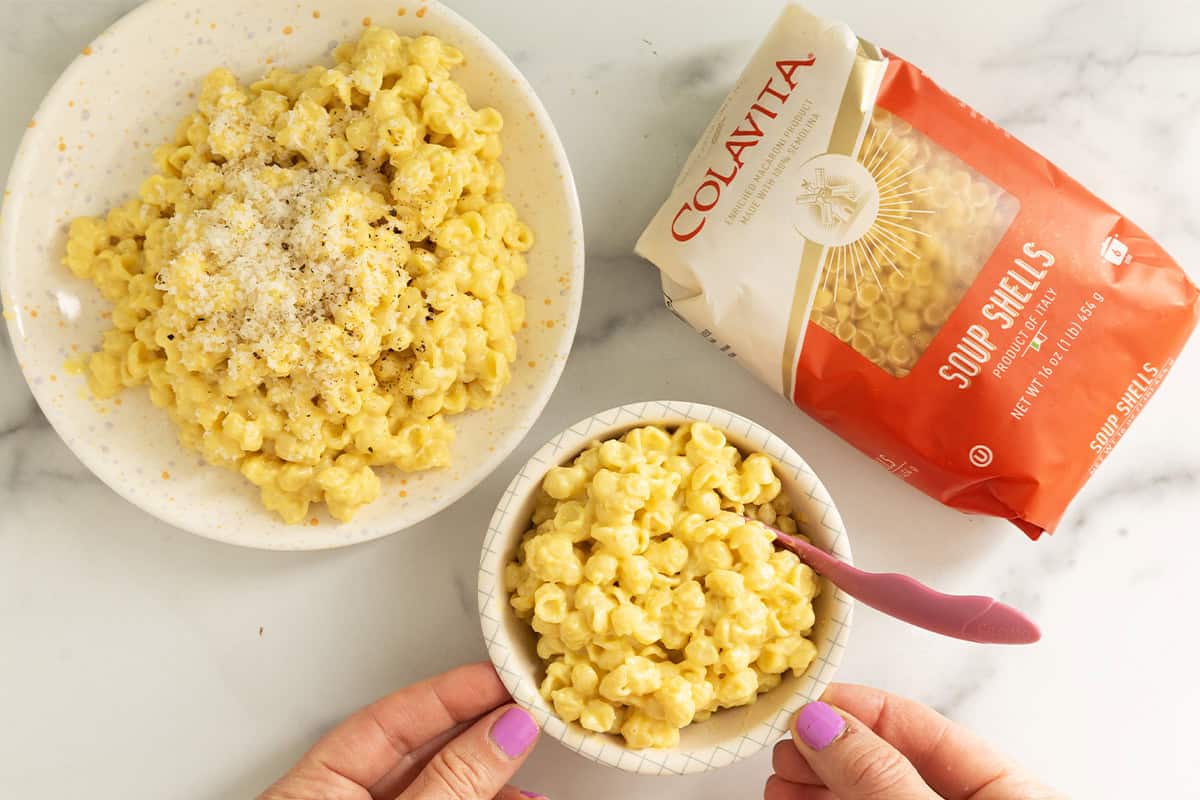
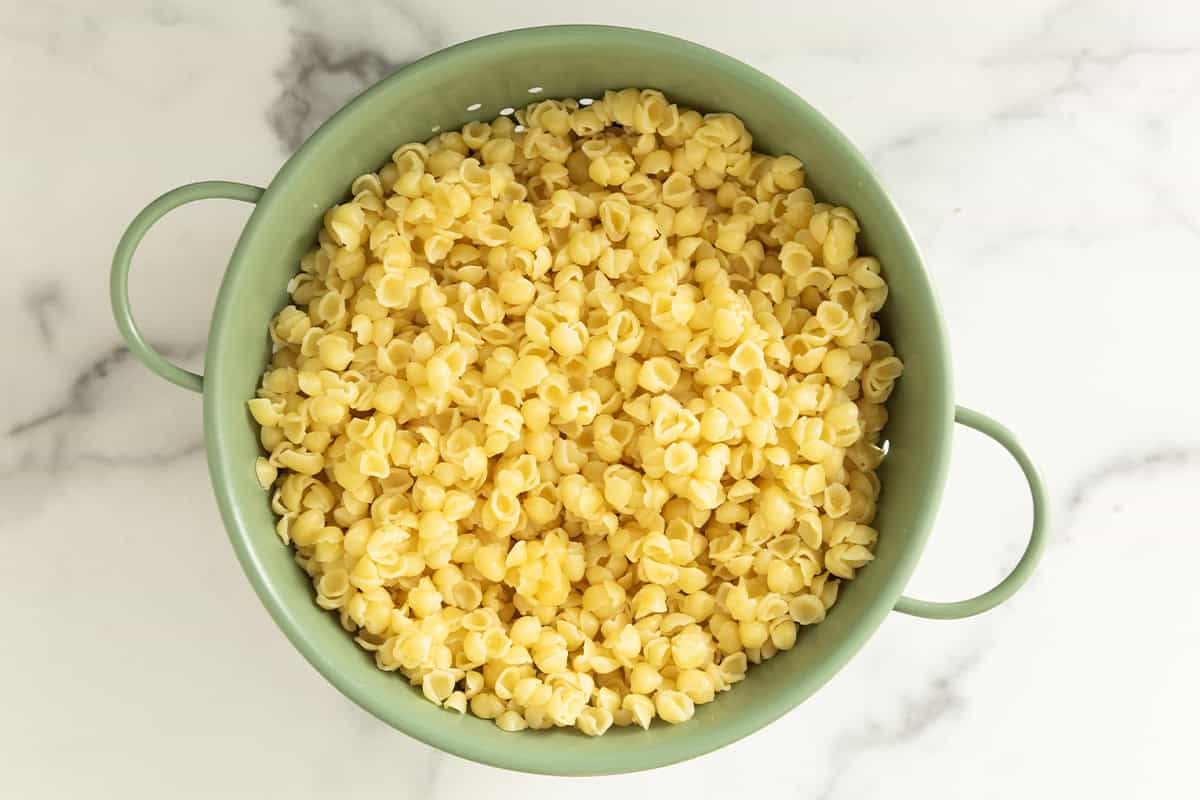
The final phase involves the marriage of the sauce with the pasta. Standard practice dictates that the pasta should be cooked al dente to ensure it retains structural integrity when tossed with the dense squash puree. The sauce can be utilized immediately or stored for future use, making it a cornerstone of the modern "meal prep" movement.
Nutritional Analysis and Supporting Data
The nutritional profile of butternut squash sauce offers a stark contrast to commercial, jarred pasta sauces which often contain high levels of sodium and added sugars. According to the USDA National Nutrient Database, butternut squash is an exceptional source of Vitamin A, primarily in the form of beta-carotene.
Micronutrient Density
A single serving of this pasta dish provides approximately 7,538 IU of Vitamin A, which exceeds the recommended daily intake for most age groups. Vitamin A is critical for maintaining healthy vision, supporting the immune system, and ensuring proper organ function. Additionally, the dish provides 16 mg of Vitamin C and 62 mg of Calcium.
Dietary Fiber and Satiety
With 3 grams of dietary fiber per serving, the sauce assists in digestive health and promotes a feeling of fullness. In a landscape where many children fall short of the recommended 14 grams of fiber per 1,000 calories, vegetable-based sauces provide an effective delivery mechanism. The inclusion of plant-based protein, totaling 10 grams per serving when paired with standard wheat pasta, further enhances the dish’s profile as a complete meal.
Caloric Composition
A standard serving contains approximately 311 calories, with a balanced distribution of macronutrients: 53 grams of carbohydrates, 10 grams of protein, and 7 grams of total fat. The low saturated fat content (1 gram) makes it a heart-healthy alternative to traditional Alfredo or carbonara sauces.
The Role of Strategic Industry Partnerships
The integration of high-quality pantry staples is a recurring theme in modern home cooking. This specific recipe highlight is part of a broader collaboration with Colavita, a family-owned Italian company specializing in Mediterranean staples. Industry analysts note that such collaborations between recipe developers and food producers are essential for guiding consumers toward higher-quality ingredients.
Colavita, known for its extra-virgin olive oil and authentic Italian pasta, provides the structural components of the meal. The use of premium olive oil is not merely a flavor choice; it is a functional one. High-quality oils have higher smoke points and better antioxidant profiles, which are preserved even during the roasting process. By promoting these staples, culinary educators aim to improve the baseline quality of the average domestic diet.
Addressing the "Selective Eater" Phenomenon
Pediatric nutritionists often face the challenge of "neophobia"—the fear of new foods—in toddlers and young children. Research suggests that it can take between 10 to 15 exposures to a new vegetable before a child develops an acceptance of it.
The butternut squash sauce serves as a "bridge food." Its vibrant orange color mimics that of popular processed cheese sauces, which can lower the psychological barrier for children. However, unlike processed alternatives, it provides genuine vegetable exposure. By blending the onions and garlic into a smooth puree, the recipe avoids "texture triggers" that often cause children to reject vegetable-heavy dishes. This method allows parents to maintain a positive mealtime environment while ensuring the child receives necessary phytonutrients.
Broader Implications for Food Security and Sustainability
Beyond individual health, the reliance on squash-based sauces has broader implications for food sustainability and economic efficiency.
Seasonal Availability and Storage
Butternut squash is a "winter squash," characterized by a thick rind that allows for long-term storage. This makes it an affordable and accessible vegetable during the colder months when other fresh produce may be scarce or expensive. The ability to freeze the sauce for up to one year further reduces food waste, as large batches can be prepared during peak harvest times and consumed throughout the year.
Plant-Forward Trends
The shift toward vegetable-based sauces aligns with global trends toward "flexitarianism"—a diet that is primarily plant-based but occasionally includes animal products. Reducing reliance on meat-heavy sauces contributes to a lower carbon footprint and addresses growing concerns regarding the environmental impact of large-scale livestock farming.
Official Responses and Culinary Expert Insights
Culinary experts emphasize that the success of the butternut squash sauce lies in its versatility. "The ability to customize the flavor profile through the addition of sage or thyme allows the dish to evolve from a simple toddler meal to a sophisticated adult entree," notes one industry consultant.
Furthermore, the "make-ahead" nature of the sauce addresses the "time poverty" experienced by many modern families. By providing a recipe that can be stashed in the refrigerator for five days or the freezer for twelve months, developers are providing a practical tool for maintaining nutritional standards under the pressure of busy schedules.
Conclusion: A Model for Modern Domestic Cooking
The Pasta with Butternut Squash Sauce is more than a simple recipe; it is a model for how modern families can navigate the complexities of nutrition, picky eating, and time management. By leveraging the science of roasting, the nutritional density of winter squash, and the quality of traditional Italian staples, this dish provides a sustainable and health-promoting alternative to standard convenience foods. As dietary guidelines continue to emphasize the importance of vegetable consumption, innovative applications like this roasted sauce will remain essential in the domestic culinary repertoire.
The integration of data-driven nutrition, strategic meal prepping, and kid-friendly flavor profiles ensures that this dish meets the multi-faceted needs of today’s consumers. Through the continued promotion of such nutrient-dense solutions, the goal of improving public health through better eating habits becomes increasingly attainable.
