

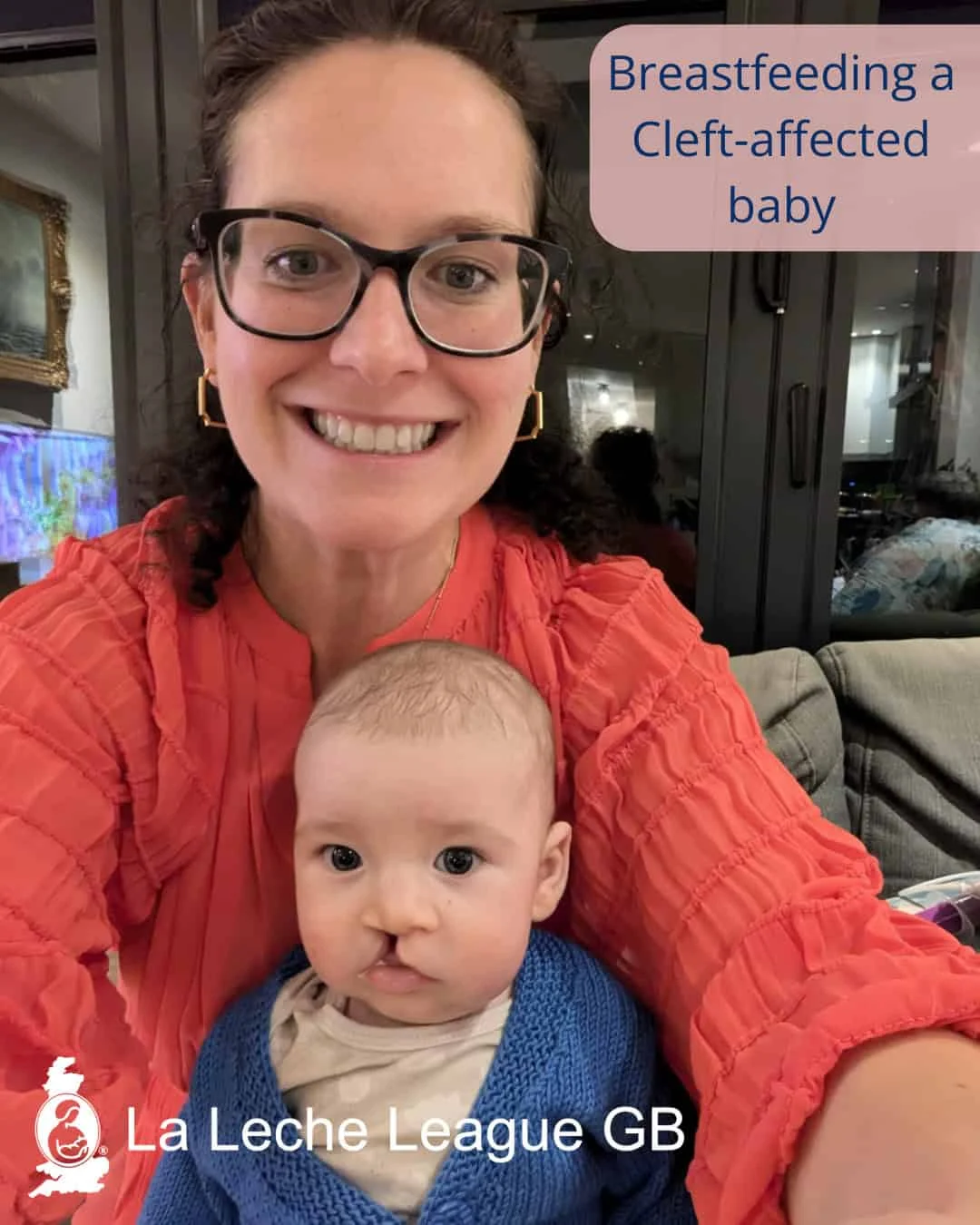
A cleft lip or palate occurs when the structures forming the baby’s upper lip or the roof of the mouth (palate) fail to fuse completely during early fetal development. This congenital condition affects approximately 1 in 700 babies globally, making it one of the most common birth anomalies. While many infants with a cleft lip can successfully breastfeed with certain adaptations, babies born with a cleft palate typically face a significant challenge: they cannot generate the necessary suction pressure to efficiently remove milk from the breast until surgical repair of the palate is performed. This fundamental physiological barrier necessitates a proactive and adaptive approach to infant feeding, highlighting the critical role of specialized support for affected families.
Understanding Cleft Lip and Palate: A Medical Overview
Cleft lip and palate are multifactorial conditions, meaning they result from a combination of genetic predispositions and environmental factors. During the fifth to ninth weeks of pregnancy, the facial structures of a fetus are rapidly developing and fusing. When this complex process is interrupted, a gap or "cleft" can form. A cleft lip involves a separation of the two sides of the upper lip, which can range from a small notch to a complete separation extending into the nose. A cleft palate, often more impactful on feeding, is an opening in the roof of the mouth that can involve the hard palate (bony front part) or the soft palate (muscular back part), or both. The presence of a cleft can affect one side (unilateral) or both sides (bilateral) of the lip or palate.
The diagnosis of a cleft condition can occur antenatally through ultrasound scans, offering expectant parents valuable time to research and prepare. More commonly, diagnosis happens immediately after birth. Regardless of the timing, discovering that a baby is cleft-affected often brings a mix of emotions, including concern about their health and development, and particularly, about their ability to feed.
The Crucial Role of Breastfeeding Amidst Challenges

Despite the inherent difficulties, breastfeeding a cleft-affected baby is not only possible but highly beneficial. Human milk provides unparalleled immunological protection, crucial for infants who may undergo multiple surgeries and are at a higher risk of infections, particularly ear infections due to the connection between the palate and the Eustachian tubes. Furthermore, breast milk contains growth factors and antibodies that aid in healing and recovery post-surgery.
"The immunological benefits of breast milk for any infant are undeniable, but for a baby facing surgical procedures and potential vulnerabilities, it becomes an even more vital lifeline," states Dr. Eleanor Vance, a consultant pediatrician specializing in neonatology. "Our goal is always to support mothers in providing their own milk, whether directly at the breast or expressed, as it significantly contributes to the child’s overall health trajectory."
The journey to successful breastfeeding for these families demands perseverance, access to accurate information, and robust professional and peer support. Early intervention and planning are key, ideally beginning as soon as the diagnosis is made.
A Timeline of Feeding Challenges and Adaptations
The feeding journey for a cleft-affected baby typically follows a distinct chronology, each phase presenting unique challenges and requiring specific adaptations:
- Antenatal Diagnosis to Birth: If diagnosed prenatally, parents can begin consulting with cleft teams, including specialist nurses and lactation consultants, to understand potential feeding methods and prepare for milk expression.
- Immediate Postnatal Period (Days 0-7): This is a critical window for establishing maternal milk supply. Babies with a cleft lip might latch directly with adaptations, while those with a cleft palate will likely struggle with suction. Expressing breast milk becomes paramount to signal the body to produce a full supply. Alternative feeding methods like syringes, specialized bottles, or nursing supplementers are introduced.
- Pre-Surgical Phase (Weeks to Months): For cleft lip, surgery typically occurs around 3-6 months. For cleft palate, it’s often between 6-12 months. During this period, mothers focus on maintaining milk supply through frequent expression and employing adaptive feeding techniques. The aim is to ensure adequate nutrition and foster a bond through feeding experiences, even if not directly at the breast.
- Post-Surgical Recovery: After lip repair, some babies might transition more easily to direct breastfeeding. Following palate repair, the baby’s mouth anatomy changes significantly. They may need several weeks to adjust, build strength, and relearn how to suck efficiently. Continued expression is vital to maintain supply, and a gradual reintroduction to the breast, often with the aid of a nursing supplementer, is common.
- Long-Term Feeding and Development: With successful surgical outcomes, many children with repaired clefts can breastfeed effectively. Ongoing monitoring of growth and development, as well as speech and language therapy, often continues into childhood.
Establishing and Maintaining Milk Production: The Foundation of Success

The cornerstone of feeding a cleft-affected baby with human milk, especially in the early stages, is establishing and maintaining a robust milk supply. This process is crucial regardless of whether the baby feeds directly from the breast or receives expressed milk via alternative methods.
- Early Initiation: Ideally, milk removal should begin within the first few hours after birth. This early stimulation is vital for kickstarting the hormonal processes that govern lactation.
- Frequent Removal: In the initial weeks, breasts "learn" how much milk to produce based on demand. To establish a full supply, mothers typically need to express or breastfeed 8-12 times in 24 hours. Consistent milk removal signals the body to continue production.
- Efficient Tools: For mothers who need to express all or most of their milk, a double electric "hospital grade" breast pump is often the most efficient tool. These can often be borrowed or rented, and specialist cleft nurses can provide guidance. Hand expression and wearable pumps can also be effective for some.
- Patience and Support: Establishing a full milk supply for a baby who cannot breastfeed efficiently is an intensive undertaking. "It’s a marathon, not a sprint," comments Sarah Muir-Little, a mother who successfully breastfed her cleft-affected son, Russell, via a nursing supplementer. "The first few weeks were incredibly demanding, but having practical support, whether from family or healthcare professionals, made all the difference."
Adaptive Feeding Strategies: Bridging the Gap
For babies who cannot generate sufficient suction, particularly those with a cleft palate, several adaptive feeding strategies are employed to ensure they receive adequate nutrition while preserving the option for eventual direct breastfeeding.
- Specialized Bottles and Teats: These bottles are designed to facilitate milk flow without requiring strong suction. They often have softer teats, one-way valves, or compressible reservoirs that allow caregivers to gently squeeze milk into the baby’s mouth. Examples include the Haberman Feeder or Dr. Brown’s Specialty Feeding System. Cleft specialist nurses are invaluable in advising on the most suitable type for each individual baby.
- Syringe or Teaspoon Feeding: In the very first days, when babies consume small amounts, a syringe or spoon can be used to deliver colostrum and early milk. However, as milk production increases, these methods quickly become impractical for larger volumes.
-
Nursing Supplementers (Supplemental Nursing Systems): These devices allow a baby to latch onto the breast and receive supplemental milk through a thin tube positioned alongside the nipple. The system typically consists of a container (bag or bottle) filled with expressed breast milk, connected to a fine tube.
-
Types of Supplementers:
- Tube and Syringe: A simple, cost-effective method where a syringe is used to deliver milk through a tube taped to the nipple.
- Bag Systems: Milk is held in a disposable bag connected to a tube, often with a valve to control flow.
- Bottle Systems: A reusable bottle with a lid and tubing, offering a more robust and often adjustable system.
-
Benefits of Supplementers: They provide at-the-breast feeding experience, stimulating the mother’s milk supply, promoting skin-to-skin contact, and strengthening the mother-infant bond. For many mothers, it transforms the feeding experience, making it feel more like "breastfeeding" even if the baby isn’t fully sustaining themselves from the breast alone.

-
Technique for Cleft Palate: Since babies with a cleft palate often lack the suction to draw milk through the tube, caregivers may need to actively deliver the milk by gently squeezing the bag/bottle or using a syringe to push milk through the tube. This ensures the baby receives adequate nutrition while practicing latching and sucking motions at the breast.
-
"Using a nursing supplementer requires a learning curve, patience, and often an extra pair of hands initially," notes a spokesperson from La Leche League GB. "But the emotional and physiological benefits of direct breast contact, combined with guaranteed milk intake, are profound for both mother and baby. We consistently hear from mothers how this method helped them feel connected and empowered in their feeding journey."
Optimizing Feeding Positions
Finding a comfortable and effective feeding position is crucial for any baby, but particularly so for a cleft-affected infant. While there is no single "right" position, several adaptations can improve latch, milk transfer, and comfort.
- Upright Positions: Holding the baby in a more upright or semi-upright position can help gravity assist milk flow and reduce the risk of milk entering the nasal cavity, which can be a concern with cleft palates.
- Cross-Cradle Hold: This allows the mother to support the baby’s head and neck with the hand opposite the breast being offered, providing precise control for positioning and a deep latch.
- Football Hold (Clutch Hold): This position can be useful as it allows the mother to see the baby’s mouth and cleft more clearly, facilitating adjustments. It also keeps the baby’s body tucked alongside the mother, offering good support.
- Biological Nurturing/Laid-Back Feeding: This position, where the mother reclines and the baby lies prone on her body, utilizes natural reflexes and gravity, which can sometimes aid in achieving a deeper latch.
- Sealing the Cleft: For babies with a cleft lip, gently compressing the breast tissue around the cleft can sometimes help create a better seal, improving suction.
Post-Surgical Transition and Continued Support
After surgical repair of the lip or palate, the feeding landscape shifts again. For babies with a repaired cleft lip, direct breastfeeding often becomes more straightforward. For those with a repaired cleft palate, the change in oral anatomy can initially be disorienting. Babies need time to adapt to their "new" mouth and develop the muscle strength and coordination required for effective suction.

During this post-operative phase, maintaining milk supply through expression remains critical. The breast milk supports healing and provides comfort. A gradual reintroduction to direct breastfeeding, often starting with short attempts and continuing with supplemental feeding, can help the baby transition. The perseverance of mothers during this period is often highlighted. "It took weeks after his palate surgery for Russell to really get the hang of breastfeeding directly," Sarah Muir-Little recounted. "There were days I wondered if it would ever happen, but knowing I was still providing my milk, and having the support to keep trying, made all the difference. Eventually, he latched and thrived."
The Broader Impact and Implications
The journey of breastfeeding a cleft-affected baby extends beyond the mechanics of feeding; it significantly impacts maternal well-being, infant development, and healthcare systems.
- Maternal Mental Health: The emotional toll on mothers navigating the complexities of a cleft diagnosis, multiple surgeries, and intensive feeding routines can be substantial. Feelings of anxiety, stress, and isolation are common. Success in providing breast milk, whether directly or expressed, can be a powerful source of empowerment and connection, mitigating feelings of helplessness. Access to mental health support and peer groups is therefore vital.
- Infant Development: Early and consistent nutrition, especially human milk, supports optimal growth and neurodevelopment. Successful feeding also contributes to the development of oral motor skills, which are foundational for speech development.
- Healthcare System Strain: The comprehensive care required for cleft-affected children involves a multidisciplinary team including craniofacial surgeons, pediatricians, ENT specialists, speech therapists, dentists, orthodontists, and lactation consultants. This integrated approach is resource-intensive but crucial for long-term positive outcomes.
- Societal Awareness: Increased public awareness and understanding of cleft conditions and the possibilities for breastfeeding can reduce stigma and ensure families receive the empathy and practical support they need from their communities.
Conclusion
Breastfeeding a cleft-affected baby is a testament to parental dedication and the remarkable adaptability of both infants and mothers. While presenting unique challenges, the profound benefits of human milk and the emotional advantages of the breastfeeding relationship make it a deeply rewarding endeavor. With the right combination of early planning, expert medical guidance from cleft specialist teams and lactation consultants, adaptive feeding tools like nursing supplementers, and unwavering emotional support, many families successfully navigate this complex journey. Organizations like La Leche League play an indispensable role in empowering mothers with information and community, affirming that with perseverance and tailored strategies, the dream of breastfeeding can indeed become a reality for these special babies. The stories of mothers who have achieved this underscore a powerful message: while the path may be unconventional, the bond and nourishment provided are unequivocally profound.
