

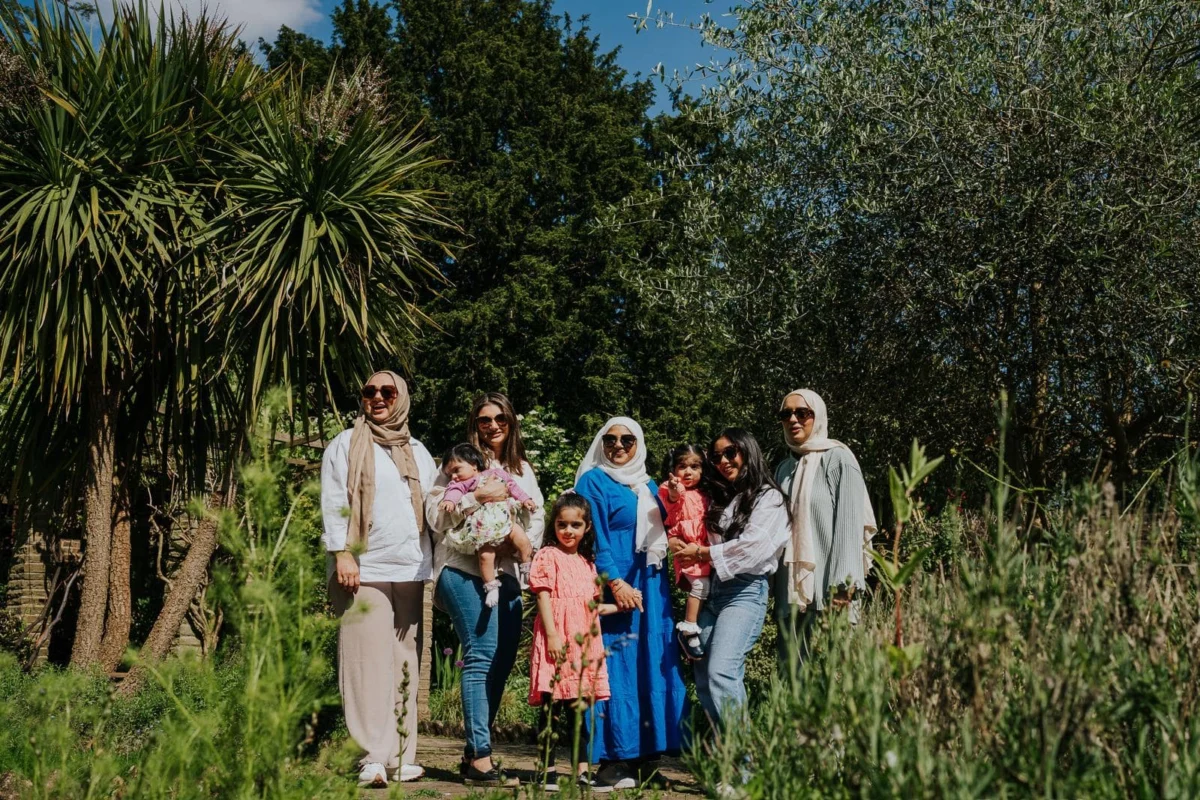
Zarina Ayyub, a formidable advocate for maternal and infant health based in Tooting, London, has emerged as a trailblazer, dedicating her life to dismantling systemic and cultural barriers surrounding breastfeeding within the South Asian community in the UK. Her journey, rooted in personal trauma and a profound instinct for maternal care, illuminates the complex interplay of historical medical practices, deeply ingrained cultural norms, and the evolving landscape of family support in modern Britain. From a young, unsupported mother grappling with pain and societal disapproval to a respected Doula and peer supporter, Zarina’s story is a powerful testament to resilience and the transformative power of informed advocacy.
A Challenged Start to Motherhood: The Early Years
Zarina’s first foray into motherhood began at the tender age of 20, a mere two days after her own birthday on November 1st, when her daughter was born on November 3rd, weighing a tiny 4 lbs 13 oz. This pivotal moment, however, was marred by a profound lack of support and information, mirroring a pervasive issue in hospital settings during that era. "No one in the hospital explained anything to me or gave me any choices," Zarina recounts, detailing how her newborn was swiftly taken to a special nursery and fed formula via a tube, while she was left alone, scared and uninformed about basic postnatal care like colostrum or expressing milk. This separation and the absence of guidance left an indelible mark, shaping her understanding of institutional care.
Her own mother’s experience provided a stark precedent for these challenges. Born in Birmingham to Pakistani parents who immigrated in the late 1960s, Zarina’s mother was among the first in her community to have children in England. She faced immense pressure from her in-laws, who actively discouraged breastfeeding. In the hospital, she was given formula and medication to suppress her milk—a practice she never forgot, describing the pain and frustration of feeling her baby was never full. Living in a crowded household with five other adults, mostly male, dictated a need for peace and adherence to strict rules, further isolating her mother in her struggle. This intergenerational trauma around breastfeeding, particularly the belief in India that colostrum was "dirty" and babies should instead be given herbal concoctions to clear meconium, deeply influenced Zarina’s initial outlook, as her mother implored her to avoid the same pain.
Upon her baby’s return on day three, Zarina experienced severe engorgement. Despite her mother’s advice to ask for milk-drying pills, Zarina instinctively refused. The first attempt at latching was brutal; a midwife, in an effort to assist, "grasped my breast and forced my baby onto me," causing Zarina immense pain and tears. This traumatic intervention, coupled with her mother’s pleas to give a bottle, underscored the isolation and desperation of her early postpartum days. The subsequent weeks at home were equally challenging, marked by sore, cracked, and bleeding nipples, and a frantic search for solutions in a less-than-24/7 Birmingham, culminating in a dysfunctional hand pump and an oversized dummy.
Navigating Cultural Expectations and Societal Pressures
Zarina’s personal struggle was further compounded by the cultural landscape of the South Asian community in the UK. After moving to London with her husband and living with his extended family, the expectations placed upon her as a new mother conflicted sharply with her desire to breastfeed. The prevailing cultural emphasis on domesticity and a spotless home often superseded the biological needs of mother and baby. "Having a spotless house and contributing to the family seemed to be the highest priority in our community," Zarina explains. "They wanted me to be up and about doing housework, rather than sitting down feeding my baby. They saw sitting to feed as laziness."
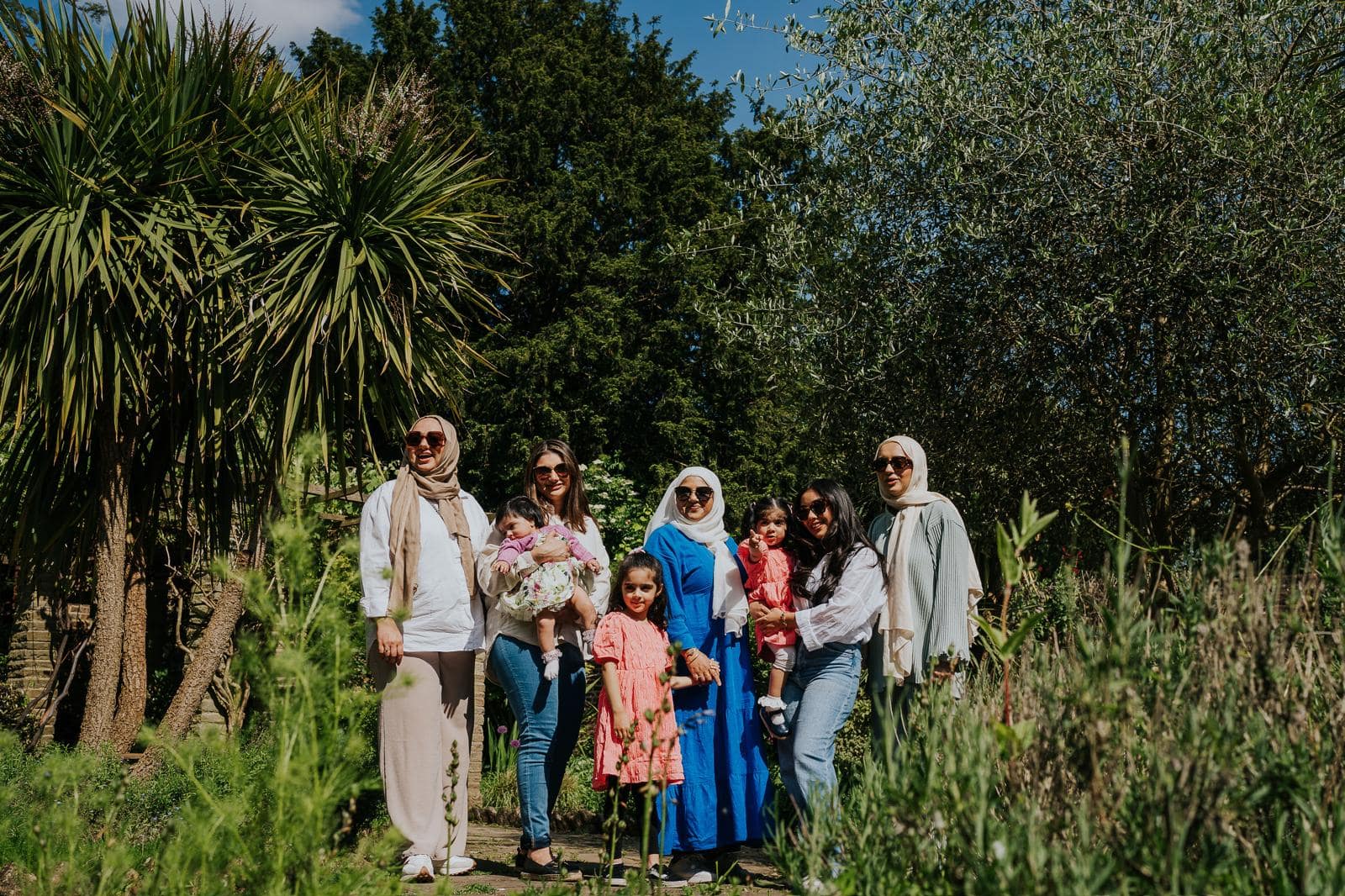
This perception was not unique to Zarina’s household. Across many South Asian communities, historical and cultural factors have contributed to lower breastfeeding rates compared to the general UK population. Data from Public Health England (now UKHSA) and various academic studies consistently highlight that while initiation rates can be comparable, the duration and exclusivity of breastfeeding often decline sharply within ethnic minority groups due to a complex interplay of factors: lack of culturally sensitive information, intergenerational pressure, privacy concerns (especially in multi-generational homes), and a misunderstanding of traditional practices versus religious teachings. For instance, the concept of purdah or modesty, while respected, can sometimes be misconstrued to discourage public or even family breastfeeding, despite Islamic teachings that affirm the baby’s right to be breastfed for up to two years.
Zarina’s husband also harbored concerns, influenced by comparisons to other larger babies in the family, suggesting "bottle milk" for their naturally smaller children. This external pressure to achieve visible weight gain often leads families to supplement or switch to formula, overriding a mother’s instinct and the physiological normalcy of her baby’s growth curve. "I was very instinctive, understanding that my baby needed touch and closeness. If she cried, I’d pick her up," she states, highlighting the clash between her innate maternal instincts and the prevailing family advice.
A Turning Point: Education and Empowered Advocacy
The narrative took a decisive turn with the arrival of Zarina’s third child. Exhausted by the ongoing battle and seeking answers, she discovered "The Womanly Art of Breastfeeding" from her local library. This book became her lifeline, an intensive nine-month study that armed her with knowledge that contradicted every negative message she had received. "I learned so much: colostrum is not dirty, if you lose your milk, you can relactate… I felt that now I had all this information, no one was going to mess with me!" she declared. This newfound knowledge empowered her to breastfeed her third baby for two years, despite the "many critical comments" she continued to face.
This period marked the genesis of her advocacy. When she experienced mastitis a few weeks after her third baby’s birth, she sought help from a La Leche League (LLL) group in Wimbledon. This initial encounter, however, highlighted another layer of cultural discomfort. As the only woman wearing a shalwar kameez, she felt awkward and embarrassed. "It took me years to go back to a breastfeeding group," she admits, underscoring the vital need for culturally sensitive and inclusive spaces for mothers from diverse backgrounds.
Despite these personal hurdles, Zarina’s innate desire to help others began to manifest early. Just four weeks after becoming a mother herself, she assisted her husband’s aunt with engorged breasts, recognizing a shared struggle in an unsupportive environment. She also became a crucial support system for her younger sister, helping her successfully breastfeed all her children. Witnessing her sister’s "big, happy babies" eventually softened her own mother’s stance, leading to invaluable support during Zarina’s last two breastfeeding journeys. This shift within her immediate family provided a glimpse into the ripple effect one woman’s perseverance could have.
Becoming a Trailblazer: Peer Support and Doula Work
The opportunity to formalize her passion arrived after the birth of her fifth child, a preterm baby born at 35 weeks with severe reflux, presenting another unique set of breastfeeding challenges. After receiving inadequate advice from a breastfeeding counsellor, Zarina found herself at a local breastfeeding café, where she saw an advertisement for La Leche League’s 12-week peer supporter training course, run by the NHS in her area. "Thank God I came today!" she recalls thinking, feeling a powerful determination to provide the proper support she had so desperately lacked. Her graduation from the course, complete with a cherished pink knitted boob, solidified her commitment.
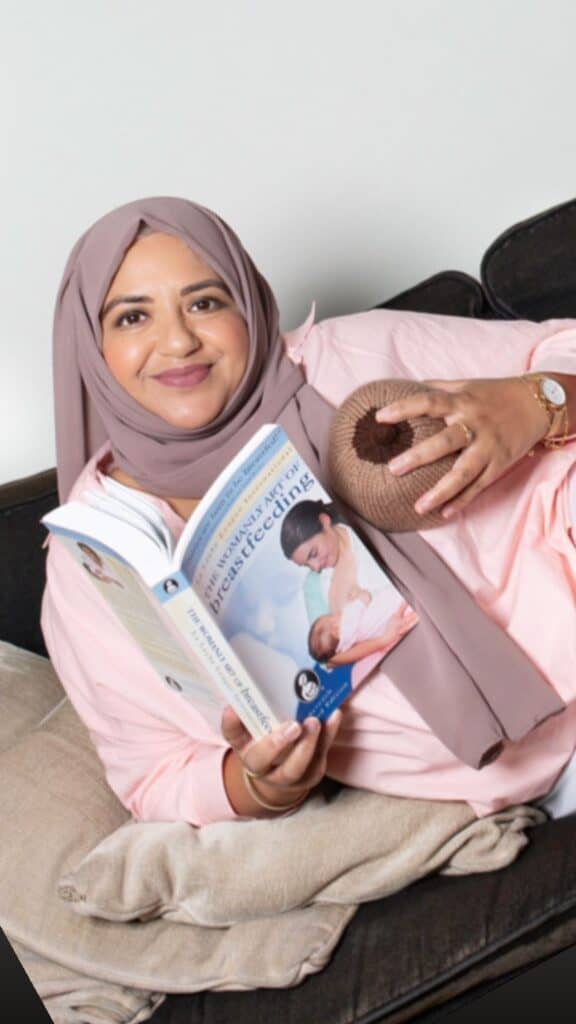
For two to three years, Zarina served as a peer supporter, notably as the only Muslim peer supporter in her group. She recognized the profound impact of representation: "It’s easier to relate to people who look like you, even when there isn’t a language barrier." Her ability to connect with diverse mothers, including those from her own community, proved invaluable, with many mothers wanting to "take me home with them!" Her dedication highlighted the critical role of peer support in building trust and bridging cultural divides, particularly for ethnic minority families who might otherwise struggle to access or feel comfortable in mainstream support services.
Today, Zarina continues her impactful work as a Doula, offering comprehensive support during birth and the postnatal period. Her extensive personal experience and professional training make her uniquely qualified to navigate the complexities faced by new mothers, especially those from underrepresented backgrounds. She actively participates in broader initiatives, such as The Raham Project in Peterborough and the charity BLISS, contributing her insights on neonatal intensive care units and premature babies from an ethnic minority perspective. Her willingness to share her "painful" birth stories, particularly concerning her first baby, underscores her commitment to advocating for systemic change and improved maternal care for all.
Intergenerational Impact and Future Outlook
The profound impact of Zarina’s life’s work is perhaps best evidenced by her own family. Her five children, now grown adults aged 34, 33, 30, 23, and 18, embody a generational shift. Her daughters, living nearby, have embraced breastfeeding with remarkable success and support. One daughter breastfed her first child for two years, tandem-fed her first two, and her youngest is still breastfeeding strongly at eight months. Her husband, unlike Zarina’s own family, has been incredibly supportive, despite initial discomfort from his family. This positive evolution extends to her sister-in-law, who has also thrived on her breastfeeding journey with Zarina’s support.
Zarina’s tireless advocacy has normalized open discussions about women’s health within her family, extending beyond breastfeeding to topics like menstruation and childbirth. "Our influence has spread to my children’s spouses and friends, thanks to me forever talking about it!" she quips. This includes her other daughters’ interest in exploring home births, a significant departure from community norms and a testament to the power of education and empowerment.
Despite these strides, Zarina acknowledges that significant challenges persist within the South Asian community. "There is still a lot of shame surrounding breastfeeding in the Asian community. Many families are still quite prudish." She stresses that this is largely a cultural phenomenon, often "confused with religion," rather than a religious dictate. The Muslim faith, in fact, champions breastfeeding, recognizing the baby’s right to be fed for as long as desired, typically up to two years. However, cultural modesty and traditional interpretations can create barriers to accessing support.
Zarina’s call to action is clear: South Asian women need more culturally appropriate and accessible breastfeeding support. By building relationships of trust, breastfeeding supporters can effectively address fears, demystify misconceptions, and normalize breastfeeding as a natural, beneficial process for both mother and baby. Health organizations and community leaders must collaborate to create environments where women feel comfortable and empowered to breastfeed, fostering a future where every mother, regardless of her background, receives the information and support she needs to thrive.
The "Breastfeeding Matters LLLGB Podcast," featuring Zarina Ayyub, further emphasizes the need for a safe and supportive environment for new mothers, drawing parallels with ancient traditions like the "first 40 days" or "fourth trimester" practiced in many cultures globally. This holistic approach, integrating traditional wisdom with modern understanding, is crucial for bridging the gaps that Zarina has so bravely highlighted throughout her journey. Her legacy is not just one of personal triumph, but a blueprint for collective action towards a more equitable and supportive maternal health landscape.
