

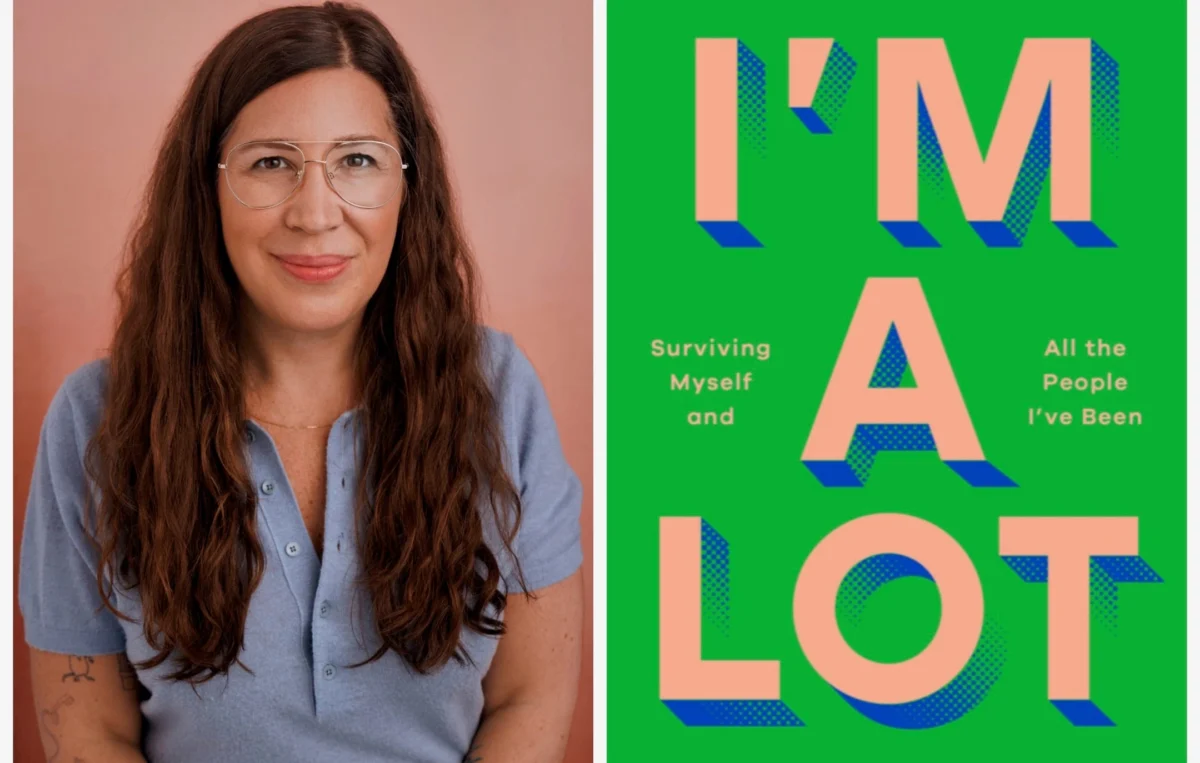
The publication of Alison Leiby’s new collection of essays, I’m a Lot, has brought renewed attention to the evolving sociological landscape of the "only child" family structure in America. Leiby, a veteran writer and producer known for her work on The Marvelous Mrs. Maisel and Life & Beth, utilizes her personal history to dissect the stereotypes, advantages, and looming challenges associated with growing up without siblings. Through a blend of anecdotal evidence and cultural commentary, the memoir serves as a primary source for understanding how the "one and done" family model, once viewed as a domestic anomaly, has transitioned into a significant demographic trend.
The Evolution of the Single-Child Household
Historically, the American family ideal was rooted in the multi-child household, a concept reinforced by post-WWII economic prosperity and the subsequent "Baby Boom." However, data from the U.S. Census Bureau indicates a steady shift over the last five decades. In 1976, approximately 11% of women at the end of their childbearing years had only one child. By 2015, that figure had doubled to approximately 22%. In urban centers, this percentage is often significantly higher due to the rising costs of living, delayed marriage, and the pursuit of professional careers.
Leiby’s memoir contextualizes this shift by highlighting the unique resource allocation available to single-child families. She describes a childhood where parental attention and financial resources were concentrated, allowing for "separate vacations" tailored to the specific interests of each parent—skiing in Colorado with her father and beach trips to Florida with her mother. This narrative challenges the traditional "spoiled" stereotype by reframing the experience as one of concentrated mentorship and adult-level engagement.
Media Representation and the Construction of "Normalcy"
A significant portion of Leiby’s analysis focuses on the discrepancy between her lived experience and the family structures portrayed in 1990s media. During the "TGIF" era of ABC sitcoms—which featured shows like Full House, Family Matters, and Step by Step—the television landscape was dominated by large, often chaotic, multi-generational or blended families.
Journalistic analysis of this era suggests that television writers relied on sibling rivalry as a primary engine for conflict and humor. The absence of siblings in these narratives often relegated only children to the status of "guest stars" or depicted them as lonely and socially awkward. Leiby notes that her own home life—characterized by quiet reading and adult-centric conversations—lacked the "compelling television" qualities of sibling conflict but offered a stable environment for intellectual development.

This lack of representation in the 20th century has given way to a more nuanced portrayal in contemporary media, yet the "birth order" tropes popularized by millennial meme culture continue to persist. Leiby points to the resurgence of personality-typing via digital platforms, where "only child" status is frequently equated with an inability to handle interpersonal conflict, a claim she examines with a mix of humor and critical inquiry.
Chronology of Only Child Perception: From Pathology to Preference
The sociological perception of only children has undergone a dramatic transformation over the last century:
- Late 19th Century (The Hall Era): In 1896, psychologist G. Stanley Hall famously characterized being an only child as "a disease in itself." This era established the "Only Child Syndrome" myth, suggesting such children would inevitably be selfish, maladjusted, and lonely.
- Mid-20th Century (The Baby Boom): Large families were viewed as a sign of national strength and personal success. Only children were often viewed with pity or suspicion, as their parents were suspected of being "sub-fertile" or overly cautious.
- Late 20th Century (The Rise of the "One and Done"): Economic pressures and the entry of more women into the workforce began to normalize the single-child family. Research by sociologists like Toni Falbo started to debunk Hall’s earlier myths, showing that only children often scored higher in achievement, motivation, and self-esteem.
- 21st Century (The New Normal): Environmental concerns, the "longevity economy," and the "intensive parenting" movement have made the single-child family a deliberate choice for many. Memoirs like Leiby’s represent a generation that is now reflecting on this upbringing with agency rather than apology.
Psychological Insights and Supporting Data
Contrary to the "spoiled brat" trope, empirical data suggests that only children often develop advanced linguistic and cognitive skills earlier than their peers with siblings. According to a meta-analysis of over 200 studies conducted by the University of Texas at Austin, only children do not differ significantly from children with siblings in terms of sociability or character. They do, however, show a marked increase in "achievement motivation," likely due to the undivided encouragement of their parents.
Leiby’s memoir touches on the concept of "adultification," where only children are treated more like peers by their parents. She recounts befriending teachers and engaging in discussions about current events like 60 Minutes at a young age. While this can lead to a sense of social ease with authority figures, it can also create a unique form of isolation. Leiby specifically notes the "gatekeeper" role of older siblings in navigating the transition to womanhood—knowledge regarding fashion, social cues, and adolescent hygiene that she had to source from magazines rather than a resident mentor.
The Caregiving Crisis: The Adult Only Child’s Burden
While the childhood of an only child is often characterized by an abundance of resources, the memoir pivots to a more sobering reality: the future of elder care. As the "Baby Boomer" generation enters their 70s and 80s, the responsibility of caregiving is increasingly falling on the shoulders of solo adult children.
Financial and healthcare analysts refer to this as the "solo caregiver" phenomenon. Without siblings to share the emotional, physical, and financial weight of aging parents, only children face a unique set of stressors. Leiby expresses a profound "scare" regarding this future, a sentiment echoed by millions of adults in similar positions.
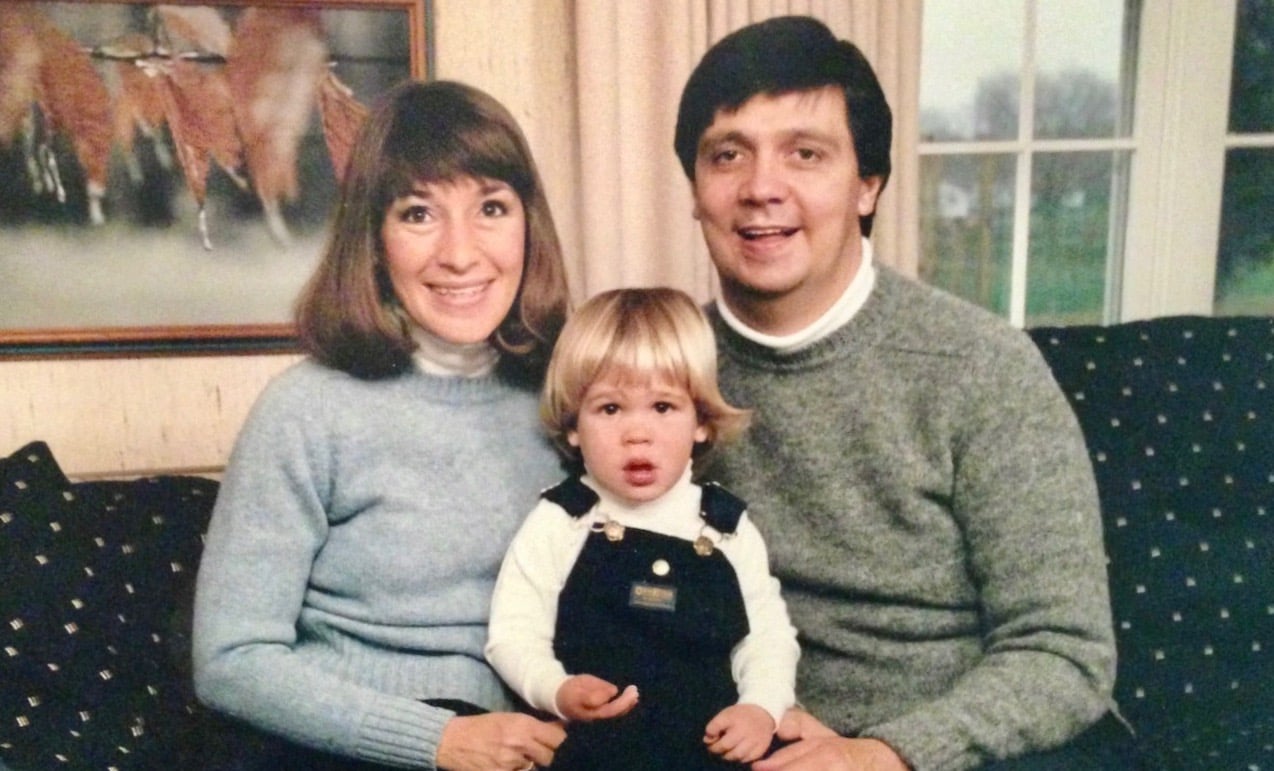
Data from the National Alliance for Caregiving indicates that approximately 20% of family caregivers are only children. These individuals are more likely to report high levels of physical and emotional strain compared to those who can distribute responsibilities among siblings. This "uncertainty of the future" is the primary trade-off for the "quality time" and "gift-free" luxury vacations Leiby describes in her adult life.
Broader Implications for Social Policy and Infrastructure
The rise of the only-child family has significant implications for broader social structures. Economists suggest that a society with fewer children may face a "care gap" in the coming decades, necessitating a shift in how elder care is funded and managed at the governmental level.
Furthermore, the "only child" experience is influencing the housing market and urban planning. The demand for "missing middle" housing and child-friendly urban spaces is being driven by smaller family units who prioritize proximity to amenities over large suburban backyards.
Leiby’s account of her annual winter trips to Aruba with her parents—where the three adults spend time reading and dining together—highlights a shift in the "family vacation" industry. Travel providers are increasingly catering to "multi-generational adult" groups rather than just families with young children. This "tropical version" of the home environment reflects a lifelong bond that is often more intense and friend-like than the relationships found in larger family units.
Conclusion: A Shift in the Cultural Narrative
Alison Leiby’s I’m a Lot contributes to a growing body of literature that seeks to de-stigmatize the only-child experience. By documenting both the freedom of a "finicky palate" and the fear of "sole caregiving," the memoir provides a balanced look at a demographic reality that is becoming the standard for many modern households.
As the "one and done" model continues to gain traction globally—driven by factors ranging from climate anxiety to the sheer cost of childcare—the insights provided by those who grew up in these environments become essential. Leiby’s conclusion suggests that while the future holds unique challenges, the depth of the three-person bond and the autonomy granted by an only-child upbringing are assets that many would not trade for the traditional sibling dynamic. The memoir ultimately serves as an affirmation that there is no "normal" family, only different ways of navigating the complexities of human connection.
