

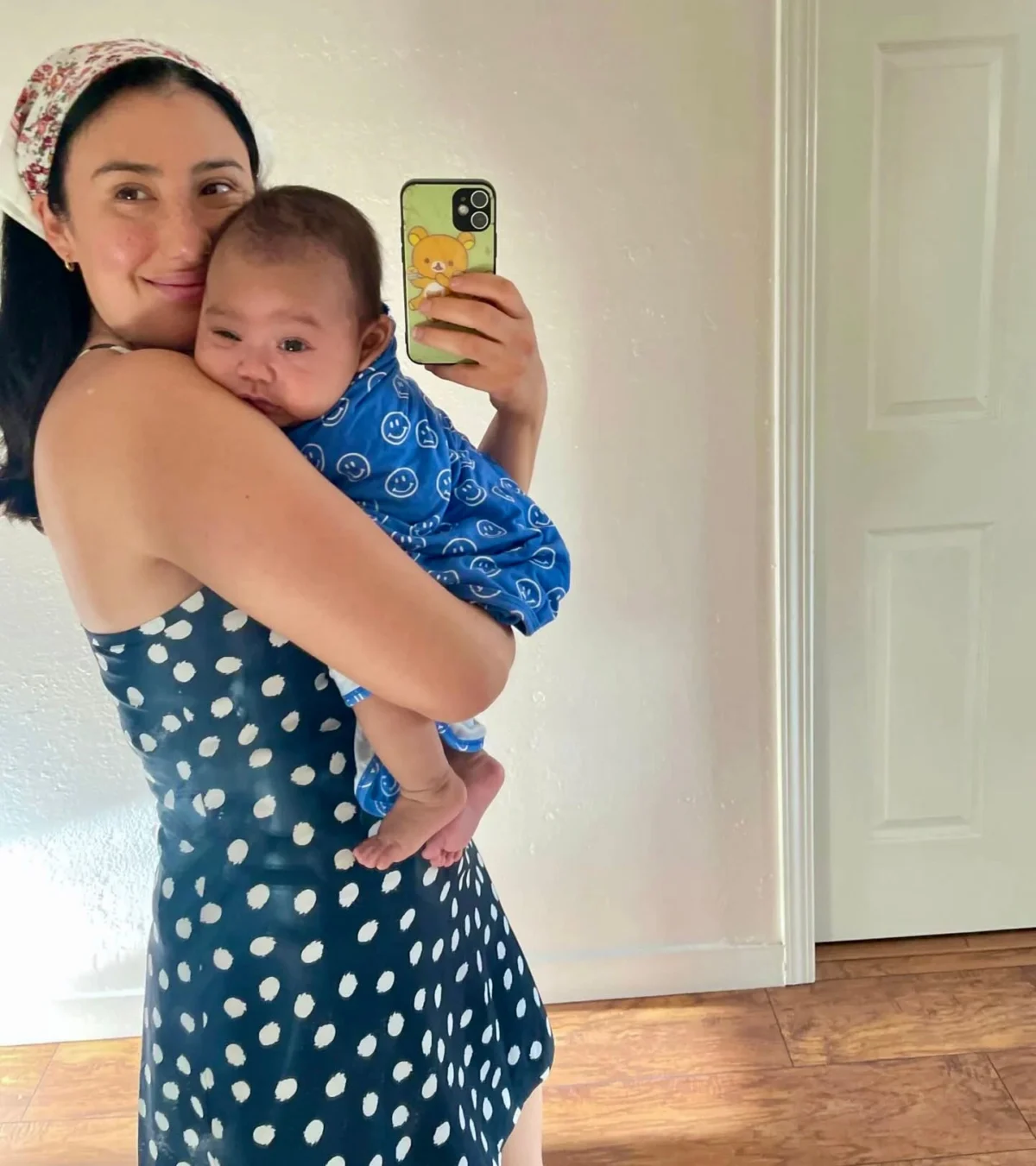
The transition into motherhood, often referred to by medical professionals as the "fourth trimester," represents one of the most significant physiological and psychological shifts an individual can experience. While traditional gift-giving often focuses on the needs of the newborn—ranging from apparel to nursery equipment—there is an increasing clinical and social emphasis on the "maternal-centric" approach to the postpartum period. This shift recognizes that the mother’s recovery, mental health, and sense of identity are paramount to the health of the family unit. Recent insights into the postpartum experience highlight five specific categories of support that provide tangible benefits to new mothers: aesthetic environmental cues, dermatological self-care, adaptive footwear, non-traditional nutritional support, and community-driven emotional legacies.
The Clinical Context of the Postpartum Transition
The first year following childbirth is characterized by profound hormonal fluctuations, sleep deprivation, and physical healing. According to data from the Centers for Disease Control and Prevention (CDC), approximately one in eight women experiences symptoms of postpartum depression (PPD). Furthermore, the sudden drop in estrogen and progesterone levels immediately after delivery can lead to "baby blues" in up to 80% of new mothers. In this high-stress environment, the role of external support systems—expressed through both presence and thoughtful gift-giving—serves as a critical intervention for maternal wellness.
Expert analysis suggests that gifts for new mothers should prioritize "low-friction" utility and emotional resonance. When a mother is navigating the complexities of breastfeeding, surgical recovery (in the case of C-sections), or the emotional toll of a Neonatal Intensive Care Unit (NICU) stay, the most effective gifts are those that reduce cognitive load or provide a momentary sense of normalcy.
1. Environmental Wellness: The Role of Aesthetic Continuity
A common challenge during the early months of motherhood is the transformation of the home from a sanctuary into a site of labor. The introduction of a high-quality, aesthetic item, such as a designer vase, serves a dual purpose. From a psychological perspective, "biophilic design"—the practice of bringing elements of nature into the home—has been shown to reduce stress levels and improve mood.
By providing a dedicated vessel for floral arrangements, gift-givers encourage a cycle of beauty and external connection. Clinical observations suggest that visual "bright spots" in a living space can help mitigate the feelings of isolation that often accompany the newborn phase. A vase is not merely a decorative object; it is a permanent fixture that symbolizes the community’s ongoing support long after the initial flurry of birth-related excitement has subsided.
2. Dermatological Health and the Self-Care Triage
Postpartum skin changes are a frequent yet under-discussed aspect of the fourth trimester. Hormonal shifts can result in "pregnancy mask" (melasma), extreme dryness, or sudden breakouts. Data from dermatological studies indicate that the "postpartum glow" is often replaced by a compromised skin barrier due to fluctuating cortisol levels and lack of REM sleep.
Gift-giving that focuses on skincare, such as Korean "glow pads" or high-hydration serums, offers a mother a form of "micro-self-care." These products are particularly effective because they require minimal time—often less than sixty seconds—to apply, fitting into the erratic schedule of a nursing or sleep-deprived parent. Providing premium skincare products allows a mother to reclaim a sense of physical identity that is separate from her role as a caregiver, fostering a necessary boundary for mental health.
3. Adaptive Footwear and Physical Accessibility
Physical recovery post-delivery often involves significant inflammation and mobility challenges. For mothers who have undergone a cesarean section or those dealing with lingering edema (swelling), traditional footwear can become impractical. The importance of "slip-on" shoes, such as ergonomic clogs or high-quality sandals, cannot be overstated in a journalistic analysis of postpartum needs.
The utility of these items is heightened in emergency or high-stress scenarios. For instance, mothers of premature infants often face a "fractured" postpartum experience, where they must commute between home and the NICU. In these instances, the ability to dress quickly and comfortably is a matter of functional necessity. Ergonomic footwear like Birkenstocks provides the necessary arch support for a body that is re-centering its gravity while eliminating the physical strain of bending over to secure laces—a task that is often painful following abdominal surgery or pelvic floor trauma.

4. Nutritional Intervention: Beyond the Dinner Casserole
While the "meal train" is a staple of community support, it often focuses exclusively on the evening meal. However, nutritional data suggests that lactating mothers require an additional 450 to 500 calories per day, often consumed in small increments due to the demands of a nursing schedule.
Journalistic investigation into postpartum recovery trends shows a rising demand for "grab-and-go" nutrition. Effective support involves providing:
- High-protein snacks: Energy balls, nut mixes, and yogurt parfaits.
- Breakfast solutions: Make-ahead strata, breakfast burritos, or nutrient-dense muffins.
- Hydration-focused gifts: High-volume water bottles and electrolyte supplements.
Providing food that can be consumed one-handed or at non-traditional hours (such as during a 3:00 a.m. feeding) addresses the "hunger gaps" that dinner deliveries miss. This approach recognizes the reality of the postpartum schedule, where a mother’s caloric needs are constant and do not align with standard meal times.
5. Emotional Legacies: The Power of the Written Word
The psychological impact of social support is one of the strongest predictors of a positive postpartum outcome. A handwritten letter or a collection of notes for the baby serves as a form of "social capital." These documents provide a tangible reminder to the mother that she is part of a wider village.
In the context of modern parenting, where families are often geographically dispersed, these letters act as an emotional anchor. They shift the focus from the immediate hardships of diaper changes and sleep deprivation to the broader significance of the child’s arrival in the community. For a mother experiencing the "lows" of the first year, rereading these messages of hope and love can serve as a powerful tool for emotional regulation and resilience.
Chronology of Support: The First Year
The needs of a new mother evolve significantly over the first twelve months. A structured timeline of the postpartum journey reveals when these gifts are most impactful:
- Weeks 1–4 (The Acute Phase): Focus is on physical healing and basic survival. Slip-on shoes and easy-access nutrition are the most critical items during this window.
- Months 2–4 (The Adjustment Phase): As the mother begins to venture out more, skincare and aesthetic environmental cues (like flowers in a vase) help in reclaiming a sense of self.
- Months 6–12 (The Re-emergence): This period often involves a return to professional work or a shift in the baby’s independence. Long-term emotional gifts, like the aforementioned letters, become cherished keepsakes that provide perspective during the "toddler transition."
Broader Implications and Societal Impact
The way a society treats new mothers is a reflection of its broader values regarding health and family. In the United States, the lack of federally mandated paid maternity leave places a heavy burden on communal support systems. In this vacuum, the "gift" becomes more than a gesture; it becomes a necessary supplement to a systemic lack of care.
Market analysis shows that the "postpartum care" industry is expected to grow significantly over the next decade, as more consumers prioritize maternal health over traditional baby products. This trend suggests a growing awareness that a healthy, supported mother is the foundation of a healthy child. By choosing gifts that address physical comfort, nutritional needs, and emotional stability, friends and family members are participating in a vital form of informal healthcare.
Conclusion: Reframing the Postpartum Gift
The transition into motherhood is a period of both extreme vulnerability and profound strength. The five gift ideas outlined—ranging from the practical to the sentimental—represent a holistic approach to maternal support. By shifting the focus toward the mother’s experience, the community can help bridge the gap between the clinical "discharge" from the hospital and the long-term reality of raising a child.
In summary, the most effective gifts for new mothers are those that acknowledge the complexity of their new reality. Whether it is a pair of shoes that facilitates a walk to the NICU, a meal that sustains a late-night feeding, or a letter that reinforces a sense of belonging, these gestures provide the "scaffolding" upon which a new mother can build her confidence and recovery. As the medical community continues to advocate for better postpartum care, the role of the personal support network remains the most immediate and impactful factor in a mother’s well-being.
