

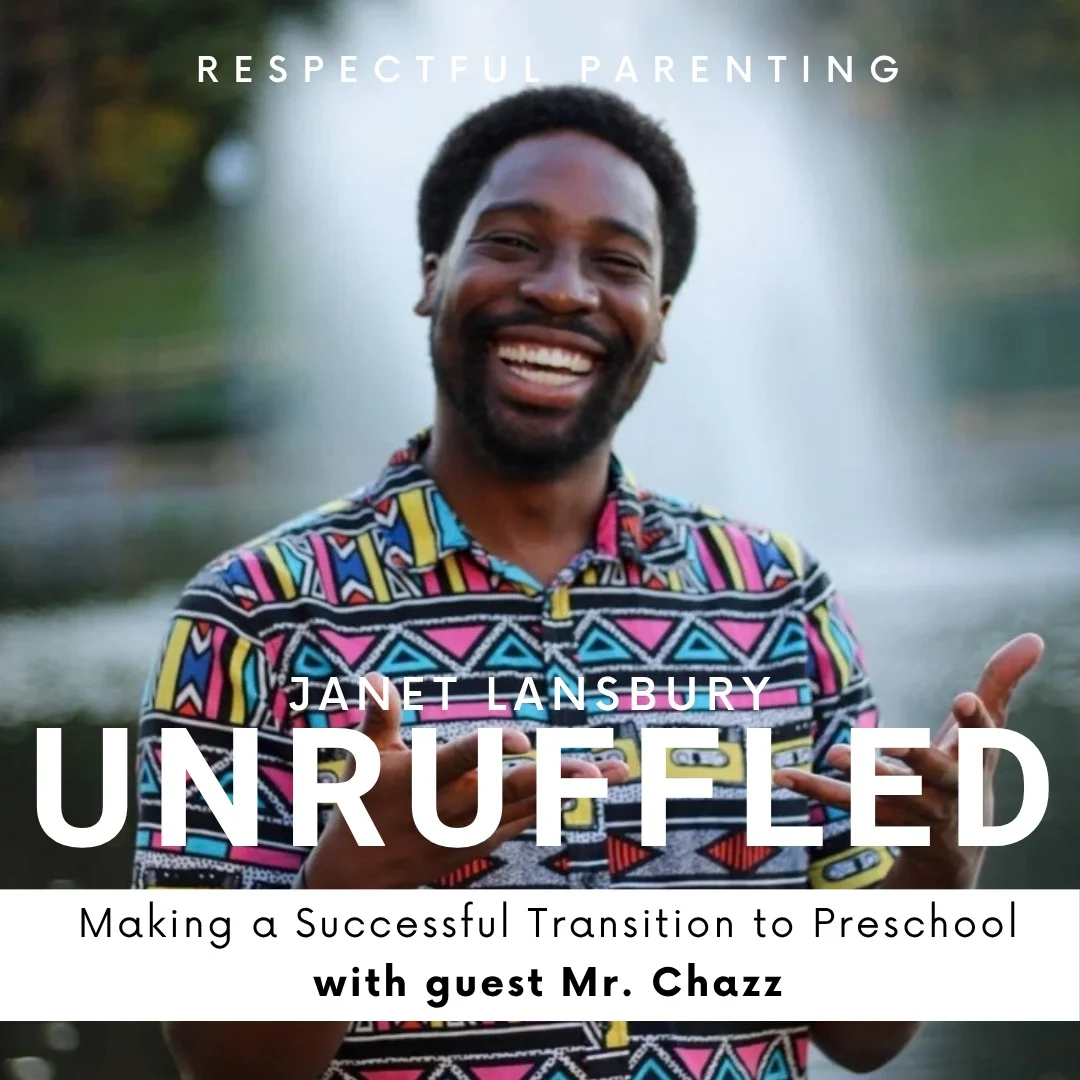
Renowned early childhood educator, Mr. Chazz, recently shared invaluable insights on facilitating smooth transitions for children entering preschool or childcare settings, emphasizing the critical roles of trust and connection. In a candid discussion with Janet Lansbury, host of the popular "Unruffled" podcast, Mr. Chazz, affectionately known as "America’s Favorite Teacher," outlined innovative approaches to childcare and shared practical strategies for parents and educators alike. His perspective, honed through extensive experience and a passion for child development, offers a vital roadmap for navigating this significant milestone in a child’s life.
A New Paradigm in Early Childhood Education: The Birdhouse Model
Mr. Chazz, celebrated for his engaging presence on platforms like TikTok and Instagram, has also channeled his expertise into the creation of "Birdhouse," an innovative learning and childcare center in Brooklyn. This initiative represents a significant departure from conventional models, aiming to serve as a blueprint for future early childhood programs. A cornerstone of Birdhouse’s philosophy is the well-being and professional development of its educators.
"We’ve created a model where the head teacher lives upstairs in the school," Mr. Chazz explained. "This arrangement alleviates the financial burden of rent, allowing our teachers to operate from a place of security rather than survival. When educators feel cared for, they are better equipped to utilize their full cognitive capacity to nurture children. This mirrors the fundamental truth that it’s significantly more challenging to care for others when one’s own needs are unmet."
This approach directly addresses the pervasive issue of high teacher turnover in the early childhood education sector, a challenge exacerbated by low wages and demanding work environments. By prioritizing teacher support, Birdhouse aims to foster a sense of commitment and stability, crucial for the consistent and nurturing care that young children require. This investment in educators, Mr. Chazz believes, is a direct investment in the children and the families they serve, ensuring continuity and a stronger sense of community within the childcare setting.
Rethinking Arrival and Reunion: Cultivating Connection Over Convenience
The traditional preschool "drop-off" can often be a source of anxiety for both children and parents, characterized by rushed goodbyes and hurried departures. Mr. Chazz advocates for a paradigm shift, replacing the terms "drop-off" and "pick-up" with "arrival" and "reunion." This linguistic change reflects a fundamental reorientation towards fostering connection and emotional security.
"Instead of viewing the process as a quick transaction, we emphasize the importance of honoring the moment of separation from the parent and, concurrently, the establishment of a new connection within the school family," Mr. Chazz stated. At Birdhouse, arrival is a structured yet flexible process designed to integrate children and parents into the classroom environment. This typically involves a moment of connection with Mr. Chazz or another educator, followed by a routine that includes putting away belongings and washing hands.
"We utilize visual aids, such as a step-by-step routine card, to guide both children and parents," he elaborated. "This provides clarity and predictability, reducing potential distractions and anxieties. The first step is a moment of connection—a high-five, a hug, or a personalized greeting. This is followed by putting away their belongings, taking off shoes to maintain a clean play space, and then washing hands. The visual routine serves as a gentle reminder, empowering children to participate actively in their transition."
This deliberate approach extends to the crucial moment of parental departure. Birdhouse encourages a brief, intentional connection before the parent leaves, whether it’s a hug, a kiss, or a short game. While parents are not obligated to stay, they are welcome to participate in initial activities like circle time. This gradual integration allows children to acclimate to the new environment and build trust with their caregivers, known as "safekeepers" at Birdhouse, before the parent’s departure.
Addressing Separation Anxiety: Building Trust and Safety
The emotional complexities of separation are acknowledged and addressed proactively at Birdhouse. "We allow parents to bring their children in for a week or two prior to their official start date to participate in arrival and circle time," Mr. Chazz explained. "This allows the child to become familiar with the space and, more importantly, to develop a connection with the safekeepers. When a child experiences distress upon a parent’s departure, having already established a safe and trusting relationship with an educator is paramount. It provides a secure base from which the child can process their emotions."
This pre-emptive strategy is crucial for helping children navigate the inevitable big emotions associated with separation. By fostering a sense of safety and connection beforehand, educators can more effectively support children in co-regulating and transitioning into play and learning.
The Power of Observation and Reflection in Educator Training
Mr. Chazz emphasizes the importance of continuous learning and development for educators. At Birdhouse, the use of cameras is not for punitive measures but as a powerful tool for reflection and professional growth.
"We use cameras to review interactions and identify opportunities for learning," he said. "I share these recordings with my safekeepers, sparking conversations about specific moments, such as a child’s response to an approach or an educator’s strategy. This collaborative reflection allows us to refine our practices and deepen our understanding of child development. We embrace mistakes as learning opportunities, acknowledging that even experienced educators are constantly growing."
This commitment to reflective practice ensures that educators are not only skilled but also deeply attuned to the nuanced needs of each child. The focus remains on meeting children where they are, at their own pace, and responding to their individual interests and cues. This approach, Mr. Chazz notes, is fundamental to building the trust and safety that underpin a successful transition.
Navigating Challenging Transitions: A Framework for Resilience
While Birdhouse offers an ideal environment, Mr. Chazz acknowledges that challenging moments are inevitable. He shared a poignant anecdote about a child experiencing prolonged distress upon parental departure.
"Even with all our preparation, some children will cry," he admitted. "The difference is that at Birdhouse, these children often turn to us for comfort and safety. We are equipped to help them work through these emotions because they already feel secure with us. In one instance, a child was crying throughout circle time, desperately missing his mother. We acknowledged his feelings openly, stating, ‘So-and-so is having a hard time. He’s feeling sad because he really wants his mom.’ We then encouraged the group to take a deep breath for him. This allowed the other children to witness and practice emotional regulation, understanding that big emotions are part of life and can be navigated with support."
This incident highlights a key principle: viewing difficult moments not as failures, but as profound learning opportunities for both children and adults. By modeling resilience and healthy emotional processing, educators and parents can help children develop coping mechanisms that will serve them throughout their lives.
Strategies for Parents in Traditional Settings
For parents navigating more traditional childcare settings where extended involvement may not be possible, Mr. Chazz offers several practical strategies:
- Visual Routine Cards: Creating simple, step-by-step visual aids depicting the arrival routine can help children understand and anticipate the sequence of events. This provides a sense of control and predictability.
- Photo Albums and Books: Compiling a small book with pictures of the child, their family, and the school environment can help children visualize their day and anticipate enjoyable activities. This can also serve as a comforting reminder of home.
- Role-Playing: Practicing the arrival and departure routine at home through play can help children become more comfortable with the process. Using stuffed animals as pretend classmates and simulating the steps can reduce anxiety on the actual day.
- Open Communication with Teachers: Providing educators with detailed information about the child’s personality, routines, and preferences—especially regarding nap times or comfort objects—is invaluable. This helps teachers build rapport and address potential challenges more effectively.
- Focus on Connection: Even in brief interactions, parents can prioritize a meaningful connection before leaving, such as a special handshake, a hug, or a short, playful exchange. This signals love and security.
The Enduring Importance of Educator Well-being and Professionalism
Mr. Chazz’s dedication to the classroom and his advocacy for early childhood educators underscore the profound impact of this profession. "The emotional labor involved in teaching is immense, yet incredibly rewarding," he stated. "Being in the classroom, supporting children and their families, and continuously honing our skills is a deeply fulfilling experience. It’s about going ‘a mile deep’ rather than ‘a mile wide.’ This work, though challenging, is invaluable, and I wouldn’t trade it for anything."
His words serve as a powerful affirmation for educators who often face immense pressure and may question their impact. By focusing on the positive moments, the breakthroughs, and the deep connections forged, educators can find the resilience and motivation to continue their vital work.
Conclusion: Fostering Confidence Through Connection
The transition to preschool is a pivotal moment, and Mr. Chazz’s insights offer a compassionate and evidence-based approach to making it a positive experience. By prioritizing trust, connection, and the well-being of both children and educators, we can cultivate environments where young learners feel safe, understood, and empowered to thrive. The principles championed by Mr. Chazz at Birdhouse—from the innovative teacher support model to the emphasis on mindful arrivals and reunions—provide a compelling vision for the future of early childhood education, one that truly puts the child at the center of every interaction and transition.
