

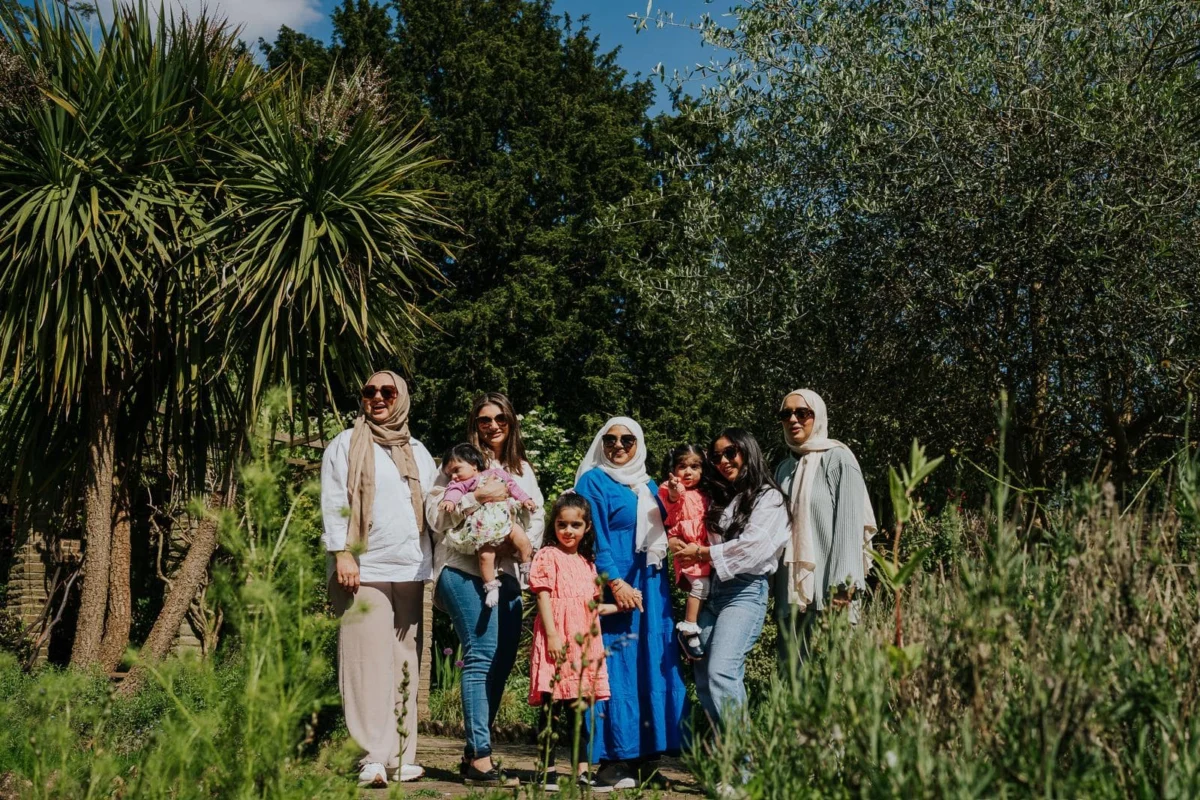
The compelling journey of Zarina Ayyub, a Birmingham-born woman of Pakistani heritage, stands as a testament to resilience and unwavering advocacy in the face of profound cultural and systemic challenges to breastfeeding. Her personal struggles, spanning five children and decades of societal shifts, illuminate the critical need for culturally sensitive maternal healthcare and peer support, particularly within ethnic minority communities in the United Kingdom. From a young mother navigating a healthcare system that offered little choice, to a seasoned doula and peer supporter, Ayyub’s story underscores a quiet revolution in maternal care, pushing boundaries and fostering open dialogue where silence once prevailed.
Early Life and the Echoes of a Traumatised Generation
Zarina Ayyub’s narrative is deeply rooted in the experiences of her mother, an early Pakistani immigrant who arrived in England in the late 1960s. This period marked a significant wave of post-colonial migration to the UK, bringing with it diverse cultural practices and expectations that often clashed with the prevailing medical norms of the host country. Ayyub’s mother, among the first within her community to have children in the UK, faced immense pressure within her husband’s extended family, who did not encourage breastfeeding. Her hospital experience was particularly traumatic: formula was routinely offered, and pills to suppress lactation were administered—a practice that was common in UK hospitals during that era, reflecting a medical culture that often prioritised convenience and formula feeding over natural maternal processes. “She was given formula and some pills to dry up her milk—something she never forgot,” Ayyub recalls, highlighting the lasting psychological impact of this intervention.
Culturally, the concept of colostrum, the vital first milk, was misunderstood, often deemed "dirty" in parts of India and Pakistan. Instead, traditional concoctions of cooled boiled water with fennel and other seeds were sometimes given to newborns to clear meconium, bypassing the critical immunological and nutritional benefits of colostrum. This cultural belief, combined with the lack of support and the hospital’s practices, led to a deeply negative breastfeeding experience for Ayyub’s mother, leaving her "traumatised" and determined to spare her own daughter similar pain. This intergenerational fear of breastfeeding became a significant hurdle for Zarina years later, shaping her initial interactions with maternal care and her family’s expectations.
A Young Mother’s Ordeal: Systemic Failures in the 1990s
Zarina Ayyub’s own journey began at the age of 20, with the birth of her first baby in the early 1990s. This period, while having moved beyond some of the more aggressive anti-breastfeeding practices of the 60s and 70s, still presented significant challenges for new mothers, particularly those from ethnic minority backgrounds. Ayyub’s daughter, born prematurely at a tiny 4 lbs 13 oz due to placental insufficiency, was immediately separated from her mother and fed formula by tube in a special nursery. Ayyub, isolated in her room, received no explanation, no instruction on expressing colostrum, and no informed choice. "No one in the hospital explained anything to me or gave me any choices," she recounts, a sentiment echoed by countless mothers from that era who felt disempowered by institutional practices.
The lack of early skin-to-skin contact and immediate breastfeeding, now recognised as crucial for successful initiation, further compounded her difficulties. When her baby was finally brought to her on day three, Ayyub was severely engorged. Her mother’s advice to ask for milk-drying pills underscored the generational trauma. The forced latching by a midwife, described as "really horrible," was a stark example of a healthcare system struggling to provide sensitive, evidence-based support. Ayyub’s initial weeks at home were marked by cracked, bleeding nipples and overwhelming distress, a common outcome when mothers are not adequately prepared or supported during the critical early days.
Navigating Cultural Expectations and the "Fourth Trimester" in London
Moving to London with her husband and baby, Ayyub entered another complex environment: her husband’s extended Pakistani family. In many traditional South Asian households, the postnatal period, often referred to as the "fourth trimester," involves a specific set of cultural expectations. While some traditions emphasise rest for the new mother, others, particularly in immigrant contexts, can place a heavy emphasis on demonstrating capability and contributing to the household. Ayyub found herself in a bustling home, constantly hosting relatives new to the UK, where the priority for women was often maintaining a spotless house and actively participating in family duties. Breastfeeding, which requires significant time and physical presence, was perceived as "laziness."
"Having a spotless house and contributing to the family seemed to be the highest priority in our community. They wanted me to be up and about doing housework, rather than sitting down feeding my baby," she explains. This cultural pressure was exacerbated by comparisons to other family children, often formula-fed, who were perceived as "huge" compared to Ayyub’s naturally smaller, breastfed babies. Even her mother-in-law, who had breastfed her own sons, couldn’t understand Ayyub’s "need or passion." This societal pressure, combined with her husband’s concern about her children’s perceived skinniness, created an isolating environment where Ayyub had to fight for her instinctive desire to provide responsive feeding and closeness. The experience highlights a broader issue of cultural dissonance in healthcare, where traditional values can inadvertently undermine public health recommendations.
The Turning Point: Empowerment Through Knowledge and Advocacy
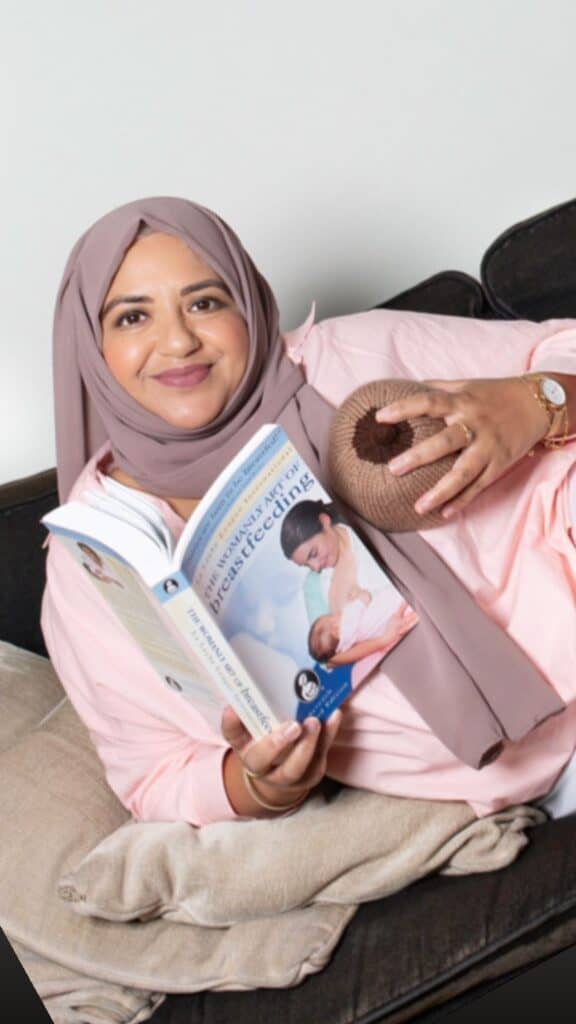
The turning point for Zarina Ayyub came with her third child. Exhausted by the ongoing struggle and criticism, she discovered The Womanly Art of Breastfeeding by La Leche League (LLL). This book, borrowed from the library and devoured over nine months, became her intellectual armour. "I learned so much: colostrum is not dirty, if you lose your milk, you can relactate… I felt that now I had all this information, no one was going to mess with me!" she states, reflecting a profound shift from disempowerment to informed self-advocacy. She breastfed this child for two years, despite continued critical comments, a testament to her newfound conviction.
This period also marked her first direct engagement with formal breastfeeding support. After experiencing mastitis with her third baby, she attended an LLL group in Wimbledon. However, her experience underscored the persistent barriers for ethnic minority women. "I was the only woman wearing shalwar kameez," she recalls, describing the discomfort and awkwardness of being the sole representative of her culture in a predominantly white space. This feeling of being an outsider, coupled with the practical difficulties of feeding in traditional attire, meant it took her years to return to a support group. This highlights a crucial point: support services, while well-intentioned, often fail to be truly inclusive without deliberate cultural sensitivity and representation.
Despite these challenges, Ayyub’s innate desire to help others blossomed early. Just weeks after her first daughter’s birth, she found herself supporting her husband’s aunt with engorged breasts, recognising a shared struggle. She also guided her younger sister through her breastfeeding journeys, gradually normalising the practice within her immediate family. Her mother, initially scarred by her own experience, eventually became a strong advocate for Ayyub’s last two children, demonstrating the powerful impact of seeing positive, successful breastfeeding within the family.
Becoming a Peer Supporter: Bridging the Cultural Divide
The opportunity to formalise her advocacy arrived after her fifth child. Despite a difficult start with this baby—born at 35 weeks with severe reflux, leading to poor advice from a breastfeeding counsellor—Ayyub found a sign advertising La Leche League’s 12-week peer supporter training course, run by the NHS. "Thank God I came today!" she remembers thinking, seizing the chance to "help other moms properly." This decision marked a significant step not only for her but also for the broader breastfeeding support landscape.
As a peer supporter for two to three years, Ayyub was often the "only Muslim peer supporter" in her area. Her presence was invaluable in reaching mothers from Asian communities, who, as she observed, "very rarely saw any Asian women at the group we ran." Research consistently shows that women are more likely to access and benefit from healthcare services when they can relate to providers who share their cultural background or speak their language. While language was not always a barrier for Ayyub, the cultural connection was paramount. She became a trusted figure, with many mothers wanting to "take me home with them," underscoring the deep need for empathetic and relatable support.
The Broader Impact: Doula Work and Systemic Change
Today, Zarina Ayyub works as a Doula, extending her support to mothers throughout birth and the postnatal period. Her current work aligns with broader efforts to address health disparities and improve maternal outcomes for ethnic minority families. She has been invited to participate in projects such as The Raham Project in Peterborough, collaborating with the charity BLISS on neonatal intensive care units (NICU) and premature babies. Her willingness to share her own painful birth stories in these forums is crucial for highlighting the unique challenges faced by women from diverse backgrounds and informing more inclusive healthcare practices.
The work of organisations like La Leche League, the NHS, BLISS, and The Raham Project is vital in this landscape. LLL, founded in 1956, has been at the forefront of providing mother-to-mother breastfeeding support globally, advocating for informed choice and evidence-based practices. The NHS, through its peer support programs and Baby Friendly Initiative, aims to create a supportive environment for breastfeeding mothers. Charities like BLISS focus specifically on babies born premature or sick, offering crucial support and advocating for better care. The Raham Project, by inviting voices like Ayyub’s, exemplifies the move towards community-led, culturally competent interventions.
An Intergenerational Legacy and the Future of Breastfeeding
Perhaps one of the most profound impacts of Zarina Ayyub’s journey is the transformation within her own family. Her five children, now adults ranging from 18 to 34, have grown up witnessing their mother’s unwavering commitment. Her daughters, in particular, have embraced breastfeeding with remarkable success. One daughter has three young children, having breastfed her first for two years, tandem-fed her first two, and is still breastfeeding her youngest at eight months. "She has a very different story from mine," Ayyub proudly notes, highlighting the generational shift. Even her son-in-law, whose family was initially uncomfortable with breastfeeding, has become incredibly supportive—a direct result of Ayyub’s persistent advocacy.
This influence extends beyond her immediate family. Ayyub’s consistent "talking about it" has normalised conversations around breastfeeding, periods, and women’s health within her extended family and social circles, including her children’s spouses and friends. This cultural shift is further evidenced by her other daughters’ interest in exploring home births, a concept that would have been "a huge miracle in our community" just a generation ago.
Addressing the Persistent Shame and Cultural Nuances
Despite the progress, Ayyub acknowledges that "there is still a lot of shame surrounding breastfeeding in the Asian community." Many families remain "quite prudish," and women may not feel comfortable lifting their tops in front of others, even other women, in group settings. She critically differentiates between cultural practices and religious tenets. "It’s not religious shame and fear, it’s the culture that has been confused with religion," she asserts. The Muslim faith, in fact, teaches that a baby has the right to be breastfed for as long as they wish, though a common interpretation suggests two years. This distinction is crucial for effective support, as it allows for conversations that respect religious beliefs while gently challenging restrictive cultural norms.
Building relationships of trust is paramount. Breastfeeding supporters who can understand and navigate these cultural nuances are essential for addressing fears and normalising breastfeeding. Zarina Ayyub’s advocacy is a powerful call to action: "It is not something to be embarrassed about, it’s a normal and natural process that is so beneficial for your baby and your own health, too. Let’s all work together to make it the very natural and normal way of life that it surely is." Her journey, detailed further in her interview for the LLLGB Podcast "Breastfeeding Matters," serves as an inspiring blueprint for how individual determination, combined with culturally sensitive support, can drive profound societal change in maternal and infant health.
