

In a compelling narrative that underscores both the challenges and triumphs of maternal healthcare within diverse communities, Zarina Ayyub, a dedicated Doula and former La Leche League (LLL) peer supporter from Tooting, London, has emerged as a formidable advocate for breastfeeding. Her journey, marked by personal struggle against deeply entrenched cultural norms and a healthcare system that often overlooked the nuanced needs of ethnic minority mothers, exemplifies a lifelong commitment to empowering women and normalizing breastfeeding, particularly within the South Asian diaspora in the UK.
Ayyub’s story begins in Birmingham in the early 1990s, where, at just 20 years old, she navigated the birth of her first child. This pivotal moment, occurring shortly after her own birthday on November 1st, set the stage for a three-day labour culminating in her daughter’s birth on November 3rd. Her experience reflects a period when institutional support for breastfeeding was often inadequate, and cultural understandings varied widely.
The Shadow of Past Generations: A Mother’s Trauma
A significant backdrop to Ayyub’s early experiences was her mother’s own traumatic encounter with childbirth and infant feeding in the late 1960s. Having immigrated to England from Pakistan, Ayyub’s mother was among the first in her Asian community to have children in the UK. Living with in-laws who offered no encouragement for breastfeeding, and in a hospital environment that routinely provided formula and milk-drying pills, her mother’s attempts to breastfeed her older brother were fraught with pain and frustration. She recalled wincing during feeds, feeling her baby was never full, and ultimately finding no joy in the process. The communal living arrangement, shared with five other adults, predominantly male, necessitated adherence to strict household rules, further complicating any private or sustained effort to breastfeed. This generation’s experiences highlight a broader historical context where, globally, formula feeding was heavily promoted, often at the expense of breastfeeding education and support.
Ayyub’s mother’s painful memories translated into fervent advice for her daughter: "Don’t do it," she implored, fearing Ayyub would endure similar suffering. Adding to this was a prevalent belief in parts of India that colostrum, the nutrient-rich first milk, was "dirty." Instead, women were advised to give newborns a concoction of cooled boiled water with fennel and other seeds, believed to aid in clearing meconium. This deep-seated cultural misconception, coupled with her mother’s personal ordeal, meant Ayyub lacked the traditional maternal guidance and encouragement often vital for new mothers.
Early Hospital Experiences: A Systemic Disconnect
Ayyub’s initial hospital experience mirrored her mother’s, albeit decades later. As a young, first-time mother, she felt isolated and uninformed. "No one in the hospital explained anything to me or gave me any choices," she recounts. Her tiny daughter, born at 4 lbs 13 oz due to a poorly functioning placenta, was immediately whisked away to a special nursery, fed formula by tube, while Ayyub was placed alone in a room. The absence of education about colostrum or expressing, and the lack of guidance on hand expression, meant a crucial window for establishing feeding was missed. "I was scared even to hold her," she admitted, reflecting a profound sense of helplessness. Her mother’s advice to "trust them," echoing her own past submission to medical authority, further solidified Ayyub’s feeling of powerlessness. These experiences resonate with broader critiques of hospital practices in the past, where a lack of mother-baby proximity, routine formula supplementation, and insufficient lactation support were common, often leading to early breastfeeding cessation.
When her daughter was finally brought to her on day three, Ayyub was severely engorged. Despite her mother’s insistence on requesting milk-drying pills, Ayyub felt an innate desire to breastfeed. The struggle was immense: her tiny baby, still searching, could not latch onto her "big and hard" breasts. A traumatic intervention by a midwife, who "grasped my breast and forced my baby onto me," left Ayyub in tears, her mother once again urging her to opt for a bottle to alleviate her pain. This highlights a critical gap in empathetic and skilled lactation support within the healthcare system at the time.
The Battle Continues at Home: Soreness, Isolation, and Cultural Expectations
Returning home around day five or six, Ayyub faced cracked and bleeding nipples. The first night was a "cry-fest" for the whole family. The initial lack of accessible resources – a non-functional hand pump and an oversized dummy – underscored the unpreparedness of both the family and the local retail environment for urgent breastfeeding challenges.
A significant part of Ayyub’s struggle involved navigating a complex family dynamic. After her marriage, she lived with her husband’s extended Pakistani family in London, which included his aunt, uncle, and grandparents. Following her two-week stay at her mother’s, she and her husband moved into their own flat. While offering a degree of independence, this new environment brought its own set of challenges. Ayyub felt self-conscious breastfeeding outside her home, leading to social isolation. Furthermore, her husband, remembering his own immigrant experience, frequently hosted newly arrived relatives from the UK, meaning their home was constantly full. This created a relentless cycle of cooking and cleaning, making it arduous to prioritize breastfeeding. Without knowledge of responsive feeding, Ayyub adhered to a rigid three-hourly schedule, a practice she learned from her mother’s formula-feeding routine. Her initial goal was to breastfeed for six months, before returning to work and transitioning her baby to formula.
The pressure intensified from her in-laws, including her mother-in-law, who despite having breastfed all her sons, struggled to comprehend Ayyub’s commitment. Ayyub was unfavorably compared to her sister-in-law, whose spotless house and contributions to the family were lauded, while breastfeeding was perceived as "laziness" that kept Ayyub from housework. This reflects a cultural emphasis within some South Asian communities on cleanliness, social contribution, and the perception that a mother should quickly resume household duties, sometimes inadvertently sidelining the intense demands of early motherhood and breastfeeding.
Even her husband, influenced by community comparisons, expressed concerns that their children were "too skinny," urging her to supplement with "bottle milk." This external validation of larger babies, contrasting with Ayyub’s naturally smaller children (she is five feet tall), added to her immense pressure. This phenomenon of comparing infant weight, often leading to unnecessary formula supplementation, is a common barrier to sustained breastfeeding in many cultures.
Empowerment Through Knowledge: The Turning Point
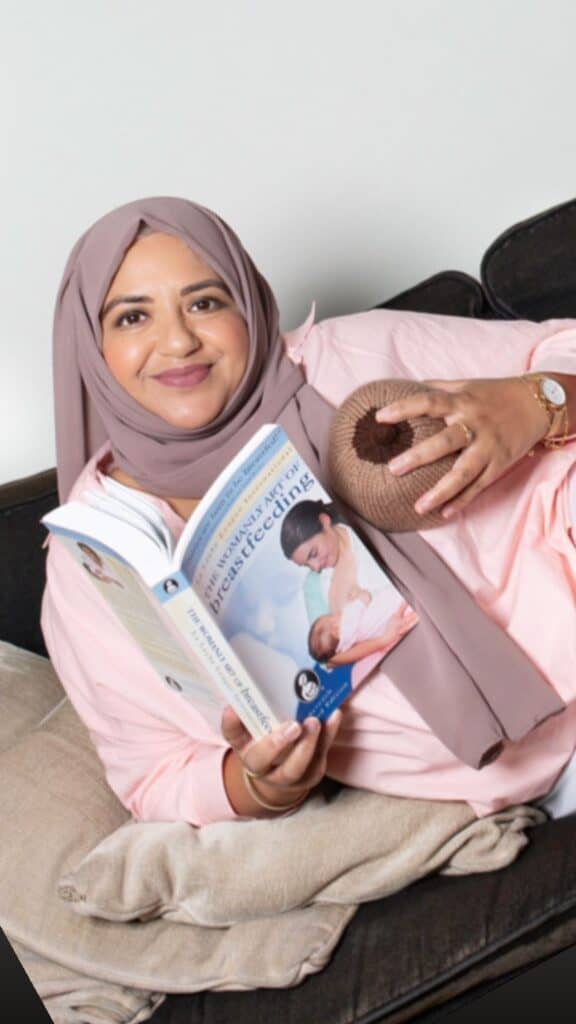
The tide began to turn with the arrival of her third child. By this time, Ayyub’s household had expanded to include her husband’s mother and two brothers. Despite the increased demands and an even more crowded home, Ayyub found an inner strength. This period marked a crucial discovery: "The Womanly Art of Breastfeeding." Borrowing it from the library, she devoured its contents over nine months, absorbing vital information that countered years of misinformation. "Colostrum is not dirty, if you lose your milk, you can relactate…" she learned. This newfound knowledge became her shield: "I felt that now I had all this information, no one was going to mess with me!" she declared. She successfully breastfed this child for two years, defying numerous critical comments.
Her commitment deepened when, a few weeks after her third baby’s birth, she developed mastitis. Seeking help, she contacted an LLL Leader and attended a group in Wimbledon. This experience, though initially awkward as she was the sole woman in traditional shalwar kameez – worn to appease her in-laws – marked her first direct engagement with formal breastfeeding support. "It was tricky to feed in a longer top and I felt awkward and embarrassed," she recalls, highlighting the need for culturally sensitive spaces. Despite the initial discomfort, the seeds of her future advocacy were sown.
From Personal Struggle to Community Support: The Birth of an Advocate
Even from the birth of her first child, Ayyub harbored a nascent desire to become a breastfeeding peer supporter. This aspiration gained concrete form just four weeks after becoming a mother, when her husband’s aunt returned from the hospital with her own newborn, experiencing similar engorgement and distress. Ayyub, drawing on her recent, albeit painful, experience, provided crucial support. "Like me, she arrived into a house full of in-laws and non-breastfeeding people who had no idea what to do," Ayyub noted, recognizing a shared isolation. This initial act of peer support, extended also to her younger sister, proved transformative. Witnessing her sister’s "big, happy babies" thriving on breast milk eventually normalized the practice for Ayyub’s own mother, who became a supportive ally for her last two children.
Ayyub’s long-held wish to become a peer supporter was realized after the birth of her fifth child. This baby, born prematurely at 35 weeks with severe reflux, presented new breastfeeding challenges. Disappointed by poor advice from a breastfeeding counselor, Ayyub found solace and opportunity at a local breastfeeding café. There, an advertisement for La Leche League’s 12-week peer supporter training course, run by the NHS, caught her eye. "Thank God I came today!" she thought, feeling a powerful determination to help other mothers effectively. The graduation from this course, complete with a pink knitted "boob" – a cherished symbol of her achievement – solidified her path.
For two to three years, Ayyub served as the only Muslim peer supporter in her group. She observed a significant barrier: the scarcity of Asian women attending the groups. "It’s easier to relate to people who look like you, even when there isn’t a language barrier," she recognized, underscoring the critical need for representation and culturally resonant support. Her impact, however, extended beyond her own community, with many mothers she supported expressing a desire to "take me home with them!"
Doula Work and Broader Impact: Weaving a Legacy of Support
Today, with her children grown – aged 34, 33, 30, 23, and 18 – Ayyub channels her extensive experience into her work as a Doula, supporting mothers through birth and the postnatal period. Her journey has coincided with growing recognition of the need for culturally sensitive maternal care. Initiatives like The Raham Project in Peterborough, in collaboration with the charity BLISS, are actively working to support Asian and other ethnic minority families, particularly in neonatal intensive care units. Ayyub’s participation in such projects, sharing her own emotional birth stories, highlights the enduring pain and the cathartic power of shared experiences.
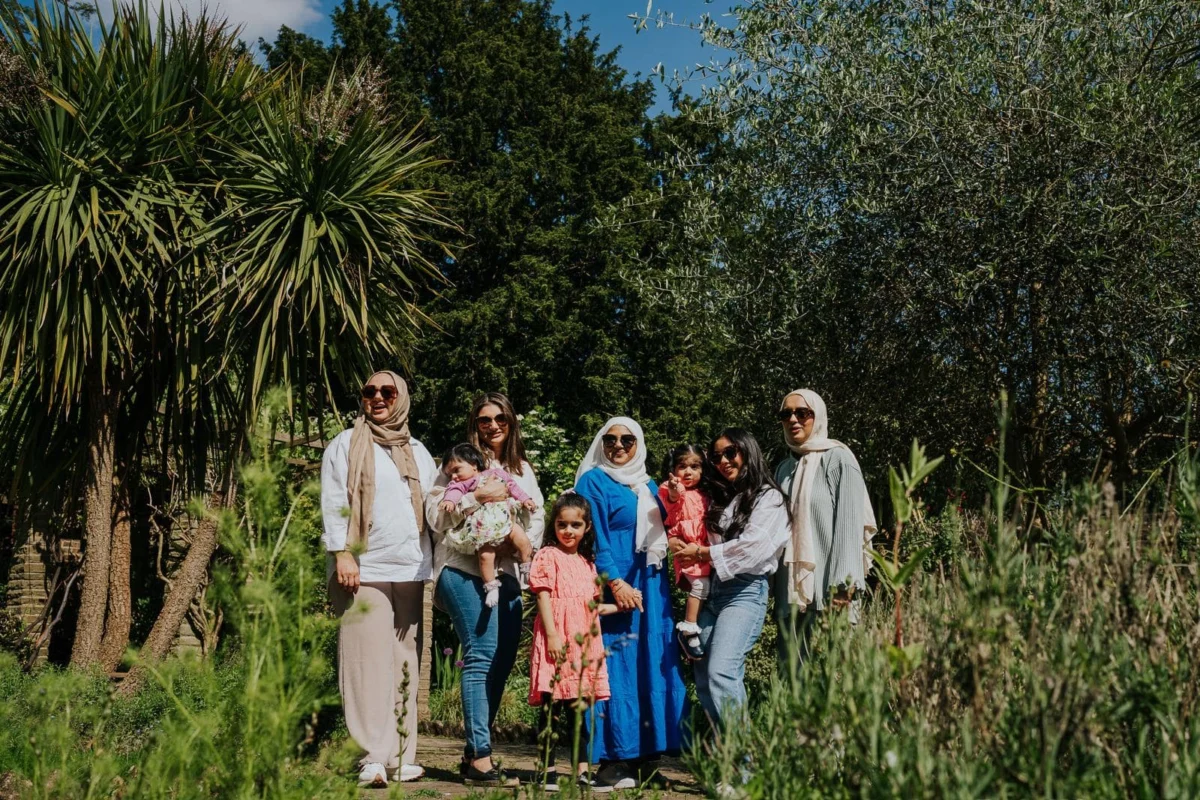
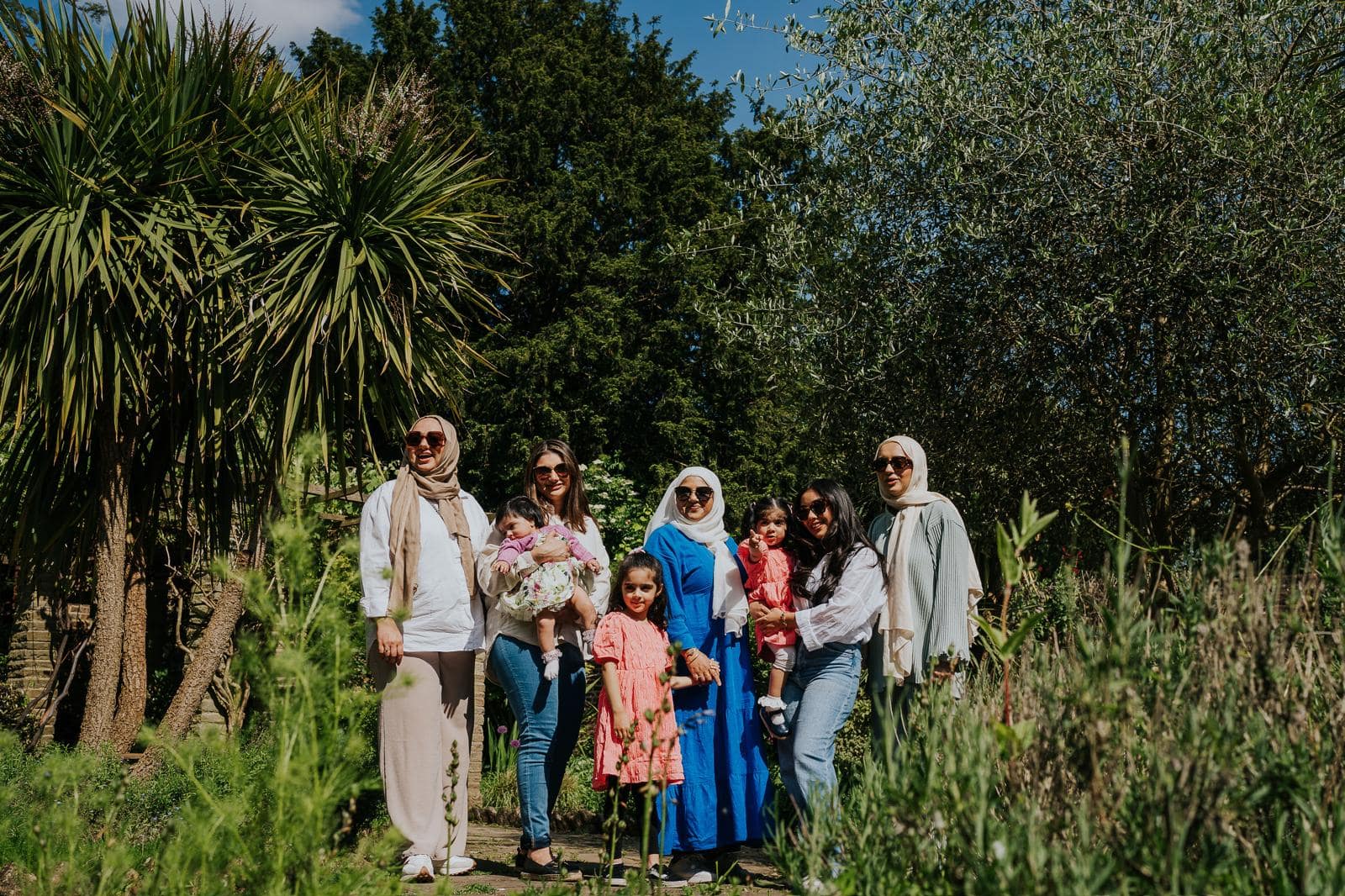
Ayyub’s legacy is perhaps most vividly seen in her own family. Her daughters, living nearby, are continuing her trailblazing path. One daughter has three children under four, having breastfed her first for two years, tandem-fed her first two, and is still breastfeeding her youngest at eight months. Her experience contrasts sharply with Ayyub’s, benefiting from a supportive husband, even though his family initially harbored discomfort with breastfeeding. Ayyub has also successfully supported her sister-in-law in her breastfeeding journey.
Breaking Cultural Taboos and Normalizing Dialogue
Ayyub acknowledges that "there is still a lot of shame surrounding breastfeeding in the Asian community," with many families remaining "quite prudish." However, her own household stands as a testament to change. Through her persistent advocacy and open dialogue, her family has normalized conversations around breastfeeding, periods, and other traditionally taboo subjects. This influence has spread to her children’s spouses and friends. Her daughters’ interest in exploring home births, a significant departure from community norms, is another "huge miracle" born from this environment of open discussion and empowerment.
Ayyub passionately advocates for more South Asian women to share their experiences. While acknowledging that it is "easier now," she notes that they still do not access breastfeeding support as readily as other women. The cultural barrier often stems from discomfort with exposing themselves in group settings, even among women. Ayyub clarifies that this is "not religious shame and fear; it’s the culture that has been confused with religion." She emphasizes that the Muslim faith traditionally upholds a baby’s right to be breastfed, often for up to two years.
The Path Forward: Building Trust and Cultural Competence
The implications of Ayyub’s journey and advocacy are profound. According to UNICEF UK, while breastfeeding initiation rates in the UK are relatively high (around 80%), these rates drop significantly by six weeks and six months, with disparities often observed across socioeconomic and ethnic groups. Cultural norms, lack of family support, and inadequate healthcare provision are frequently cited barriers. The experience of women like Ayyub underscores the critical need for culturally competent healthcare providers and peer support networks that understand and respect diverse cultural backgrounds.
Organisations like La Leche League and the NHS, through initiatives such as peer supporter training, are striving to bridge these gaps. However, as Ayyub’s experience shows, the presence of diverse peer supporters is crucial to building trust and encouraging engagement within specific communities. When mothers see themselves reflected in their supporters, it fosters a sense of belonging and reduces feelings of isolation and shame.
Ayyub’s recent participation in the "Breastfeeding Matters LLLGB Podcast," where she discussed the ancient tradition of the "fourth trimester" and the need for a safe and supportive postnatal environment, further highlights her commitment to holistic maternal care. This concept, practiced in many cultures, emphasizes the importance of rest, nourishment, and dedicated care for new mothers in the initial weeks postpartum, a stark contrast to the pressures Ayyub faced to resume household duties.
In conclusion, Zarina Ayyub’s story is not merely a personal anecdote; it is a powerful commentary on the evolving landscape of maternal health in the UK. Her relentless pursuit of knowledge, her courage in challenging deeply ingrained cultural and systemic barriers, and her unwavering dedication to supporting other mothers have made her a true trailblazer. By fostering relationships of trust, providing evidence-based information, and advocating for a more culturally sensitive approach, Ayyub is helping to demystify breastfeeding, dismantle taboos, and ensure that it is recognized as the "normal and natural way of life that it surely is" for all women, regardless of their background. Her work is a testament to the transformative power of individual resolve in driving systemic and cultural change, creating a healthier, more supportive future for generations of mothers and babies.
