

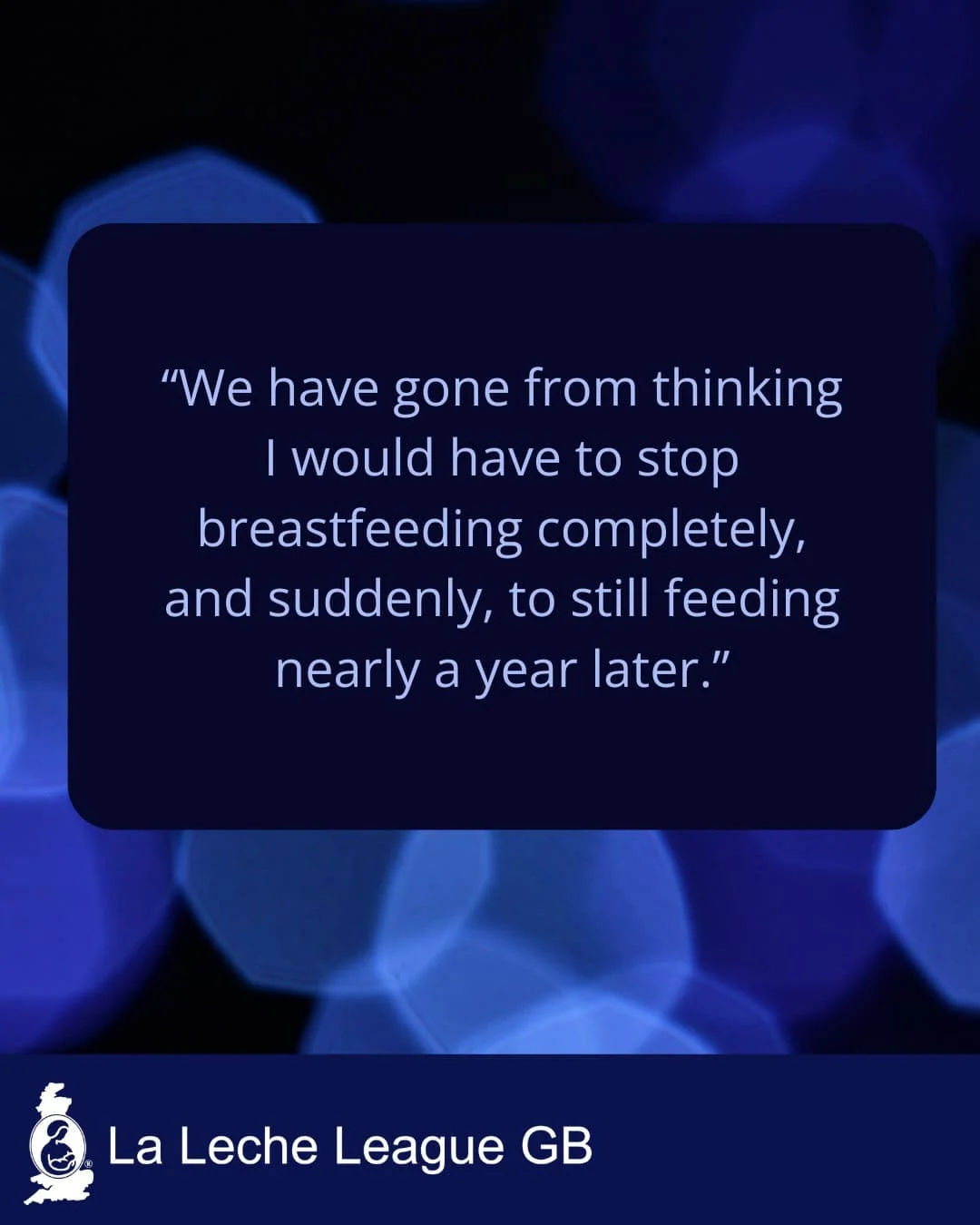
A mother from Yorkshire has shared a compelling account of her determined efforts to continue exclusively breastfeeding her six-month-old daughter following a severe breast injury sustained in a high-speed car crash. The incident, which occurred on a national speed limit road, highlights the critical role of car safety measures, the complexities of post-trauma medical care, and the profound resilience required to maintain infant feeding practices under extreme duress. This unique case sheds light on the challenges mothers can face in unexpected circumstances and the importance of supportive medical approaches.
The Traumatic Incident and Immediate Aftermath
The accident unfolded when the mother, who prefers to remain anonymous, was seated in the back of a vehicle with her six-month-old daughter. Her partner was driving. The crash occurred when another driver unexpectedly turned across their path on a road designated for national speed limits, which in the UK can be up to 70 mph (approximately 112 km/h) for cars. While the front airbags deployed, there were no airbags in the rear of the vehicle. The mother’s seatbelt, though crucial in preventing more severe overall injury, exerted immense pressure on one of her breasts upon impact, causing significant blunt force trauma.
According to data from the Department for Transport in the UK, collisions on national speed limit roads often result in more severe outcomes due to higher impact speeds. Seatbelts are unequivocally proven to save lives and reduce injuries, significantly restraining occupants during a crash. However, the forces involved can still lead to specific, sometimes unusual, injuries, as experienced in this case. The mother’s daughter, secured in a rear-facing car seat, remarkably escaped with only a minor bruise from her harness, a testament to the enhanced safety offered by such restraints for infants. Her partner sustained a burn from the deploying airbag, a common injury despite the life-saving function of these devices. The family expressed immense gratitude for their relative safety given the gravity of the incident.
Immediately following the collision, the injured breast began to swell rapidly, becoming intensely bruised and painful. The family promptly sought emergency medical attention at Accident & Emergency (A&E). Initial assessments focused on general trauma, but the specific breast injury presented an immediate challenge to the mother’s ability to breastfeed her exclusively breastfed infant. Medical staff at A&E arranged for a breast pump to be brought from the maternity ward, a crucial first step in attempting to manage milk production and assess the extent of the damage. However, the attempt yielded minimal milk, which was alarmingly bright red, indicating significant internal bleeding. Fortunately, the uninjured breast continued to produce milk normally, albeit with some minor bruising. The mother was advised to continue pumping the damaged breast, a recommendation aimed at preventing engorgement and potentially maintaining some level of milk production, despite the visible trauma.
Medical Journey: Diagnosis, Drainage, and Dilemmas
Several days post-accident, the mother underwent an ultrasound scan. This initial diagnostic imaging revealed no immediate surgical intervention was possible, indicating soft tissue damage and internal bleeding rather than a critical structural failure requiring immediate repair. The subsequent weeks were characterized by agonizing pain, persistent swelling, and a burning sensation in the injured breast, particularly with movement. The mother’s mobility was severely restricted, rendering her largely housebound and making it difficult to even hold her daughter, a profoundly distressing situation for a new mother.
The persistent pain and swelling necessitated further medical consultation. The mother was referred by her General Practitioner (GP) to a specialized breast clinic. A subsequent ultrasound scan at the clinic provided a clearer picture: a substantial accumulation of fluid within the breast tissue. This fluid, a mix of blood and serous fluid, was a direct consequence of the trauma. In a procedure to alleviate the pressure and pain, a needle aspiration was performed, draining over a pint of liquid. Medical staff reportedly described the appearance of the drained fluid as resembling a "latte," a detail that, while perhaps an attempt to lighten a tense situation, underscored the unusual nature of the injury.
The relief from pain following the drainage was immediate and significant. However, the consultant at the breast clinic issued a stark warning: if the swelling returned, the mother might need to cease breastfeeding altogether from the injured side. This recommendation aimed to halt milk production, thereby reducing fluid accumulation and allowing the breast tissue to heal without the additional strain of lactation. This prospect was deeply upsetting for the mother, who had been exclusively breastfeeding and found immense comfort in the bond it provided with her daughter. Her research into similar cases online had only yielded one comparable instance, where a woman had been advised to stop breastfeeding her newborn after a car crash due to the same type of injury, further intensifying her apprehension. The idea of abruptly denying her daughter both nutrition and comfort was almost unbearable.
The "Wait-and-See" Approach: A Turning Point
Within days, the swelling, though not as severe as initially, did return. The mother revisited the hospital, where another needle aspiration was performed, and she was prescribed antibiotics to prevent potential infection in the traumatized tissue. Crucially, at this juncture, the consultant adopted a more conservative "wait-and-see" approach. Rather than immediately mandating the cessation of breastfeeding, they agreed to allow the mother to continue for the time being, monitoring whether the fluid buildup would naturally reduce over time. This decision proved to be a pivotal moment in the mother’s journey.
Over the ensuing weeks and months, a cycle of drainage procedures ensued. The mother returned to the hospital every few days for further aspirations, with each successive procedure extracting progressively less fluid. Concurrently, she diligently continued pumping the damaged breast every few hours. Initially, the milk expressed was still pink, indicating residual blood. This continuous pumping, though arduous, played a dual role: it helped to prevent stagnation and potential infection while also signaling to the breast that milk production was still needed, even if inefficiently.

This persevering approach, supported by the consultant’s flexibility, gradually yielded positive results. After several months, the fluid accumulation ceased entirely. The small amount of milk produced from the damaged side eventually turned white, signaling a return to normal composition, albeit in reduced quantity. At this point, the mother was able to resume feeding her daughter directly from the injured breast, eliminating the need for constant pumping. The pain significantly subsided, and the breast began to regain a more normal appearance, though a distinct ridge remained where the seatbelt had pressed.
Long-Term Recovery and Adaptation
Approximately nine months after the accident, the mother continues to breastfeed her daughter on both sides. While the injured breast now produces very little milk, it still provides comfort and a continued bonding experience. The unaffected breast has commendably compensated, producing sufficient milk to satisfy her daughter’s nutritional needs. As the daughter has also begun consuming solid foods, the mother’s concerns about milk supply have naturally lessened.
The long-term impact on the injured breast suggests significant damage to the milk ducts. The mother suspects, and medical professionals have been unable to confirm otherwise, that the trauma disrupted the network of ducts, preventing milk from reaching the nipple in most of the affected area. Consequently, that part of the breast likely ceased milk production due to lack of effective drainage and stimulation. The prognosis for a full return of milk supply in the damaged breast remains uncertain, with the mother herself deeming it unlikely.
Physically, the mother acknowledges a degree of asymmetry, or "lopsidedness," due to one breast having undertaken the vast majority of feeding for nearly a year. However, this cosmetic alteration is a small price to pay for the successful continuation of breastfeeding, a stark contrast to the initial prognosis of complete cessation.
Broader Implications: Breastfeeding, Trauma, and Medical Support
This case offers valuable insights for both medical practitioners and breastfeeding advocacy groups. Severe breast trauma, while uncommon, can pose significant challenges to lactation. The initial instinct in such situations might be to advise stopping breastfeeding to facilitate healing, as evidenced by the mother’s initial online research and consultant’s warning. However, this case demonstrates that a carefully managed, "wait-and-see" approach, coupled with diligent self-care and medical monitoring, can preserve breastfeeding for mothers who are determined to continue.
Organisations like La Leche League Great Britain (LLLGB), which often publishes such personal stories, play a vital role in providing information, support, and encouragement to breastfeeding mothers facing a myriad of challenges. Their resources often highlight the adaptability of the lactating body and the profound benefits of continued breastfeeding, even in difficult circumstances. The psychological impact of such an accident on a new mother cannot be overstated. The stress of the crash, the physical pain, the uncertainty of her own health, and the potential threat to her breastfeeding relationship could easily lead to mental health challenges. The ability to continue breastfeeding likely provided a crucial source of comfort and normalcy amidst the chaos.
Furthermore, this narrative underscores the importance of robust car safety regulations and the continuous advancement of vehicle safety technology. While the seatbelt saved the mother’s life, the specific injury it caused highlights the complex biomechanics of crash impacts and the need for ongoing research into occupant protection.
Conclusion and A Message of Hope
The mother’s journey from a traumatic car crash to successfully continuing to breastfeed her daughter nearly a year later is a powerful testament to human resilience and the profound bond between mother and child. Her decision to share her story is driven by a desire to offer hope and practical insight to others who might face similar injuries. It serves as a reminder that even when circumstances seem dire and the medical advice points towards cessation, there can be alternative paths that allow for the continuation of breastfeeding with dedicated medical support and personal perseverance.
This case exemplifies how a flexible medical approach, prioritizing the mother’s wishes and monitoring the body’s healing process, can lead to outcomes initially deemed unlikely. For mothers enduring similar challenges, this story provides compelling evidence that with the right support, continued breastfeeding, even if altered, remains a viable and deeply rewarding possibility.
