

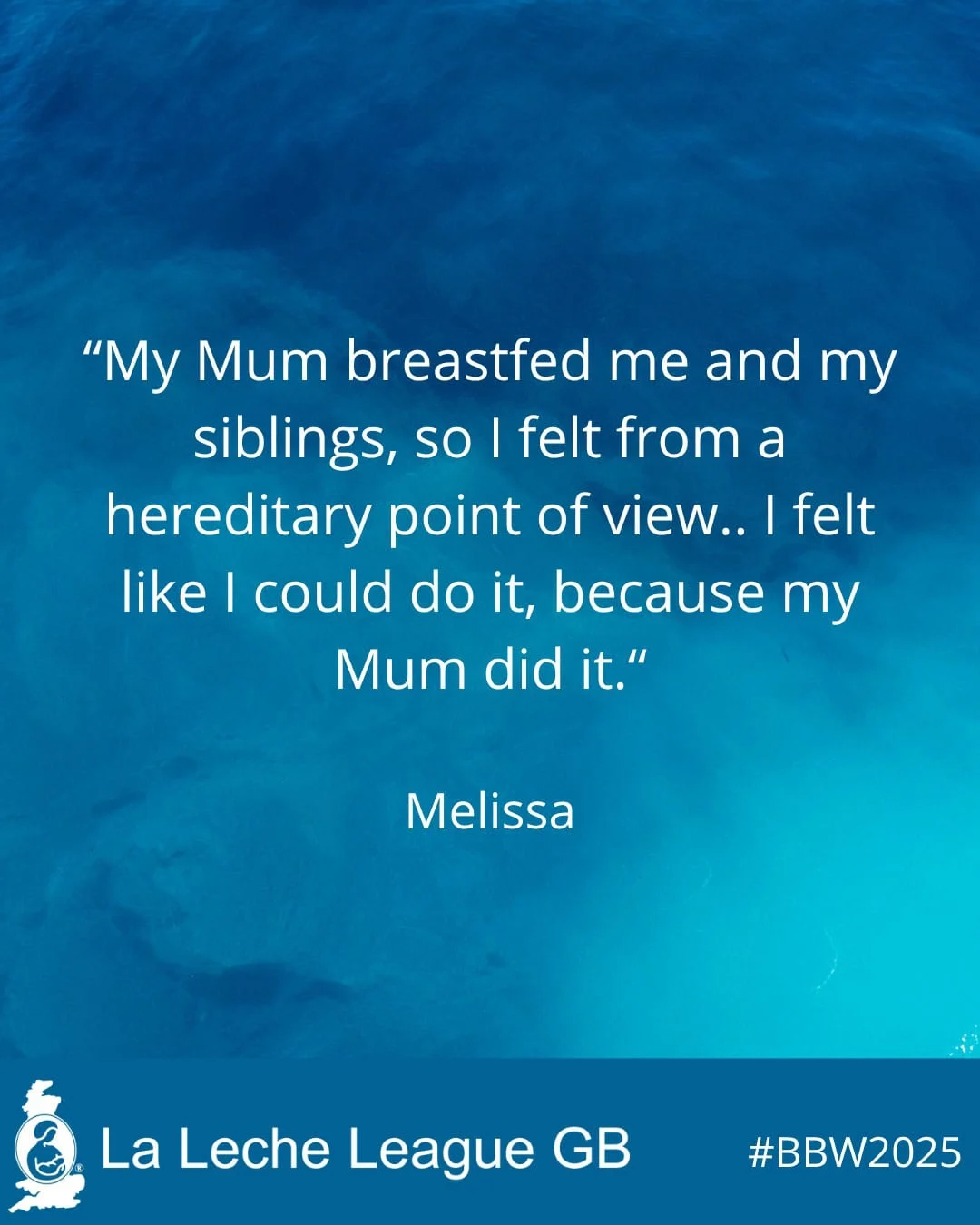
Black Breastfeeding Week, observed annually during the last week of August, serves as a crucial platform to elevate the historically underrepresented voices and lived experiences of Black women in the global breastfeeding conversation. This dedicated week aims to address systemic disparities, celebrate cultural heritage, and foster a supportive community for Black mothers and their families. Within this significant observance, organisations like La Leche League (LLL) underscore the profound power of personal narratives, recognising that shared stories are fundamental in connecting individuals to a broader network of peer support and collective learning. Melissa, a mother from London, recently shared intimate audio notes detailing her breastfeeding journey, captured authentically while nurturing her five-month-old to sleep, offering a poignant illustration of the everyday realities and triumphs faced by Black mothers.
The Genesis and Significance of Black Breastfeeding Week
The establishment of Black Breastfeeding Week in 2012 by three prominent Black maternal health advocates – Kimberly Seals Allers, Kiddada Green, and Anayah Sangodele-Ayoka – was a direct response to a glaring absence of representation and tailored support for Black families within the broader breastfeeding movement. For decades, statistics consistently revealed lower breastfeeding initiation and duration rates among Black women compared to their white counterparts in countries like the United States and the United Kingdom. This disparity is not merely a statistical anomaly but a deeply rooted issue intertwined with historical trauma, socio-economic factors, and systemic biases within healthcare.
Historically, the narrative surrounding Black women and breastfeeding has been complex and often painful. During slavery, many enslaved Black women were forced to act as wet nurses for their enslavers’ children, often at the expense of nourishing their own infants. This traumatic legacy contributed to a cultural disconnect from breastfeeding for generations, as formula feeding became, for some, a symbol of freedom from forced labour and the ability to reclaim bodily autonomy. In the post-slavery era, aggressive marketing tactics by formula companies disproportionately targeted Black communities, further eroding breastfeeding rates. Compounded by inadequate access to culturally competent healthcare providers, a lack of paid parental leave, and societal stigma, these factors created significant barriers that persist to this day. Black Breastfeeding Week was thus conceived not just as a celebration, but as an urgent call to action, demanding recognition, resources, and respect for Black breastfeeding families. Its objectives include celebrating Black lactation, providing targeted support, addressing racial inequities in maternal and child health, and fostering community solidarity.
Understanding the Disparities: Data and Health Implications
Statistical data consistently highlights the urgent need for initiatives like Black Breastfeeding Week. In the United States, for instance, while national breastfeeding initiation rates have risen, significant racial disparities persist. According to the Centers for Disease Control and Prevention (CDC), in 2018, 73.3% of Black infants were ever breastfed, compared to 85.9% of white infants and 84.1% of Hispanic infants. The disparities become even starker when examining exclusive breastfeeding rates and duration. Black mothers are less likely to exclusively breastfeed for the recommended six months and often discontinue breastfeeding earlier than mothers of other racial groups.
Similar trends are observed in the United Kingdom. While specific data on Black breastfeeding rates can be harder to disaggregate from broader ethnic minority groups, general statistics from Public Health England (now UK Health Security Agency) and Unicef UK Baby Friendly Initiative suggest that mothers from certain ethnic minority backgrounds may face additional challenges and often report lower rates of breastfeeding continuation. These disparities are not benign; they have significant health implications. Breastfeeding is widely recognised by global health organisations, including the World Health Organization (WHO), as a critical intervention for improving maternal and infant health outcomes. Infants who are breastfed have a lower risk of sudden infant death syndrome (SIDS), respiratory infections, ear infections, asthma, obesity, and type 2 diabetes. Mothers who breastfeed experience reduced risks of breast and ovarian cancers, type 2 diabetes, and postpartum depression. When Black mothers face systemic barriers that prevent them from achieving their breastfeeding goals, these health benefits are disproportionately withheld, exacerbating existing health inequities. Addressing these gaps is therefore a matter of social justice and public health.
Melissa’s Journey: Navigating Perceptions and Building Community
Melissa’s audio diary, shared through La Leche League, offers an invaluable qualitative lens into these quantitative realities. Her narrative begins by exploring her pre-conceived notions about breastfeeding. Prior to having her own children, many individuals, particularly within communities where breastfeeding rates have historically been low, may have limited exposure to it. Melissa’s reflections on whether anyone else in her family had breastfed touch upon the generational impact of formula feeding and the breakdown of traditional knowledge transfer. For many Black women, a lack of visible breastfeeding role models within their immediate families and communities can make the journey feel isolating and unsupported.
Her exploration of friends’ and family’s attitudes towards breastfeeding further illuminates the societal landscape. While some may offer unwavering encouragement, others might express discomfort, offer unsolicited advice, or even suggest formula as a quicker, easier alternative. These reactions often stem from a lack of understanding, cultural norms, or personal experiences. Navigating these varied responses requires resilience and a clear sense of purpose. Melissa’s journey likely involved confronting these external influences while solidifying her own resolve.
A crucial part of Melissa’s narrative involves her reflections on what she wished she had known before embarking on her feeding journey and the barriers she faced. Common barriers for Black mothers include a lack of culturally sensitive care from healthcare providers who may not understand their unique challenges or historical context; workplace policies that do not adequately support pumping or breaks; financial pressures that necessitate an early return to work; and a pervasive lack of visible representation in media and public spaces. Melissa’s experience, while unique to her, resonates with countless others who encounter practical difficulties such as latch issues, milk supply concerns, pain, and exhaustion, compounded by the emotional toll of feeling unrepresented or unsupported. The simple act of walking around to get her five-month-old to sleep while recording her thoughts underscores the multitasking and dedication inherent in a mother’s life, especially when breastfeeding.
The turning point for many mothers facing these challenges is finding useful sources of help and support. Melissa’s insights into what proved beneficial on her nursing journey highlight the critical role of accessible, empathetic, and informed assistance. This could range from lactation consultants and peer support groups to trusted online resources or understanding healthcare professionals. For Black mothers, culturally competent support is paramount – care providers who acknowledge and validate their experiences without judgment.
Ultimately, Melissa’s story culminates in the powerful theme of building a supportive community. In her words, "I needed a likeminded community." This statement encapsulates the core philosophy of organisations like La Leche League. Breastfeeding is not just a physiological act; it is a profound journey that benefits immensely from shared experiences, mutual encouragement, and a sense of belonging. For Black mothers, this community provides a vital space where they can see themselves reflected, find validation, and draw strength from others who understand their specific triumphs and struggles. This community becomes a sanctuary against isolation and a powerful engine for empowerment.
La Leche League: A Global Network of Mother-to-Mother Support
La Leche League International, founded in 1956, has built its global mission on the principle of mother-to-mother support, information, and encouragement. LLL Leaders, who are experienced breastfeeding mothers, volunteer their time to help other parents through meetings, phone calls, and online interactions. The organisation’s commitment to inclusivity means actively seeking out and amplifying voices from all communities, especially those historically marginalised. The emphasis on "stories matter" is central to LLL’s approach, as personal narratives foster empathy, disseminate practical wisdom, and dismantle the myth of the "perfect" breastfeeding experience.
During Black Breastfeeding Week, LLL’s dedication to giving voice to Black women becomes even more pronounced. By featuring stories like Melissa’s, LLL not only provides practical advice but also creates vital representation. This representation is crucial for normalising Black breastfeeding, challenging stereotypes, and demonstrating the diversity of breastfeeding experiences. The invitation for others to share their stories for "Breastfeeding Matters," LLL’s member publication, or to attend a meeting, reinforces the organisation’s belief that every story has the potential to inspire, inform, and heal. It is an acknowledgment that within each individual journey lies universal truths and specific cultural insights that can profoundly impact another mother’s path.
Broader Impact and Implications for Health Equity
The amplification of Black women’s breastfeeding stories, as exemplified by Melissa’s contribution, carries significant broader implications for public health and social equity. By addressing the unique challenges faced by Black mothers and celebrating their resilience, Black Breastfeeding Week and supporting initiatives contribute to a larger movement for health equity. When breastfeeding rates improve in communities that have historically faced barriers, it directly impacts the health outcomes for both mothers and children, potentially narrowing the gap in health disparities.
Beyond individual health, these efforts foster a cultural shift. Increased visibility of Black breastfeeding normalises the practice within Black communities, challenging historical narratives and promoting a positive, empowering image of Black motherhood. This can lead to increased confidence, stronger community networks, and a greater demand for culturally competent support services. It also puts pressure on healthcare systems, policymakers, and workplaces to implement changes that better support breastfeeding parents, such as comprehensive paid family leave, accessible lactation support, and protections for breastfeeding mothers in the workplace.
In conclusion, Black Breastfeeding Week is more than just an annual observance; it is a vital movement dedicated to justice, equity, and celebration. Through the powerful sharing of personal experiences, such as Melissa’s poignant audio diary, La Leche League plays a crucial role in giving voice to those whose stories have long been unheard. These narratives are not merely anecdotes; they are foundational to building resilient communities, challenging systemic inequalities, and forging a future where every mother, regardless of her background, has the support and resources needed to achieve her breastfeeding goals. The call for more stories, more voices, and more shared experiences remains an urgent and essential invitation for collective progress.
