

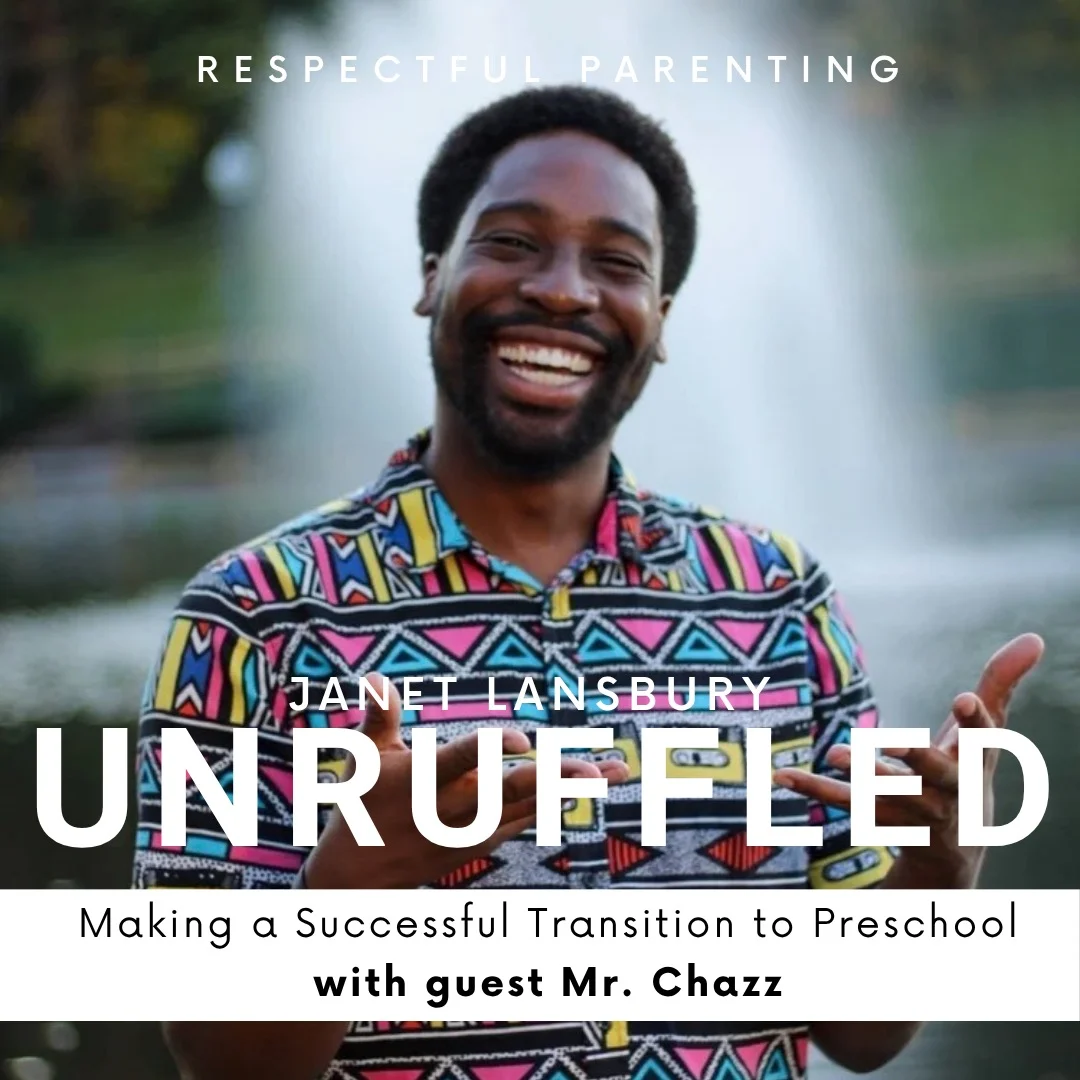
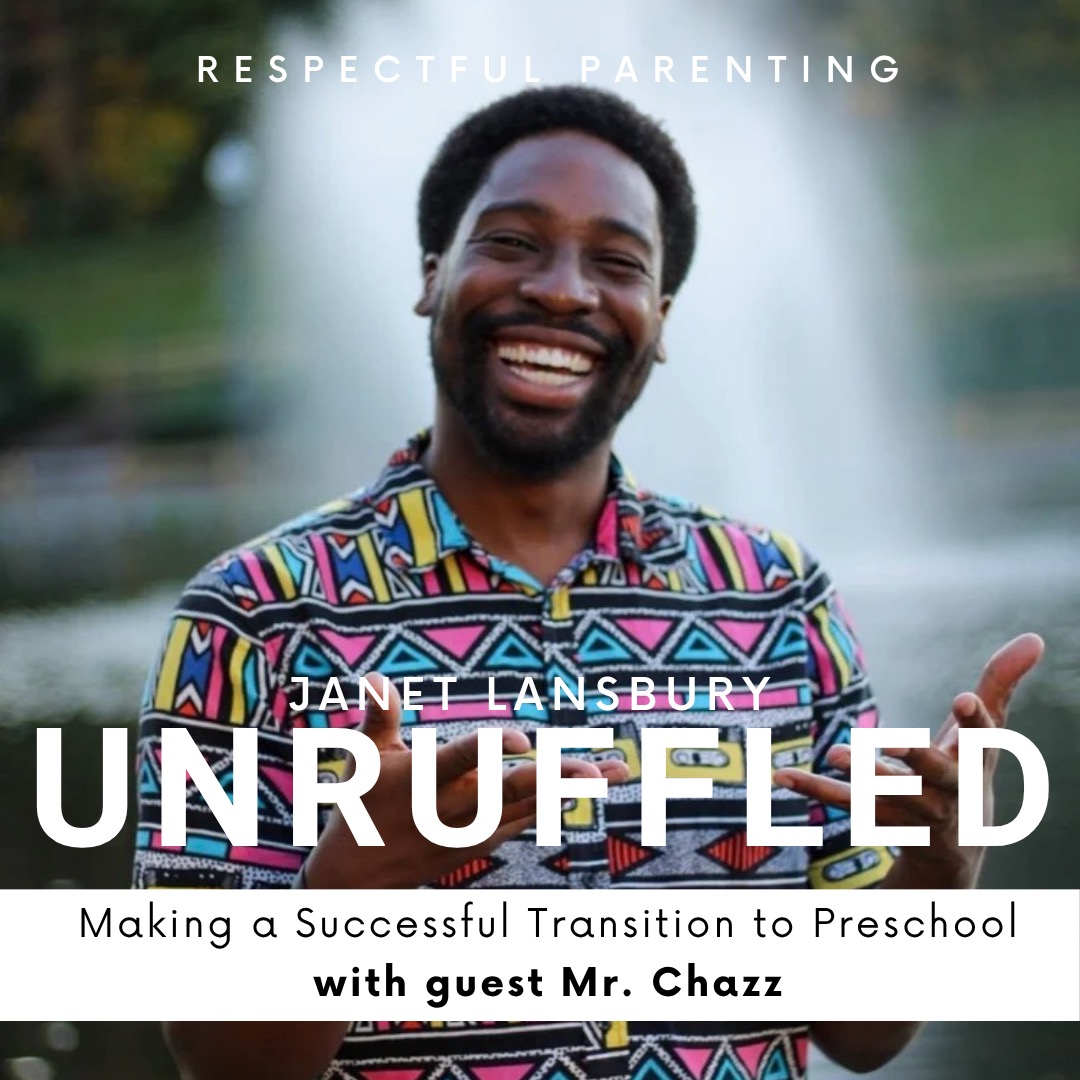
Iconic educator Mr. Chazz, known for his engaging presence and profound understanding of child development, recently shared invaluable insights with Janet Lansbury on navigating the often-challengous transition to preschool and childcare settings. In a comprehensive discussion, Mr. Chazz outlined his philosophy and practical strategies, emphasizing the critical role of trust, connection, and a shift in perspective for both parents and educators. His approach, exemplified by his innovative childcare center, Birdhouse, in Brooklyn, offers a model for fostering positive early childhood experiences.
The "Arrival" and "Reunion" Framework: Redefining Preschool Transitions
Mr. Chazz, celebrated as "America’s favorite teacher" for his ability to connect with children and adults alike, has been a prominent voice in early childhood education, particularly through his substantial following on platforms like TikTok and Instagram, and his podcast, "Learning Curve with Mr. Chazz." His recent venture, Birdhouse, a learning and childcare center, serves as a testament to his commitment to creating an optimal environment for young children.
A core tenet of Mr. Chazz’s approach is the reimagining of the conventional "drop-off" and "pick-up" routines. He contends that these terms, and the associated practices, often prioritize adult convenience over the child’s emotional well-being. Instead, Birdhouse has adopted the terminology of "arrival" and "reunion." This subtle yet significant linguistic shift underscores a fundamental change in philosophy.
"Instead of it being this quick drop-off and pick-up, we wanted to focus more on the connection aspect of all of this," Mr. Chazz explained. The "arrival" period at Birdhouse is designed as a deliberate integration into the classroom environment. This includes activities like children and parents washing hands together, fostering a sense of shared experience and preparation. This extended integration process, while requiring more time than a hurried departure, is crucial for establishing a sense of safety and connection, enabling children to transition more readily into learning and play.
The Role of Visuals and Predictability
To support this structured "arrival" process, Birdhouse utilizes visual aids, often in the form of routine cards. These visual schedules, laid out from left to right, depict each step of the arrival process, providing a clear roadmap for both children and parents. This predictability is particularly beneficial for young children who thrive on routine and understanding what to expect.
"Introducing it, I point to each thing like, ‘Oh, you’re here.’ The first thing we do is we greet each other and say hello," Mr. Chazz elaborated. Over time, children become familiar with these visuals, pointing to the next step themselves, and eventually internalizing the routine, leading to increased independence and reduced friction during transitions.
This visual cue system extends to practicalities like removing shoes, a common practice in New York City childcare centers to maintain hygiene. The presence of shoe prints on the floor further reinforces this step, making it a clear and actionable part of the arrival sequence.
Addressing Separation Anxiety Through Connection and Trust
A significant challenge for many children entering preschool is separation anxiety. Mr. Chazz emphasizes that this anxiety is a natural response to leaving a primary caregiver, a reflection of the strong bond between parent and child. He reframes this not as a weakness in the child, but as a testament to their capacity for deep love and connection.
"Kids are in love with us. How would we expect them to just, ‘Bye, see you! I don’t care.’ Of course they’re going to have feelings about that. They’re saying goodbye to their loved one. It’s a nice thing that they love us that much. It’s not a weakness in them, it’s a strength," he asserted.
Birdhouse’s strategy to mitigate separation anxiety centers on building a strong connection before the parent leaves. This includes allowing parents to visit the classroom with their child for a week or two prior to their official start date. During these visits, children can observe the routines, interact with the "safekeepers" (a term Mr. Chazz prefers over "teachers" to emphasize their protective role), and begin to feel safe and connected to the environment and the adults within it.
"If the child does have a hard time when the parent leaves, they have a safe person to go to. It’s really hard to help that child work through the big emotions of separating from their parent if they’re not already connected with you, if they’re not already safe with you," he stated.
The "Safekeeper" Model: Nurturing Educators for Nurturing Children
A crucial element of Mr. Chazz’s innovative model is his focus on supporting the educators themselves. At Birdhouse, the head teacher lives in an apartment above the school. This arrangement addresses a critical issue in early childhood education: teacher burnout and high turnover, often exacerbated by financial instability and lack of support.
"Teachers don’t feel like they’re in their own survival state. They can really lend their prefrontal lobes and really care for the children because they feel cared for and they’re not in a survival state," Mr. Chazz explained. This ensures that educators are emotionally and mentally available to provide the consistent, high-quality care that children need.
This commitment to teacher well-being is directly linked to child well-being. Research consistently shows a correlation between teacher satisfaction and child outcomes. A meta-analysis published in the Journal of School Psychology in 2022 found that supportive work environments for teachers led to improved student engagement and academic performance. By reducing teacher stress and fostering a sense of commitment, Birdhouse aims to create a stable and nurturing environment for children, thereby reducing turnover and providing the consistency that families value.
Navigating Difficult Emotions: A Learning Opportunity
Mr. Chazz acknowledges that even with the most thoughtful preparation, some children will experience distress upon separation. He advocates for viewing these moments not as failures, but as powerful learning opportunities for both the child and the adults involved.
He recounted an instance where a child experienced prolonged crying throughout circle time, missing their mother. Instead of trying to suppress the emotion or ignore it, the educators acknowledged the child’s feelings, explaining to the other children that their peer was sad and missing his mom. The classroom then engaged in a collective deep breath for the child, a practice that not only supported the distressed child but also helped the other children learn self-regulation.
"Emotions are contagious. ‘Ooh, I’ve got a feeling like there’s some big emotions going on over there. What can we do to help?’ We can breathe and we can send loving energy to the child," he explained. This approach teaches empathy, emotional literacy, and co-regulation, skills essential for healthy social and emotional development.
The Power of Observation and Reflection
Mr. Chazz utilizes a sophisticated approach to professional development for his staff, employing cameras not for surveillance, but for reflective practice. These recordings allow educators to analyze interactions, identify areas for growth, and share insights.
"We use cameras as reflection, as really powerful learning opportunities," he stated. This practice aligns with established pedagogical principles that emphasize observation and reflection as key components of effective teaching. By reviewing interactions, educators can better understand a child’s cues, adjust their responses, and refine their techniques for connecting with children on their terms.
This method is particularly valuable in helping educators, who may not possess innate intuition, develop the skills to observe children’s interests and respond accordingly. As Mr. Chazz noted, "Often I will go back if there was a moment I think would be helpful for my other safekeepers to see, I’m able to go back to that time and send it to our little group chat that we have and we have these conversations about it."
Beyond the Ideal: Strategies for Traditional Settings
While Birdhouse offers a model for an ideal transition environment, Mr. Chazz recognizes that most parents and educators will encounter more traditional childcare settings. He offers practical advice for navigating these situations:
- Visual Routine Cards: Parents can create simple visual schedules at home to prepare children for the school day routine. This provides a sense of predictability and helps children understand the sequence of events.
- Role-Playing: Practicing the arrival and departure routine at home through play can significantly reduce anxiety. This allows children to familiarize themselves with the steps involved in a safe and playful context.
- Pre-Visit Opportunities: If possible, inquire about opportunities for children to visit the classroom before their official start date. Even brief visits can help children acclimate to the environment and the adults.
- Detailed Communication with Educators: Providing educators with detailed information about a child’s preferences, routines, and any specific needs (e.g., naptime rituals, favorite toys) is invaluable. This helps teachers build rapport and understand each child’s unique "code."
Mr. Chazz also emphasizes the importance of parental self-regulation during drop-off. "Recognize that it just is. We don’t have to judge it even as good or bad. It’s just that things can happen," he advised. This perspective shift can help parents remain calm and confident, which in turn reassures the child.
The Enduring Value of Early Childhood Education
Mr. Chazz’s dedication to being present in the classroom, despite opportunities for broader speaking engagements, underscores his belief in the profound impact of direct engagement with children. He describes this as "going a mile wide versus a mile deep," prioritizing the deep, meaningful work of supporting children and families in the classroom.
"There’s nothing more rewarding than being with my kids day in and day out and supporting them and practicing my skills and supporting the parents and teaching the parents," he stated. This sentiment resonates deeply within the early childhood education community, highlighting the immense emotional labor and profound rewards of this critical profession.
Janet Lansbury echoed this sentiment, acknowledging the continuous learning and emotional depth involved in working with young children. "The children teach you so many things, the important things in life, I feel like," she reflected.
The conversation between Mr. Chazz and Janet Lansbury serves as a powerful reminder of the foundational importance of early childhood education. By prioritizing connection, trust, and a deep understanding of child development, educators and parents can work collaboratively to ensure that the transition to preschool is not just a logistical necessity, but a positive and enriching experience that sets the stage for lifelong learning and well-being. The insights shared offer practical guidance and a hopeful vision for the future of early childhood education, emphasizing the transformative power of thoughtful, child-centered approaches.
