

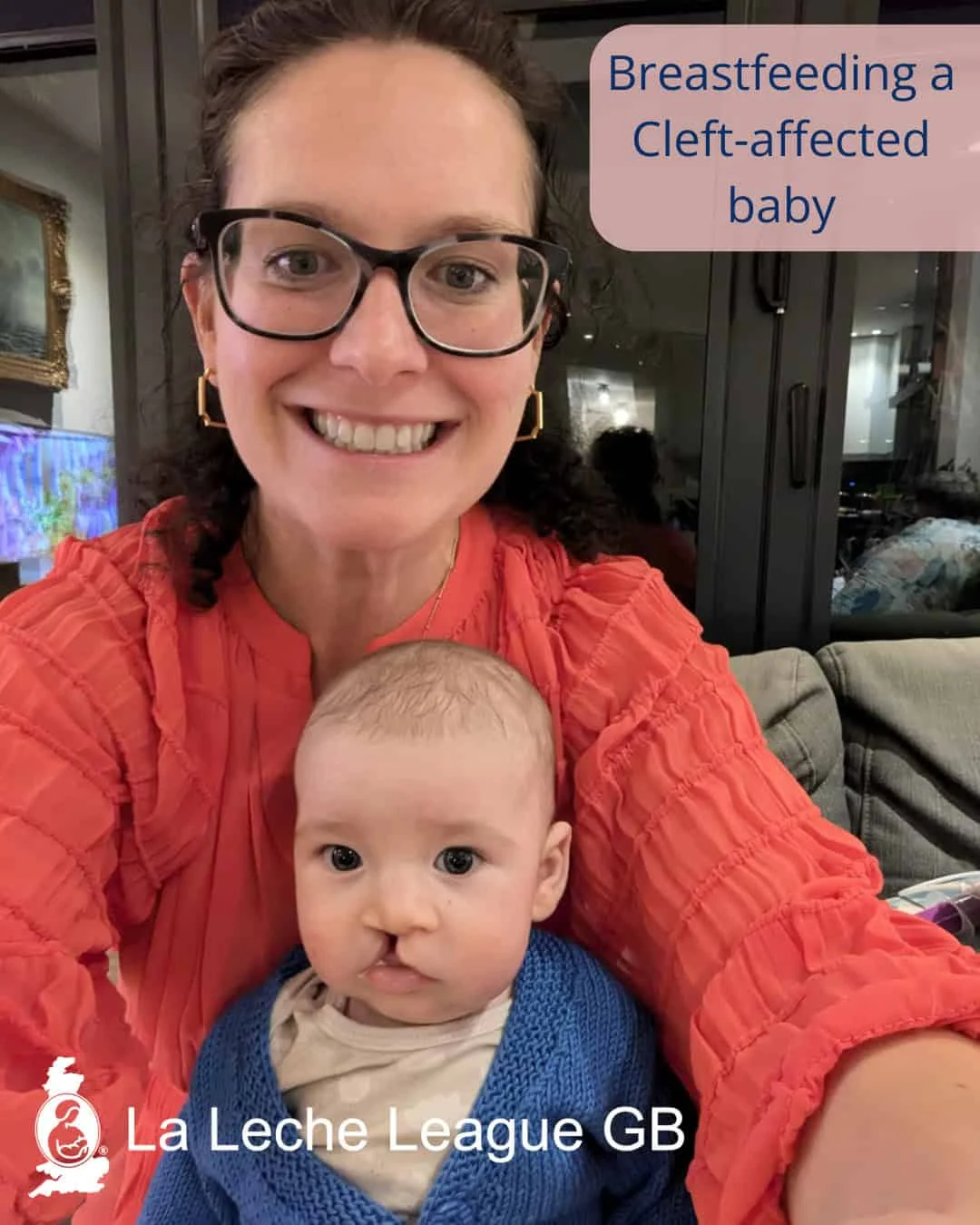
A cleft lip or palate occurs when the structures forming the baby’s upper lip or roof of the mouth fail to fuse during early fetal development. This congenital anomaly affects approximately 1 in 700 live births globally, presenting unique challenges for infant feeding, particularly breastfeeding. While many infants with a cleft lip can breastfeed successfully with adaptations, those born with a cleft palate typically cannot generate the necessary suction pressure to efficiently remove milk from the breast until surgical repair. This distinction underscores the complex interplay of anatomy, physiology, and maternal perseverance required for successful breastfeeding in this population.
Understanding Cleft Lip and Palate: A Medical Overview
Cleft lip and palate are among the most common congenital birth differences. A cleft lip involves an opening in the upper lip, which can range from a small notch to a complete separation extending into the nose. A cleft palate involves an opening in the roof of the mouth, connecting the oral cavity to the nasal cavity. These conditions can occur independently or together, and can be unilateral (one side) or bilateral (both sides). The exact cause is often multifactorial, involving a combination of genetic predispositions and environmental factors during pregnancy, such as certain medications, nutrient deficiencies (like folic acid), or exposure to toxins.
The impact of a cleft on feeding stems directly from its anatomical disruption. For infants with a cleft lip, the primary difficulty lies in forming a tight seal around the nipple and areola, leading to milk leakage and inefficient latch. However, the integrity of the palate typically allows for some suction generation. In contrast, a cleft palate creates a direct opening between the mouth and nose, preventing the creation of negative pressure essential for sucking. This results in an inability to draw milk effectively, often leading to prolonged feeding times, excessive air intake, and nasal regurgitation of milk.
The Crucial Role of Human Milk for Cleft-Affected Infants
For any infant, human milk is recognized as the optimal source of nutrition, offering unparalleled immunological, developmental, and nutritional benefits. For babies born with a cleft lip or palate, these benefits are even more profound. Breast milk provides antibodies and immune factors that protect against infections, which are particularly vital for infants facing multiple surgeries and potential hospitalizations. It is also easily digestible, reducing gastrointestinal distress. Furthermore, the anti-inflammatory properties of human milk can aid in healing and recovery following surgical interventions. Studies consistently demonstrate that breastfed infants with clefts experience fewer ear infections, lower respiratory tract infections, and better overall growth trajectories compared to their formula-fed counterparts. This reinforces why healthcare professionals and support organizations, such as La Leche League (LLL), strongly advocate for maintaining a mother’s milk supply, even if direct breastfeeding is not immediately possible.

Antenatal Diagnosis and Early Intervention: Laying the Groundwork
The diagnosis of a cleft lip or palate can often occur antenatally during routine ultrasound scans, typically around the 20th week of pregnancy. This early detection offers invaluable time for prospective parents to prepare, research, and connect with specialized healthcare teams. Upon diagnosis, families are usually referred to a multidisciplinary cleft team, which may include plastic surgeons, ear, nose, and throat (ENT) specialists, speech and language therapists, orthodontists, geneticists, pediatricians, and crucially, lactation consultants or feeding specialists. This comprehensive approach ensures that parents receive coordinated care and detailed guidance on feeding strategies, surgical timelines, and long-term developmental support. Pre-birth counseling with a lactation consultant can be particularly beneficial, allowing parents to understand the potential feeding challenges and explore options like expressing milk, preparing for alternative feeding methods, and identifying local support networks.
Navigating the Initial Feeding Journey: Perseverance and Support
Discovering that a baby is cleft-affected can be overwhelming, and questions about breastfeeding are often at the forefront of parents’ minds. While the journey may demand significant perseverance and robust support, breastfeeding is indeed achievable for many families. The initial days and weeks are often the most challenging, as both parent and baby adapt to the unique feeding dynamics.
Establishing and Maintaining Milk Production: A Top Priority
Regardless of whether an infant feeds directly from the breast, establishing and maintaining a robust milk supply is the foundational priority. This ensures a consistent supply of precious human milk for the baby and keeps the option open for direct breastfeeding as the baby grows or after surgical repair. For infants unable to breastfeed efficiently, consistent milk removal through expression is critical.
- Timing: Ideally, milk expression or initial attempts at direct feeding should commence within the first few hours after birth. This early stimulation helps to signal the mother’s body to initiate lactation.
- Frequency: In the crucial first month post-partum, mothers typically need to breastfeed or express milk at least 8-12 times within a 24-hour period. This frequent removal of milk is essential to "upregulate" milk production, establishing a full supply. Breasts operate on a supply-and-demand principle; the more milk removed, the more milk will be produced.
- Method: For mothers needing to express all or most of their milk, a double electric "hospital-grade" breast pump is generally the most efficient tool. These pumps offer stronger suction and more effective milk removal compared to personal-use pumps. Cleft specialist nurses can often facilitate the loan or rental of such pumps, alleviating a financial burden. Some mothers also find success with smaller, wearable pumps or manual hand expression, often in combination. Resources on expressing and storing milk are readily available from organizations like La Leche League.
Maintaining a full milk supply while an infant cannot efficiently feed at the breast is undoubtedly demanding. Practical support from partners, family, and friends for household chores, meal preparation, and caring for other children can significantly alleviate the burden, allowing the mother to focus on her baby and milk production. While the initial weeks are intense, many mothers report that they can eventually express less often while still maintaining the same milk volume as their bodies become more efficient producers.

Feeding in the Early Days: Bridging the Gap
In the immediate post-birth period, newborns consume small volumes of colostrum, the nutrient-rich "first milk." If a cleft-affected baby cannot take enough milk directly from the breast, various methods can be employed to provide expressed human milk, donor milk (if available and chosen), or formula supplements.
- Syringes and Teaspoons: These are useful for delivering small amounts of colostrum in the first day or two. However, as milk production increases, they quickly become impractical for the larger volumes babies require.
- Specialized Bottles: A range of bottles and teats specifically designed for cleft-affected babies are available. These often feature softer teats, longer nipples, or one-way valves that allow milk to flow without requiring strong suction. Examples include the Haberman Feeder (SpecialNeeds Feeder) or Dr. Brown’s Specialty Feeding System. Cleft specialist nurses are invaluable resources for advising on the most suitable type for an individual baby’s specific cleft presentation.
- Nursing Supplementers (Supplemental Nursing Systems/Lactation Aids): These devices offer a unique pathway for infants to feed at the breast while receiving supplemental milk through a thin tube positioned next to the nipple. Nursing supplementers are a powerful tool for maintaining skin-to-skin contact, stimulating the mother’s milk supply, and allowing the baby to practice oral motor skills at the breast, even if they cannot generate adequate suction.
Utilizing Nursing Supplementers: A Path to At-Breast Feeding
Nursing supplementers bridge the gap between a baby’s inability to fully breastfeed and a mother’s desire to provide milk at the breast. They can foster a strong bond, provide comfort, and encourage the development of appropriate sucking patterns. Sarah, a mother who successfully used a supplementer with her son, Russell, who had a cleft palate, shared her experience: "A friend said she had wondered why I was going to all this effort to bridge the gap until potentially breastfeeding after Russ’s palate surgery, but on seeing us feed she said she got it: I was already breastfeeding. Another friend saw us feeding from across a restaurant table and said, ‘Oh, so the worries about Russ not being able to breastfeed didn’t come to fruition!’ Comments like these make me feel so happy I could cry." Her story highlights the profound emotional and psychological benefits of maintaining the breastfeeding relationship.
There are several types of nursing supplementer systems:
- Tube taped to the breast: A simple tube connected to a syringe or bottle of milk, taped near the nipple.
- Bag or bottle system: A reservoir of milk connected to tubes that are placed at the breast.
- Syringe-fed supplementer: A tube connected directly to a syringe, allowing for controlled delivery of milk.
For babies with a cleft palate, who often lack the suction required for efficient milk transfer, the supplemental milk may need to be actively delivered rather than relying solely on the baby’s efforts. If using a bag or bottle system, gentle squeezing can encourage milk flow. Creating a small vent hole in the bottle or bag can also facilitate gravity-fed flow.
A common method involves using a syringe with the supplementer tube:

- Fill a syringe with expressed breast milk.
- Attach the supplementer tube to the syringe.
- Tape the tube to the breast, ensuring the end extends slightly past the nipple into the baby’s mouth.
- Once the baby latches and begins to suck, gently depress the syringe plunger to deliver milk as needed, coordinating with the baby’s suck-swallow rhythm.
Tips for using a nursing supplementer include ensuring the baby has a deep latch, positioning the tube correctly, and managing the milk flow to prevent overwhelming the baby. While initially tricky, with practice and support, many families find their rhythm, allowing them to enjoy the benefits of at-breast feeding. Organizations like La Leche League provide detailed guidance on cleaning and maintaining these systems.
Optimizing Feeding Positions for Cleft-Affected Babies
Finding a comfortable and effective feeding position is highly individualized for each parent and baby. There is no single "right" way, and experimentation is often necessary. The goal is to facilitate a deep latch, minimize air intake, and manage milk flow.
- Upright Positions: Holding the baby in a more upright or semi-upright position can help gravity assist milk flow, reduce nasal regurgitation, and minimize air swallowing. The "football hold" or "rugby hold" is often recommended, as it allows the mother to support the baby’s head and neck while keeping the body tucked alongside her.
- Cradle Hold: While a common breastfeeding position, adaptations may be needed. Ensuring the baby is tummy-to-tummy and well-supported can help.
- Cross-Cradle Hold: This position allows the mother to support the baby’s head and neck with the hand opposite the feeding breast, offering greater control over positioning and latch.
- Lying Down: Some mothers find comfort and effectiveness in side-lying positions, especially for night feeds.
Regardless of the position, key considerations include ensuring the baby’s head is slightly higher than their stomach, supporting the baby’s jaw and cheeks to improve oral seal, and gently compressing the breast tissue to encourage milk flow, especially for babies with cleft lip.
The Surgical Journey and Post-Operative Feeding
The surgical correction of cleft lip and palate is typically staged. Cleft lip repair usually occurs between 3 to 6 months of age, while palate repair is generally performed between 9 to 18 months. These surgeries are critical for improving feeding, speech development, and dental health.
For infants who were unable to feed directly from the breast prior to surgery, the period immediately following palate repair marks a significant milestone. However, it’s important for parents to understand that a transition back to direct breastfeeding may not be immediate or effortless. Babies sometimes struggle to feed at the breast for several weeks post-surgery as they adapt to their new oral anatomy, build strength, and heal. During this recovery phase, maintaining a strong milk supply through continued expression remains paramount. Breast milk not only provides optimal nutrition but also contains growth factors and immune components that actively support healing and reduce the risk of post-operative complications.

Healthcare providers often recommend specific post-operative feeding protocols, which may include using specialized soft-tipped feeders or syringes to protect the surgical site. Pacifiers and bottles that require strong suction are usually avoided for a period to prevent stress on the repaired palate. Gradually, as the baby heals and gains strength, direct breastfeeding can be reintroduced, often with the continued guidance of a lactation consultant. The earlier exposure to the breast through supplementers can significantly aid this transition, as the baby "remembers" the action and comfort of nursing.
Psychosocial Impact and Parental Support
The journey of parenting a cleft-affected child is often emotionally demanding. Beyond the medical complexities, families navigate a landscape of uncertainty, anxiety, and sometimes social stigma. The intensive feeding routines, coupled with the anticipation of multiple surgeries, can lead to significant parental stress and fatigue. Support networks are therefore invaluable. La Leche League Leaders, specialized cleft nurses, and peer support groups provide emotional validation, practical advice, and a sense of community. Sharing experiences, as Sarah did, can empower parents and normalize the challenges they face. Mental health support services can also play a crucial role in helping parents cope with the emotional toll and foster resilience.
Broader Implications and Future Outlook
The comprehensive management of cleft lip and palate extends far beyond infancy, encompassing long-term follow-up for speech therapy, orthodontics, audiology, and psychological support. The early nutritional foundation provided by breast milk contributes positively to overall health outcomes throughout this journey. Research continues to explore genetic factors, improved surgical techniques, and enhanced feeding interventions to optimize care for these children. Public health initiatives aim to raise awareness, reduce stigma, and ensure equitable access to specialized cleft care, recognizing that a holistic approach is essential for these children to thrive.
In conclusion, breastfeeding a cleft-affected baby is a testament to parental dedication and the remarkable adaptability of the human body. While the initial diagnosis and subsequent feeding journey present unique obstacles, the availability of specialized knowledge, innovative feeding aids, and unwavering support from healthcare professionals and peer groups makes successful breastfeeding a tangible reality for many. The profound benefits of human milk, coupled with the intimate bonding experience of nursing, underscore the importance of empowering families to pursue this path, ensuring that every cleft-affected infant has the best possible start in life.
