

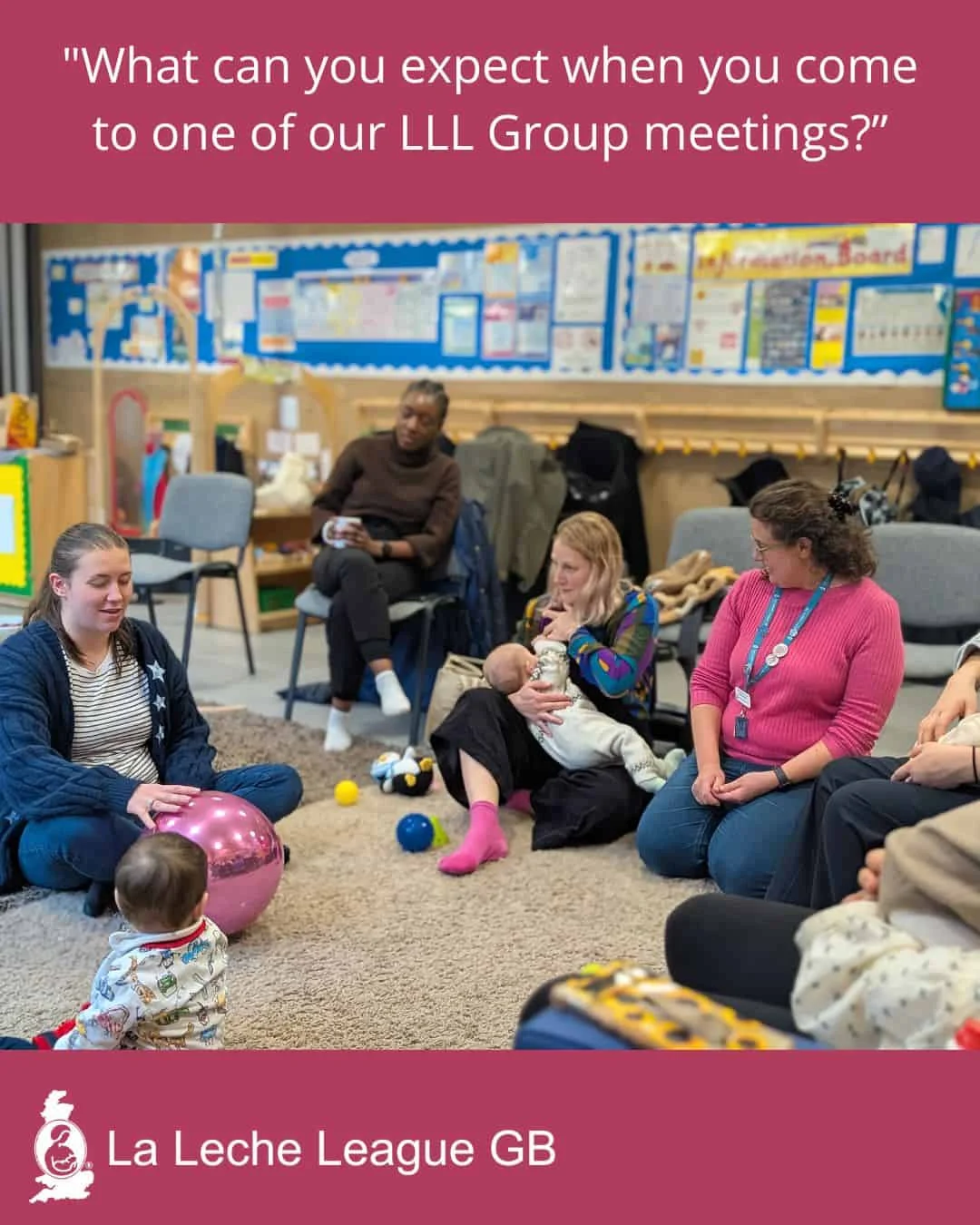
The recent La Leche League (LLL) Barnet circle meeting offered a poignant and deeply insightful forum for mothers grappling with the intricate challenges of returning to work while continuing to breastfeed. The gathering, held on [insert hypothetical date, e.g., a recent Tuesday morning] at [insert hypothetical location, e.g., a community centre in North London], brought together a diverse cohort of women – solo mothers, those with older children at home, and new mothers with infants ranging from three to 20 months. This rich tapestry of experiences underscored the universal yet uniquely personal nature of maternal journeys, particularly when navigating significant life transitions. The discussions illuminated the profound emotional, biological, and logistical hurdles faced by breastfeeding parents re-entering the professional sphere, highlighting the indispensable role of peer support and informed guidance.
Navigating the Intersection of Motherhood and Career: A Crucial Dialogue
The LLL Barnet meeting served as a vital platform for open dialogue, immediately establishing a shared sense of understanding among attendees. The spectrum of ages among the infants present, from newborns still in their early months of exclusive breastfeeding to toddlers actively exploring solids, reflected the varied stages at which mothers confront the return-to-work dilemma. This diversity fostered an environment where experiences, anxieties, and triumphs could be shared without judgment, creating a grounding sensation of collective connection amidst individual struggles. The prevailing sentiment was one of solidarity, reinforcing the LLL’s core mission of mother-to-mother support.
A dominant and emotionally charged theme permeating the discussion was the anxiety associated with returning to employment. This transition, often perceived as a purely practical step, was consistently described by mothers as a deeply emotional one, preceding any logistical considerations. The innate biological imperative to care for one’s infant, deeply rooted in evolutionary biology and maternal bonding, manifests as profound concern when contemplating prolonged separation. Imagining their babies’ time apart, anticipating potential distress, and grappling with the unknown dynamics of childcare arrangements, whether part-time or full-time, can be overwhelmingly daunting. This pre-emptive emotional toll underscores the need for comprehensive support systems that address both the psychological and practical dimensions of this significant life change.
The Emotional Landscape of Maternal Separation
The biological wiring that underpins maternal care is a powerful force, often intensified by the physiological and hormonal changes of breastfeeding. Oxytocin, the "love hormone," released during breastfeeding, fosters deep attachment and a sense of protectiveness. When faced with the prospect of separation due to work, mothers often experience a cascade of emotions ranging from guilt and sadness to fear and anxiety. This maternal separation anxiety is a recognised phenomenon, distinct from general anxiety, and is intrinsically linked to the perceived well-being of the infant. The LLL Barnet circle provided a safe space for these often unspoken feelings to surface, validating mothers’ experiences and normalising their intense emotional responses. Understanding that this emotional journey is a shared experience, rather than an individual failing, is a critical first step in navigating the transition back to work. The discussion highlighted that for many, the emotional preparation for returning to work begins long before the practical arrangements are finalised, often involving an internal negotiation of identity, priorities, and the perceived balance between professional aspirations and maternal responsibilities.
Practicalities and Pathways: Sustaining Breastfeeding While Working
Beyond the emotional landscape, the meeting delved into the tangible logistics of maintaining exclusive breastfeeding (EBF) or continued breastfeeding alongside employment. For mothers of younger infants, the prospect of EBF while away from their baby presents a unique set of challenges.
Pumping and Milk Management
A significant portion of the conversation revolved around milk expression. Several mothers shared plans for navigating three nursery days per week, necessitating a robust pumping strategy. However, the realities of pumping were openly discussed, including the often-stressful nature of maintaining supply, finding adequate time and private spaces at work, and the meticulous process of storing and transporting breast milk. One mother candidly reflected on her previous experience, describing pumping as a source of considerable stress and ultimately noting that her child thrived without it in the end. This anecdote served as a gentle yet powerful reminder that rigid adherence to a single path is not always necessary or sustainable, and that flexibility and adaptation are key.
In the UK, the Advisory, Conciliation and Arbitration Service (ACAS) provides guidance on employees’ rights regarding breastfeeding. Employers have a legal obligation under the Health and Safety at Work Act 1974 to provide suitable facilities for breastfeeding mothers to rest and, importantly, to store expressed milk. However, the practical implementation of these rights can vary significantly between workplaces, and many mothers report challenges in securing adequate time, privacy, and suitable refrigeration. According to data from the NHS, while breastfeeding initiation rates in the UK are relatively high (around 80% nationally), these rates decline sharply by six weeks and even further by six months, with many mothers citing the return to work as a primary factor in ceasing breastfeeding. The LLL discussion implicitly underscored the need for greater workplace flexibility and support to help reverse this trend.
Feeding Alternatives: Bottles, Cups, and Developmental Readiness
The group explored various methods for feeding infants in a mother’s absence. The introduction of bottles, particularly for breastfed babies, often sparks debate among parents and professionals alike due to concerns about "nipple confusion." The circle acknowledged this, and importantly, discussed that some families opt to bypass bottles entirely, introducing a cup instead. This approach is increasingly common, especially for infants approaching six months and beyond, aligning with recommendations for introducing complementary foods and fostering oral motor development.
The timing and method of introducing alternative feeding vessels depend heavily on the baby’s developmental stage and how established solid foods are. Between six and twelve months, milk remains a central and crucial source of nourishment, providing essential calories, nutrients, and immune factors. The consensus was to extend "grace" to children who still heavily rely on milk during this period, acknowledging that their nutritional needs are still evolving. UNICEF UK’s Baby Friendly Initiative advocates for responsive feeding, whether at the breast or with expressed milk, emphasising the importance of following the baby’s cues.
The Dynamic Nature of Infant Development
A key insight shared was the incredibly rapid pace of infant development. As one mother pointed out, a period of just two to four months can bring about radical growth and developmental leaps, making it feel as though one has an entirely "different child." This rapid evolution makes it inherently difficult to predict precisely how a baby will adjust to a new childcare environment or a change in feeding routine. However, the collective experience often suggested that transitions, while anxiety-provoking in anticipation, frequently unfold more smoothly than mothers initially anticipate. This perspective offered a significant source of reassurance, tempering the inherent uncertainty with the wisdom of shared experience.
Building Trust and Easing Transitions: The Role of External Care
For mothers who are primary caregivers, the decision to entrust their infant’s care to others can feel profoundly vulnerable. The intimate knowledge of one’s baby – their subtle cues, preferences, and unique rhythms – creates a deep bond that can make relinquishing care feel daunting. However, several mothers shared surprisingly positive experiences with nursery staff, expressing pleasant surprise at the knowledge, attunement, and professionalism demonstrated by caregivers. This positive feedback underscored the importance of selecting high-quality childcare providers and establishing open lines of communication.
The LLL facilitators highlighted that actively checking in with nursery staff, asking questions, and seeking reassurance are not only beneficial for the baby’s adjustment but are also crucial for the mother’s own nervous system. This proactive engagement can alleviate anxiety, build trust, and ensure that the baby’s individual needs, particularly regarding feeding and comfort, are met consistently. One mother shared her strategy of preparing her baby for nursery by planning an evening out with her partner, allowing a grandparent to manage bedtime. This practical step served a dual purpose: it provided a gentle "practice run" for the baby’s separation and offered the parents a much-needed opportunity for self-care and connection, reinforcing the shared sense of "letting go" and trusting the process. The overarching message was one of resilience: the baby may play longer or sleep later, but the eventual outcome is typically that "everyone survives," and carving out time for parental well-being ultimately benefits the entire family.
Understanding Infant Adaptations: Reverse Cycling and Routine
The discussion also touched upon "reverse cycling," a common and often reassuring phenomenon where breastfed babies compensate for daytime separation by taking more of their milk feeds at night, when reunited with their mothers. This natural adaptation allows babies to maintain their milk intake and, crucially, provides extended opportunities for bonding and comfort after a day apart. This pattern is entirely normal and, for many mothers, a welcome way to maintain their milk supply and ensure their baby’s continued nourishment.
While some babies may initially refuse milk unless it is directly from the breast, many gradually adapt to the predictable rhythm of nursery life. The structured routine of play, snack times, naps, and the anticipation of returning home often provides a comforting framework. Over time, infants typically settle into this new structure, learning to accept expressed milk or other liquids from caregivers and reserving their more frequent breastfeeds for evenings and nights with their mothers. This adaptability is a testament to infants’ inherent resilience and their capacity to thrive within consistent, loving care environments.
Broader Context: Breastfeeding in the UK and Workplace Support
The insights shared at the LLL Barnet meeting are not isolated anecdotes but reflect broader societal challenges faced by breastfeeding mothers in the UK.
The La Leche League Framework
La Leche League International, founded in 1956, is a global non-profit organisation dedicated to providing information, encouragement, and support to mothers who choose to breastfeed. Its philosophy is rooted in mother-to-mother support, offering evidence-based information and practical suggestions. LLL meetings, like the one in Barnet, are facilitated by accredited Leaders who are experienced breastfeeding mothers themselves, providing a unique blend of peer support and informed guidance. The organisation’s consistent presence and global network underscore the universal need for such support systems in promoting public health and empowering mothers.
UK Breastfeeding Landscape and Policy
Despite widespread public health campaigns promoting breastfeeding, the UK consistently reports some of the lowest breastfeeding rates in the developed world. According to UNICEF UK’s Baby Friendly Initiative, around 80% of mothers initiate breastfeeding, but this figure drops to 51% at six weeks, 34% at six months, and only 0.5% at 12 months for exclusive breastfeeding. A significant contributing factor to this decline is the return to work, often driven by economic necessity and limited statutory maternity leave provisions. While the UK offers up to 52 weeks of maternity leave, only 39 weeks are paid, and many mothers find themselves returning to work much earlier due to financial pressures. The Equality Act 2010 and Health and Safety at Work etc. Act 1974 provide some protections for breastfeeding mothers in the workplace, but their implementation and effectiveness vary.
Economic and Health Imperatives
The public health benefits of breastfeeding for both mother and child are extensively documented, including reduced risk of infections, allergies, and chronic diseases for infants, and lower risks of certain cancers and cardiovascular disease for mothers. From an economic perspective, increased breastfeeding rates could lead to substantial savings for the NHS by reducing healthcare costs associated with infant illness. Therefore, supporting mothers to continue breastfeeding upon returning to work is not just a personal choice but a public health imperative with significant societal implications.
Expert Perspectives and Societal Implications
From the perspective of La Leche League leadership, the experiences shared in the Barnet circle underscore the critical importance of accessible, non-judgmental peer support. An inferred statement from an LLL spokesperson might highlight that "organisations like La Leche League provide a vital lifeline for mothers, offering not just practical advice but also the emotional validation and community needed to navigate the complexities of modern motherhood, especially around the return to work. Our Leaders empower mothers with confidence and evidence-based information, helping them to make informed choices that work for their families."
Similarly, professionals within the early years sector could offer a complementary perspective. An inferred statement from an early years representative might acknowledge, "Nurseries and childcare providers play a crucial role in supporting breastfeeding families. Our staff are increasingly trained to understand infant feeding cues, manage expressed milk safely, and work collaboratively with parents to ensure a smooth transition. Open communication between parents and caregivers is paramount to creating a nurturing environment where children can thrive."
The discussions at LLL Barnet also implicitly highlight broader policy gaps and the need for greater societal support for working breastfeeding mothers. The lack of consistently enforced workplace provisions, combined with relatively short paid maternity leave compared to other European nations, places undue pressure on mothers. There is a compelling argument for enhanced governmental policies that champion longer, better-paid parental leave, mandatory and well-equipped lactation spaces in all workplaces, and a cultural shift towards normalising and valuing the dual role of working mothers. The implications extend to maternal mental health; alleviating the stress and anxiety associated with breastfeeding and work transitions can significantly reduce the incidence of postpartum depression and anxiety.
The Enduring Value of Community Support
The honest and tender atmosphere of the LLL Barnet meeting served as a powerful testament to the enduring value of community support. Transitions, particularly those as significant as returning to work while breastfeeding, can feel monumental and isolating. However, the collective wisdom and empathy shared within the circle reinforced a fundamental truth: mothers are not alone in these journeys. The courage to share vulnerabilities, the comfort found in shared experiences, and the practical strategies exchanged create a resilient network that empowers mothers to navigate their paths with greater confidence.
In a society that often places immense pressure on mothers to "do it all," organisations like La Leche League provide an essential counter-narrative – one of empathy, understanding, and unwavering support. The LLL Barnet meeting was more than just a discussion; it was a reaffirmation of the power of community in fostering maternal well-being and championing the continued journey of breastfeeding.
