

Black Breastfeeding Week, observed annually during the last week of August, stands as a crucial initiative dedicated to elevating the voices and lived experiences of Black women, narratives that have been historically marginalized and underrepresented within the broader discourse on infant feeding. This dedicated week seeks not only to celebrate Black breastfeeding mothers but also to address the systemic barriers, health disparities, and cultural nuances that shape their unique journeys. In the realm of maternal and infant health advocacy, particularly within organizations like La Leche League, the power of personal stories is paramount, serving as a connective tissue that binds a global community of mothers, fostering mutual learning and invaluable support.
The Genesis and Imperative of Black Breastfeeding Week
The establishment of Black Breastfeeding Week in 2012 by prominent advocates Kimberly Seals Allers, Kiddada Green, and Anayah Sangodele-Ayoka, arose from a profound recognition of the stark disparities in breastfeeding rates and maternal-child health outcomes affecting the Black community. For decades, national breastfeeding campaigns often failed to resonate with or adequately address the specific challenges faced by Black mothers, leading to a persistent gap in support and representation. Historically, Black women have endured unique societal pressures and traumas related to infant feeding, including the legacy of forced wet-nursing during slavery, which severed the bond between Black mothers and their own children, and aggressive marketing of formula milk in Black communities in the post-war era. These historical factors, combined with contemporary issues such as lack of culturally competent healthcare providers, inadequate workplace protections, and persistent systemic racism within the healthcare system, have contributed to significantly lower breastfeeding initiation and duration rates among Black women compared to their white counterparts.
The overarching aim of Black Breastfeeding Week is multifaceted: to raise awareness about these racial disparities, to celebrate the resilience and strength of Black mothers, to promote the health benefits of breastfeeding within the Black community, to foster a supportive network of peers and professionals, and to advocate for policy changes that ensure equitable access to breastfeeding support and resources. By carving out a specific time to focus on these issues, the initiative provides a vital platform for education, empowerment, and community building, acknowledging that representation and culturally relevant support are fundamental to improving public health outcomes.
La Leche League: Championing the Power of Personal Narratives
At the heart of organizations like La Leche League (LLL) lies the unwavering belief that "stories matter." This philosophy underscores the understanding that sharing individual experiences is not merely anecdotal but a powerful mechanism for connection, validation, and collective empowerment. For mothers navigating the often challenging landscape of infant feeding, hearing from others who have faced similar triumphs and tribulations can be profoundly reassuring and informative. It cultivates a sense of belonging to something larger than oneself – a global sisterhood of mothers and peers who learn from and support one another.
This emphasis on shared narratives is particularly critical for underrepresented groups, where mainstream portrayals of parenting often fail to reflect their realities. For Black women, finding spaces where their experiences are not only heard but also understood and affirmed can be transformative. It combats the isolation that can accompany breastfeeding challenges and helps to dismantle the myth of the "perfect" breastfeeding journey, replacing it with authentic accounts of perseverance, adaptation, and joy. LLL’s commitment to collecting and disseminating these stories, whether through publications like Breastfeeding Matters or at local meetings, reinforces its role as a vital resource for peer-to-peer support, built on empathy and shared wisdom.
Melissa’s Journey: Seeking and Building a Supportive Community
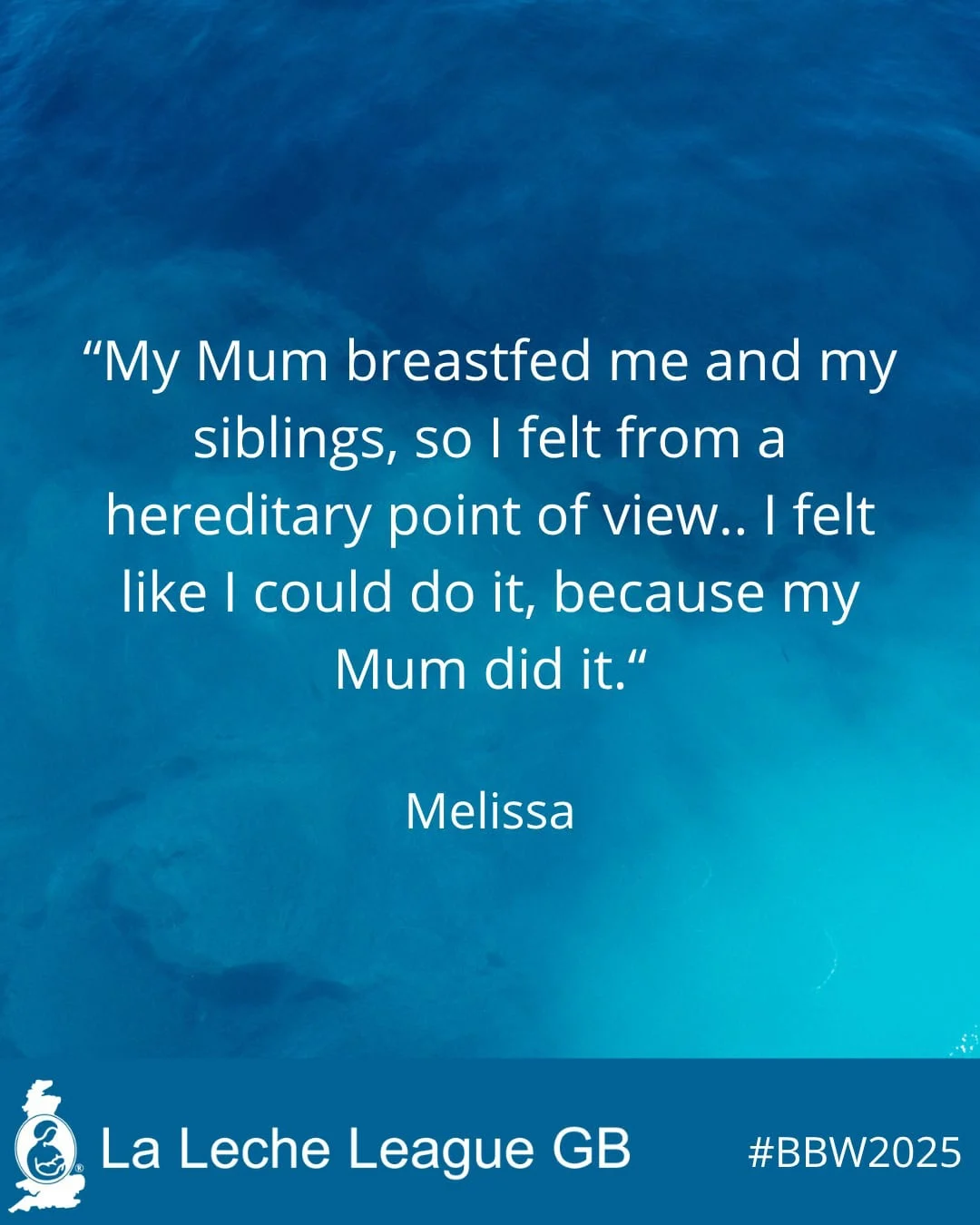
Melissa, a mother from London, exemplifies the profound need for a "likeminded community" in her breastfeeding journey. Her audio notes, recorded candidly while soothing her five-month-old to sleep, offer a poignant glimpse into the real-world experiences of a Black mother navigating the complexities of infant feeding. While the specific content of her audio responses is implied, the questions posed by La Leche League illuminate the common yet deeply personal challenges and triumphs many mothers face, particularly those from marginalized communities.
For Melissa, the decision to breastfeed was likely driven by a combination of factors, including a desire to provide optimal nutrition for her child, foster a deep maternal bond, and perhaps reclaim a cultural practice. Prior to her own children, her perception of breastfeeding might have been shaped by a lack of visible role models within her immediate family or broader community, a common experience for many Black women whose families might have been more exposed to formula feeding due to historical and socio-economic factors. This initial void often means that mothers embark on their journey with limited prior exposure or inherited wisdom, making external support even more crucial.
The attitudes of friends and family can significantly impact a new mother’s confidence and persistence. While some may offer unwavering encouragement, others might express skepticism, discomfort, or even subtle pressure towards formula feeding, often stemming from misinformation or generational norms. Such varied responses underscore the importance of seeking out objective, evidence-based support and validation.
Melissa’s reflection on what she wished she had known before embarking on her feeding journey undoubtedly touches upon the common barriers: initial pain, latch difficulties, concerns about milk supply, exhaustion, and the sheer demanding nature of breastfeeding. Beyond these universal challenges, Black mothers often face additional systemic hurdles, including implicit bias from healthcare providers, a lack of culturally sensitive lactation support, and the psychological burden of navigating a system not always designed to support them. These barriers can exacerbate feelings of isolation and make the journey feel insurmountable without robust support networks.
Her identification of "useful sources of help and support" is a testament to the proactive steps many mothers take to overcome obstacles. These sources often include certified lactation consultants, local La Leche League groups, online forums specifically for Black mothers, and trusted medical professionals who offer informed and empathetic guidance. The act of seeking out and utilizing these resources is a powerful demonstration of agency and determination.
Ultimately, Melissa’s central theme, "How have you built your supportive community?", speaks volumes about the active pursuit of connection. It highlights the understanding that breastfeeding is not solely an individual act but a communal endeavor. For Black mothers, this often means intentionally seeking out spaces where they feel seen, heard, and understood – communities where their experiences are affirmed, their questions are answered without judgment, and their cultural perspectives are respected. This might involve joining LLL meetings, participating in online groups for Black breastfeeding mothers, or forming bonds with other mothers in her local area who share similar values and experiences. Building such a community becomes a cornerstone of resilience, providing the emotional and practical scaffolding needed to sustain a breastfeeding relationship.
Supporting Data and Persistent Disparities
The lived experiences of mothers like Melissa are underscored by critical public health data highlighting persistent racial disparities in breastfeeding. According to the Centers for Disease Control and Prevention (CDC), while national breastfeeding initiation rates have risen, significant gaps remain. Black infants consistently have lower rates of breastfeeding initiation and duration compared to white infants. For example, national data often show Black mothers initiating breastfeeding at lower rates and discontinuing earlier than white or Hispanic mothers. This disparity contributes to poorer health outcomes for both Black mothers and infants.
Breastfeeding is recognized as a critical public health intervention, offering numerous benefits. For infants, it reduces the risk of respiratory infections, ear infections, gastrointestinal issues, sudden infant death syndrome (SIDS), and chronic diseases such as obesity and type 2 diabetes. For mothers, it lowers the risk of breast and ovarian cancers, type 2 diabetes, and postpartum depression. In the context of the alarmingly high rates of infant and maternal mortality among Black populations in the United States and other developed nations, promoting and supporting breastfeeding becomes an even more urgent imperative. Systemic factors, including socioeconomic inequities, lack of paid parental leave, targeted marketing of formula to Black communities, and inadequate access to high-quality, culturally sensitive lactation support, contribute significantly to these disparities. Addressing these issues requires a multi-pronged approach that tackles both individual support and broader policy changes.
Official Responses and Advocacy for Equity
Organizations worldwide are intensifying their efforts to address these disparities. La Leche League International and its national affiliates, like LLLGB, actively work to ensure their support is inclusive and accessible to all mothers, recognizing the unique needs of diverse communities. The Black Mothers’ Breastfeeding Association (BMBFA) is another leading voice, dedicated to reducing racial inequities in breastfeeding by providing education, advocacy, and support specifically tailored to Black families. These organizations emphasize the need for culturally competent lactation consultants, peer counselors who reflect the communities they serve, and healthcare systems that acknowledge and actively combat implicit bias.
Public health campaigns and policy initiatives are also emerging to promote breastfeeding equity. These include efforts to expand access to lactation services, implement paid family leave policies, protect breastfeeding rights in the workplace, and integrate breastfeeding support into prenatal and postnatal care more effectively. There is a growing recognition that achieving health equity in breastfeeding requires not just individual education but systemic transformation that addresses historical injustices and ongoing discrimination. Statements from these related parties consistently highlight that improving Black breastfeeding rates is not solely a matter of individual choice but a collective responsibility, requiring commitment from healthcare providers, policymakers, employers, and communities alike.
Broader Impact and Implications for Maternal-Child Health
The implications of strengthening Black breastfeeding rates extend far beyond individual health benefits. On a societal level, increased breastfeeding duration among Black mothers can contribute to narrowing the persistent gaps in infant and maternal mortality rates, offering a tangible pathway towards health equity. It empowers Black women by providing them with the knowledge and support to make informed decisions about their bodies and their babies’ health, fostering a sense of autonomy and agency often undermined by systemic inequities.
Furthermore, the visibility of Black breastfeeding mothers helps to normalize the practice within the community, challenging prevailing stereotypes and creating a positive feedback loop for future generations. It cultivates a sense of cultural pride and connection, linking modern practices with ancestral traditions of nurturing and resilience. Economically, widespread breastfeeding can lead to reduced healthcare costs associated with infant and maternal illnesses, freeing up resources for other critical public health initiatives.
The ongoing work of Black Breastfeeding Week and organizations like La Leche League serves as a powerful reminder that true support for mothers must be inclusive, equitable, and responsive to the diverse realities of all families. It underscores the critical need for continued advocacy, research, and community engagement to dismantle systemic barriers and ensure that every mother, regardless of her background, has the opportunity and support to achieve her infant feeding goals. Melissa’s journey, though individual, resonates with countless others, reinforcing the profound truth that in the shared vulnerability and strength of community, mothers find the resilience to thrive.
Inspired by Melissa’s candid sharing, La Leche League warmly encourages other mothers to contribute their own stories. These narratives, whether submitted for publication in Breastfeeding Matters or shared in person at local meetings, possess the unique power to connect, validate, and inspire. A mother’s personal account can be precisely the message another mother needs to hear, offering comfort, guidance, and the reassurance that she is not alone in her journey. Stories can be shared by emailing [email protected] or via the provided online form.
