


The tradition of the annual school portrait has long served as a quintessential rite of passage in the North American education system, capturing the physical and emotional evolution of students from kindergarten through graduation. Recently, the digital lifestyle publication Cup of Jo initiated a community-driven retrospective, inviting its global audience to submit their most memorable school photographs alongside the narratives that define them. The resulting collection, featuring eleven distinct contributors, offers a sociological window into the intersection of childhood identity, parental influence, and the shifting cultural landscapes of the late 20th and early 21st centuries. By examining these personal archives, one can discern broader patterns in how individuals process nostalgia and the "awkward" developmental stages that define the human experience.

The Cultural Significance of the School Portrait Industry
The school photography industry is a multi-billion-dollar enterprise that has remained remarkably resilient despite the advent of high-quality smartphone cameras. According to industry analysis, the market for school and graduation photography in the United States alone is valued at approximately $1.5 billion annually. Companies like Lifetouch, which has been in operation since 1936, have standardized the "seated portrait" format, creating a consistent visual record for generations of families.
The Cup of Jo retrospective highlights that these photos are rarely just about the image itself; they are artifacts of a specific moment in time. For many of the participants, the photograph serves as a timestamp for their burgeoning autonomy. Whether through the choice of a specific accessory or the forced compliance with a school uniform, the images document the early negotiations between individual expression and institutional or parental expectations.
Identity and Self-Expression in Institutional Settings
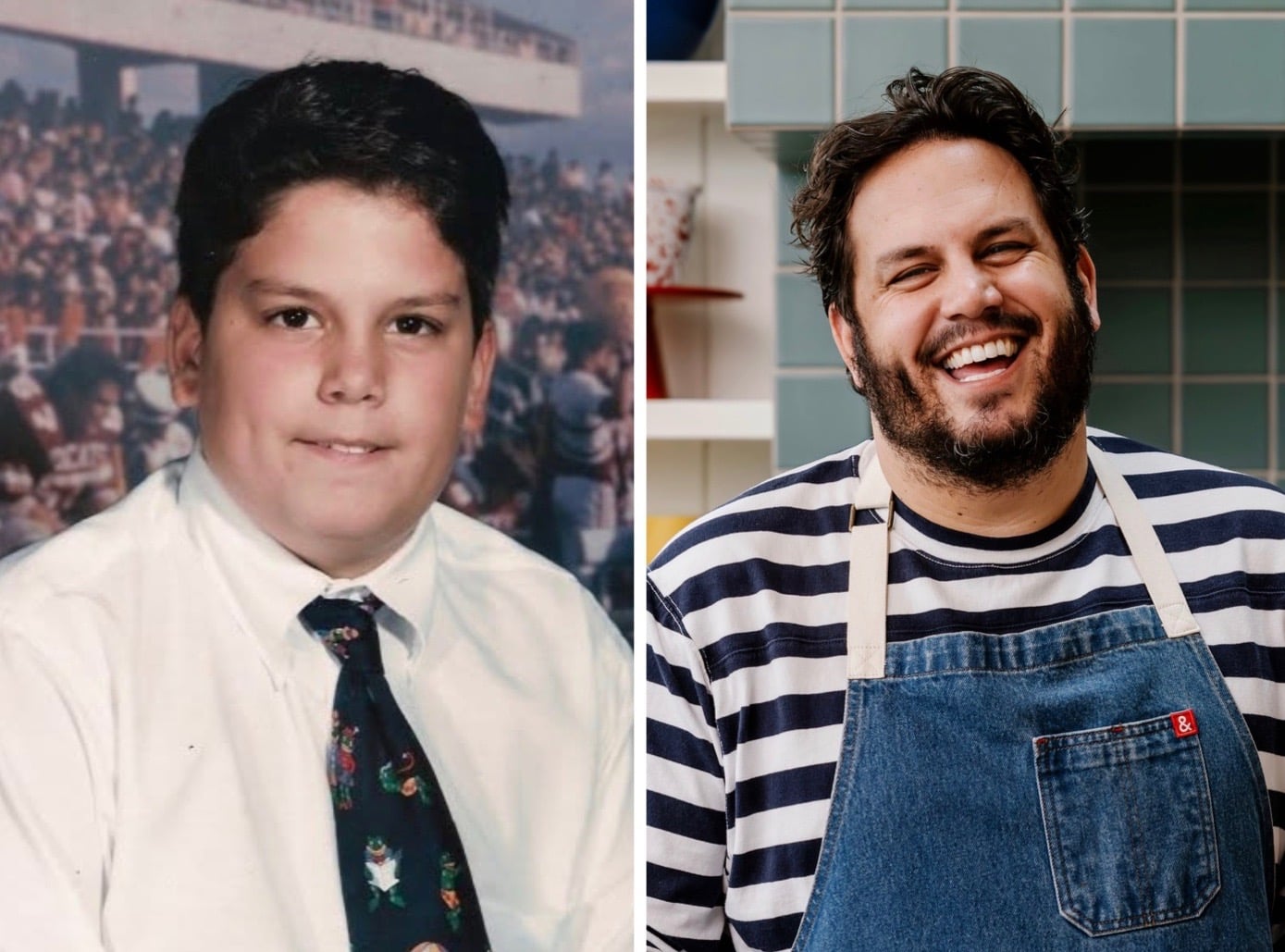
A recurring theme among the contributors is the use of fashion as a primary vehicle for self-expression, particularly in environments where such expression was limited. Dan, a contributor from New York, shared a third-grade portrait from his time at a Catholic school. In the image, he wears a vibrant tie, which he describes as his "favorite" and a daily staple. For Dan, the tie represented a rare outlet for individuality within the rigid confines of a parochial dress code. His narrative also touches upon the performative nature of childhood photography; he noted that he selected a sports-themed background in a conscious effort to project a specific masculine identity during a period of internal questioning.
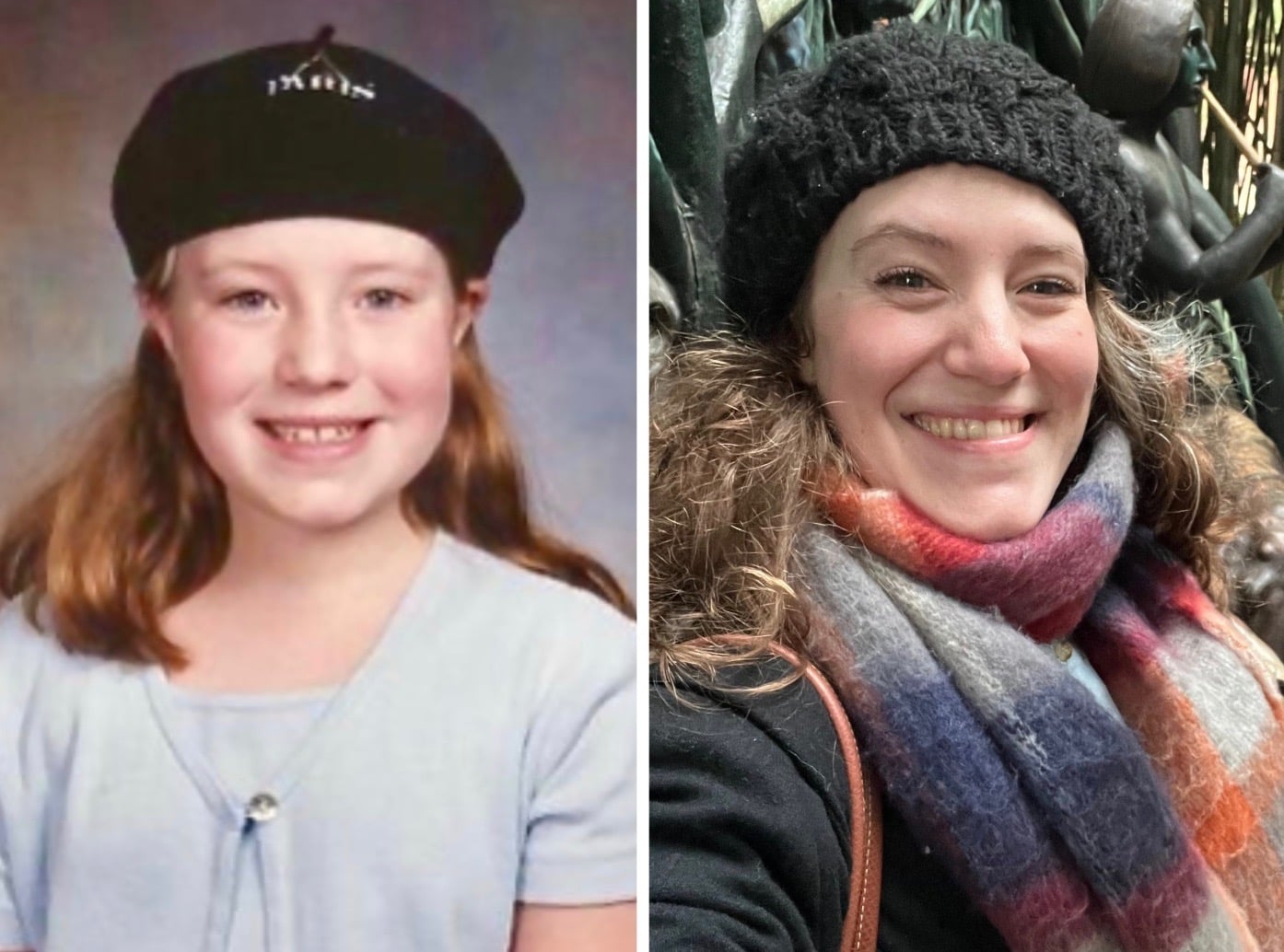
Similarly, Katy from New Jersey recalled her third-grade portrait as the beginning of her "theater kid" persona. After receiving a beret from her uncle who had traveled to Paris, she insisted on wearing it for her school photo. Her story emphasizes the role of parental support in identity formation, noting that her mother’s refusal to turn the fashion choice into a conflict allowed her to embrace her burgeoning personality.
The Documentation of Developmental Milestones
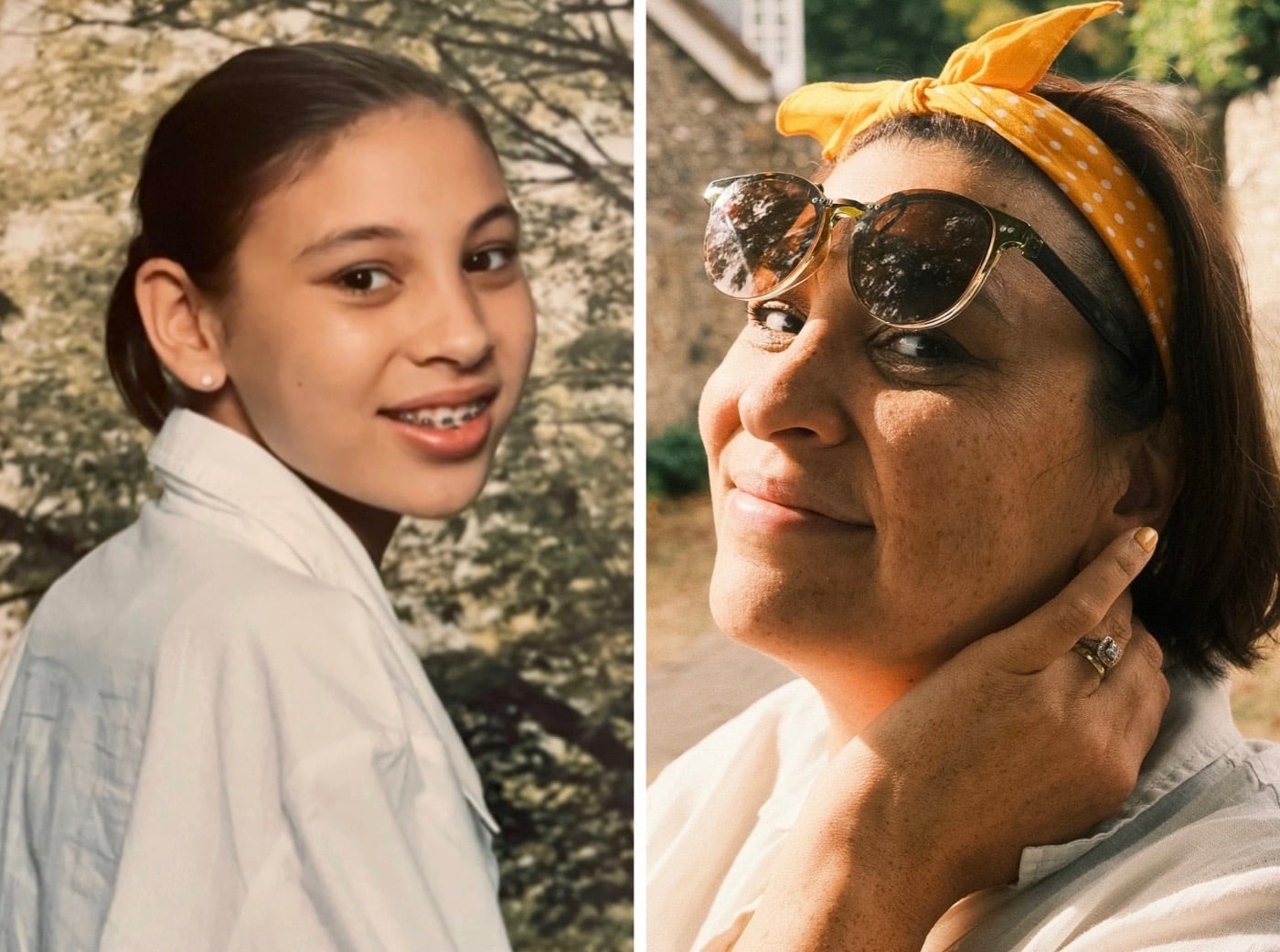
The school photo serves as a biological record of the "reminiscence bump," a psychological phenomenon where adults tend to have an increased recollection of events from their adolescence and early adulthood. Erin, a contributor from North Carolina, highlighted the significance of her seventh-grade photo as a "pre-puberty" marker. Her reflection on her "intact" eyebrows and the transition into a more self-conscious stage of life resonates with the universal experience of the "awkward phase."
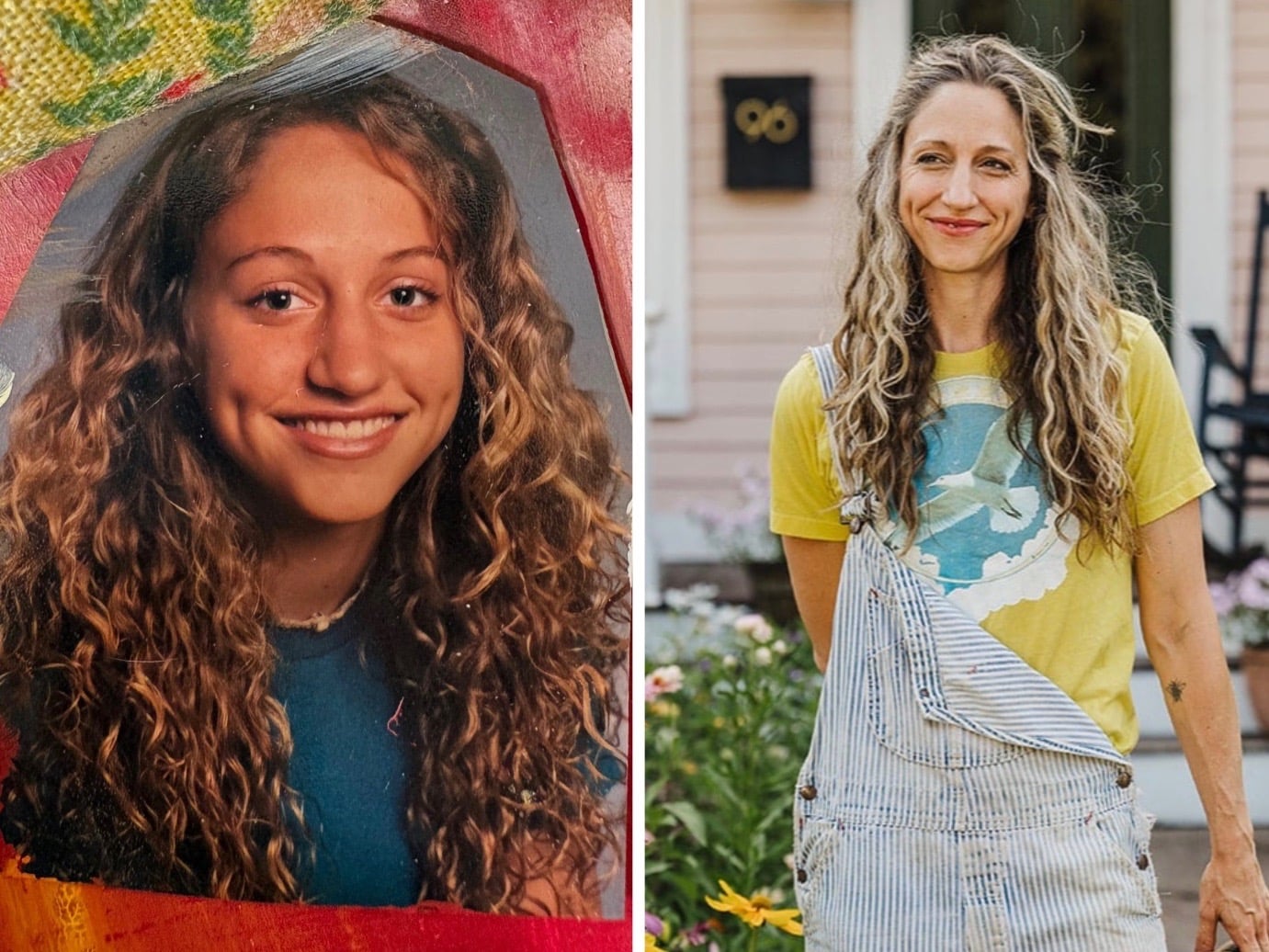
This sentiment is echoed by Tammy from Ontario, whose 1987 seventh-grade portrait features a "home perm" intended to manage naturally curly hair. Tammy’s retrospective view of the photo is one of self-acceptance; while she acknowledges the "cringey" aesthetic of the era, she recognizes the "optimistic dreamer" she was at the time. This transition from embarrassment to affection is a common trajectory in how adults view their younger selves.
Parental Influence and the Socioeconomics of Childhood
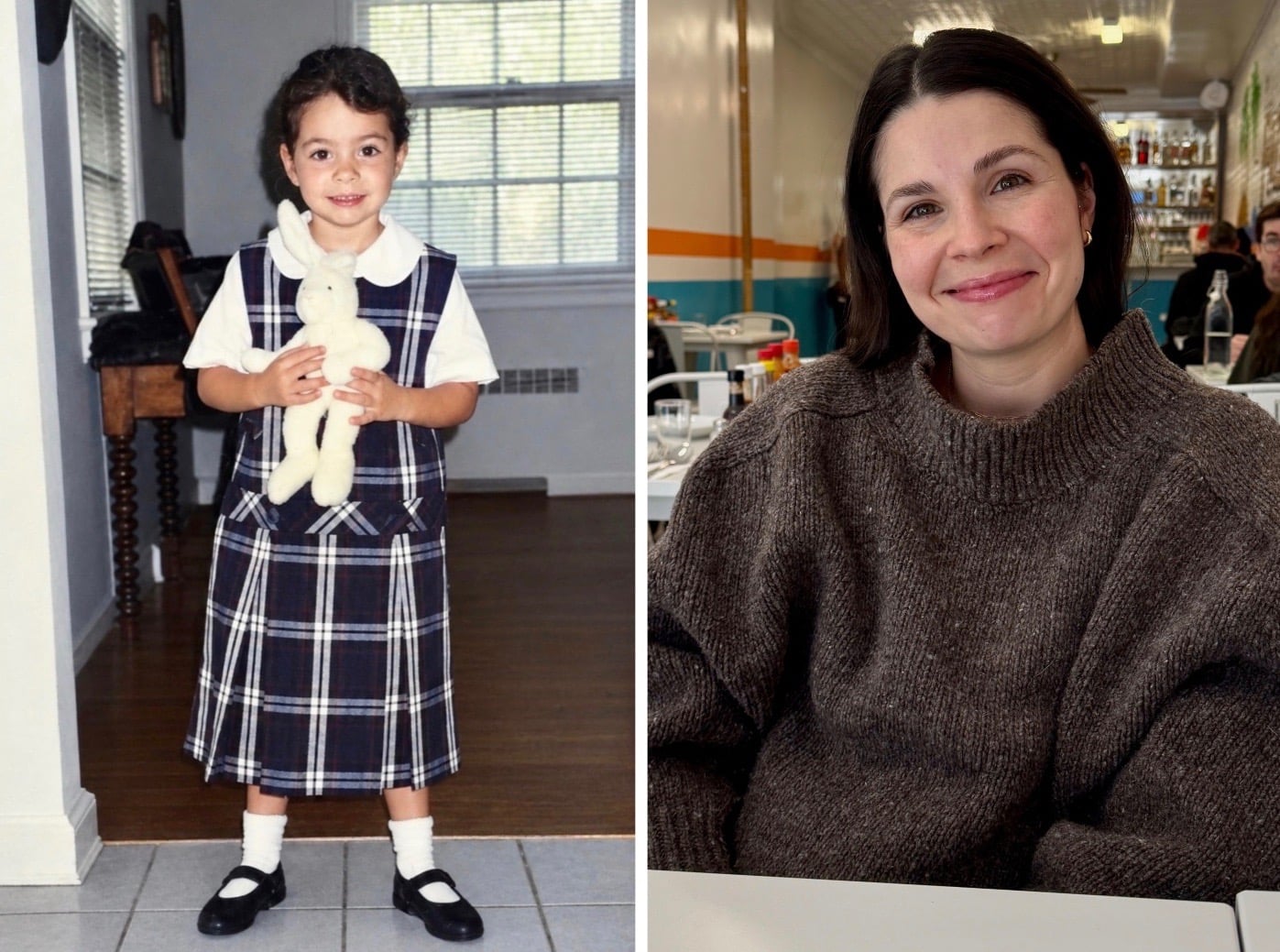
The photographs also provide insight into the practical realities of parenting. Maddie, from New York, shared a kindergarten photo where she is wearing a uniform three sizes too large. Her mother’s decision to buy clothing that she would "grow into" is a reflection of pragmatic, often economically driven, parenting strategies. The fact that Maddie wore the same uniform well into elementary school serves as a testament to the longevity of these childhood garments and the domestic economies of the time.
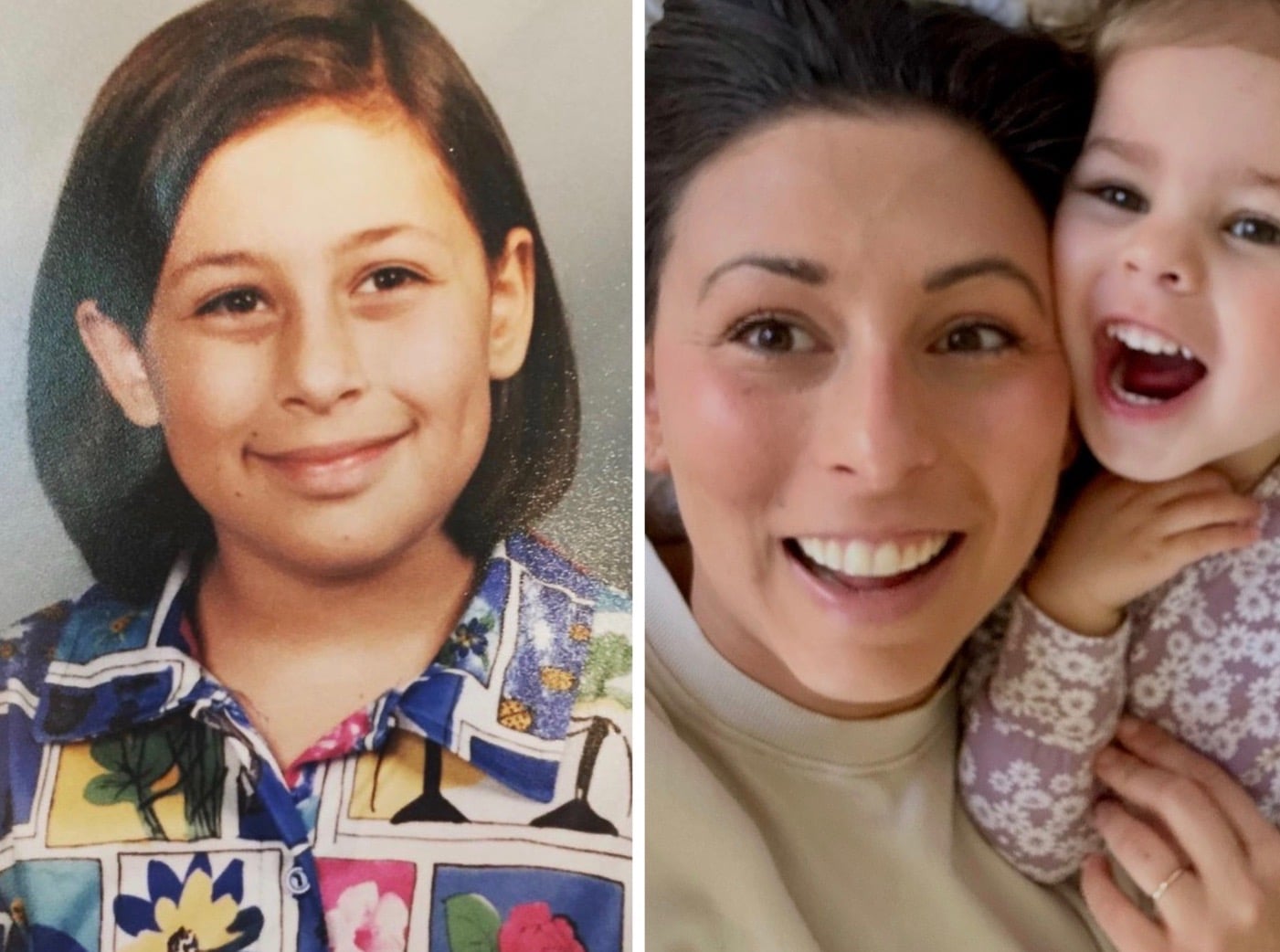
In contrast, Sari from Illinois shared a fourth-grade photo that captures a moment of peak confidence, fueled by her parents’ encouragement and a shirt from the popular retailer Limited Too. Her narrative suggests that the confidence instilled by parents can shield children from the self-perception of being "awkward," a trait she hopes to pass on to her own daughter. This intergenerational transmission of self-esteem is a key takeaway from the collection.
Cultural Markers and Temporal Signposts
The images often contain specific cultural signifiers that anchor them to a particular era. Sharon from Connecticut submitted an 11th-grade photo from a period she describes as her "peak." Her involvement in springboard diving, student government, and her attendance at Lilith Fair—a prominent feminist music festival of the late 1990s—paints a picture of a young woman deeply engaged with the cultural movements of her time.
The inclusion of Martha from Washington, a first-grade student who likens her look to the literary character "Ramona the Pest," demonstrates how children often model their identities after the media they consume. Martha, now a middle school teacher, uses these photos as pedagogical tools. By sharing her "awkward" stages with her students, she humanizes the educator-student relationship and fosters an environment where developmental transitions are normalized rather than stigmatized.
The "Gentle Gaze" vs. The "Bombastic Side-Eye"
The technical aspects of school photography—the lighting, the posing, and the photographer’s prompts—often lead to unintended results. Leah Wise from Texas shared a senior portrait where the photographer’s attempt to capture a "gentle gaze" resulted in what social media users have dubbed a "bombastic side-eye." This disconnect between the photographer’s intent and the subject’s natural expression highlights the artifice of the professional portrait.
In another instance, Katherine from Georgia recalled a sixth-grade photo where her unimpressed expression was a direct reaction to the photographer telling her to "Say BOYS!" Her refusal to perform a traditional smile for a prompt she found unappealing serves as an early example of bodily autonomy and the rejection of gendered expectations.
Chronology of the Shared Portraits
The collection follows a logical progression of the human lifecycle, as evidenced by the participants’ grades:
- First Grade: Martha (Washington) – The "Ramona the Pest" era.
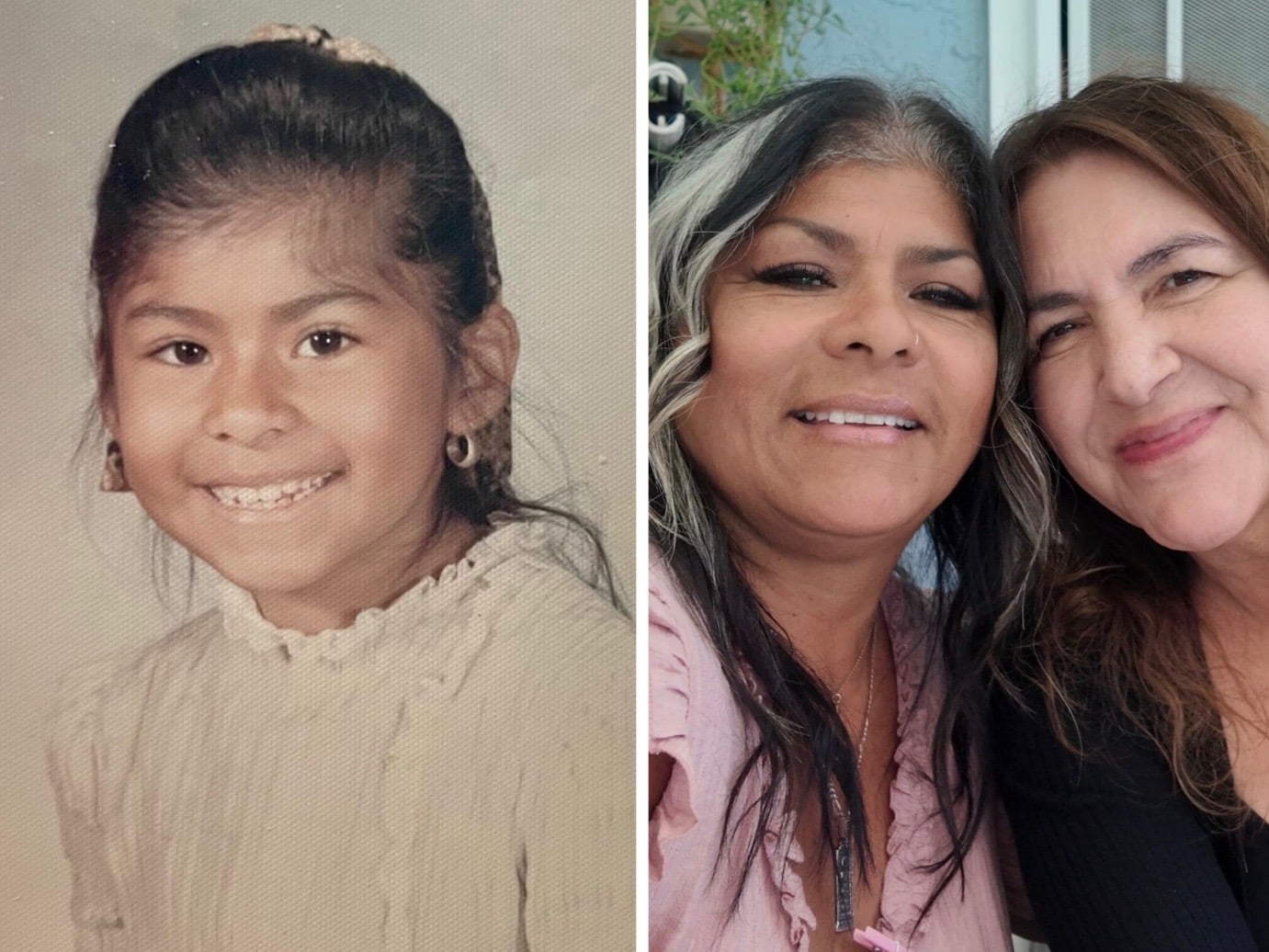
- Second Grade: Lisa (California) – The introduction of dangling Mexican hoops and cultural heritage.
- Third Grade: Dan (New York) – The search for identity within a Catholic school setting.
- Third Grade: Katy (New Jersey) – The "theater kid" beret.
- Fourth Grade: Sari (Illinois) – Peak confidence and the Limited Too aesthetic.
- Sixth Grade: Katherine (Georgia) – The rejection of gendered photography prompts.
- Seventh Grade: Erin (North Carolina) – The pre-puberty "girlhood" snapshot.
- Seventh Grade: Tammy (Ontario) – The 1987 home perm and the optimism of youth.
- Eleventh Grade: Sharon (Connecticut) – The Lilith Fair and high school leadership peak.
- Senior Year: Leah Wise (Texas) – The unintended "side-eye" of early adulthood.
- Kindergarten to Elementary: Maddie (New York) – The oversized uniform as a symbol of growth.
Analysis of Implications and Social Impact
The Cup of Jo initiative demonstrates that the school photo remains a powerful tool for community building in the digital age. By sharing these images, individuals participate in a collective narrative that de-stigmatizes the "ugly" or "awkward" phases of life. This has significant implications for mental health and social cohesion, as it encourages a more compassionate view of the self and others.
Furthermore, the transition of these photos from private family albums to public digital platforms indicates a shift in how we manage our personal histories. In the past, a "cringe-worthy" school photo might be hidden in a drawer; today, it is used as social currency to build rapport and demonstrate authenticity. This transparency is particularly valuable for younger generations who are growing up in an era of highly curated social media feeds.
Conclusion
The school portraits shared by the Cup of Jo readers are more than mere images; they are complex documents of social history, fashion, and psychology. They record the tension between who we were told to be and who we were becoming. From the oversized uniforms of kindergarten to the defiant gazes of senior year, these photographs capture the universal struggle of the human spirit to define itself. As the industry continues to evolve with digital technology, the core value of the school photo remains unchanged: it is a tangible anchor to our past, providing a necessary perspective on the journey of growing up. By revisiting these moments, we not only honor our younger selves but also provide a roadmap for the generations currently navigating their own "awkward" transitions.
