

Black Breastfeeding Week, observed annually during the last week of August, stands as a vital platform dedicated to amplifying the historically underrepresented voices and lived experiences of Black women in their breastfeeding journeys. This annual observance, a critical initiative in the realm of public health and social equity, seeks to address deep-seated disparities and foster a supportive environment where Black mothers feel seen, heard, and empowered. The core philosophy of organizations like La Leche League, which champions the power of shared stories, aligns perfectly with this mission, recognizing that personal narratives forge powerful connections within a global community of mothers, enabling mutual learning and support.
The Genesis and Imperative of Black Breastfeeding Week
The establishment of Black Breastfeeding Week (August 25-31) in 2012 by Kiddada Green and Kimberly Seals Allers was a direct response to alarming racial disparities in breastfeeding rates and a profound lack of culturally relevant support for Black families. Historically, breastfeeding rates among Black women have lagged significantly behind those of white women in many Western countries, including the United States and the United Kingdom. For instance, data from the Centers for Disease Control and Prevention (CDC) consistently shows that while initiation rates have improved across all demographics, Black mothers still have lower rates of breastfeeding initiation and duration compared to their white counterparts. In the U.S., approximately 69.4% of Black infants are ever breastfed, compared to 85.3% of white infants, and this gap widens further at six and twelve months. Similar trends are observed in the UK, where systemic inequalities in healthcare and societal support contribute to these disparities.
The reasons behind these disparities are multifaceted and deeply rooted in historical, socio-economic, and systemic factors. The legacy of slavery, where Black women were often forced to wet-nurse white children while their own infants were denied their mothers’ milk, severed the intergenerational knowledge transfer and cultural practice of breastfeeding within Black communities. This historical trauma was compounded by aggressive formula marketing tactics specifically targeting Black communities in the 20th century, often framing formula feeding as a symbol of modernity and upward mobility. Furthermore, contemporary challenges include a lack of culturally competent lactation support professionals, implicit bias within healthcare systems, insufficient access to paid parental leave, and workplace policies that do not adequately support breastfeeding mothers. Black Breastfeeding Week was thus conceived not merely as a celebration, but as an urgent call to action to address these inequities, advocate for policy changes, and create spaces for Black mothers to reclaim their narratives and build robust support networks.
La Leche League: Fostering Connection Through Shared Experience
La Leche League International (LLLI), a global organization founded in 1956, has long championed the profound impact of peer-to-peer support and the sharing of personal stories in empowering mothers on their breastfeeding journeys. This approach is central to their mission, recognizing that while clinical information is vital, the emotional and practical support derived from connecting with others who have similar experiences is invaluable. In a world where mothers can often feel isolated, especially when facing challenges or going against societal norms, the opportunity to share one’s story, whether in person at a meeting or through publications, provides validation, encouragement, and a sense of belonging. The article underscores this philosophy, noting that "stories matter" and connect individuals to "something bigger – the global community of mothers and peers, learning from and supporting each other." This emphasis on community is particularly crucial for marginalized groups who may face additional barriers and a greater sense of isolation within mainstream support systems.
Melissa’s Narrative: A Search for Likeminded Community in London
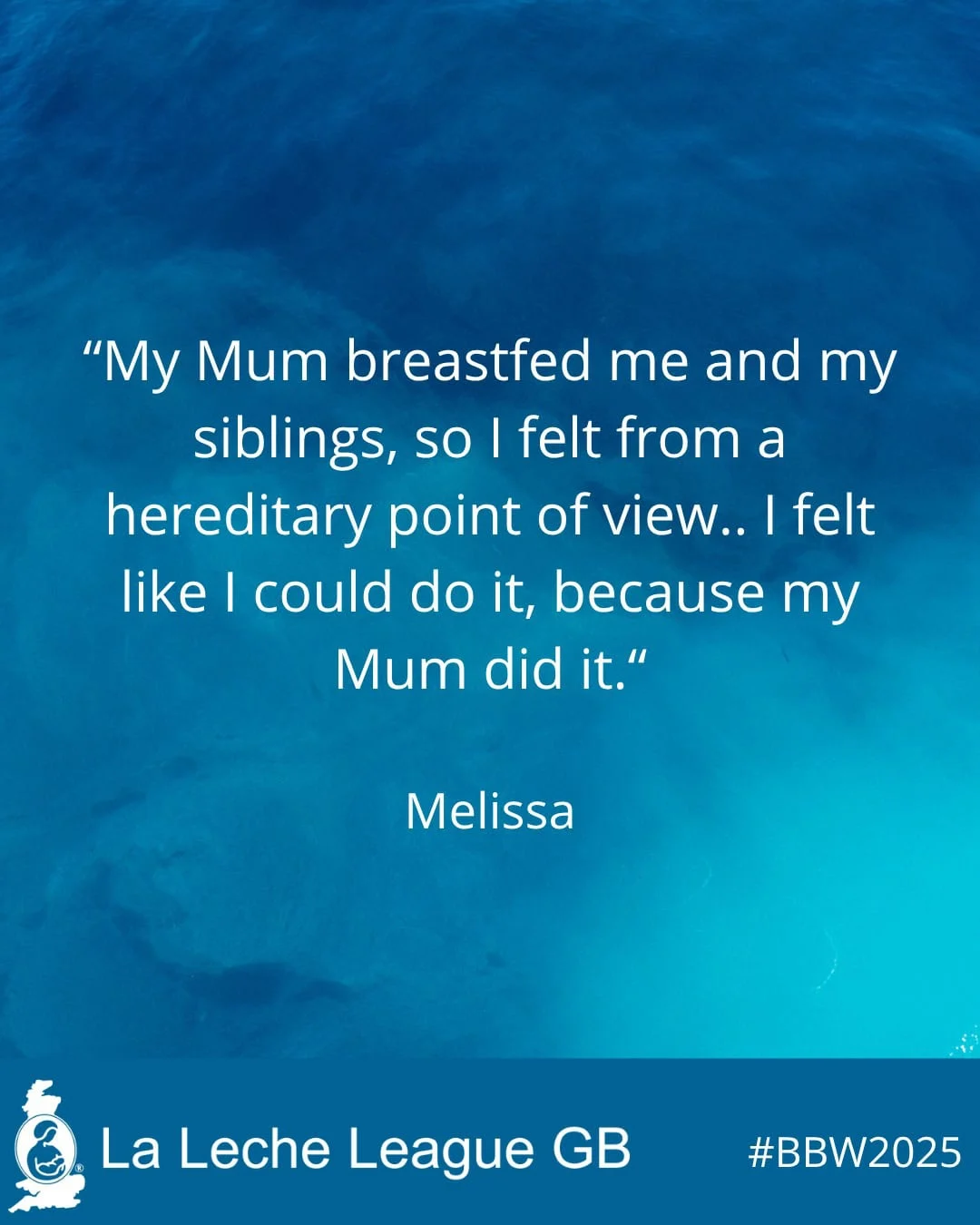
Melissa, a mother from London, exemplifies the journey of many Black women seeking support and understanding in their breastfeeding experience. Her decision to record audio notes while walking her five-month-old to sleep encapsulates the often-solitary and demanding nature of early motherhood, even as she sought to articulate her experiences. While the specific content of her audio notes is not provided, the questions posed to her by La Leche League offer a powerful framework for understanding the common challenges and triumphs faced by Black mothers.
Melissa’s reflection on "Why breastfeeding matters to you?" likely delved into a complex interplay of personal conviction, health benefits for her child, and perhaps a desire to connect with a deeper ancestral practice. For many Black mothers, breastfeeding is not only a health choice but also an act of resilience and cultural reclamation. Her prior perception of breastfeeding, and whether anyone else in her family had breastfed, would have illuminated the extent of intergenerational knowledge and support available to her. It is common for Black women in Western societies to have limited exposure to breastfeeding within their immediate families due to the historical factors mentioned earlier, often viewing formula feeding as the default, a perception perpetuated by aggressive marketing and sometimes, by healthcare providers themselves.
The attitudes of her friends and family would have played a significant role in shaping her early journey. Many mothers face a spectrum of reactions, from unwavering support to subtle or overt discouragement. For Black mothers, this can be exacerbated by cultural pressures or a lack of understanding within their social circles about the unique challenges and benefits of breastfeeding in their community. Some may encounter skepticism, judgment, or well-meaning but misinformed advice that contradicts best practices.
Melissa’s candid reflection on "What do you wish you had known before embarking on your feeding journey? What barriers did you face?" would have been particularly resonant. Common barriers include latch difficulties, perceived low milk supply, pain, exhaustion, lack of adequate information, and the emotional toll of societal judgment or a lack of public acceptance. For Black mothers, these challenges are compounded by systemic issues such as racial bias in healthcare, where their pain or concerns might be dismissed, or where they might not receive the same level of support or information as their white counterparts. The absence of culturally sensitive lactation consultants or support groups can leave mothers feeling isolated and misunderstood, struggling to find solutions that acknowledge their specific context.
Identifying "useful sources of help and support" would highlight the critical role of organizations like La Leche League, but also potentially culturally specific groups, online communities, or individual lactation consultants who demonstrate cultural competency. The journey to find effective support is often one of trial and error, emphasizing the need for diverse and accessible resources.
Ultimately, Melissa’s story, captured by the title "I needed a likeminded community," points to the paramount importance of finding a supportive network. Her answer to "How have you built your supportive community?" would underscore the relief and empowerment that comes from connecting with others who share similar experiences, understand the nuances of her journey, and offer non-judgmental encouragement. This search for "likeminded" individuals speaks volumes about the feeling of being an outlier in a system that doesn’t always cater to diverse needs, and the profound impact of finding a space where one truly belongs.
Statistical Realities and Health Implications
The disparities in breastfeeding rates are not merely statistical anomalies; they have tangible health implications for both mothers and infants. Breastfeeding is recognized globally as a foundational public health intervention, offering a myriad of benefits. For infants, breast milk provides optimal nutrition, antibodies that protect against infections (respiratory illnesses, ear infections, gastrointestinal issues), and reduces the risk of sudden infant death syndrome (SIDS), asthma, obesity, and type 2 diabetes. For mothers, breastfeeding lowers the risk of breast and ovarian cancers, type 2 diabetes, and postpartum depression, while promoting bonding and faster postpartum recovery.
The lower breastfeeding rates among Black women translate into higher rates of preventable illnesses and chronic diseases within the Black community. This contributes to existing health inequities, creating a cycle that perpetuates poorer health outcomes. Addressing breastfeeding disparities is therefore not just about infant feeding; it is a critical component of achieving racial health equity and improving long-term public health.
Official Responses and Advocacy for Equity
Recognizing these profound disparities, various official bodies and advocacy groups have intensified efforts to promote equitable breastfeeding support. The World Health Organization (WHO) and UNICEF advocate for exclusive breastfeeding for the first six months of life, followed by continued breastfeeding with complementary foods up to two years and beyond, and emphasize the need for support systems that reach all communities. National health organizations, such as the UK’s National Health Service (NHS) and the U.S. Department of Health and Human Services, have launched initiatives aimed at increasing breastfeeding rates among underserved populations, often through community-based programs and training for healthcare providers in cultural competency.
La Leche League, through its global network of leaders and groups, actively works to provide accessible, peer-to-peer support, striving to create inclusive spaces where all mothers feel welcome and understood. Their emphasis on story-sharing is a direct method of fostering this inclusivity. Advocacy groups like the Black Mothers’ Breastfeeding Association (BMBFA) and Black Women Do Breastfeed play a crucial role in developing culturally specific resources, training Black lactation consultants, and lobbying for policy changes that address systemic barriers. These organizations are instrumental in creating a positive cultural shift, celebrating Black breastfeeding, and empowering mothers to make informed decisions for their families.
Broader Impact and Future Implications
The ongoing work of Black Breastfeeding Week and organizations like La Leche League has far-reaching implications beyond individual feeding choices. It challenges systemic racism within healthcare, promotes greater cultural humility among practitioners, and advocates for broader societal changes, such as mandatory paid parental leave and comprehensive workplace lactation support. When Black mothers are supported in their breastfeeding goals, it strengthens family units, improves community health, and contributes to economic stability by reducing healthcare costs and promoting maternal workforce participation.
The collective effort to elevate Black voices in breastfeeding is a testament to the power of community, advocacy, and shared stories in driving positive change. It underscores the fact that while individual choices are important, they are profoundly influenced by the social, cultural, and systemic environments in which they are made. By continuing to listen to, learn from, and amplify the experiences of mothers like Melissa, the movement for equitable breastfeeding support can continue to grow, ensuring that every mother, regardless of her background, has the opportunity and support to achieve her breastfeeding goals.
The call to action from La Leche League – inviting more mothers to share their stories for "Breastfeeding Matters" or at local meetings – reinforces this commitment. Each narrative shared is not just a personal account; it is a brick in the foundation of a more inclusive, supportive, and equitable world for all breastfeeding families. Melissa’s journey, and the journeys of countless other Black mothers, are vital threads in the rich tapestry of human experience, offering invaluable lessons and inspiration for a healthier, more connected future.
