

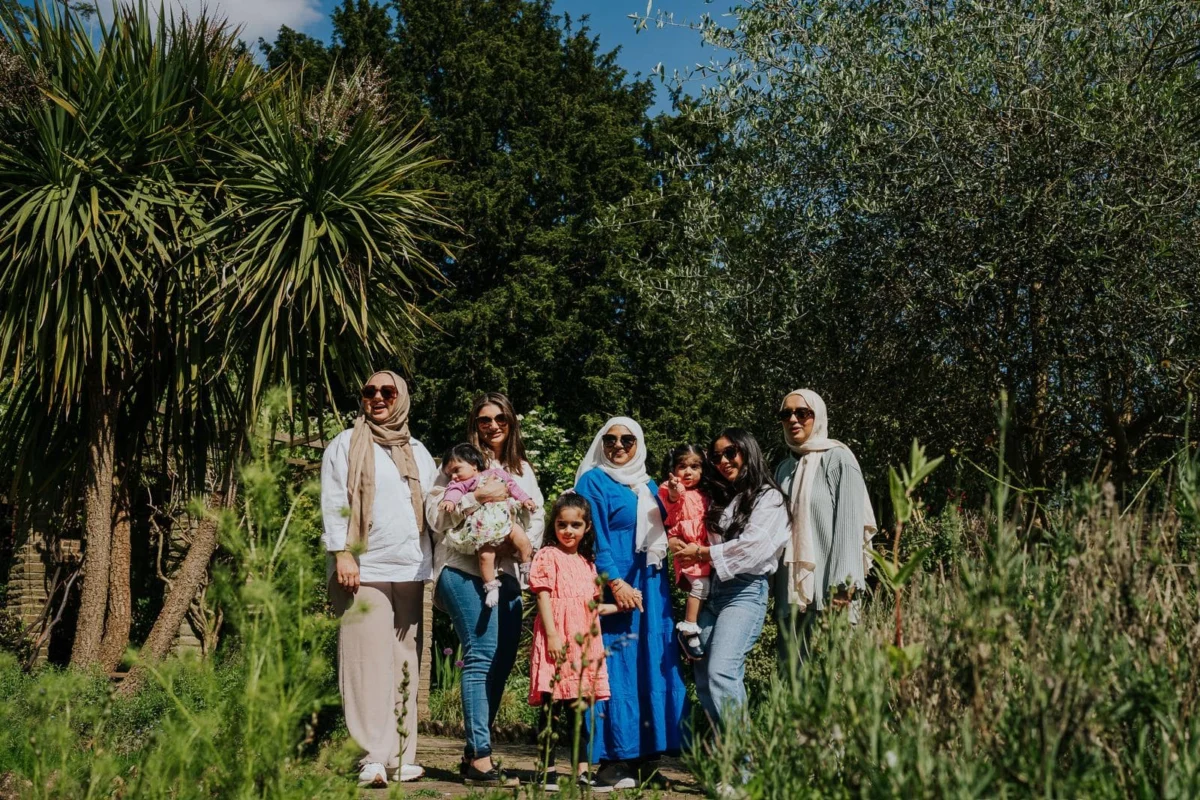
Zarina Ayyub, a dedicated doula and a pioneering voice in maternal health, has transformed her deeply challenging personal experiences with breastfeeding into a powerful mission to support mothers, particularly within South Asian communities. Her journey, spanning over three decades and five children, illuminates the significant cultural, societal, and institutional hurdles new mothers faced in the late 20th century, and the enduring need for empathetic, culturally sensitive support today. From grappling with isolation and lack of information during her own first birth in 1989 to championing responsive feeding and informed choice, Ayyub’s story is a testament to resilience and the profound impact of grassroots advocacy.
A Challenging Start: Birth and Breastfeeding in the Late 1980s
Born in Birmingham, UK, to Pakistani immigrant parents, Zarina Ayyub entered motherhood at the tender age of 20. Her first daughter arrived on November 3rd, 1989, a mere two days after Ayyub’s own birthday. This pivotal moment, however, was marred by a healthcare system that offered little guidance and a cultural environment often antithetical to breastfeeding.
Ayyub’s mother, who immigrated to England in the late 1960s, had herself endured a traumatic breastfeeding experience. As one of the first in her Asian community in England to have children, she lacked a supportive network. In the hospital, she was given formula and pills to suppress her milk—a common, yet now largely discredited, practice in the mid-to-late 20th century UK hospitals, which contributed to a significant decline in breastfeeding rates nationally. Her mother recalled the pain and lack of satisfaction, further compounded by living in a crowded household with in-laws who did not encourage breastfeeding. This historical context reveals a period when formula feeding was heavily promoted, often without adequate consideration for the long-term health benefits of breastfeeding or the mother’s wishes. For many women, especially those from traditional backgrounds, the hospital environment became a place where natural maternal instincts were overridden by prevailing medical protocols.
Consequently, Ayyub’s mother, traumatized by her own struggles, actively discouraged her daughter from breastfeeding, fearing she would endure similar pain. Cultural beliefs, prevalent in some parts of India and Pakistan, also played a role, with colostrum—the vital "first milk" rich in antibodies—mistakenly deemed "dirty" or unsuitable for newborns. Instead, traditional concoctions of cooled boiled water with fennel and other seeds were sometimes given, intended to clear meconium, unaware of colostrum’s critical role in gut health and immunity.
Ayyub’s own hospital experience with her firstborn mirrored, and in some ways intensified, her mother’s ordeal. Her tiny daughter, weighing only 4 lbs 13 oz due to a poorly functioning placenta, was immediately taken to a special nursery and fed formula via a tube. Ayyub, isolated in her room, received no information about colostrum, expressing milk, or even how to hold her premature infant. "I was scared even to hold her," she recounts, a chilling reflection of the emotional and informational void she faced. This lack of informed choice and maternal-infant separation was a widespread issue in hospitals during that era, contributing to difficulties in establishing breastfeeding. According to NHS data from the late 1980s, breastfeeding initiation rates were recovering from a post-war low but still faced significant institutional barriers, particularly around early separation and formula supplementation.
Upon her daughter’s return on day three, Ayyub was severely engorged. Despite her mother’s insistence on drying up her milk, Ayyub felt an innate drive to breastfeed. The struggle was immense: her small baby could not latch effectively onto her engorged, "big and hard" breasts. A traumatic intervention by a midwife, who "grasped my breast and forced my baby onto me," left Ayyub in tears. This forceful, unsupportive approach underscores the urgent need for sensitive, evidence-based lactation support, which was sorely lacking at the time.
Navigating Cultural Expectations and Societal Pressures at Home
The challenges did not end at the hospital. Returning home around day five or six, Ayyub faced cracked and bleeding nipples. Her husband, unfamiliar with Birmingham’s limited night-time shopping, struggled to find suitable aid, eventually procuring a non-functional hand pump and an oversized dummy. This desperate scramble highlights the isolation and lack of practical support new parents often experienced.
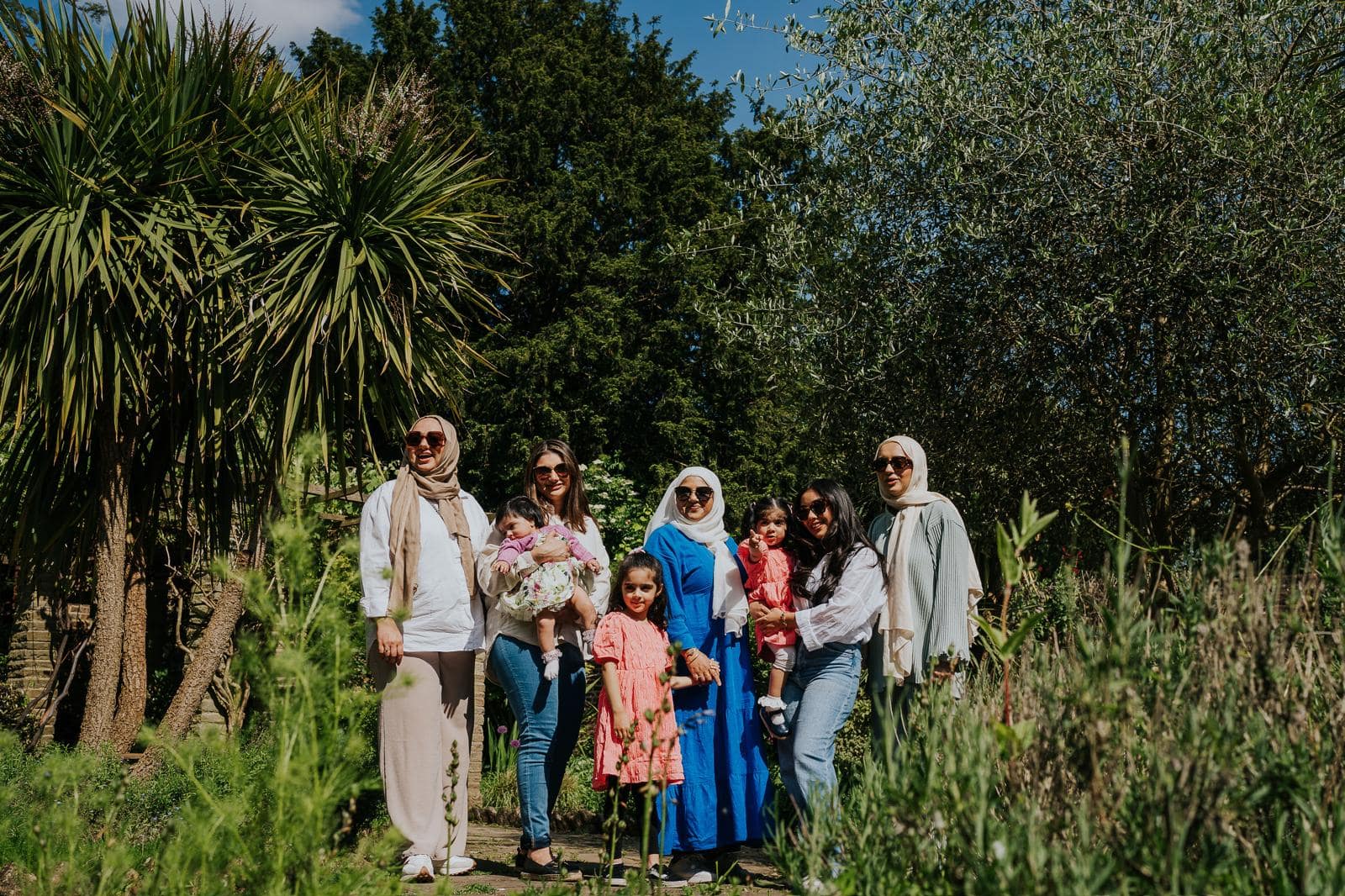
Initially, Ayyub and her husband lived with his extended Pakistani family in London. After a brief stay at her mother’s, they moved to their own flat. However, the cultural landscape continued to present significant barriers. Ayyub felt self-conscious breastfeeding outside her home, leading to self-imposed isolation. Her home was often a hub for newly arrived relatives, demanding constant cooking and cleaning, making it challenging to find time for responsive feeding. Unaware of responsive feeding principles, Ayyub adhered to a rigid three-hour schedule, influenced by her mother’s formula-feeding routine. She initially assumed she would breastfeed only until her planned return to work at six months.
The pressure from her in-laws was palpable. Despite her mother-in-law having breastfed all her sons, she, along with other family members, struggled to understand Ayyub’s desire to breastfeed. In their community, a spotless house and active contribution to family chores were often prioritized over "sitting down feeding my baby," which was perceived as laziness. This cultural emphasis on domesticity and community service often inadvertently undermined maternal bonding and breastfeeding efforts. Moreover, Ayyub’s husband expressed concerns about their children being "too skinny," comparing them to larger children in the family, and advocating for "bottle milk." Ayyub, a petite woman herself, intuitively understood her babies’ needs for closeness and touch, a stark contrast to the external pressures.
The Turning Point: Education and Empowerment
The trajectory of Ayyub’s breastfeeding journey began to shift dramatically with her third child. By this time, her household had grown to include her mother-in-law and two brothers-in-law, adding to the domestic demands. Yet, a powerful inner conviction drove her. "There was something inside me that just knew what to do," she reflects.
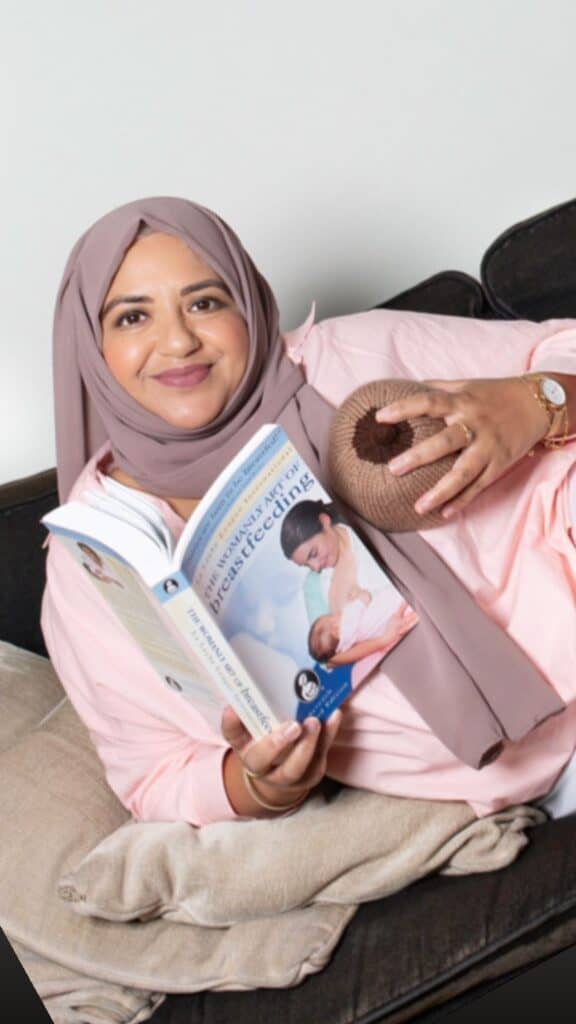
Her turning point was discovering "The Womanly Art of Breastfeeding," a seminal publication by La Leche League (LLL). She borrowed it from the library and devoured its contents over her entire nine-month pregnancy. This self-education proved revolutionary, dismantling long-held myths, such as the misconception about colostrum, and empowering her with knowledge about relactation and other crucial aspects of breastfeeding. Armed with this newfound information, Ayyub felt invincible. "I felt that now I had all this information, no one was going to mess with me!" she declared, feeding her third child for two years despite continued criticism. This period marked a crucial shift from passive acceptance to active, informed decision-making, setting the stage for her future advocacy.
Seeking and Providing Support: From Wimbledon to Peer Supporter
A few weeks after her third baby’s birth, Ayyub experienced mastitis, a painful breast infection. This led her to contact an LLL Leader and attend a group meeting in Wimbledon. Her experience there, as the "only woman wearing shalwar kameez," highlighted the cultural isolation she often felt. While she wore traditional attire to appease her in-laws, it made breastfeeding in public awkward and embarrassing. This initial discomfort deterred her from returning to groups for years, underscoring the importance of creating truly inclusive and culturally sensitive spaces for support.
Despite her personal struggles, Ayyub harbored an early ambition to become a breastfeeding peer supporter. Just four weeks after her first child’s birth, she found herself assisting her husband’s aunt with engorged breasts, recognizing the shared struggle within a non-breastfeeding household. She also successfully supported her younger sister in breastfeeding all her children. These early successes gradually normalized breastfeeding for her own mother, who eventually became a staunch supporter of Ayyub’s choices with her later children. This intergenerational shift, from initial trauma and discouragement to acceptance and advocacy, speaks volumes about the power of personal experience and visible success.
It was after the birth of her fifth child, born prematurely at 35 weeks with severe reflux, that Ayyub’s path to formal advocacy solidified. Despite a better birth experience, breastfeeding proved difficult. After receiving poor advice from a breastfeeding counselor, she ventured to a local breastfeeding café, years after her initial LLL group experience. There, an advertisement for La Leche League’s 12-week peer supporter training course, run by the NHS, caught her eye. "Thank God I came today!" she thought, feeling a renewed determination to provide proper support to other mothers. Her graduation from the course, complete with a pink knitted breast, symbolized a profound personal achievement and the formal beginning of her role as a breastfeeding trailblazer.
For two to three years, Ayyub served as a peer supporter, notably as the sole Muslim peer supporter in her area. She observed the scarcity of Asian women attending the groups, a barrier she attributes not to language, but to a lack of relatable representation and cultural comfort. Her presence, however, was impactful. "A lot of the mothers I helped with breastfeeding wanted to take me home with them!" she recalls, highlighting the deep connection formed when mothers receive empathetic, effective support.
Current Advocacy and Broader Impact
Today, with her children grown—aged 34, 33, 30, 23, and 18—Zarina Ayyub works as a doula, supporting mothers through birth and the postnatal period. Her advocacy extends to collaborative projects aimed at addressing disparities in maternal care. Last year, she participated in a project with The Raham Project in Peterborough and the charity BLISS, focusing on neonatal intensive care units and premature babies. Sharing her emotional birth stories in this forum was cathartic but also painful, underscoring the lasting impact of her early experiences.
Ayyub’s influence has fostered a remarkable intergenerational shift within her own family. Her daughter, now a mother of three under four, exemplifies this change. She breastfed her first child for two years, tandem-fed her first two, and her youngest, at eight months, continues to thrive on breast milk. This daughter’s journey is markedly different from Ayyub’s, benefiting from a supportive husband, despite initial family discomfort, and the invaluable guidance of her mother. Ayyub also successfully supported her daughter-in-law in her breastfeeding journey, further expanding her positive ripple effect.
Addressing Cultural Barriers and Shaping the Future
Ayyub candidly discusses the persistent "shame surrounding breastfeeding in the Asian community," where many families remain "quite prudish." She emphasizes that this discomfort is largely cultural, rather than religious. "The Muslim faith teaches that the baby has a right to be breastfed for however long they wish," she explains, correcting the common misconception that it should only be for two years. This distinction is crucial for dismantling barriers rooted in cultural interpretations rather than religious tenets.
Her family, she proudly states, is "a very unusual Pakistani household" where open discussions about breastfeeding, periods, and other aspects of reproductive health have been normalized, thanks to her persistent advocacy. This openness has permeated to her children’s spouses and friends. Her daughters’ burgeoning interest in home births, a significant departure from community norms, stands as a "huge miracle."
Ayyub remains committed to encouraging more South Asian women to share their experiences and access support. While progress has been made, they still utilize breastfeeding support services less than other women, often due to discomfort with exposing themselves in groups, even among other women. Building relationships of trust is paramount, she argues, to address these fears and normalize breastfeeding as a natural, beneficial process for both mother and baby.
Zarina Ayyub’s powerful narrative, documented in the "Breastfeeding Matters LLLGB Podcast" where she discussed the ancient tradition of the "fourth trimester" with LLL volunteer counsellors Maria Yasnova and Sarah Fletcher, serves as a beacon for culturally competent maternal care. Her journey from a young, unsupported mother to a seasoned doula and advocate underscores the transformative power of informed choice, compassionate support, and the courage to challenge ingrained cultural norms for the health and well-being of future generations. Her life’s work is a call to action: to foster environments where every mother feels seen, heard, and empowered to follow her instincts.
