

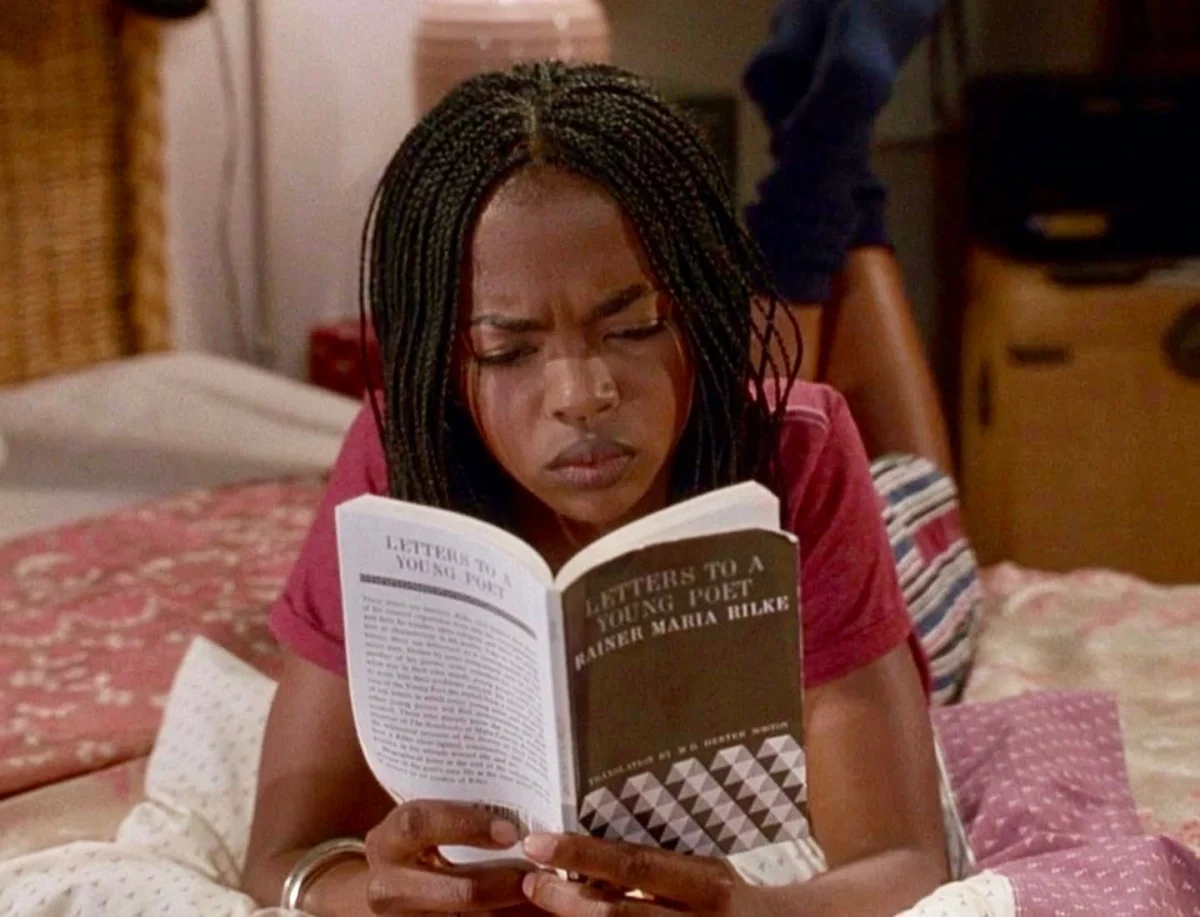
The Academic Framework of the Literary Canon
The selection of texts for middle and high school curricula is rarely arbitrary. It is the result of decades of pedagogical evolution, aiming to balance historical significance, linguistic complexity, and thematic relevance. For generations, the "Western Canon" has dominated these lists, featuring works such as William Shakespeare’s Macbeth, F. Scott Fitzgerald’s The Great Gatsby, and Charlotte Brontë’s Jane Eyre. The inclusion of Emily Brontë’s Wuthering Heights, for instance, is often cited by educators as a strategic choice to introduce students to the Gothic genre and the complexities of the "anti-hero" through the character of Heathcliff.
In recent years, the criteria for these selections have undergone significant scrutiny. Educational boards and curriculum developers are increasingly prioritizing "windows and mirrors"—the idea that students should see themselves reflected in literature (mirrors) while also gaining a view into lives different from their own (windows). This has led to the integration of more diverse voices, such as Toni Morrison’s The Bluest Eye or Sandra Cisneros’s The House on Mango Street, alongside traditional classics. Despite these shifts, the core objective remains the same: to provide a rigorous intellectual framework that encourages critical thinking and emotional resonance.
The Shared Experience: The Sociology of the Classroom
One of the most potent factors in why school books "stick" is the sociological aspect of the shared reading experience. Unlike adult reading, which is typically a solitary and private activity, school reading is inherently communal. Students are required to engage with the same material simultaneously, participating in daily discussions that can escalate into passionate debates.

Sociologists suggest that this "forced" communal engagement creates a unique form of social bonding. When a classroom of fifteen-year-olds argues over the morality of a character or the fairness of a plot twist, they are practicing the art of rhetoric and empathy. This shared experience creates a lasting association between the text and the social environment of the time. For many, revisiting a book like Wuthering Heights in adulthood is not just a literary exercise; it is an act of temporal travel, reconnecting the reader with the version of themselves that sat in a high school English wing at 9:00 a.m.
Statistical Trends in Adolescent Literacy and Engagement
Data from the National Endowment for the Arts (NEA) and the National Assessment of Educational Progress (NAEP) provide a complex picture of how required reading interacts with adolescent habits. According to a 2023 report on reading trends, while "reading for pleasure" has seen a decline among teenagers over the last two decades, "academic reading" remains the primary channel through which young adults engage with long-form narrative.
Supporting data suggests that:
- Approximately 78% of adults can name at least one book assigned in high school that significantly altered their worldview.
- 45% of students report that they "unexpectedly enjoyed" a book they were initially forced to read for a grade.
- Schools that implement "Socratic Seminar" styles of discussion see a 30% higher retention rate of literary themes among students five years post-graduation compared to lecture-based environments.
These statistics underscore the efficacy of the classroom as a site of literary impact. Even in an era dominated by short-form digital content, the deep immersion required by a 400-page novel in a structured setting remains a powerful cognitive exercise.

Chronology of the Reading Experience
The lifecycle of a "sticky" school book generally follows a predictable chronological path within the academic year:
- The Distribution: Students receive the physical text. This stage is often marked by "pre-emptive fatigue," where the thickness of the book or its historical reputation causes initial disinterest.
- The Immersion: As the teacher guides the class through the first several chapters, the world-building begins to take hold. In the case of Victorian or Romantic literature, this often involves overcoming the "language barrier" of archaic prose.
- The Turning Point: A specific plot point—often a betrayal, a death, or a moral crisis—triggers a shift from passive reading to active engagement.
- The Collective Debate: The classroom becomes a forum. This is the stage where students "break down the door" to discuss the characters, as seen in the anecdotes of students falling out of chairs in the heat of a Heathcliff versus Edgar Linton argument.
- The Assessment and Reflection: The final essay or project solidifies the student’s personal thesis on the work, embedding the themes into their long-term memory.
Policy Responses and the Challenge of "Banned Books"
The enduring impact of these books has also made them the center of intense political and social debate. As certain texts become "sticky" for their provocative themes, they often face challenges from parental groups or local school boards. According to data from PEN America, the 2022-2023 school year saw a record number of "book bans" and challenges, often targeting books that deal with race, gender, and social justice.
Official responses from organizations like the American Library Association (ALA) emphasize that the "stickiness" of these books—their ability to provoke strong reactions—is exactly why they are educationally valuable. The ALA argues that removing these texts deprives students of the opportunity to navigate complex ideas in a safe, moderated environment. Conversely, some policy advocates argue for more parental oversight in the selection process, highlighting a tension between academic freedom and community standards.
Psychological Implications and Broader Impact
Psychologically, the books read during adolescence stick with us because they coincide with a period of intense brain development and identity formation. During the teenage years, the brain’s prefrontal cortex is evolving, making it a "critical period" for emotional and intellectual imprinting. The themes common in high school literature—rebellion, love, injustice, and the search for self—mirror the internal struggles of the students themselves.
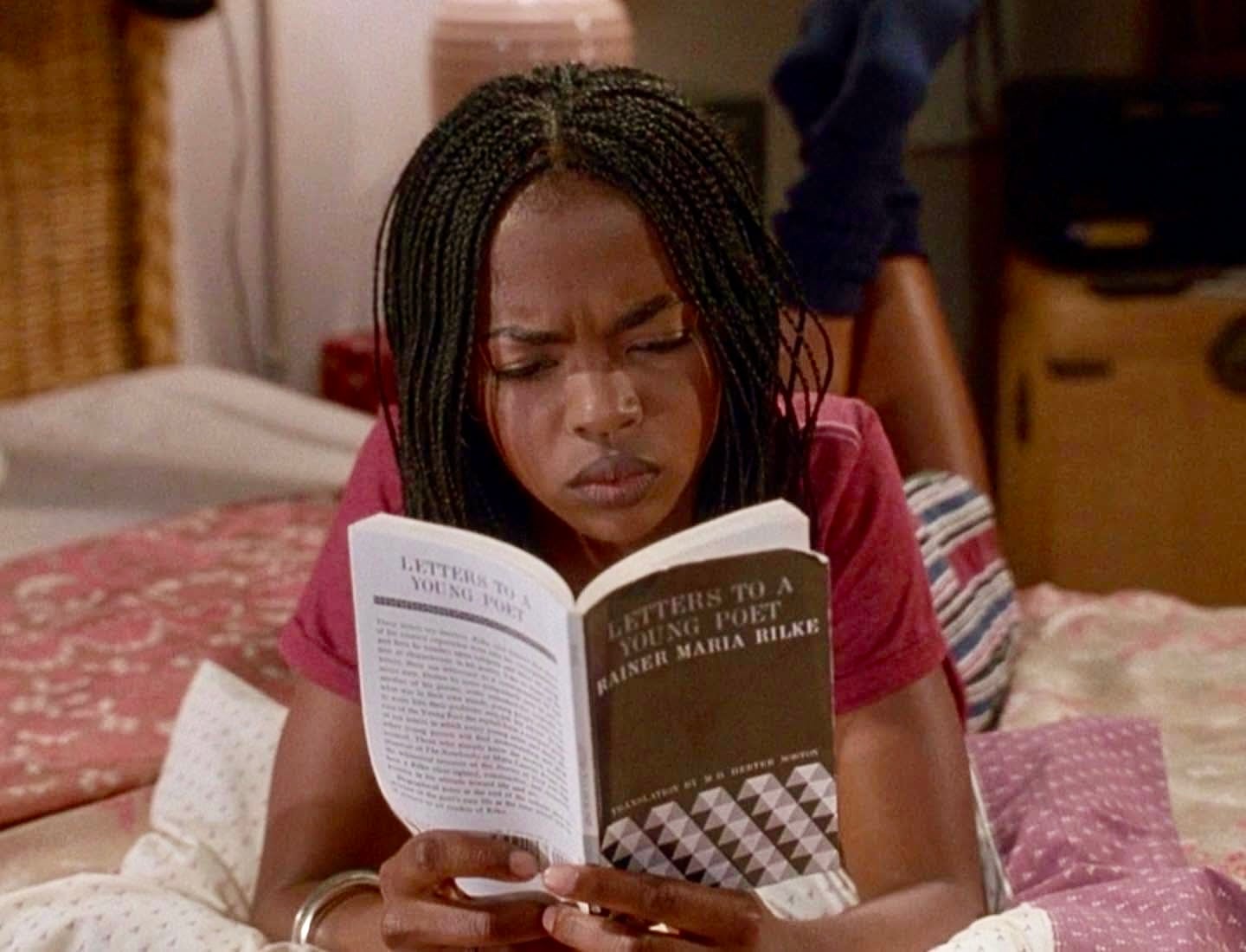
Furthermore, these books provide a "cultural shorthand" for the broader public. References to "Big Brother" (1984), "Catch-22," or "The Scarlet Letter" function as linguistic tools that allow adults to communicate complex social realities efficiently. When a book "sticks" with a student, it becomes part of their permanent intellectual toolkit.
Conclusion: The Future of the Required Reading List
As educational technology advances, the format of the "school book" may change—shifting from physical paperbacks to digital annotations and interactive media—but the fundamental impact of the assigned narrative remains. The value of the experience lies not just in the text itself, but in the alchemy of the classroom: the teacher’s guidance, the peer-to-peer friction, and the specific developmental window of the reader.
Whether it is the haunting moors of Wuthering Heights, the dystopian warnings of Ray Bradbury, or the contemporary insights of Angie Thomas, the books assigned in school continue to serve as the silent architects of the adult mind. They are more than just items on a syllabus; they are the shared artifacts of a collective intellectual journey that defines how we see the world long after the final bell has rung.
