

Black Breastfeeding Week, observed annually during the last week of August, stands as a critical initiative designed to elevate and celebrate the historically underrepresented voices and lived experiences of Black women in their breastfeeding journeys. This dedicated week goes beyond mere recognition, aiming to dismantle systemic barriers, foster supportive communities, and advocate for equitable maternal and infant health outcomes within the Black community. The movement underscores a profound need to address racial disparities that have long plagued healthcare systems, particularly in areas concerning infant feeding and maternal support.
The Genesis of Black Breastfeeding Week: A Call for Equity
Established in 2012 by a coalition of Black women public health advocates, Black Breastfeeding Week emerged from a recognition of alarming statistics and a lack of culturally relevant support for Black mothers. For decades, Black women in the United States have faced significantly lower breastfeeding rates compared to their white counterparts, a disparity rooted in a complex interplay of historical, socio-economic, and systemic factors. These factors include the lasting legacy of slavery, which often forced Black women to wet-nurse white children while their own infants went without, early aggressive marketing of infant formula in Black communities, lack of access to culturally competent lactation support, and systemic racism within healthcare institutions that contributes to mistrust and inadequate care.
The founders of Black Breastfeeding Week – Kiddada Green, Kimberly Seals Allers, and Anayah Sangodele-Ayoka – identified a gaping void in mainstream breastfeeding advocacy. While general breastfeeding campaigns existed, they often failed to acknowledge or address the unique challenges and historical context faced by Black families. Their vision was to create a space where Black mothers felt seen, heard, and empowered, fostering a sense of community and reclaiming a narrative that celebrates Black women’s innate ability to nourish their children. The week serves as a platform to highlight the myriad benefits of breastfeeding for Black infants and mothers, to advocate for policy changes, and to encourage more Black women to enter the lactation support profession.
Bridging Disparities: The Data Speaks
The urgency behind Black Breastfeeding Week is starkly illuminated by public health data. According to the Centers for Disease Control and Prevention (CDC), while overall breastfeeding initiation rates have risen across all demographics, persistent disparities remain. Data consistently shows that Black women have lower rates of breastfeeding initiation and continuation compared to white women and Hispanic women. For instance, national data indicates that Black infants are less likely to be breastfed at birth, and these lower rates persist at 6 and 12 months. This disparity is not merely a statistical anomaly but a critical public health concern, as breastfeeding is recognized as a cornerstone of infant health, reducing the risk of sudden infant death syndrome (SIDS), respiratory infections, ear infections, and childhood obesity. For mothers, breastfeeding lowers the risk of type 2 diabetes, certain cancers, and postpartum depression.
These disparities are not random; they are symptomatic of deeper systemic issues. Research points to several contributing factors:
- Historical Trauma: The historical context of slavery and its impact on Black families, including the devaluation of Black women’s bodies and the commodification of their milk, has created intergenerational trauma and mistrust in medical institutions.
- Lack of Culturally Competent Support: Many lactation consultants and healthcare providers do not receive adequate training in cultural humility or in addressing the specific needs and concerns of Black mothers, leading to a feeling of being unheard or dismissed.
- Aggressive Formula Marketing: Historically, formula companies disproportionately targeted Black communities with free samples and advertising, contributing to the perception of formula as an equivalent or superior alternative.
- Workplace Barriers: Black women are often overrepresented in jobs with less flexibility, fewer paid parental leave options, and inadequate facilities for pumping breast milk, making sustained breastfeeding incredibly challenging.
- Socioeconomic Factors: Poverty, food insecurity, and limited access to quality healthcare services disproportionately affect Black communities, impacting breastfeeding success.
Melissa’s Journey: A Microcosm of Macro Challenges
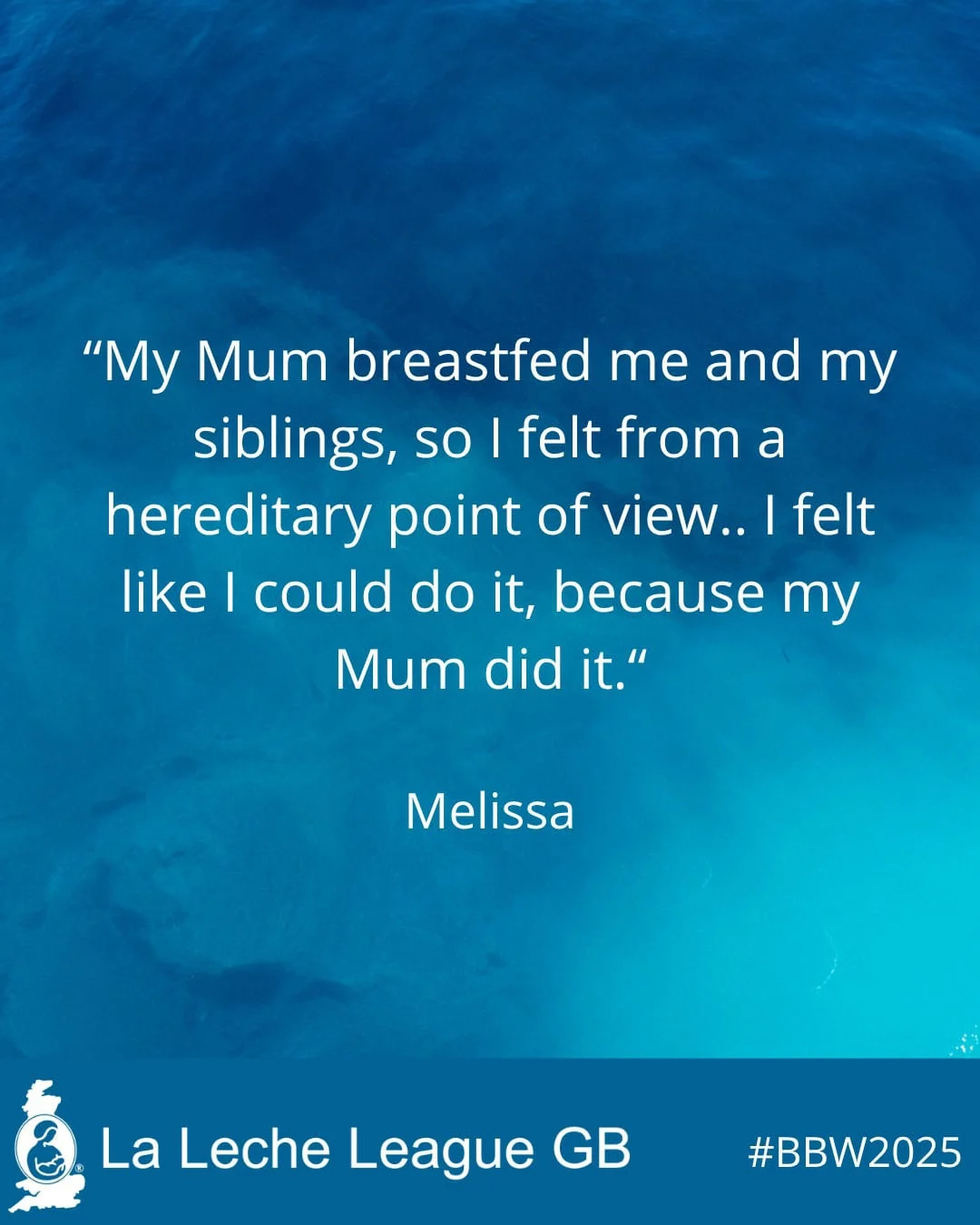
The power of individual stories to illuminate these broader trends is paramount, a principle deeply cherished by organizations like La Leche League, where personal narratives form the bedrock of community support and education. Melissa, a mother from London, recently shared her breastfeeding experience, offering a poignant glimpse into the realities many Black mothers navigate. Her audio notes, recorded candidly while soothing her five-month-old to sleep, encapsulate the themes of personal conviction, societal influence, and the critical need for a supportive community.
For Melissa, breastfeeding transcended mere nutrition; it was a deeply personal and empowering act. This sentiment is echoed by many Black mothers who view breastfeeding as a means of connecting with their heritage, nurturing their child, and asserting agency over their bodies and health choices. Before her own children, Melissa’s perception of breastfeeding, like many, was likely shaped by her immediate family and wider cultural environment. If breastfeeding was not widely practiced or openly discussed within her family, it could have created a knowledge gap, highlighting the generational impact of formula feeding and the erosion of traditional breastfeeding practices. This is a common experience, where a lack of visible breastfeeding role models can lead to a sense of isolation and uncertainty for new mothers.
The attitudes of friends and family play a significant role in a mother’s breastfeeding journey. While some mothers receive unwavering encouragement, others face skepticism, unsolicited advice, or even direct pressure to use formula. These external influences can be particularly challenging for Black mothers who may already be navigating a lack of institutional support. Melissa’s experience likely reflects the spectrum of these attitudes, underscoring the importance of a strong personal resolve and the ability to seek out like-minded individuals.
Melissa’s reflections on what she wished she had known before embarking on her feeding journey resonate with countless new mothers. Common barriers include insufficient prenatal education on breastfeeding mechanics, managing engorgement, latch issues, and understanding infant feeding cues. Beyond these physiological challenges, Black mothers often confront additional systemic barriers, such as racial bias from healthcare providers, who may be quicker to recommend formula or less patient in offering lactation support. The emotional toll of navigating these issues without adequate preparation or culturally sensitive guidance can be immense.
In navigating these obstacles, Melissa found solace and strength in useful sources of help and support. This often includes certified lactation consultants, peer support groups, and organizations like La Leche League, which provide evidence-based information and a non-judgmental space for mothers to share and learn. The accessibility and cultural competence of these resources are critical. For Black mothers, finding support networks that understand and validate their unique experiences can be life-changing, fostering resilience and sustained breastfeeding.
Crucially, Melissa emphasized the importance of building a supportive community. This aspect is central to the mission of Black Breastfeeding Week and La Leche League. A community of peers, be it online or in-person, offers not just practical advice but also emotional validation, reduces feelings of isolation, and provides a sense of belonging. For Black mothers, finding spaces where their experiences are affirmed and celebrated can counteract the pervasive narratives of struggle and disparity, empowering them to thrive.
The Role of La Leche League and Broader Advocacy
La Leche League, a global organization dedicated to helping mothers worldwide to breastfeed through mother-to-mother support, plays a vital role in this landscape. Its emphasis on shared stories and community building aligns perfectly with the spirit of Black Breastfeeding Week. By providing accurate information, encouragement, and a network of support, La Leche League endeavors to empower all mothers, including Black mothers, to achieve their breastfeeding goals. The organization’s call for mothers to share their stories for publications like "Breastfeeding Matters" or at local meetings reinforces the idea that every narrative holds value and can be a beacon of hope for someone else.
Beyond individual support, systemic advocacy is crucial. Public health organizations, medical associations, and advocacy groups are increasingly recognizing the need for comprehensive strategies to address breastfeeding disparities. This includes:
- Healthcare Provider Training: Mandating cultural competency and implicit bias training for all healthcare professionals involved in maternal and infant care.
- Policy Changes: Advocating for extended paid parental leave, workplace protections for breastfeeding mothers, and increased funding for community-based lactation support programs.
- Community-Led Initiatives: Supporting and funding Black-led organizations that provide culturally sensitive breastfeeding education and peer support.
- Public Awareness Campaigns: Developing campaigns that celebrate Black breastfeeding and challenge prevailing stereotypes, reclaiming a positive narrative.
Looking Forward: Policy, Practice, and Advocacy
The ongoing observance of Black Breastfeeding Week and the continuous sharing of stories like Melissa’s are not just about celebrating an act of nurturing; they are about fostering health equity, affirming cultural identity, and dismantling systemic injustices. The implications of improving breastfeeding rates within the Black community extend far beyond individual health outcomes, contributing to stronger families, healthier communities, and a more equitable society.
The journey towards equitable breastfeeding support requires a multi-faceted approach involving policy makers, healthcare institutions, employers, and communities themselves. It demands a commitment to listening to Black women, understanding their unique challenges, and investing in solutions that are culturally relevant and responsive. As Black Breastfeeding Week continues to grow in prominence, it serves as a powerful reminder that supporting mothers in their breastfeeding journeys is not just a personal choice, but a collective responsibility that has profound impacts on public health and social justice. The call to share stories, to build communities, and to advocate for change remains as urgent and vital as ever, paving the way for a future where every Black mother has the support and resources needed to breastfeed successfully, if she chooses to do so.
