

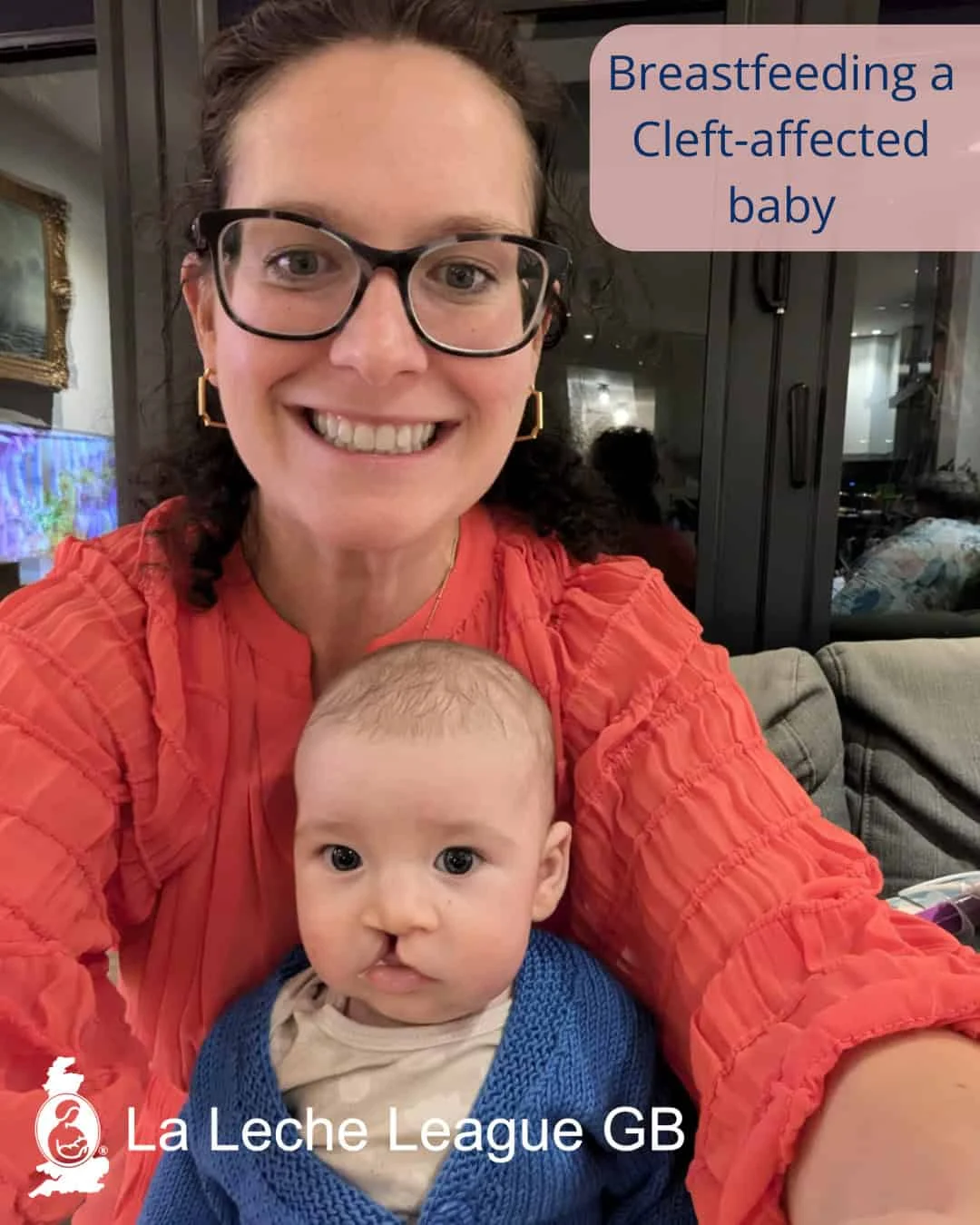
The six weeks leading up to Russell’s antenatal diagnosis had already been profoundly challenging for his parents, marked by a critical family illness that left them emotionally depleted. The 20-week scan, typically a joyous milestone, brought an unexpected revelation that would redefine their pregnancy journey and introduce an unforeseen battle: a diagnosis of cleft lip and palate for their unborn son. This pivotal moment, initially framed by a sonographer’s query, "Have you heard of a cleft lip?", quickly escalated into a daunting prospect when a midwife delivered the stark news that breastfeeding, a deeply cherished aspect of motherhood for Russell’s mother, would likely be impossible.
Understanding Cleft Lip and Palate: A Medical Overview
Cleft lip and palate are among the most common birth differences, affecting approximately 1 in 700 babies globally. This condition occurs when the structures forming the baby’s upper lip or the roof of the mouth (palate) do not fully join during early fetal development. While a cleft lip alone often allows for modified breastfeeding, a cleft palate presents a significant physiological barrier. The integrity of the palate is crucial for creating the necessary suction pressure to extract milk from the breast. Without a fully formed palate, infants cannot generate this suction, making direct breastfeeding unfeasible until surgical repair.
The Cleft Lip and Palate Association (CLAPA) in the UK serves as a vital resource, offering comprehensive support and information to families navigating this complex journey. Their work underscores the importance of early intervention and tailored feeding strategies for affected infants. Medical professionals typically outline a treatment pathway involving multiple surgeries: one to repair the lip, another for the palate, and potentially further reconstructive procedures later in childhood. This medical trajectory, coupled with the immediate feeding challenges, presents a formidable emotional and practical landscape for new parents.
The Emotional Toll and the Quest for Alternatives
For Russell’s mother, who had recently weaned her toddler in preparation for nursing her new baby, the news that she might not be able to breastfeed was profoundly upsetting. Breastfeeding had been a cornerstone of her maternal identity, and the perceived loss triggered a deep sense of grief. However, a specialist nurse offered a glimmer of hope, clarifying that a modified breastfeeding journey might still be possible, albeit different from her previous experience. The extent of the challenge, particularly regarding the palate, would only become clear after Russell’s birth.
Driven by an unwavering determination, Russell’s mother embarked on an exhaustive research quest, trawling websites of organizations like CLAPA and La Leche League (LLL) for examples of successful breastfeeding post-palate surgery. The findings were sparse but offered crucial insights: successful outcomes often hinged on maintaining a robust milk supply and mastering alternative feeding methods.
Pumping and Supplementation: Building a Foundation
Maintaining a sufficient milk supply emerged as a primary focus. Having successfully produced enough milk for her toddler, Russell’s mother felt confident in her ability to meet demand, despite previous difficulties with pumping. Her experience expressing milk, sometimes manually for extended periods to build a freezer stash, provided a foundation of resilience and knowledge. She recognized that with improved pumping techniques, she could likely sustain the necessary supply.
The second critical component involved exploring nursing supplementer systems. These devices are designed to deliver expressed milk to a baby while they are latched at the breast, allowing them to experience the comfort and bonding of breastfeeding without needing to generate suction. Two main types of supplementers were available in the UK: one gravity-fed, offering a slow flow, and another with a squeezable bottle for controlled delivery. Russell’s mother purchased both to experiment, quickly discovering the practical limitations of each. The gravity-fed system proved too slow, while the squeezable bottle, though effective, was awkward to manage, especially when attempting the "dancer hand hold"—a technique often recommended for babies with feeding difficulties due to low muscle tone or prematurity, where the parent’s hand supports the baby’s jaw and chin.
Russell’s Arrival and Innovative Adaptations
Upon Russell’s birth, the immediate priority was to ensure he received colostrum, the nutrient-rich first milk. This was administered via a syringe alongside a finger in his mouth to encourage rudimentary sucking reflexes. The plan was to transition to feeding at the breast with a supplementer once the mother’s milk supply increased.
A serendipitous discovery proved instrumental: some incorrectly ordered syringes happened to fit the supplementer tube perfectly. With the assistance of the midwife team, larger syringes were sourced from the labour ward. These required a clever modification: Russell’s mother drilled a snug hole in their screw-on caps, allowing the supplementer tube to be securely inserted. This DIY adaptation, while requiring careful attention to safety guidelines (e.g., ensuring caps are removed during direct feeding to prevent choking hazards), allowed for controlled milk delivery.

The standard advice for supplementer use typically involves either inserting the tube after the baby has latched or taping it to the breast before latching. However, Russell’s fragile latch, due to the lack of suction, made inserting the tube post-latch impractical. Taping the tube to the breast, while a viable option, presented its own set of challenges, particularly the unwieldy length of tubing and the delicate precision required for a newborn’s small mouth. After frustrating trials with various tapes and placements, a working solution was found, albeit one that sometimes compromised the latch and resulted in milk loss.
Navigating Expert Advice and Parental Intuition
The journey was not without its critics. Russell’s mother sought help from multiple sources, but many healthcare professionals lacked specific experience with such individualized cleft feeding methods. Some voiced legitimate concerns about potential aspiration (choking on milk), reflecting standard medical protocols. Yet, despite these cautions and the inherent difficulties, her determination remained unyielding. She had developed a system that, though unconventional, felt effective and capable of delivering milk at a suitable rate.
The challenge of positioning was another hurdle. The "dancer hold" remained difficult, leading to stress for both mother and baby. Ultimately, after consulting with a specialist at Great Ormond Street Children’s Hospital, the family decided to revert to the familiar cradle hold. While this position sometimes resulted in more milk spilling from Russell’s cleft side, its comfort and familiarity for both mother and baby fostered a more relaxed feeding environment. The focus shifted from rigid adherence to specific techniques to ensuring calm, deep latches and a positive feeding experience. In those early weeks, feeds were often messy, but the emotional and physical benefits of breastfeeding outweighed the frustrations.
Over time, mother and baby developed a remarkable synchronicity. Russell’s mother learned to deliver milk via the syringe in response to his cues, pausing when he paused. This responsiveness ensured he wasn’t overwhelmed or left frustrated by a sudden cessation of milk flow. The profound connection forged through this adaptive breastfeeding journey was evident to close friends. One friend, initially puzzled by the immense effort, understood its significance after witnessing a feed, remarking, "I was already breastfeeding." Another friend, observing them from a distance, joyfully exclaimed, "Oh, so the worries about Russ not being able to breastfeed didn’t come to fruition!" These moments of affirmation provided immense validation.
However, not all feedback was positive. A paediatrician, adhering to established guidelines, expressed reservations about their method, advocating for "safe and effective" specialist cleft bottles. Such comments, particularly from healthcare professionals, were hurtful and required considerable resilience to dismiss. Russell’s mother remained convinced of their path, citing Russell’s consistent weight gain and evident enjoyment of feeding at the breast. While the supplementer was a necessity, the core act of breastfeeding and its myriad benefits—nutritional, immunological, and emotional—were being achieved.
Evolution and Breakthroughs: A Journey of Adaptation
Around ten weeks of age, Russell began to show increased discomfort with the tape used to secure the supplementer tube. This prompted further adaptation, gradually moving the tape further from the nipple and eventually eliminating it entirely. This required heightened coordination but became manageable as both mother and baby grew more accustomed to the process. The journey was marked by occasional setbacks, where Russell might become upset or refuse to feed. In these moments, his mother wisely reminded herself that "he’s a baby first, and has a cleft second," recognizing that many feeding challenges are universal to infants, such as distraction around three months of age.
The major turning point arrived with Russell’s surgeries. He underwent reconstructive surgery for his lip and hard palate. The immediate post-operative period was difficult, with Russell initially refusing anything but bottles while recovering from morphine. However, once he began feeding from the supplementer again, he rejected bottles, perhaps associating them with the discomfort of recovery. This period, while exhausting due to the constant expressing and feeding, highlighted the strength of the bond forged through their unique breastfeeding approach. The unwavering support from her husband, who managed bottle washing, night feeds while she pumped, and offered crucial reassurance, was indispensable. Their journey became a testament to teamwork, with every supplementer feed seen as a bonus for Russell’s health and their connection.
Just before his first birthday, Russell had his palate surgery. The surgeon advised avoiding suction for a month. Yet, almost immediately, Russell’s mother felt him attempting to suck at the breast—a sensation never experienced before. Four weeks post-surgery, a remarkable breakthrough occurred: Russell discovered how to use a straw, and the very next day, he began actively sucking and swallowing at the breast. This was the culmination of over a year of dedicated effort.
From Supplementer to Direct Breastfeeding: A Gradual Triumph
From that pivotal moment, progress was gradual but steady. The supplementer, a constant companion for 15 months, was used less and less as Russell learned to extract more milk independently. His mother was finally able to stop daily pumping, a monumental relief after more than a year of relentless expressing.
Russell’s latch, initially unconventional, proved effective and ensured his contentment. Today, he continues to breastfeed once or twice a day. This outcome, once deemed impossible by initial medical advice and a source of deep grief, stands as a powerful testament to maternal determination, innovative problem-solving, and the enduring bond between a mother and her child. Russell’s journey exemplifies that with perseverance, support, and an adaptive spirit, the path to nurturing a child can defy conventional expectations, proving that breastfeeding, in its broadest sense, is truly about connection and nourishment, however it is achieved.
