

The landscape of modern home cooking is increasingly defined by the intersection of nutritional density and time efficiency, a trend exemplified by the emergence of streamlined, plant-based meal solutions. As families navigate the complexities of balanced diets and demanding schedules, the introduction of an easy one-pot veggie quinoa recipe offers a practical response to the nutritional needs of both adults and toddlers. This culinary development centers on a meal that is prepared in under 20 minutes, utilizing a single cooking vessel to maximize flavor retention while minimizing cleanup requirements. By integrating three distinct vegetables and a high-protein grain, the recipe addresses a critical gap in the "quick-fix" dinner market, which often sacrifices dietary quality for speed.
The Evolution of the One-Pot Nutritional Model
The transition toward one-pot meals is not merely a matter of convenience but a strategic shift in domestic food preparation. Historically, complex meals requiring multiple pans and extended simmering times were the standard for achieving depth of flavor. However, the contemporary "Veggie Quinoa" model utilizes the absorption method—where the grain cooks directly in broth alongside finely diced vegetables—to ensure that nutrients often lost in boiling water are instead retained within the final dish. This specific recipe was developed as an evolution of the "Veggie Orzo" concept, substituting pasta with quinoa to enhance the fiber and protein profile of the meal.
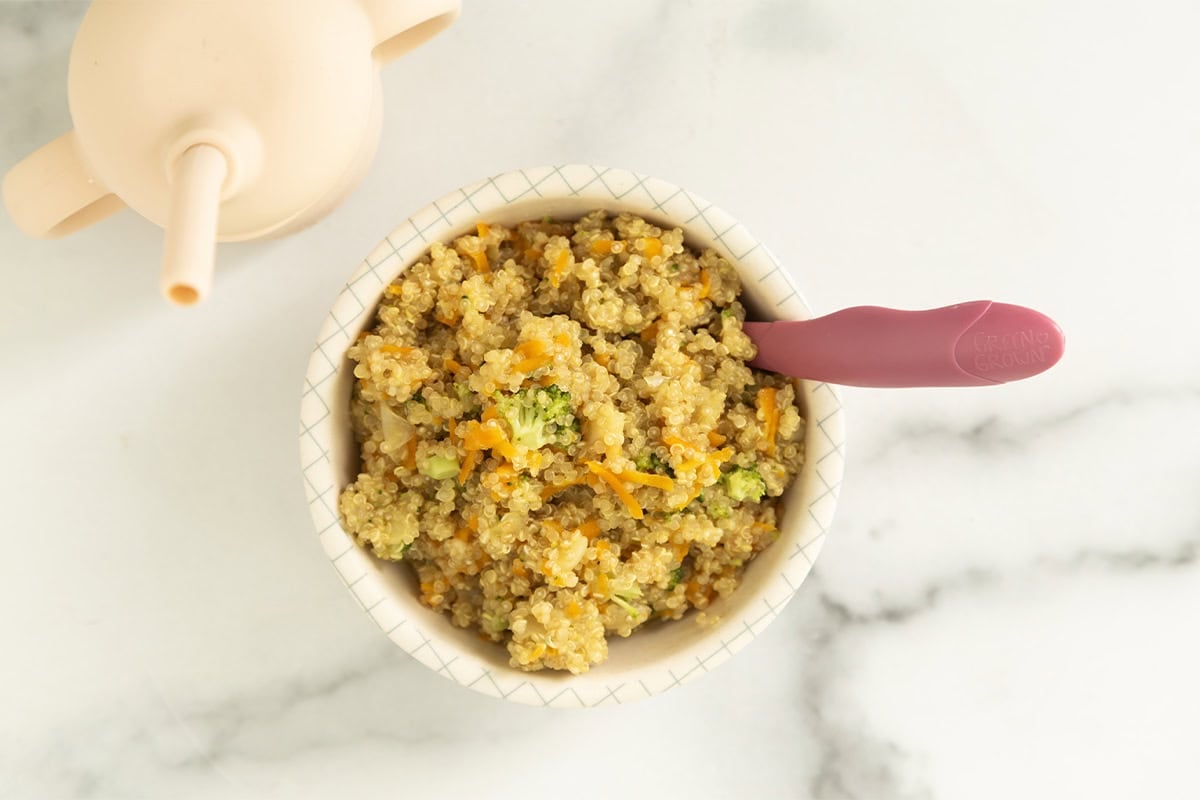
Quinoa, a pseudo-cereal originating from the Andean region of South America, has seen a global surge in popularity over the last two decades. Its inclusion in family-oriented recipes is particularly significant because it is one of the few plant foods that contains all nine essential amino acids, making it a complete protein. For parents managing the diets of young children, this provides a reliable vegetarian protein option that supports growth and development without the necessity of meat-based components.
Chronology of Preparation and Culinary Logistics
The efficiency of the veggie quinoa recipe is rooted in a highly compressed timeline that allows for a "prep-to-plate" duration of less than 20 minutes. The process begins with the selection of a wide, deep skillet, which increases the surface area for evaporation and ensures even heat distribution.
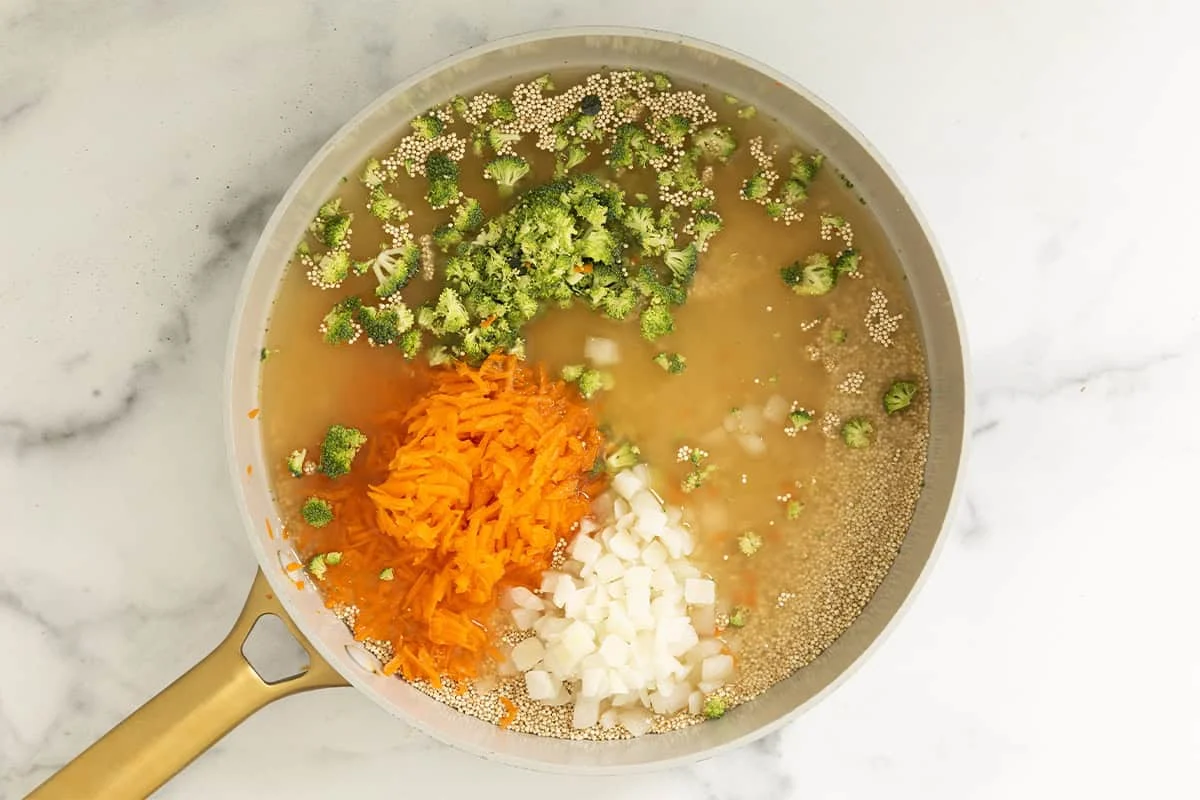
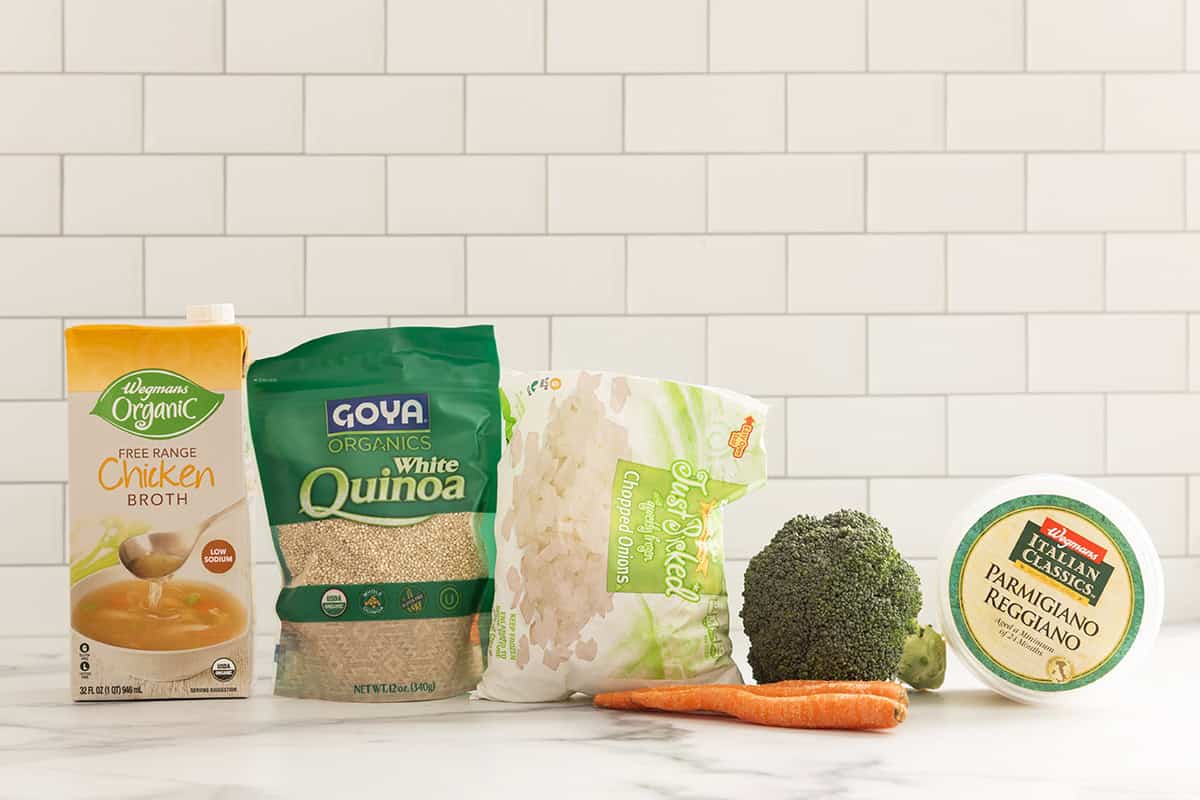
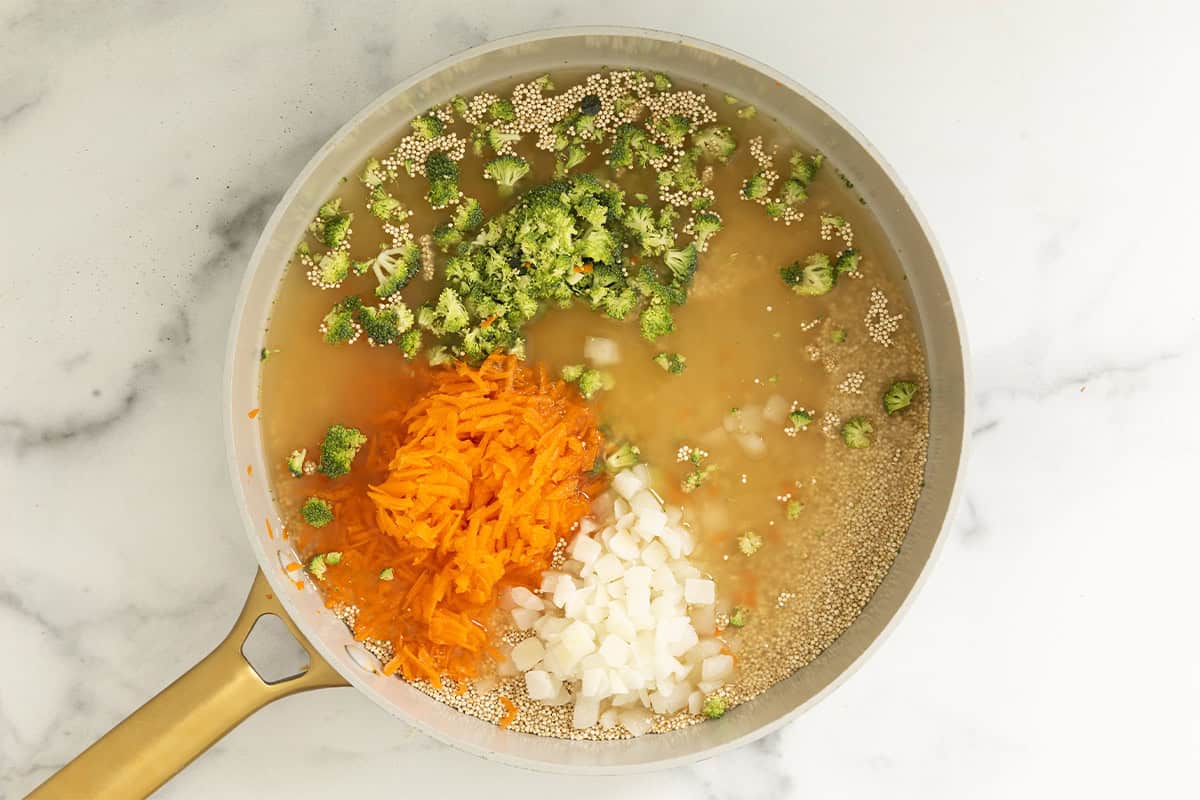
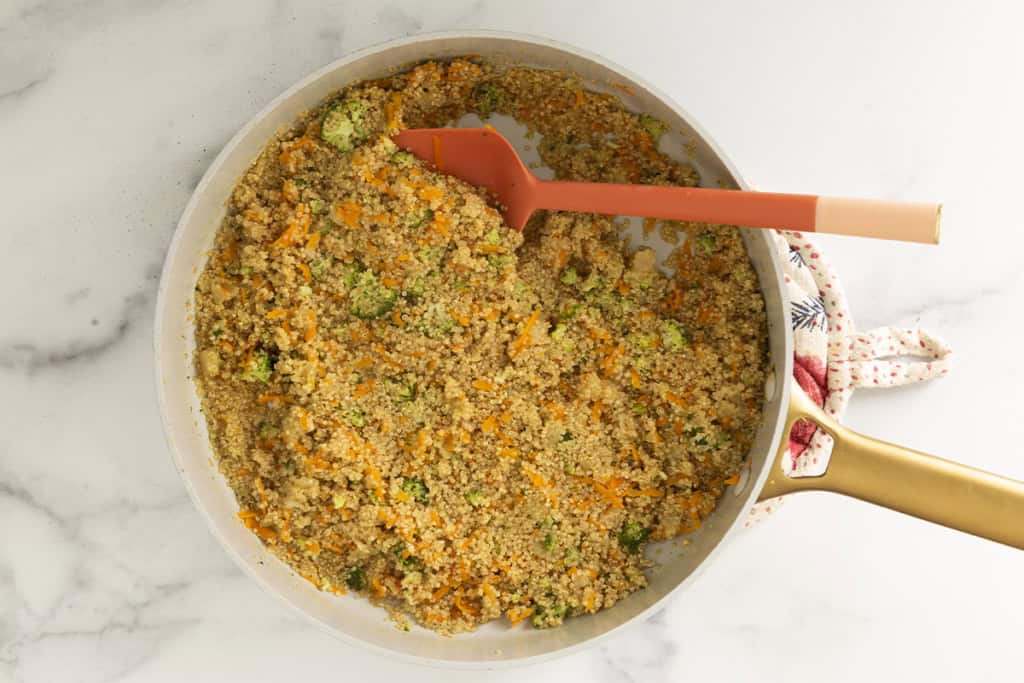
- Initial Integration: The process commences with the simultaneous addition of quinoa, broth, and a trio of finely diced vegetables to the skillet. Unlike traditional risotto methods that require incremental liquid addition, this method relies on a precise grain-to-liquid ratio to achieve a fluffy texture.
- The Simmering Phase: Once the mixture reaches a boil, the heat is reduced to a simmer. Over the course of approximately 12 to 15 minutes, the quinoa seeds expand and become translucent, while the "germ" (the small spiral tail) detaches, indicating the grain is fully cooked.
- The Absorption Finish: The final stage involves the complete absorption of the broth, which has been infused with the flavors of the carrots, peas, and other selected greens. This stage is critical for the development of a cohesive flavor profile that appeals to sensitive palates, particularly those of toddlers.
This streamlined chronology eliminates the need for pre-boiling or separate sautéing, a significant advantage for caregivers operating within the "witching hour" of evening meal preparation.
Nutritional Profile and Supporting Data Analysis
From a clinical nutrition perspective, the veggie quinoa dish provides a robust macronutrient distribution. Based on a standard four-serving yield, the nutritional data reveals a meal that is both calorie-controlled and nutrient-dense.
- Caloric Content: Each serving contains approximately 242 calories, making it a substantial but not overly heavy dinner option.
- Protein and Fiber: With 12 grams of protein and 4 grams of fiber per serving, the meal promotes satiety and aids in digestive health. The fiber content is particularly noteworthy for pediatric diets, where adequate intake is essential for metabolic regularity.
- Micronutrients: The recipe is exceptionally high in Vitamin A (2860 IU), primarily derived from the carrot component, which is vital for immune function and vision. It also provides significant levels of Calcium (161 mg) and Iron (2 mg), minerals that are often under-consumed in standard western diets.
- Sodium Management: While the recipe lists 893 mg of sodium, culinary experts note that this figure can be significantly reduced by utilizing low-sodium or "no salt added" vegetable broths, allowing for greater customization based on family health requirements.
Implications for Pediatric Nutrition and Picky Eaters
The "veggie-packed" nature of the dish addresses one of the most persistent challenges in pediatric nutrition: the refusal of whole vegetables. By dicing carrots and peppers into small, uniform pieces, the recipe utilizes a "texture-integration" strategy rather than a "stealth" strategy. Nutritionists often argue that while hiding vegetables in purees can increase vitamin intake, integrating them into visible but manageable textures helps children develop a long-term familiarity with different food groups.
The soft, spoonable texture of the cooked quinoa is specifically designed for toddlers who may still be refining their motor skills or those transitioning from softer foods to more complex solids. The ability to pair the quinoa with familiar sides—such as baked chicken meatballs or tofu nuggets—allows parents to utilize the "food chaining" technique, where a new or less-preferred food (quinoa) is served alongside a highly accepted one.
Economic and Environmental Impact of Plant-Based Grains
The adoption of quinoa-based meals also carries broader implications for household economics and environmental sustainability. On a per-protein-gram basis, quinoa and frozen vegetables are often more cost-effective than high-quality animal proteins, particularly when purchased in bulk. This makes the one-pot veggie quinoa an accessible option for families across various socioeconomic brackets.
Furthermore, the environmental footprint of quinoa production, while subject to scrutiny regarding its impact on Andean farmers, generally remains lower than that of industrial livestock farming. By shifting even one or two meals per week to a plant-based "superfood" model, households contribute to a reduction in water usage and greenhouse gas emissions associated with meat production.
Expert Reactions and Culinary Customization
Culinary professionals and home cooks alike have noted the versatility of the one-pot method. While the core recipe focuses on a mild flavor profile suitable for children, it serves as a "blank canvas" for adult palates. Expert recommendations for "enriching" the adult portion of the dish include:
- The addition of fresh lemon zest and minced herbs (basil or parsley) post-cooking to add brightness.
- The integration of crushed red pepper or feta cheese for a more complex flavor profile.
- The use of bell peppers or frozen mixed vegetables to vary the color and nutrient density.
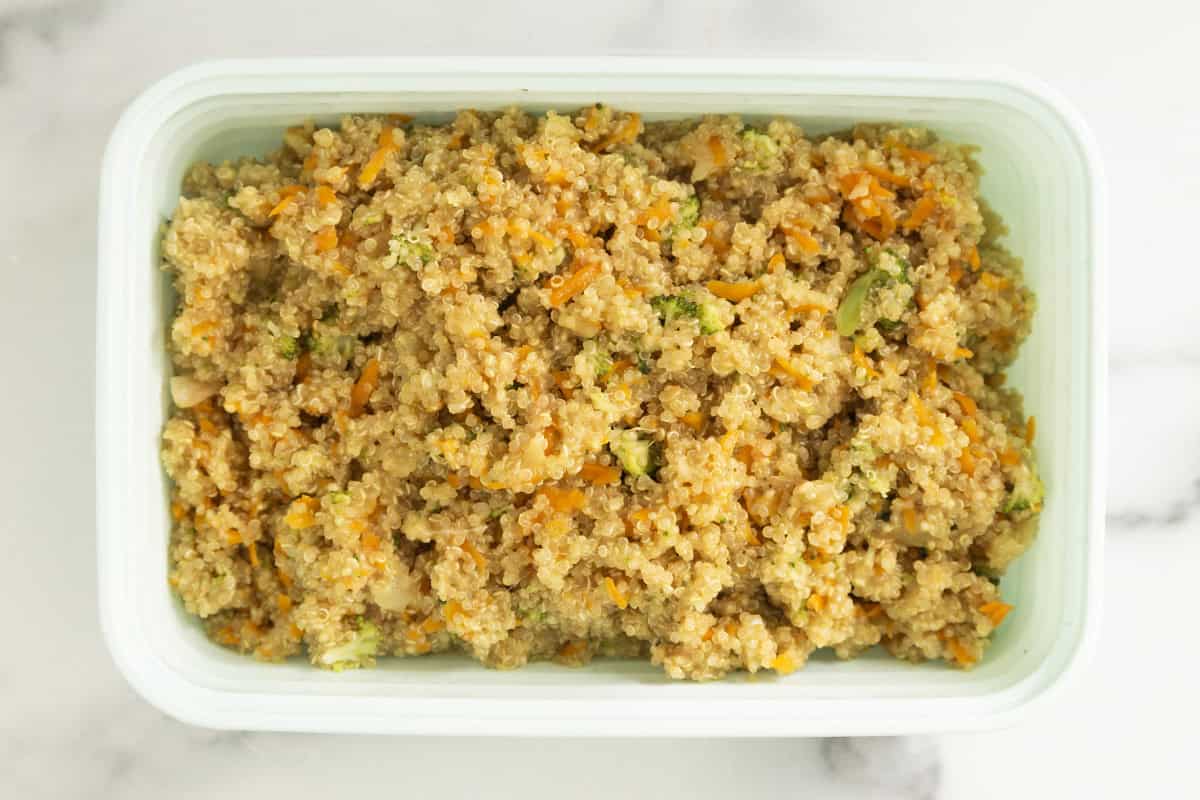
The flexibility of the recipe is further evidenced by its storage capabilities. It remains stable in airtight containers for up to five days, making it an ideal candidate for "meal prepping," a practice that has seen a 30% increase in household adoption over the last five years as a strategy to combat food inflation and time poverty.
Broader Impact on Domestic Cooking Trends
The success of the 20-minute veggie quinoa is indicative of a larger movement toward "functional cooking." This movement prioritizes recipes that fulfill multiple roles: they must be nutritionally complete, allergen-friendly (quinoa is naturally gluten-free), and logistically simple. As the "superfood" trend matures, the focus has shifted from exotic ingredients to the practical application of these ingredients in everyday life.
The move away from multi-step, labor-intensive recipes toward one-pan solutions reflects a cultural acknowledgement of the "mental load" associated with domestic labor. By reducing the number of decisions (one pot) and the time spent on cleanup, such recipes alleviate some of the stress associated with maintaining a healthy household.
In conclusion, the one-pot veggie quinoa recipe represents more than just a convenient dinner option. It is a synthesis of modern nutritional science, Andean agricultural heritage, and the practical demands of 21st-century family life. As dietary patterns continue to evolve toward plant-forward models, the ability to produce a high-protein, veggie-rich meal in less than 20 minutes will likely remain a cornerstone of efficient home kitchen management. The dish stands as a testament to the fact that high-quality nutrition does not have to be time-consuming, expensive, or complex, providing a blueprint for the future of family-centric culinary development.
