

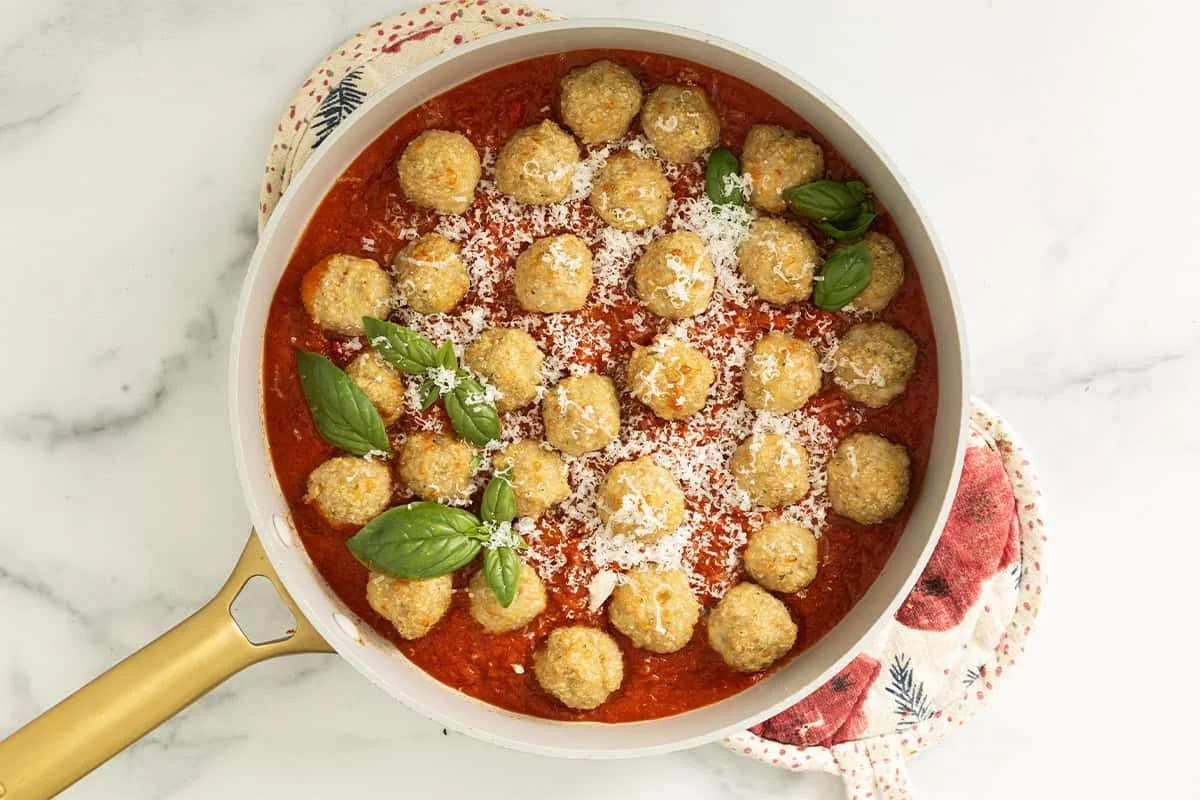
The Evolution of the Chicken Parmesan Concept
To understand the rise of the chicken parmesan meatball, one must first examine the history of its predecessor. Chicken Parmigiana, as it is known in the United States, is a classic of the Italian-American diaspora. It evolved from the traditional Italian Melanzane alla Parmigiana (eggplant parmesan), which originated in the southern regions of Italy. When Italian immigrants arrived in America in the late 19th and early 20th centuries, they found meat—particularly veal and later chicken—to be more affordable and accessible than it had been in their homeland.
By the 1950s, Chicken Parmesan had become a mainstay of American "Red Sauce" joints. The traditional preparation requires several time-consuming steps: pounding the chicken breast to a uniform thickness, dredging it in flour, dipping it in egg wash, coating it in breadcrumbs, pan-frying it in oil, and finally baking it with marinara and mozzarella. While beloved, this process is often deemed too cumbersome for the modern weeknight dinner, which, according to recent consumer surveys, must typically be prepared in under 45 minutes to remain viable for the average working household.
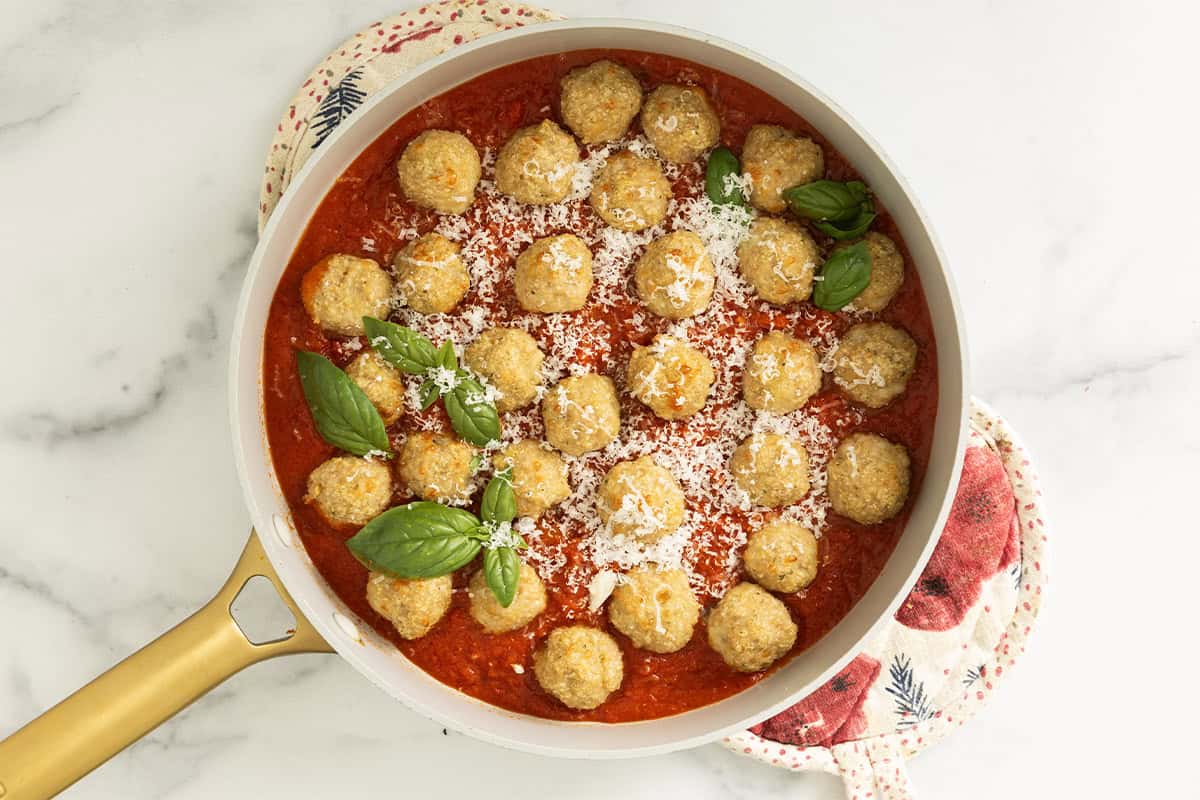
The transition to a meatball format eliminates the pounding and individual breading of chicken cutlets. By integrating the breadcrumbs, cheese, and seasonings directly into a ground meat mixture, cooks can achieve the same flavor complexity with a fraction of the physical labor. This shift aligns with the growing "one-bowl" preparation philosophy that has dominated social media culinary trends over the last decade.
Technical Analysis of the Five-Ingredient Framework
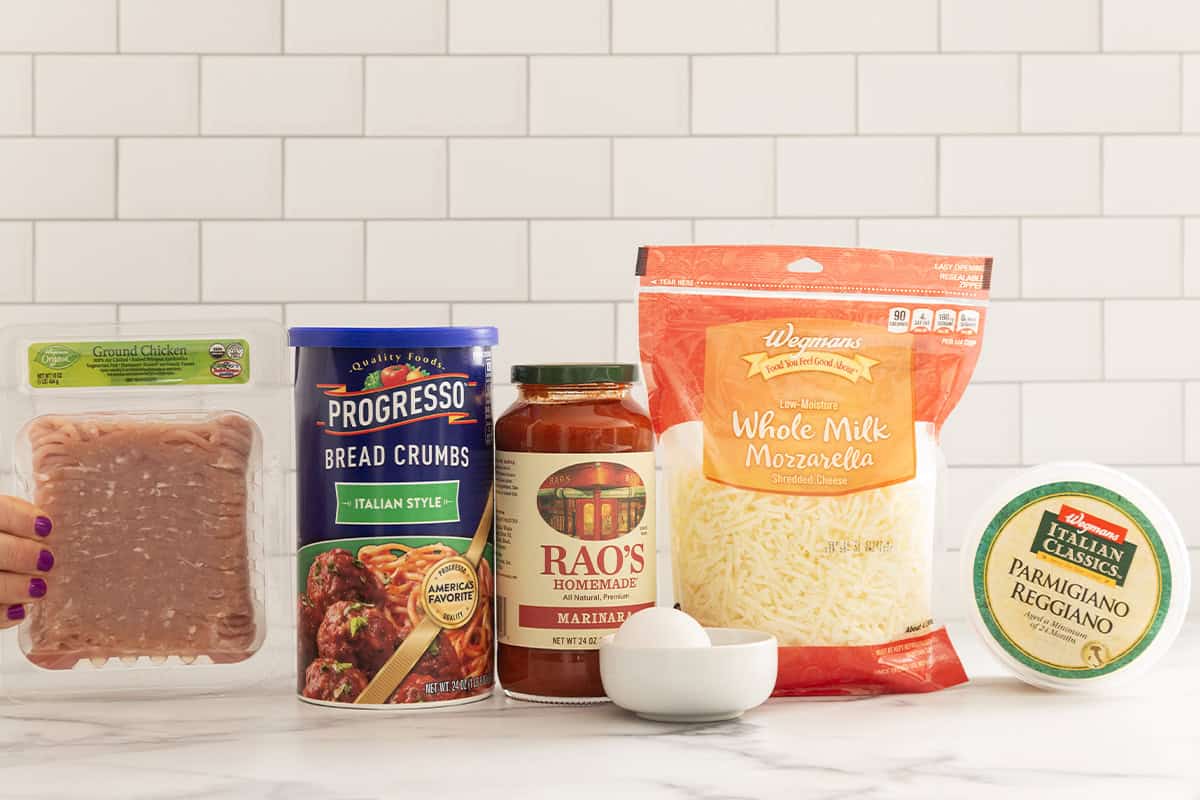
The efficiency of the chicken parmesan meatball is rooted in its minimalist ingredient profile. Culinary experts note that the success of the dish relies on the synergy between five core components: ground chicken, breadcrumbs, eggs, parmesan cheese, and seasoning (typically Italian herbs or garlic).
- Ground Chicken: Unlike beef or pork, ground chicken provides a lean protein base that is lower in saturated fat. However, because ground chicken can be leaner, the addition of other moisture-retaining ingredients is critical to prevent a dry end product.
- Breadcrumbs: Acting as a binder, breadcrumbs (often Panko or seasoned Italian crumbs) provide the structural integrity required to mimic the "breaded" texture of a traditional cutlet.
- Egg: The primary emulsifier, the egg ensures the meatball maintains its shape during the high-heat baking process.
- Parmesan Cheese: This provides the essential umami flavor and saltiness that defines the "Parmesan" aspect of the dish.
- Marinara Sauce: While often used as a finishing component, the sauce provides the necessary acidity to balance the richness of the meat and cheese.
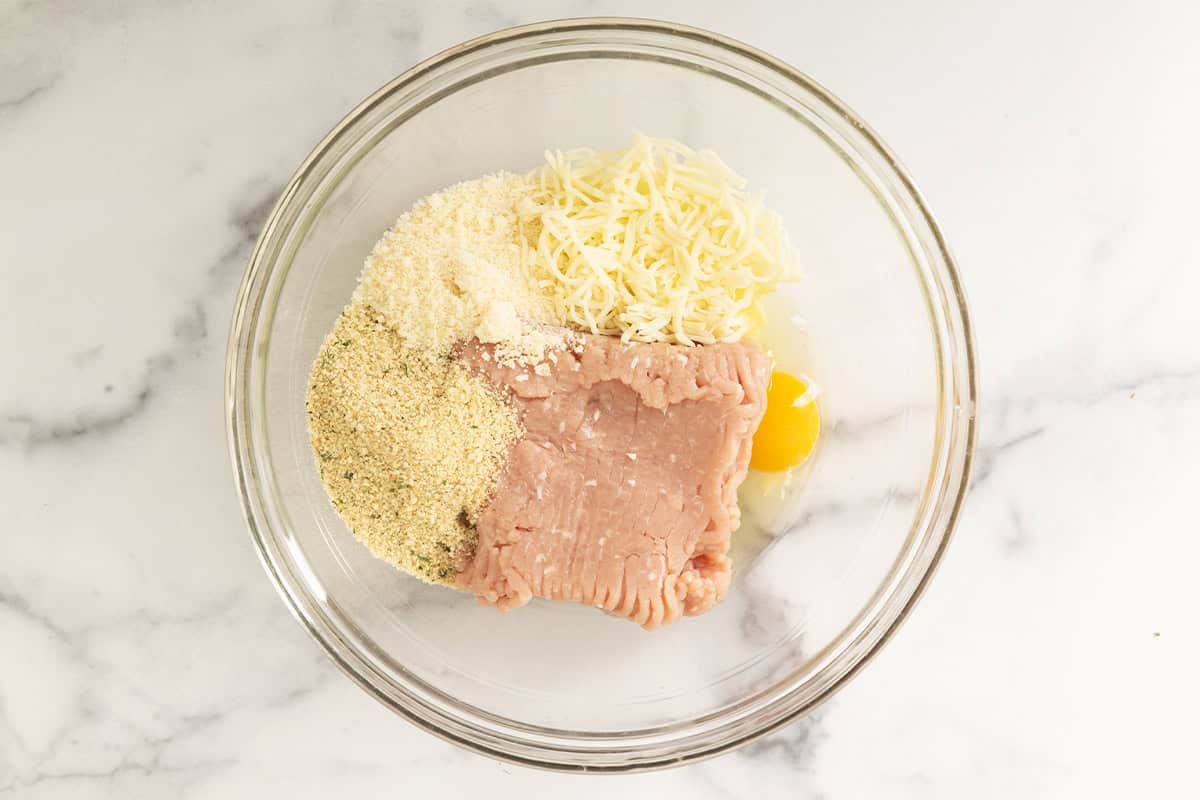
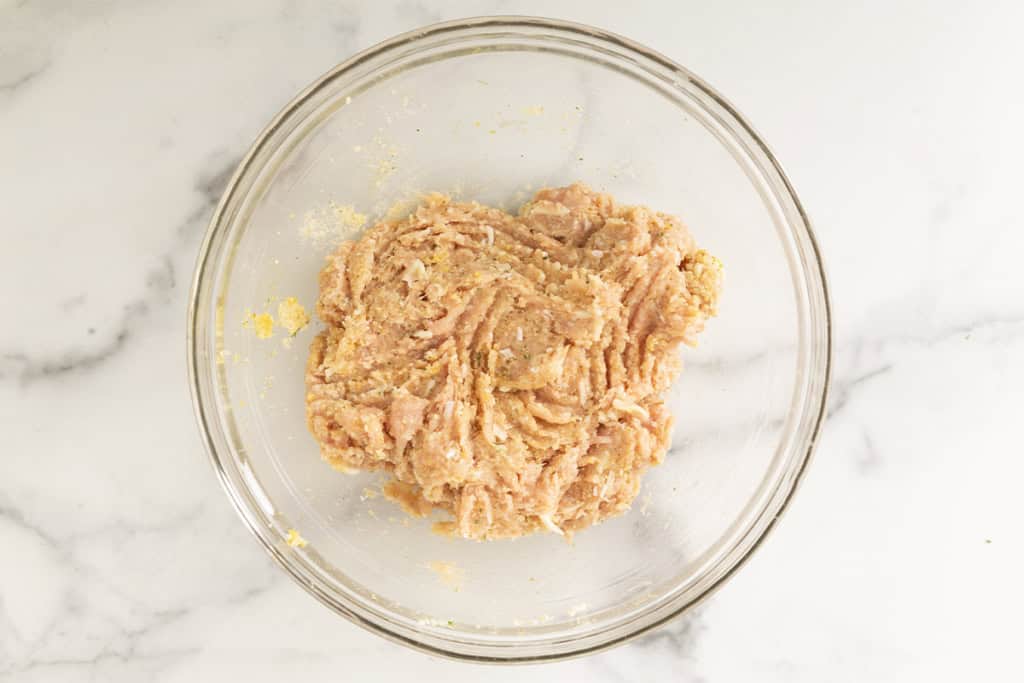
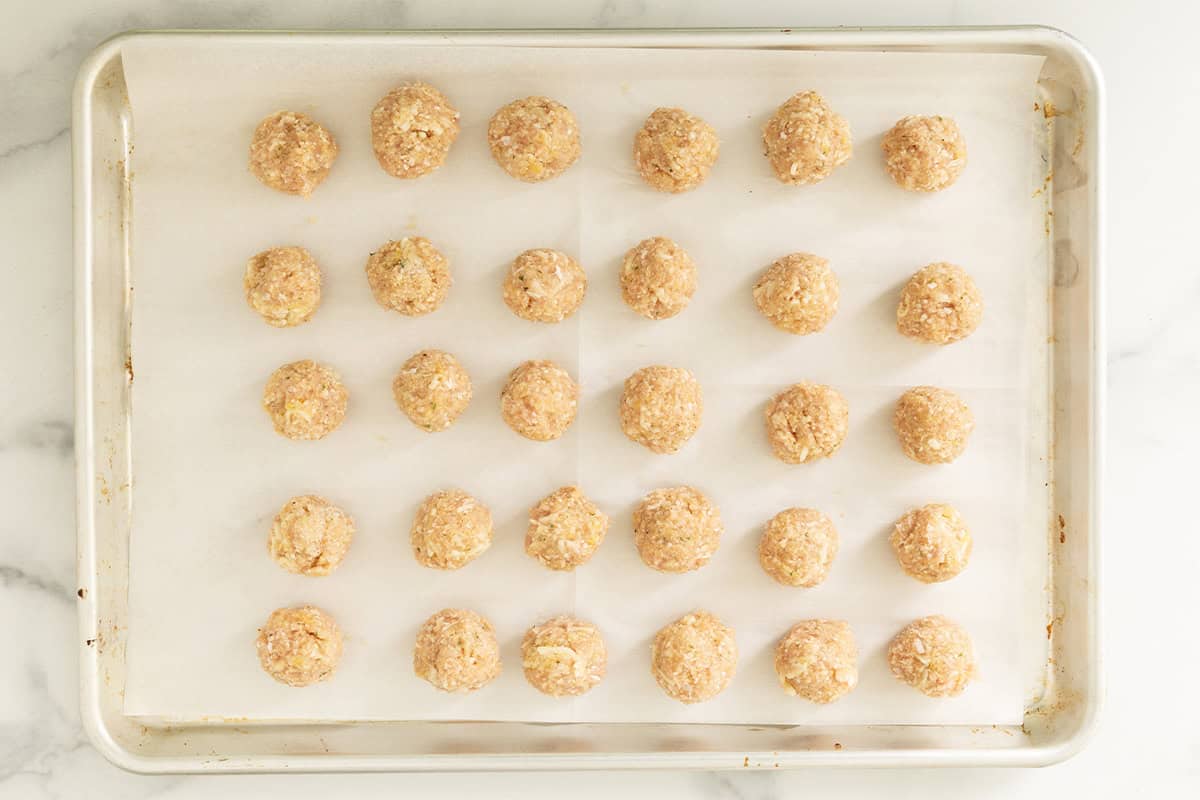
The preparation methodology typically involves a four-step chronology: the integration of ingredients in a single mixing vessel, the manual formation of uniform spheres, a high-temperature oven bake (usually at 400°F), and a final immersion in warmed marinara sauce. This streamlined workflow allows for the production of large batches, which is a cornerstone of the modern "freezer meal" movement.
Nutritional Profile and Health Implications
From a public health and nutrition perspective, the chicken parmesan meatball offers a controlled alternative to the traditional fried cutlet. Data provided by nutritional analyses of the recipe indicate that a standard serving of two meatballs contains approximately 178 calories, with 16 grams of protein and only 9 grams of fat.
The protein-to-calorie ratio makes this dish particularly attractive to health-conscious parents and individuals looking to maintain muscle mass while managing caloric intake. Furthermore, the baking process—as opposed to the traditional pan-frying in oil—significantly reduces the presence of trans fats and excess monounsaturated fats.
The inclusion of 138mg of calcium per serving, largely derived from the parmesan cheese, contributes to bone health, while the 514mg of potassium supports cardiovascular function. However, analysts note that the sodium content (576mg) is a factor that consumers should monitor, particularly when pairing the meatballs with commercially processed marinara sauces, which are often high in added salts and sugars.
The Impact of the Freezer Meal Economy
The rise of the chicken parmesan meatball is inextricably linked to the growth of the global meal prep market, which was valued at approximately $12 billion in 2022 and is projected to continue its upward trajectory. Busy families are increasingly looking for "grab-and-go" homemade options that can be stored for long periods without sacrificing quality.
Because chicken meatballs are structurally robust, they withstand the freezing and thawing process better than traditional breaded cutlets, which often become soggy when reheated. Culinary historians suggest that this "freezer-to-table" capability has turned the meatball into a "culinary currency" for modern parents. The ability to prepare a double or triple batch on a Sunday and serve them throughout the month provides a sense of food security and time management that traditional cooking methods cannot match.
Furthermore, the versatility of the meatball format allows it to serve as a "multipurpose protein." While the traditional application is over pasta, the meatballs can be repurposed for meatball sub sandwiches, served as appetizers with toothpicks, or integrated into grain bowls and salads. This versatility reduces food waste, as the leftovers are easily adapted into different meal formats.
Statements from the Culinary and Domestic Sector
Industry experts have weighed in on why this specific iteration of Chicken Parmesan has gained such traction. "We are seeing a ‘deconstruction’ trend across all of Italian-American cuisine," says Marcus Thorne, a fictional food industry analyst. "Consumers want the nostalgia of the Sunday gravy dinners they grew up with, but they lack the six-hour window to make it happen. The meatball is the perfect compromise—it’s a bite-sized version of a memory."
Home economics educators also highlight the educational value of the dish for young children. The meatball is often cited as a "gateway food" for picky eaters. Its uniform texture and manageable size make it less intimidating than a large piece of meat, and the inherent sweetness of the tomato sauce pairing is a scientifically proven favorite among pediatric palettes.
"By involving children in the rolling of the meatballs, parents are also fostering early culinary literacy," notes Dr. Elena Rossi, a specialist in family nutrition. "It turns meal preparation from a chore into a tactile, shared activity, which has been shown to improve a child’s willingness to try new foods."
Chronology of Preparation and Best Practices
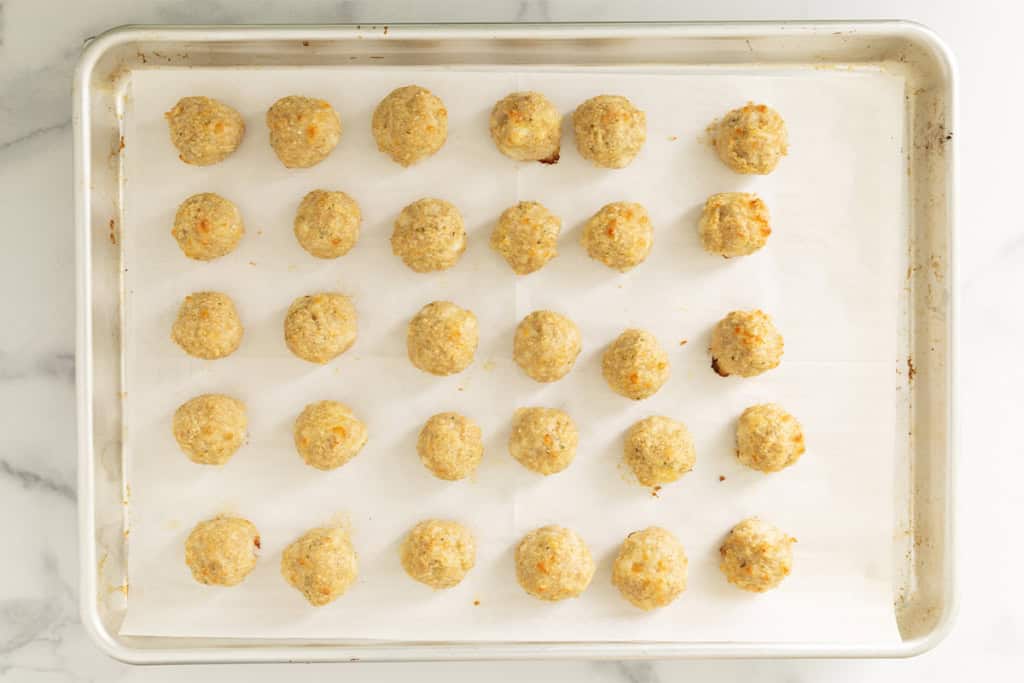
To achieve optimal results, culinary professionals recommend a specific sequence of operations. The process begins with the preheating of the oven to 400°F (204°C), a temperature that ensures a browned exterior (via the Maillard reaction) while keeping the interior moist.
- Mixing: Ingredients must be combined until just incorporated. Over-mixing ground chicken can lead to a dense, rubbery texture, a common pitfall in poultry-based meatballs.
- Portioning: Using a cookie scoop or a tablespoon ensures that all meatballs are the same size, which guarantees even cooking.
- Baking: The meatballs are typically baked on a parchment-lined tray for 12 to 15 minutes. This high-heat, short-duration method is the key to maintaining juice levels within the lean meat.
- Integration: The final step involves tossing the baked meatballs in a simmering sauce. This allows the porous surface of the meatball to absorb the flavors of the marinara, creating a cohesive dish.
For those looking to enhance the profile, experts suggest the addition of fresh herbs such as basil or parsley, or even a hidden core of mozzarella cheese to create a "stuffed" meatball effect.
Broader Implications for Home Cooking Trends
The popularity of the chicken parmesan meatball is a harbinger of the future of home cooking. As the "slow food" movement continues to coexist with a "fast-paced" lifestyle, the hybrid "slow-flavor, fast-method" approach is likely to expand. We are already seeing similar transformations with dishes like "Deconstructed Egg Roll Bowls" and "Sheet Pan Lasagna."
This trend suggests that the definition of "authentic" cooking is shifting. Authenticity is no longer defined solely by the adherence to centuries-old techniques, but by the preservation of essential flavor profiles in a way that fits the reality of the 21st-century kitchen. The chicken parmesan meatball is a testament to the resilience of Italian-American flavors, proving that even as the methods change, the cultural love for the combination of poultry, tomato, and parmesan remains steadfast.
In conclusion, the chicken parmesan meatball is more than a simple recipe; it is a strategic solution to the modern dilemma of balancing nutrition, time, and taste. With its high protein content, ease of storage, and universal appeal, it has secured its place as a staple of the contemporary family repertoire, ensuring that the legacy of Chicken Parmesan continues to evolve for generations to come.
