

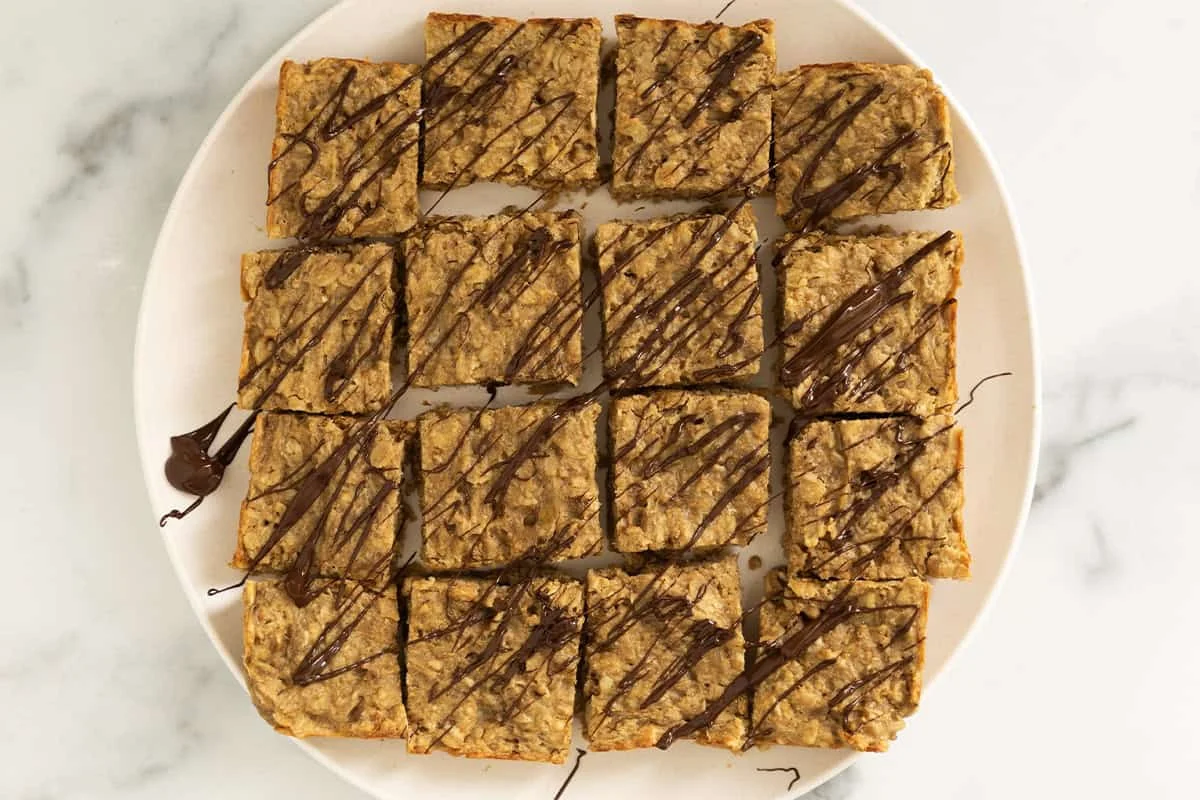
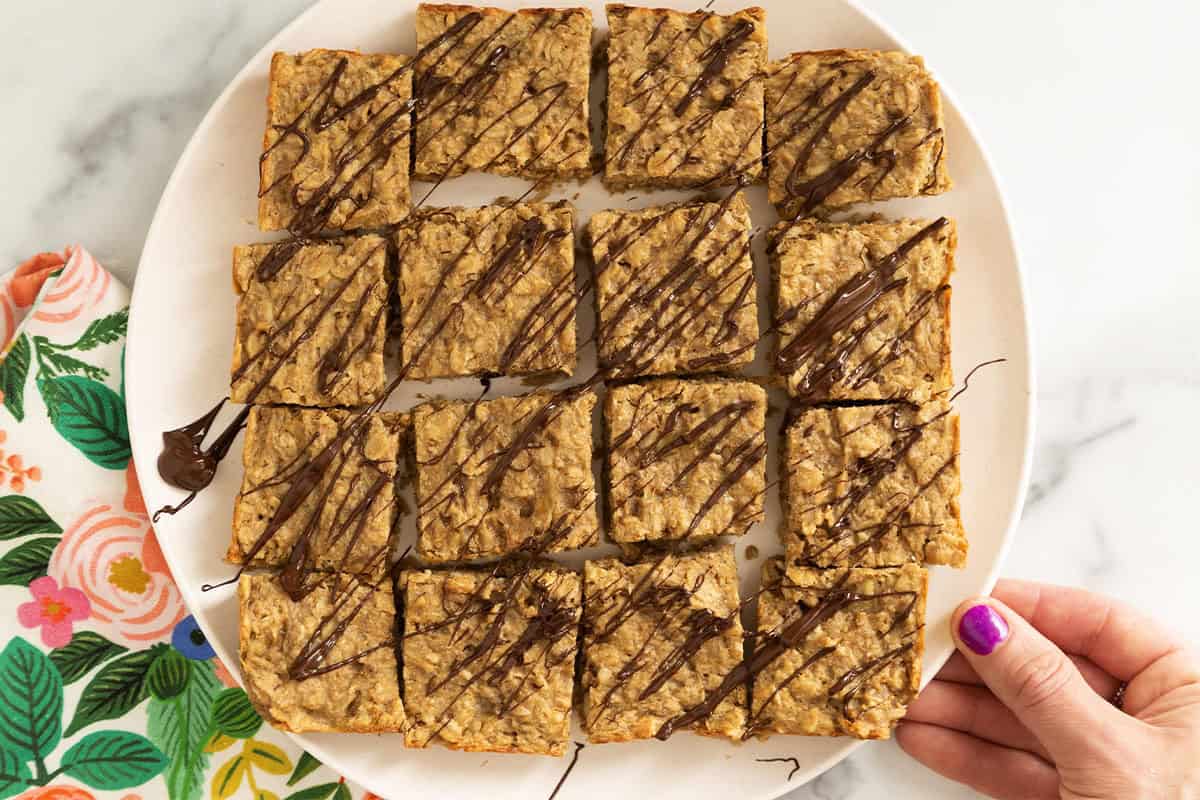
In an era defined by fluctuating grocery prices and an increased focus on pediatric nutrition, a minimalist approach to homemade snack preparation is gaining significant traction among caregivers and nutritionists alike. The emergence of the five-ingredient Peanut Butter Oatmeal Bar represents a strategic intersection of culinary simplicity, dietary functionality, and economic efficiency. This specific formulation, characterized by a texture reminiscent of traditional soft peanut butter cookies, serves as a versatile dietary staple that addresses the modern demand for make-ahead breakfasts and nutrient-dense snacks for toddlers and school-aged children.
The recipe’s primary appeal lies in its streamlined ingredient list, which utilizes common pantry staples to create a product that competes with processed, store-bought granola bars. By leveraging the natural binding properties of mashed bananas and the structural integrity of oats, the bars provide a balanced profile of macronutrients without the reliance on high-fructose corn syrups or artificial preservatives frequently found in commercial alternatives.
The Evolution of Minimalist Home Cooking and Nutritional Standards
The shift toward five-ingredient recipes is not merely a matter of convenience; it is a response to the growing "clean label" movement within domestic kitchens. As parents become increasingly wary of ultra-processed foods (UPFs), the demand for transparent, whole-food recipes has surged. Peanut Butter Oatmeal Bars fulfill this requirement by utilizing ingredients that are easily identifiable and nutritionally robust.
Oats, the foundational element of these bars, are recognized by health professionals for their high content of beta-glucan, a type of soluble fiber associated with improved heart health and sustained energy release. When combined with peanut butter—a source of monounsaturated fats and plant-based protein—the resulting snack offers a satiety level that is often lacking in refined-flour snacks. This combination is particularly beneficial for children, whose high metabolic rates require consistent energy sources to maintain focus and physical activity throughout the day.
Chronology of Preparation and Technical Methodology
The production of these bars follows a precise chronological sequence designed to optimize texture and ensure shelf stability. The process begins with the selection of overripe bananas, which serve a dual purpose: providing natural sweetness and acting as a humectant to keep the bars soft.
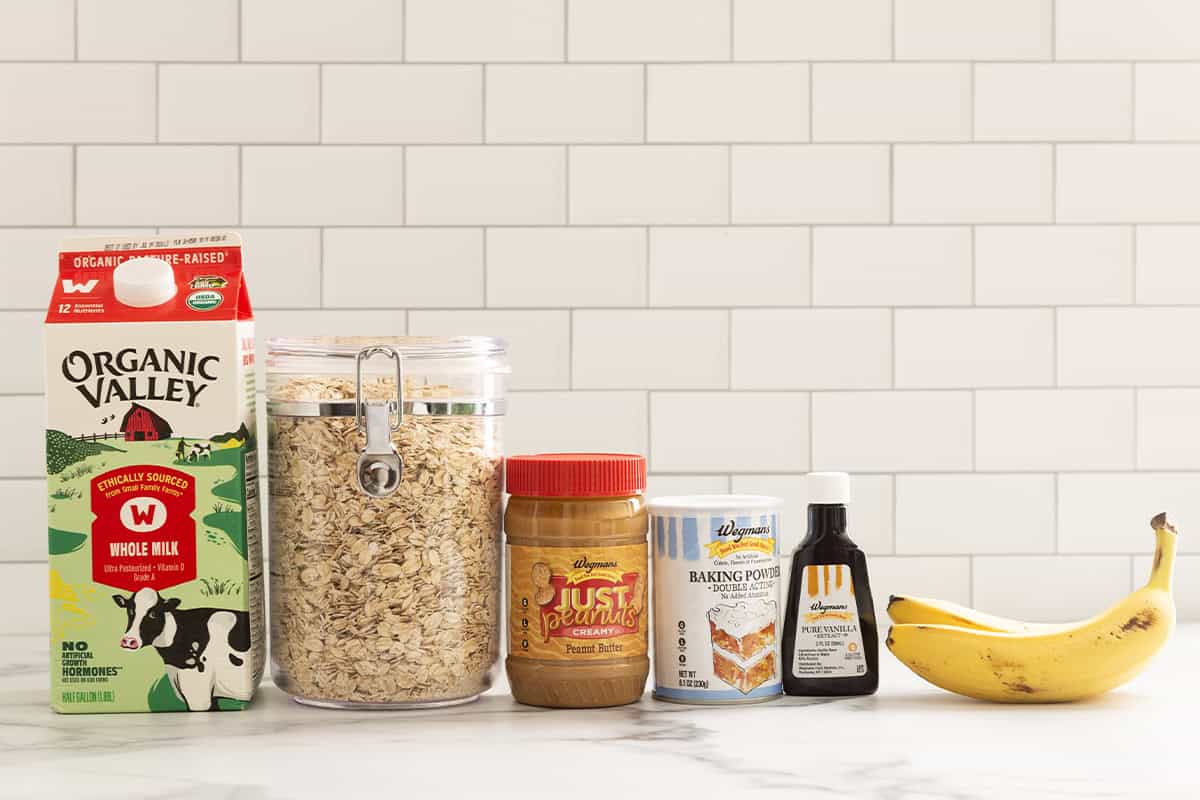
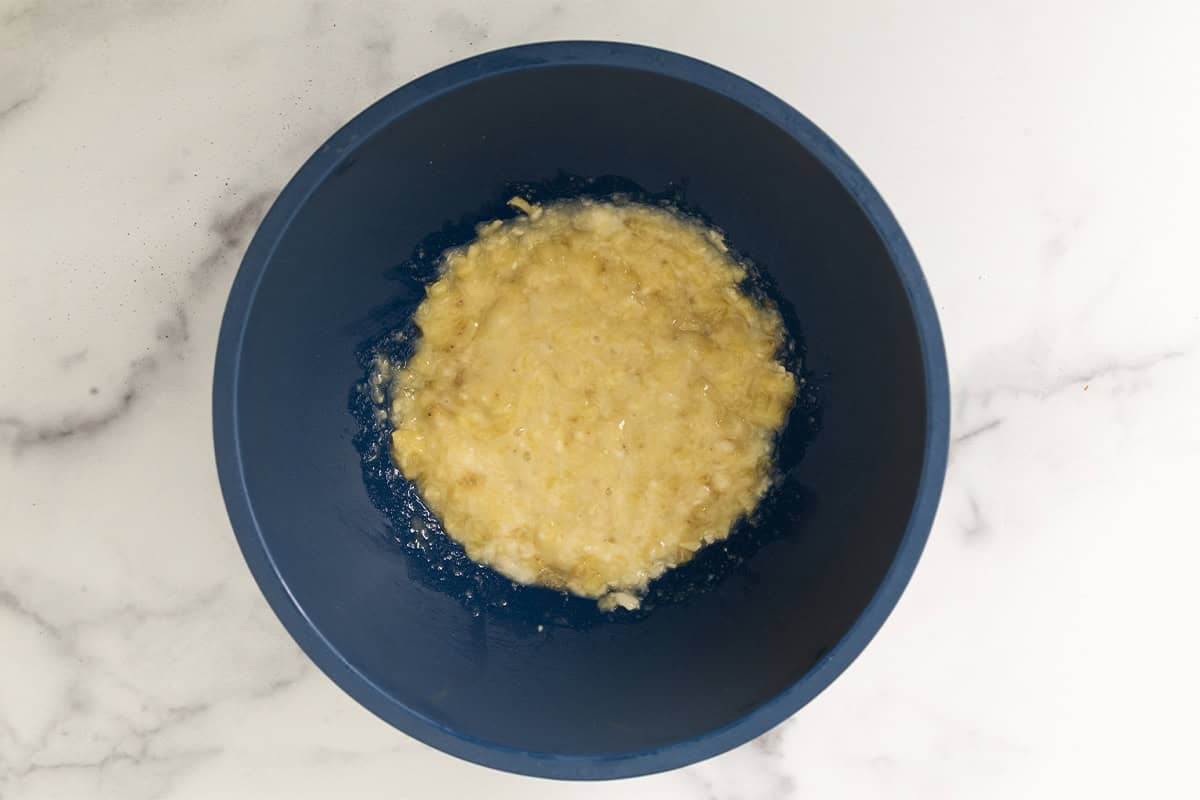
- Phase One: Preparation of the Base: The process initiates with the mechanical mashing of bananas until a smooth consistency is achieved. This fluid base is essential for the even distribution of other ingredients.
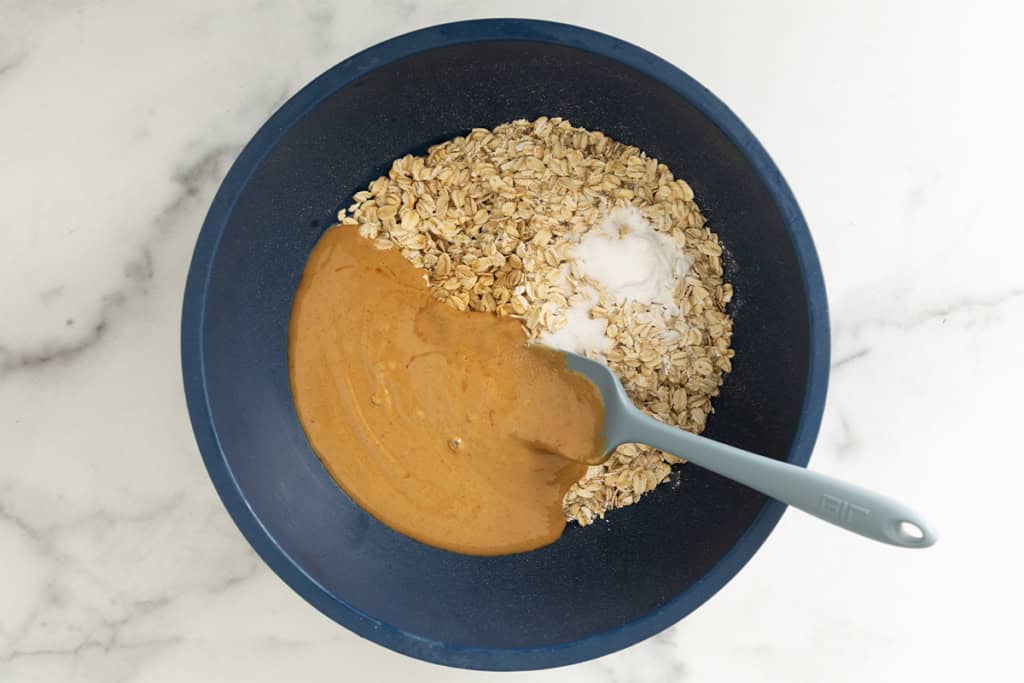
- Phase Two: Integration of Binding Agents: Creamy or crunchy nut butter is introduced to the mashed bananas. This stage requires thorough mixing to ensure that the fats from the nut butter are emulsified with the fruit sugars.
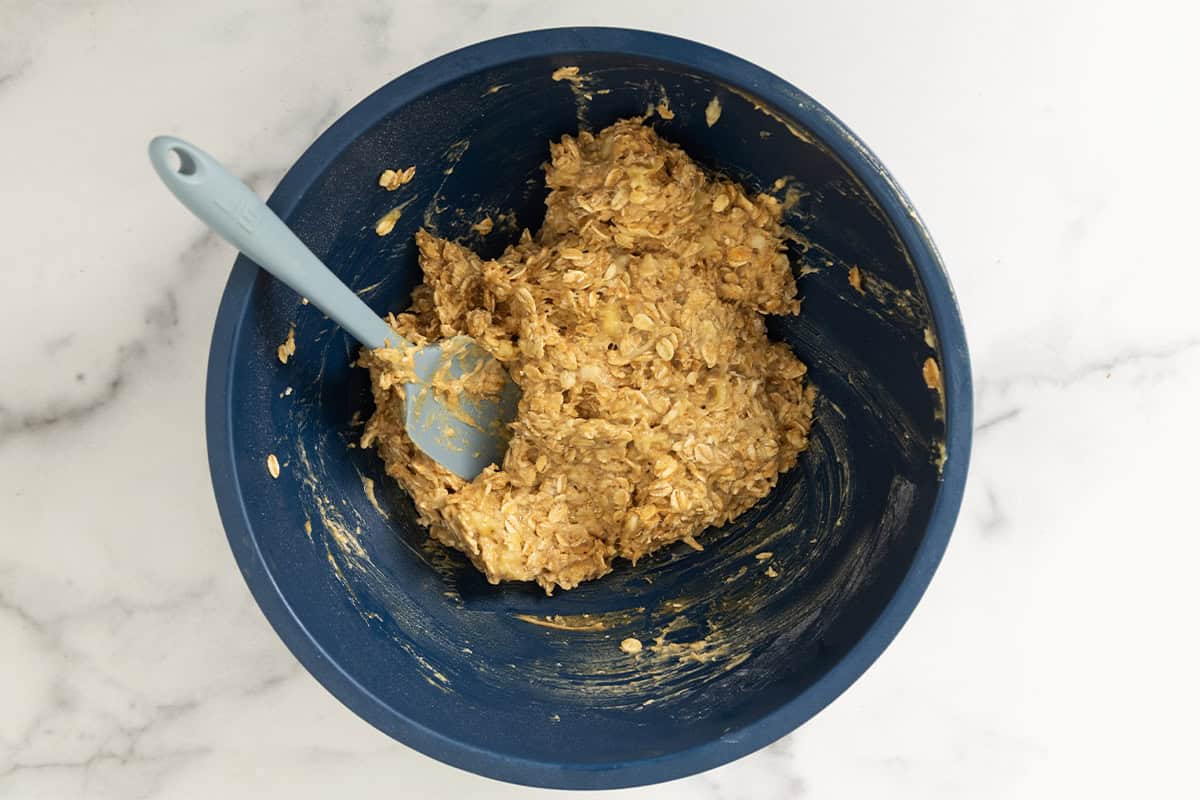
- Phase Three: Incorporation of Solids: The dry ingredients—primarily oats and any optional enhancers like maple syrup or chocolate chips—are folded into the wet mixture. The goal is to achieve a uniform batter where every oat flake is coated.
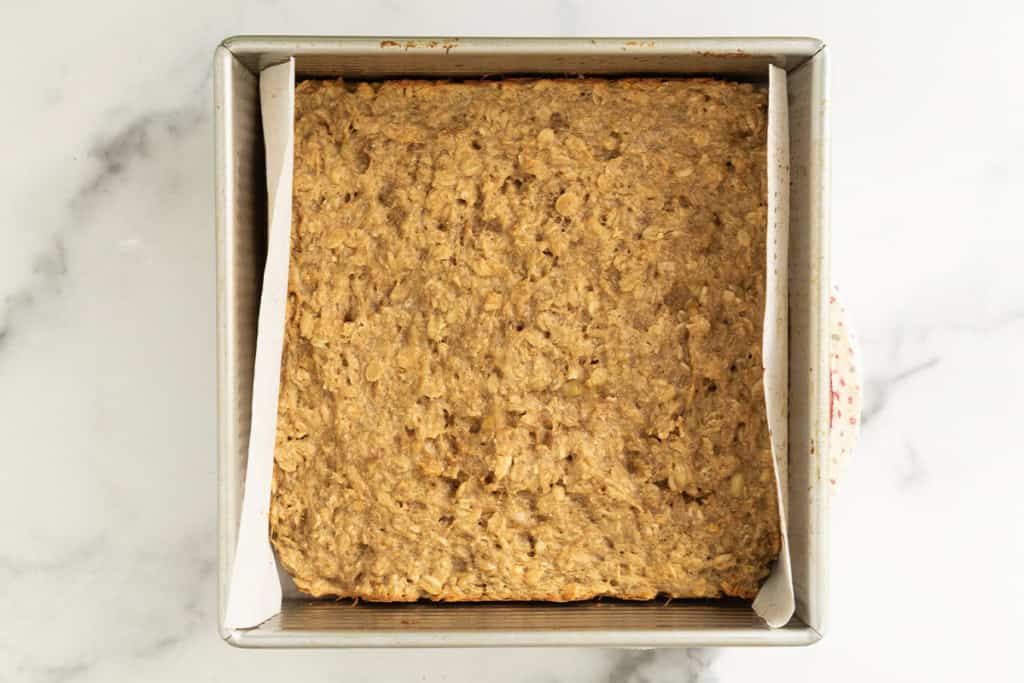
- Phase Four: Thermal Processing: The batter is transferred to a prepared pan and leveled to ensure even baking. The bars are subjected to moderate oven temperatures until the edges exhibit a light golden-brown hue, indicating the caramelization of natural sugars and the setting of the protein structures.
- Phase Five: Cooling and Stabilization: Perhaps the most critical step for structural integrity is the cooling phase. Culinary experts recommend allowing the bars to cool completely before slicing with a serrated knife to prevent crumbling.
Quantitative Analysis of Nutritional Content
Data provided by nutritional analysis indicates that a standard serving of these Peanut Butter Oatmeal Bars (based on a 12-serving yield) provides a comprehensive array of essential nutrients. A single bar contains approximately 176 calories, making it a substantial snack or a lightweight breakfast component.
The macronutrient breakdown is as follows:
- Protein: 6 grams, contributing to muscle growth and repair.
- Carbohydrates: 20 grams, primarily from complex sources.
- Total Fat: 9 grams, with only 2 grams of saturated fat, emphasizing heart-healthy unsaturated fats.
- Dietary Fiber: 3 grams, representing roughly 10-15% of the daily recommended intake for young children.
In addition to macronutrients, the bars contain significant micronutrients, including 244 mg of potassium, 33 mg of calcium, and 1 mg of iron. The sugar content remains relatively low at 6 grams per serving, much of which is derived from the natural fructose in the banana base. This profile stands in stark contrast to many commercial "toddler snacks" that can contain upwards of 12 to 15 grams of added sugar per serving.
Economic Implications and Grocery Budget Management
The financial benefits of homemade snack bars cannot be overlooked in the current economic climate. A comparative analysis of cost-per-serving reveals that homemade oatmeal bars can be produced at a fraction of the cost of premium organic store-bought brands. By utilizing bulk pantry items such as rolled oats and large jars of peanut butter, families can significantly reduce their weekly "disposable" food expenditure.
Furthermore, the "make-ahead" nature of the recipe supports the reduction of food waste. Overripe bananas, which might otherwise be discarded, find a secondary use as a primary sweetener and binder. The ability to store these bars in the refrigerator for up to seven days, or in the freezer for several months, allows for bulk preparation, which further optimizes time and energy costs associated with kitchen management.
Official Responses and Expert Perspectives
Pediatric dietitians have noted that recipes like the Peanut Butter Oatmeal Bar allow for "stealth health" interventions. By adding flax seeds, chia seeds, or finely grated zucchini, parents can further enhance the nutrient density of the bars without significantly altering the flavor profile that children find appealing.
"The key to sustainable childhood nutrition is the balance between palatability and nutrient density," states a hypothetical consensus among pediatric nutrition experts. "When a snack mimics the sensory experience of a treat—such as a soft cookie—but delivers the fiber and protein of a meal, it reduces the friction often associated with introducing healthy foods to picky eaters."
Regarding allergy concerns, which are prevalent in school environments, experts suggest the seamless substitution of peanut butter with sunflower seed butter or soy-nut butter. This adaptability ensures that the recipe remains inclusive and compliant with "nut-free" zone regulations in educational institutions.
Broader Impact on Domestic Habits and Health Outcomes
The long-term implications of adopting such homemade snack habits extend beyond immediate nutrition. By involving children in the preparation process—such as mashing the bananas or stirring the oats—parents can foster a positive relationship with food and foundational culinary skills. This early exposure to whole-food preparation is linked to healthier dietary choices in adolescence and adulthood.
Moreover, the versatility of the bars allows them to serve as a "base" for various dietary needs. They can be served alongside protein sources like breakfast sausage for a complete morning meal or paired with a vegetable-heavy smoothie to round out an afternoon snack. This flexibility reduces the mental load on caregivers who must navigate the complex task of daily meal planning.
Conclusion and Future Outlook
The Peanut Butter Oatmeal Bar represents more than a simple recipe; it is a manifestation of a broader shift toward intentional, resourceful, and health-conscious living. As consumers continue to prioritize value and vitality, the popularity of such five-ingredient solutions is expected to grow.
In summary, these bars provide:
- Nutritional Density: High fiber and protein with low added sugar.
- Economic Efficiency: Utilization of low-cost pantry staples and reduction of food waste.
- Operational Simplicity: A straightforward, five-step process that requires minimal specialized equipment.
- Versatility: Adaptability for various dietary restrictions and mealtime occasions.
As the culinary landscape evolves, the focus remains on empowering individuals to take control of their nutritional intake through accessible and sustainable methods. The Peanut Butter Oatmeal Bar stands as a testament to the fact that effective health interventions do not require complex ingredients or expensive technology, but rather a return to the fundamentals of whole-food preparation.
