

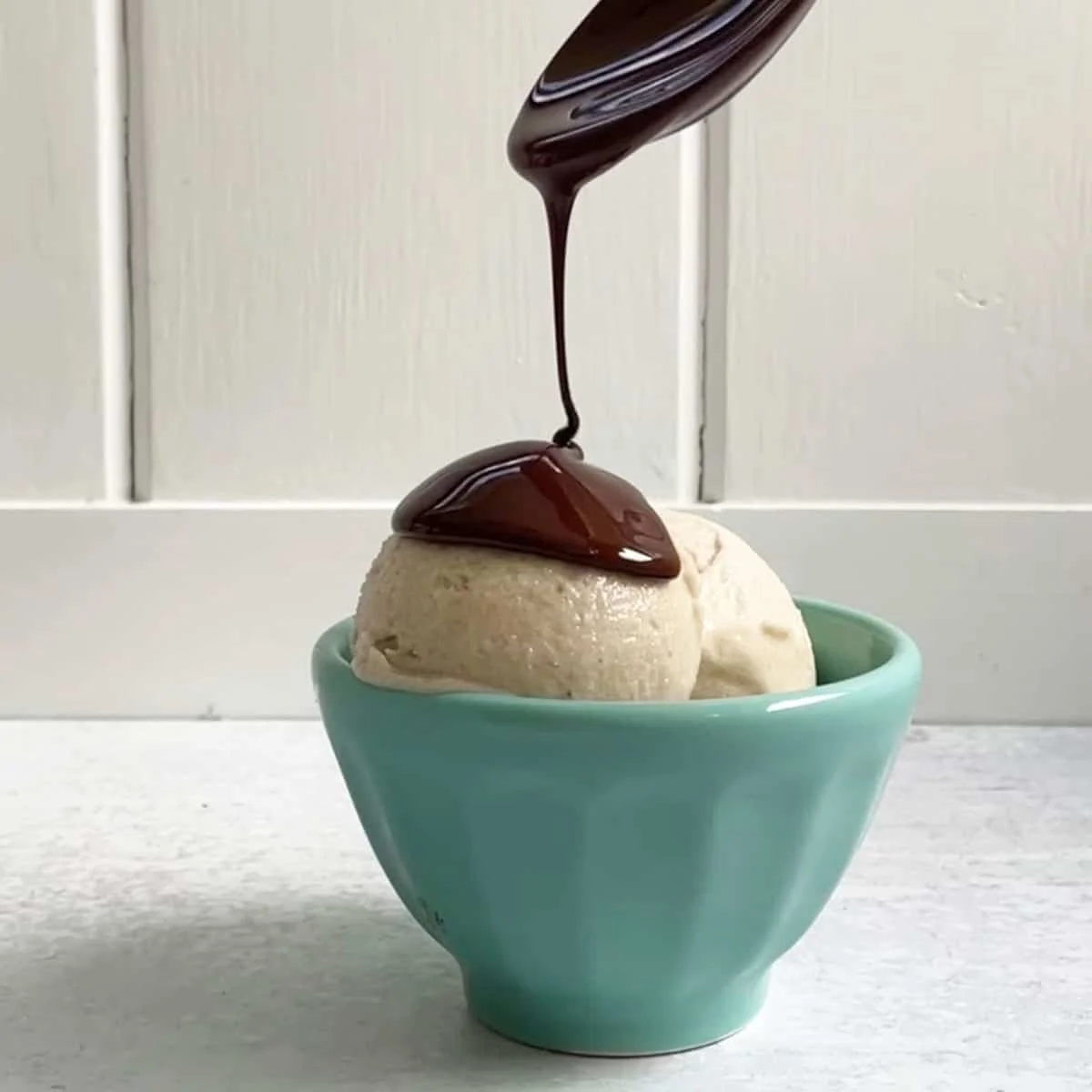
The culinary phenomenon known as the "magic shell" has remained a staple of American dessert culture for decades, prized for its unique ability to transform from a liquid syrup into a brittle, crackling coating within seconds of contacting a cold surface. While commercially available versions of this topping have been accessible since the late 20th century, a growing movement toward "clean label" ingredients and home-based food preparation has led to a resurgence in homemade iterations. This preparation requires only two primary components—high-quality chocolate and coconut oil—leveraging the specific physical properties of saturated fats to achieve a rapid phase transition. By understanding the thermodynamic principles at play, home cooks and culinary professionals alike can replicate this industrial effect without the need for stabilizers or paraffin wax often found in mass-produced alternatives.
The Historical Context of Instant-Hardening Coatings
The commercialization of the chocolate shell topping is most frequently associated with the J. Hungerford Smith Company, which introduced "Magic Shell" to the United States market in the 1980s. However, the technology behind enrobing cold confections in fat-based coatings dates back much further, rooted in the traditional confectionery methods used to create dipped ice cream bars. Before the advent of shelf-stable bottled versions, soda fountains and ice cream parlors utilized heated vats of chocolate mixed with vegetable fats to create a "dip" that would solidify upon contact with a frozen scoop.
The evolution of the product from a specialized industrial ingredient to a household pantry item reflects broader shifts in the American food industry during the late 20th century, where convenience and "interactive" food experiences became highly marketable. In recent years, the trend has shifted again. Market data suggests that consumers are increasingly wary of ultra-processed foods, leading to a 15% increase in the "DIY condiment" sector over the last five years. The homemade magic shell fits perfectly into this niche, offering the same nostalgic experience with a transparent ingredient list.
The Chemical Synergy: Why Coconut Oil is Essential
The "magic" of the chocolate shell is a result of basic lipid chemistry. To understand why this recipe works, one must examine the fatty acid profile of coconut oil compared to other fats. Coconut oil is approximately 80% to 90% saturated fat, which gives it a unique melting point of approximately 76 degrees Fahrenheit (24 degrees Celsius). At room temperature, it remains a solid, but with minimal heat, it transitions into a thin, clear liquid.
When mixed with melted chocolate, the coconut oil lowers the overall viscosity of the mixture, allowing it to be drizzled in thin, even layers. More importantly, because coconut oil has a high concentration of lauric acid, it undergoes a rapid crystallization process when its temperature drops below its freezing point. When the liquid mixture is poured over ice cream (typically served at 5 to 10 degrees Fahrenheit), the heat is rapidly transferred from the sauce to the frozen dessert. This thermal exchange causes the coconut oil to solidify almost instantly, trapping the chocolate solids in a firm, brittle matrix.
Culinary scientists note that substituting coconut oil with unsaturated fats, such as olive or canola oil, will not produce the same effect. These oils remain liquid at much lower temperatures, resulting in a sauce that remains soft or "gooey" even when chilled.
Procedural Chronology: A Step-by-Step Technical Guide
Achieving the perfect "snap" in a homemade magic shell requires precise temperature management and a specific ratio of ingredients. The following chronology outlines the standard professional method for preparation:
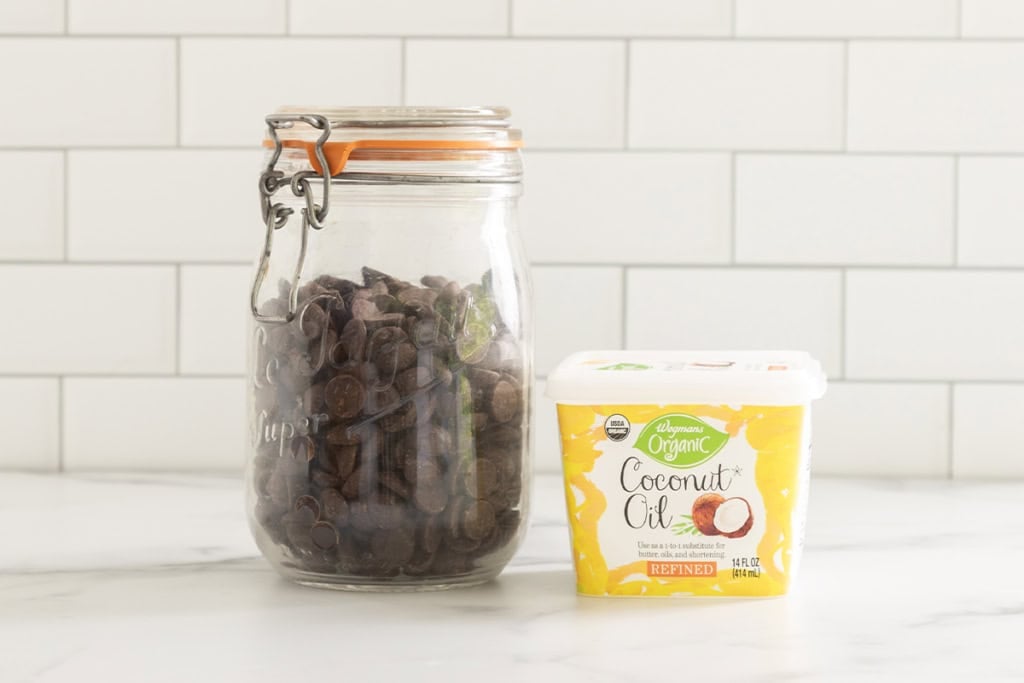
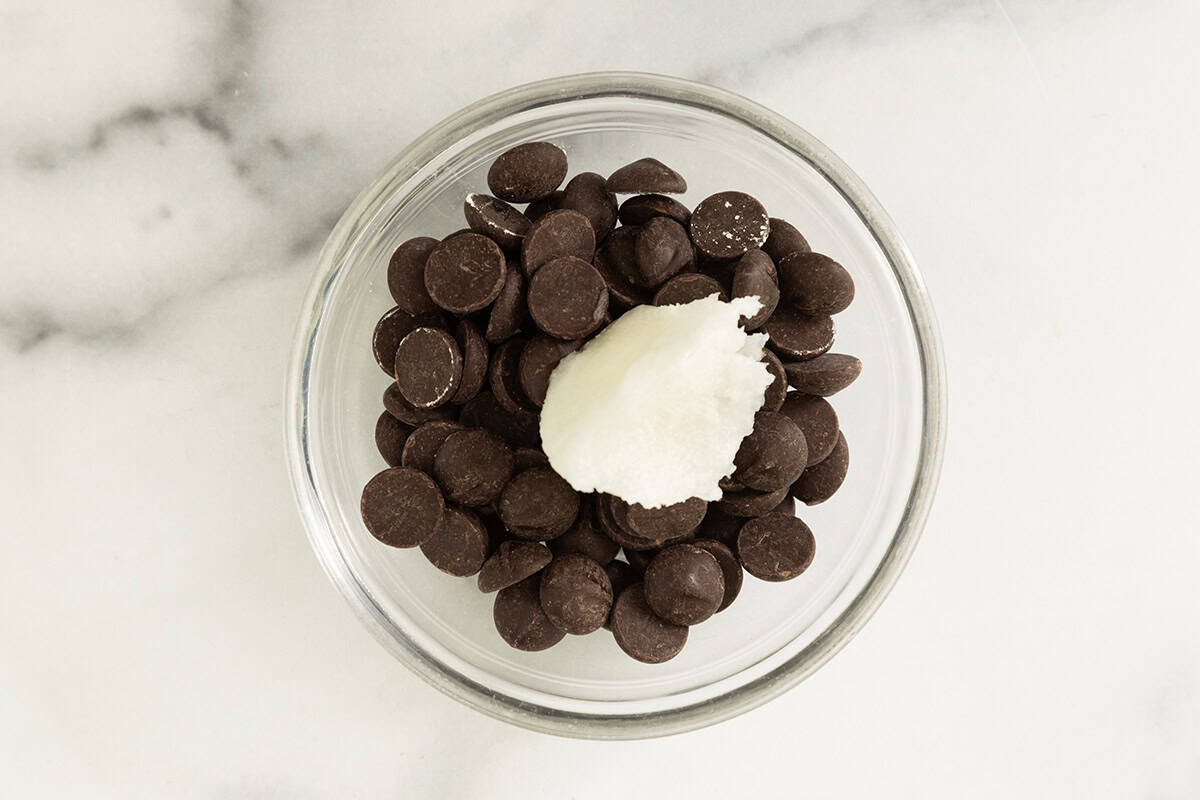
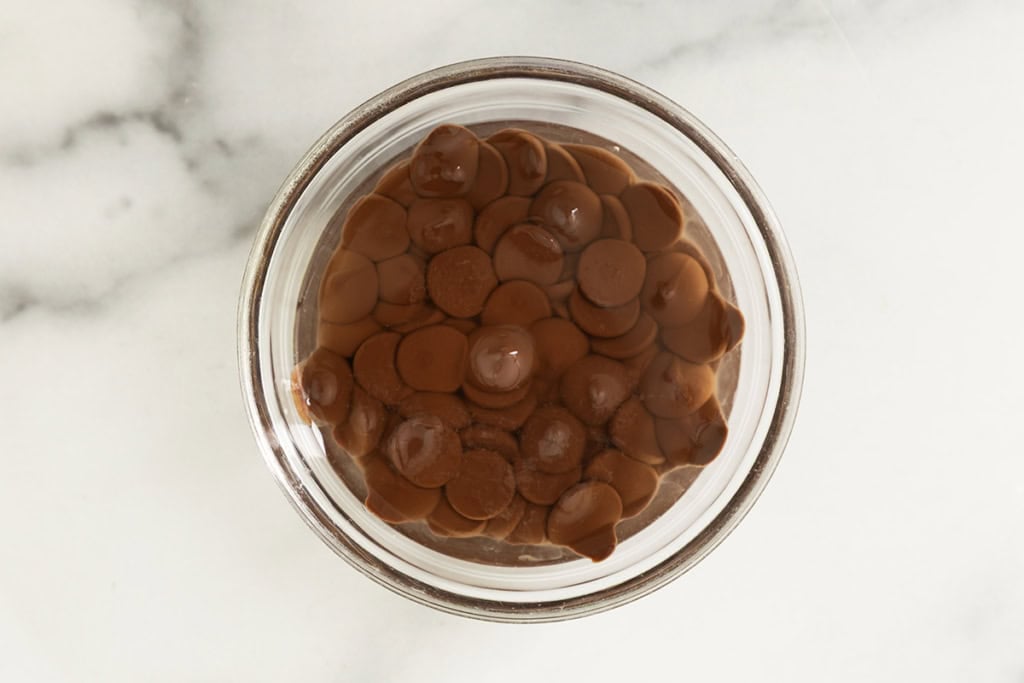
- Ingredient Integration: The process begins by combining semi-sweet or dark chocolate chips with refined coconut oil in a ratio of approximately three parts chocolate to one part oil. Refined coconut oil is typically preferred in professional settings to ensure the final product has a neutral flavor profile, whereas unrefined oil may impart a distinct coconut aroma.
- Thermal Application: The mixture is subjected to gentle heat, typically via a double boiler or a microwave at 50% power in 30-second intervals. It is critical that the chocolate does not exceed 115 degrees Fahrenheit (46 degrees Celsius) for dark chocolate or 110 degrees Fahrenheit for milk chocolate to prevent scorching or seizing.
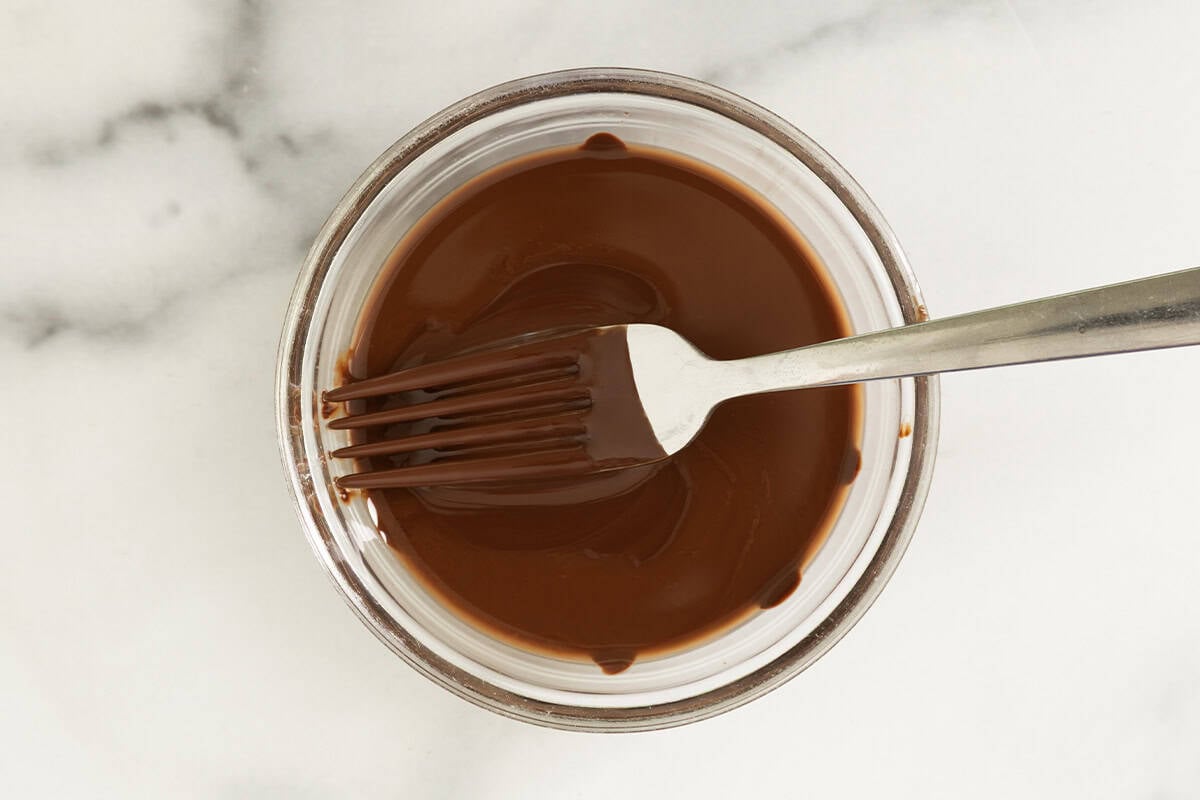
- Homogenization: Once the chocolate has reached a fluid state, the mixture is stirred vigorously. This ensures that the coconut oil is fully emulsified with the cocoa solids and cocoa butter. A successful emulsion will appear glossy and have a consistency similar to heavy cream.
- Cooling Phase: The sauce must be allowed to cool to near room temperature (approximately 75-80 degrees Fahrenheit) before application. If the sauce is applied while it is too hot, it will melt the surface of the ice cream, creating a muddy texture and delaying the hardening process.
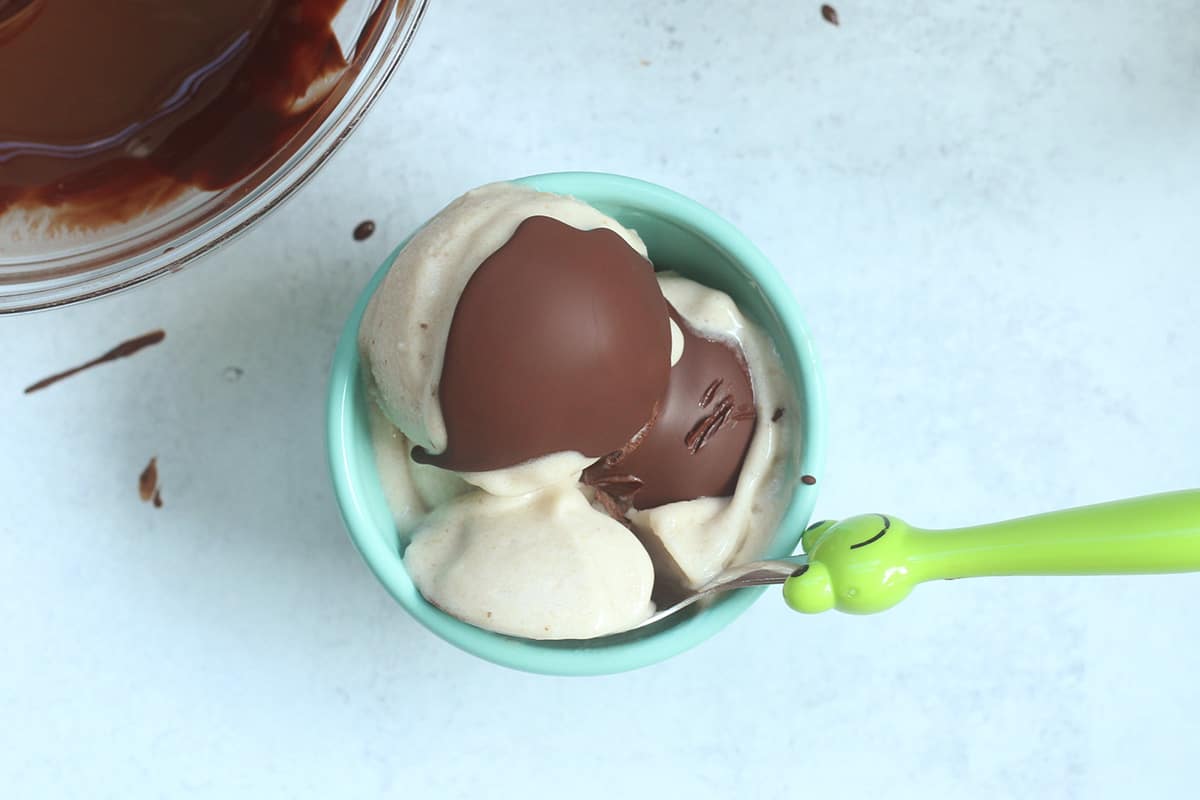
- Application and Solidification: The liquid is drizzled over a frozen substrate. Within 30 to 60 seconds, the gloss will dull slightly, indicating that the fats have crystallized into a solid shell.
Nutritional Analysis and Comparative Data
From a nutritional standpoint, the homemade magic shell offers a different profile than its commercial counterparts. A standard two-tablespoon serving of homemade shell contains approximately 75 to 100 calories, depending on the sugar content of the chocolate used.
Data comparing homemade versions to leading commercial brands reveals significant differences in additive content:
- Commercial Brands: Often contain sugar as the first ingredient, followed by palm oil or coconut oil, and various emulsifiers like soy lecithin and polyglycerol polyricinoleate (PGPR). Some brands also include artificial flavors and stabilizers to maintain a liquid state at a wider range of temperatures.
- Homemade Version: Consists entirely of cocoa solids, cocoa butter, sugar (within the chocolate), and coconut oil.
Furthermore, the homemade version allows for the use of high-percentage dark chocolate (70% cocoa or higher), which introduces flavonoids and antioxidants into the dessert. According to dietary researchers, the inclusion of coconut oil provides medium-chain triglycerides (MCTs), which are metabolized differently than the long-chain fats found in many other dessert toppings.
Culinary Versatility and Modern Applications
While the primary use of magic shell is as an ice cream topping, modern culinary trends have expanded its application. Professional pastry chefs have begun using the technique for "flash-frozen" fruit presentations. For instance, dipping frozen watermelon wedges or chilled strawberries into the mixture creates a sophisticated textural contrast between the succulent fruit and the crisp chocolate.
Other documented applications include:
- Overnight Oats: Drizzling a thin layer over chilled oats to create a "crackable" breakfast lid.
- Yogurt Bowls: Providing a textural element to Greek yogurt parfaits.
- Popsicle Enrobing: Dipping homemade fruit popsicles into the shell for a professional, "Magnum-style" finish.
- Confectionery Garnish: Creating intricate chocolate lattice work that hardens instantly on chilled plates for high-end restaurant service.
Storage Protocols and Stability
The stability of the homemade magic shell is dependent on ambient temperature. Because of the 76-degree melting point of coconut oil, the mixture may solidify in the storage container if the room temperature drops.
Official storage recommendations suggest keeping the sauce in an airtight glass jar. If the mixture solidifies, it can be returned to a liquid state by placing the jar in a bowl of warm water for several minutes or by utilizing a short microwave burst. Unlike commercial syrups, which are designed to remain liquid indefinitely, the homemade version’s tendency to solidify is a testament to its lack of chemical modifiers. For optimal quality, the sauce should be consumed within two weeks if stored at room temperature, though it can last up to a month in a refrigerated environment.
Broader Implications for the DIY Food Movement
The rise of the homemade magic shell is indicative of a broader shift in consumer behavior. A 2023 report on food trends highlighted that 62% of households now prefer making "basic" pantry staples from scratch if the process takes less than ten minutes. This shift is driven by a combination of economic factors—homemade versions are often 30-40% cheaper per ounce—and health consciousness.
Culinary experts suggest that the "democratization of food science" is at play here. As more consumers understand the role of saturated fats and temperature in food preparation, the reliance on industrial shortcuts diminishes. The magic shell serves as a primary example of how a complex-seeming industrial product can be reduced to a simple, two-ingredient kitchen experiment.
In conclusion, the magic chocolate shell is more than a nostalgic novelty; it is a demonstration of lipid science and thermal dynamics. By utilizing the specific properties of coconut oil, individuals can create a high-performance culinary topping that meets modern demands for ingredient transparency and artisanal quality. As the DIY food movement continues to gain momentum, such recipes bridge the gap between industrial convenience and the integrity of home cooking.
